

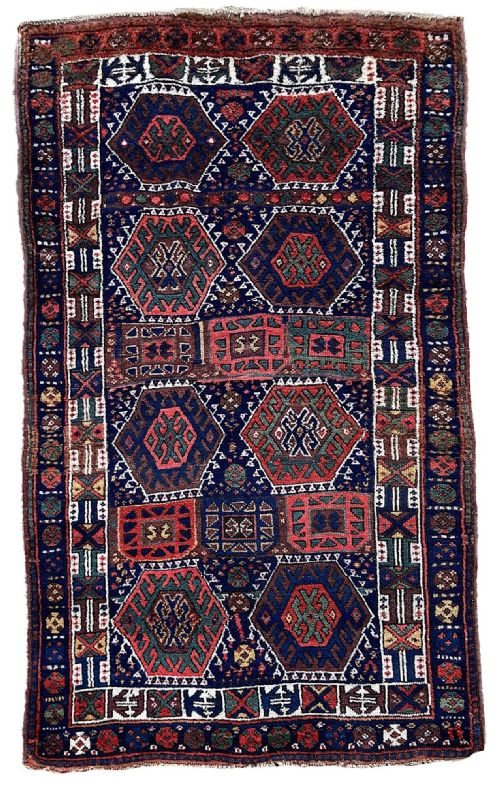
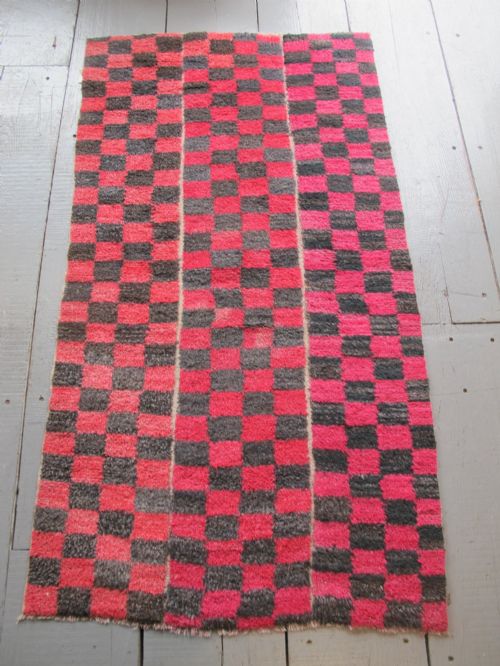


Small Runner
When you search for a small antique runner, you find woven floor coverings sized for corridors, halls and compact spaces.
Small Runner
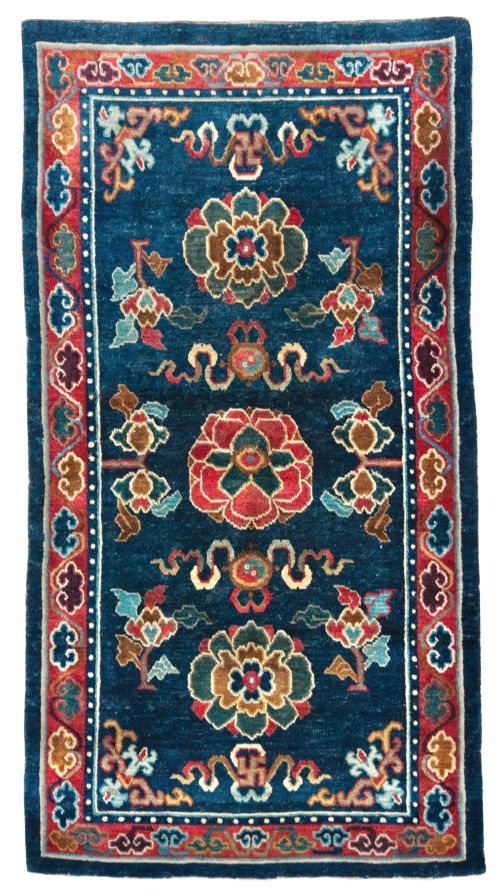
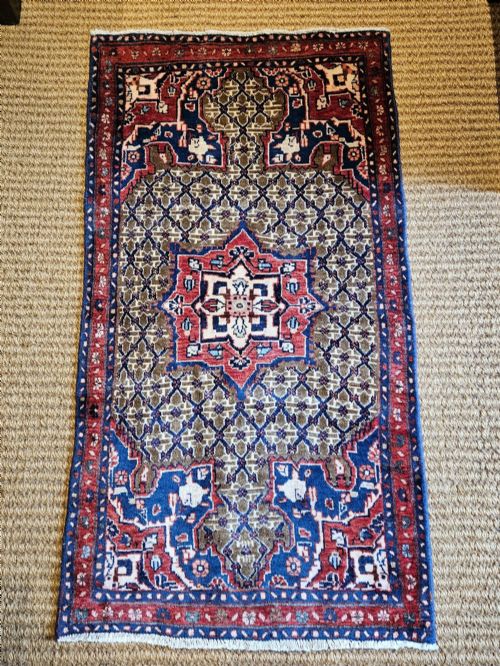
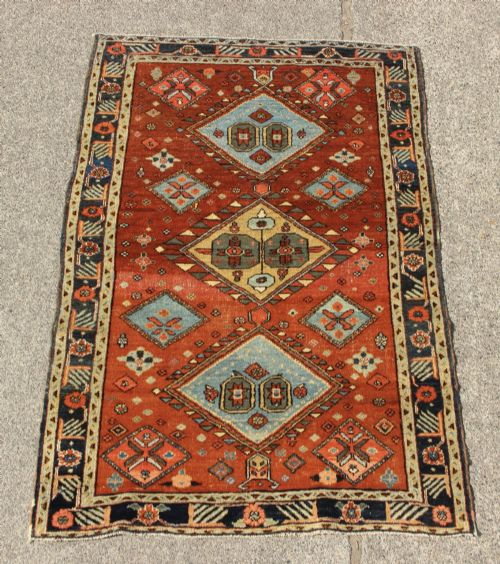
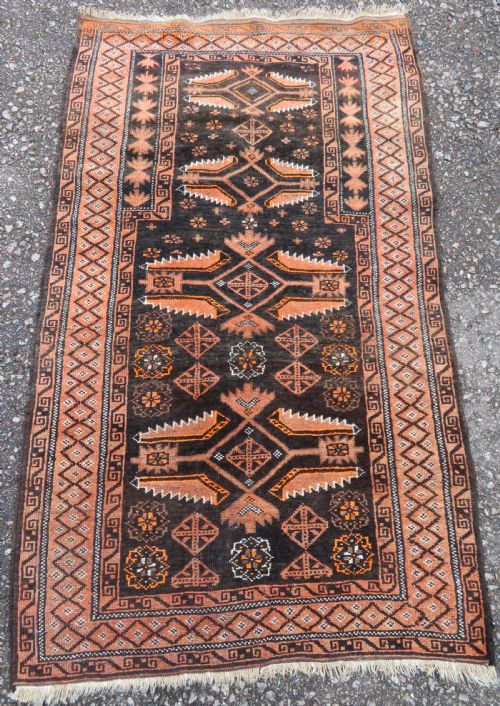
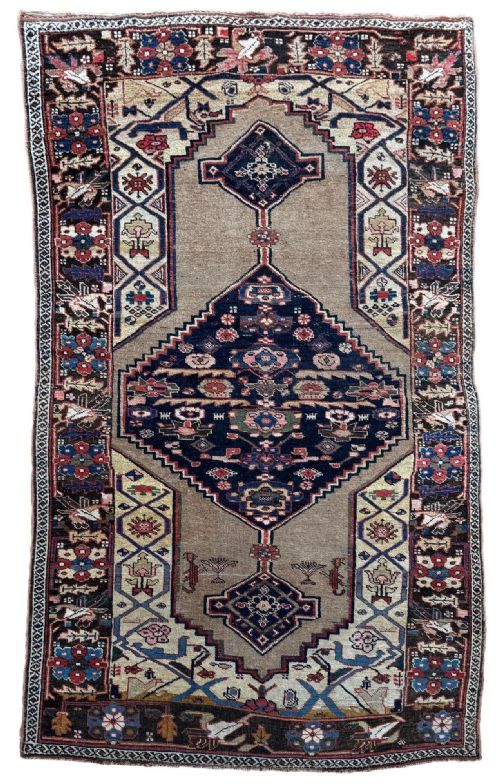
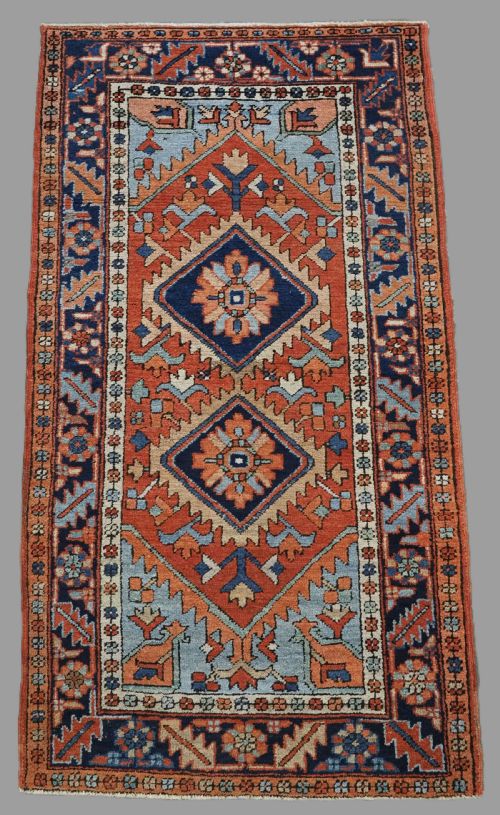
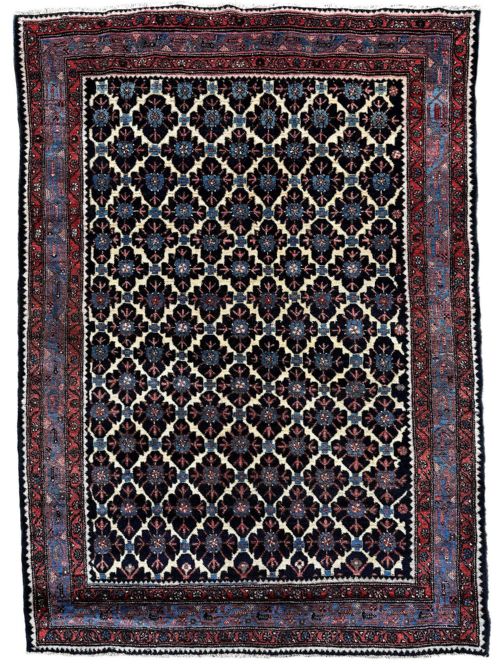
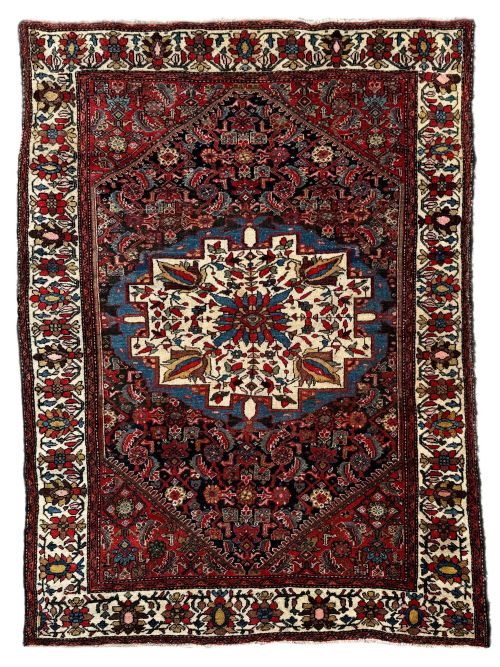
A small antique runner provides an elongated format suited to narrow spaces like hallways, landings and bedside areas. When exploring a small antique runner, buyers encounter Persian, Anatolian, Caucasian and Turkmen village and tribal weaving traditions dating from the nineteenth and early twentieth centuries.
The selections span formats described variously as rug runners, small rugs, prayer rugs and torba faces, reflecting the diverse domestic and nomadic origins of the pieces. Pieces from Heriz, Hamadan, Kazak and Baluch workshops or tribes appear regularly across the inventory.
Materials and construction
The pieces rely primarily on wool and hand-spun wool foundations and piles, occasionally incorporating cotton or silk highlights. Artisans employed natural dyes to achieve varied palettes across tribal and village formats.
Weaving techniques include traditional pile knots and flatweave structures, executed on horizontal or vertical looms by nomadic, village or town weavers.
The listings span the nineteenth and early twentieth centuries, incorporating wool, silk and cotton materials across Persian, Caucasian and Anatolian traditions.
Distinctions in quality
Quality rests upon the handle of the wool, the precision of the knotting and the depth and stability of the natural dyes. Finer weaves and distinct tribal motifs elevate particular examples above standard village output.
The integrity of the foundation, the preservation of original selvedges and ends, and the clarity of the design drawing separate standard decorative items from collectible pieces.
The Small Runner Glossary
- Runner
- A long, narrow carpet format traditionally used in corridors, hallways and narrow spaces. They measure significantly longer than they are wide.
- Natural Dyes
- Colourants derived from plant, insect or mineral sources rather than synthetic chemicals. They tend to age gracefully and develop a rich patina over decades.
- Boteh
- A stylised almond, pear or floral motif of ancient Persian origin representing a shrub or cypress tree. It appears frequently in various forms across oriental weaving.
- Gul
- A medallion or floral guls motif repeated in rows across Turkmen and related tribal carpets. The shape often identifies the specific clan or tribe that wove the piece.
- Selvedge
- The bound or reinforced edge running parallel to the warp threads along the sides of a rug. Original selvedges indicate a well-preserved textile.
Small Runner: Frequently Asked Questions
Where do people use small antique runners?
These narrow formats suit hallways, corridors, entryways and narrow landings where standard rectangular carpets fail to fit. They guide movement through a home while adding warmth and texture to transitional floor spaces.
Collectors also place them beside beds or in kitchens where a long, narrow floor covering protects the boards and anchors the room's proportions.
How do I care for an antique wool runner?
Gentle, regular vacuuming without a rotating power brush removes surface dirt and grit that can damage the wool pile over time. Professional cleaning tailored to antique textiles preserves the natural lanolin in the fibres.
Placing a breathable rug underlay underneath prevents slipping and reduces friction between the floor and the antique foundation.
What is the difference between village and tribal rugs?
Tribal rugs originate from nomadic or semi-nomadic groups weaving from memory and traditional local designs, often featuring geometric motifs and asymmetrical layouts. Village pieces come from settled communities with more structured workshops and established local patterns.
Both categories rely on hand-spun wool and natural dyes, but village pieces sometimes exhibit greater symmetry and finer knot densities.
How can I tell the age of a runner?
Age is assessed through structural analysis, observing the type of wool, the dye palette, the complexity of the weave and the specific design vocabulary. Natural dyes combined with hand-spun wool and authentic wear patterns typically point to nineteenth or early twentieth-century production.
Comparing construction details with documented examples from regions like Caucasus, Persia or Anatolia helps narrow down the period.