


Early Victorian Framed Artwork
Early victorian framed artwork brings together paper, canvas, and oil to capture portraits, landscapes, and silhouettes of the nineteenth century.
Early Victorian Framed Artwork
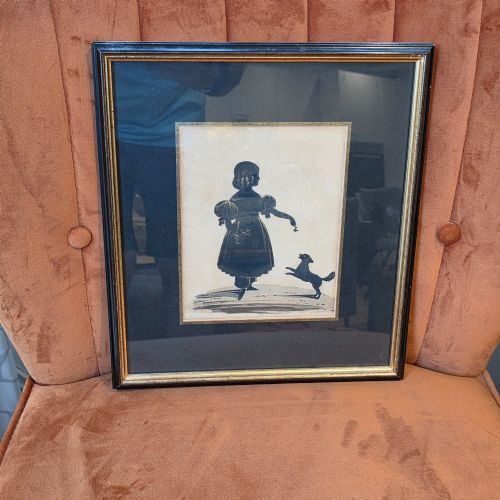
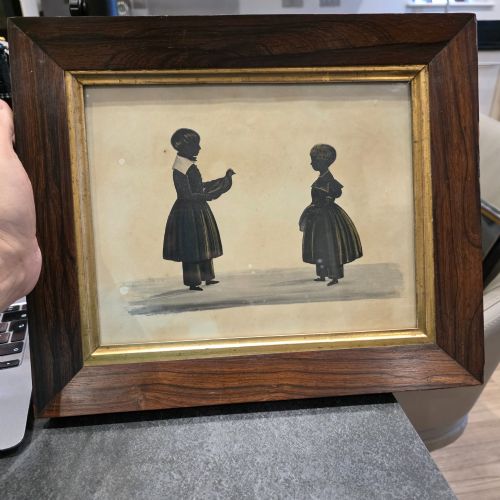
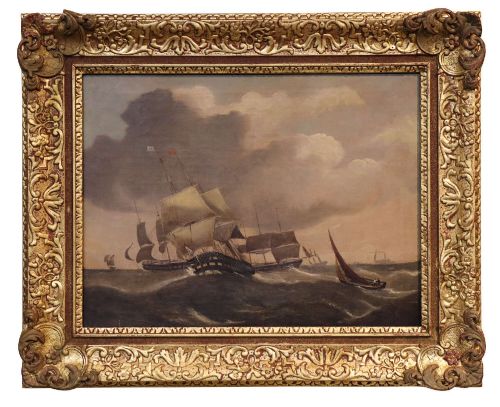
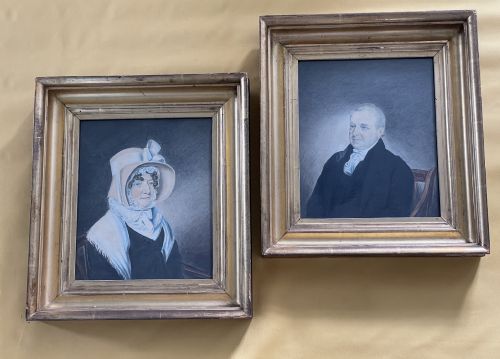
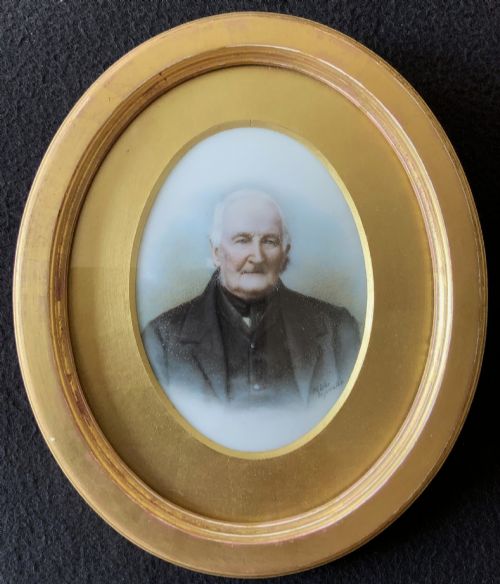
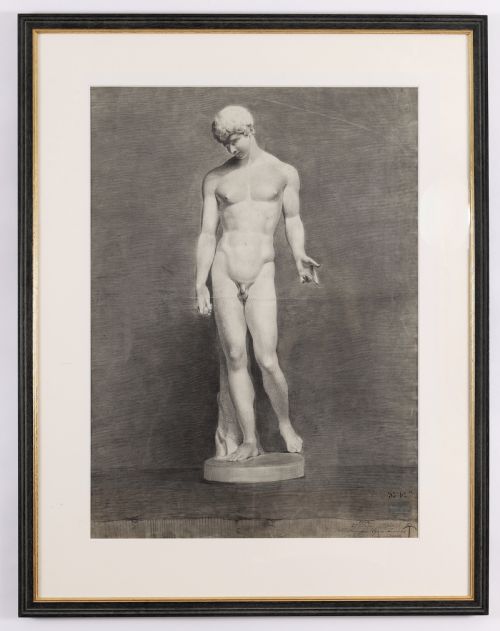
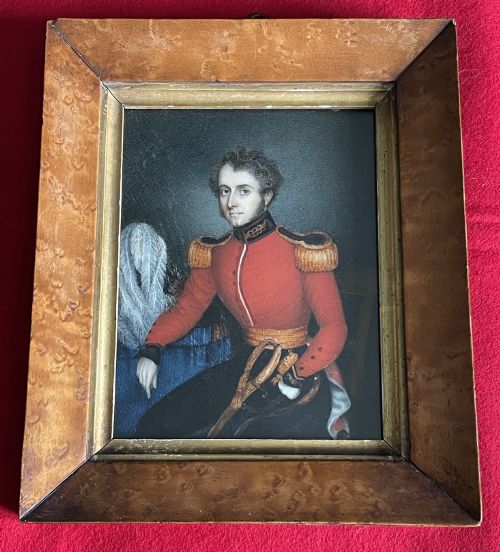
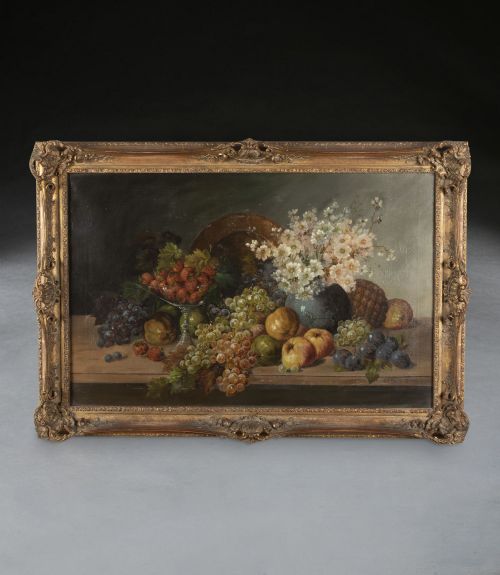
Early victorian framed artwork comprises paintings, watercolours, silhouettes, and prints produced across the nineteenth century and preserved in period surrounds. These works range from naive school portraits and military miniatures to marine oils and architectural views.
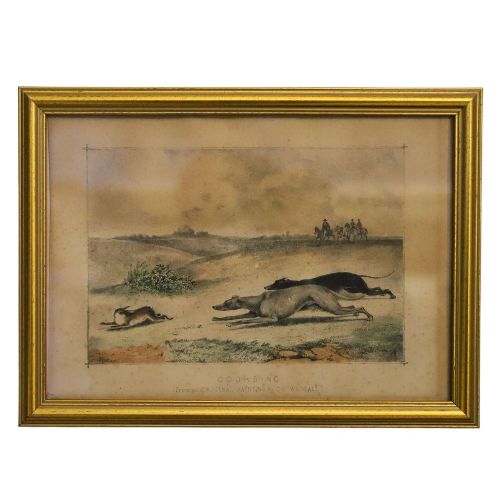
Watercolour portraits on paper or card and oil on canvas paintings dominate the selection, often depicting sitters with distinct biographical inscriptions. Buyers frequently encounter detailed silhouette cuttings, sporting lithographs, and theatrical prints within this grouping.
How they were made
Makers utilised paper, card, and canvas as supports for watercolour, ink, and oil paints, frequently enclosing the works beneath glass. Frames fashioned from wood and finished with gold leaf or gilt wood complete the construction of these pieces.
Techniques span meticulous brushwork for miniature portraits and wash applications for landscapes alongside cut paper silhouette work and lithographic printing. Backings often bear handwritten inscriptions recording dates, sitters, or artist attribution.
Object types span paintings, oil paintings, wall art, framed artwork, watercolour paintings, framed prints, and portrait miniatures.
What varies in quality
The integration of the artwork with its original housing contributes significantly to the integrity of the piece, as matching wood and gold leaf surrounds maintain the historical context of the period.
William James Hubard·C. H. Weigall·J Bizo·Lewis J Wood·George Chinnery·John Syer junior·William Mark Fisher·H. P. Parker·Karl Feiertag
The Early Victorian Framed Artwork Glossary
- Silhouette
- A portrait cut from paper or painted in solid dark profile against a lighter background. These items often feature ink or watercolour detailing on the clothing.
- Lithograph
- A print produced from a flat stone or metal plate using a chemical process that repels ink except on the drawn areas. This method allowed multiple impressions of sporting scenes and architectural views to be circulated.
- Miniature
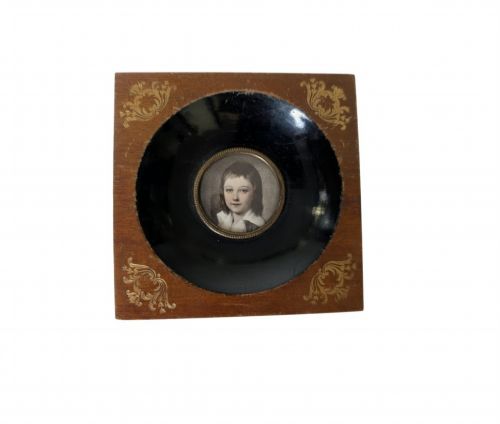
- A small-scale portrait painted on card, paper, ivory, or glass with fine precision. These portable likenesses were frequently commissioned to commemorate family members or military officers.
- Tinsel print
- A theatrical print embellished with scraps of tinsel, fabric, and foil to highlight costume details. These works reflect nineteenth century popular stage culture.
- Gilt wood
- Wood carved and coated with a thin layer of gold leaf or metallic paint. This material forms the decorative surrounds characteristic of the period.
Early Victorian Framed Artwork: Frequently Asked Questions
What subjects appear most often in early victorian framed artwork?
Portraits of gentlemen, ladies, and children form the core of the selection, executed in oil, watercolour, or cut paper silhouette. Landscapes, marine scenes of shipping, and sporting subjects also recur frequently.
Many pieces retain handwritten notes on the reverse detailing the identity of the sitter or the location depicted, adding personal context to the visual record.
How should I care for watercolour paintings and silhouettes under glass?
Works on paper require protection from direct sunlight to prevent the fading of watercolours and inks. Maintaining stable indoor humidity prevents warping of the paper and protects the fragile silhouettes.
Original glass and wood frames should remain intact where possible to preserve the historical integrity of the piece.
Are the frames original to the artwork?
Many pieces retain their period frames fashioned from wood and gold leaf, which match the production era of the artwork inside. Pairs and individual works often show wood and gilt finishes consistent with nineteenth century framing practices.
Matching frames provide strong contextual evidence for the dating and origin of the enclosed painting or print.
How can I distinguish between different nineteenth century portrait techniques?
Waterportraits utilise delicate washes on paper or card, whereas oil paintings employ heavier pigments on canvas or board with visible texture. Silhouettes rely on sharp paper cutting or solid ink work to define the profile.
Miniatures painted on glass or card offer a scale distinct from larger wall canvases and architectural views.