


Paper Profile Miniature
A paper profile miniature captures the quiet likeness of an ancestor through delicate cut paper and fine ink, offering an intimate window into Georgian and Victorian lives.
Paper Profile Miniature
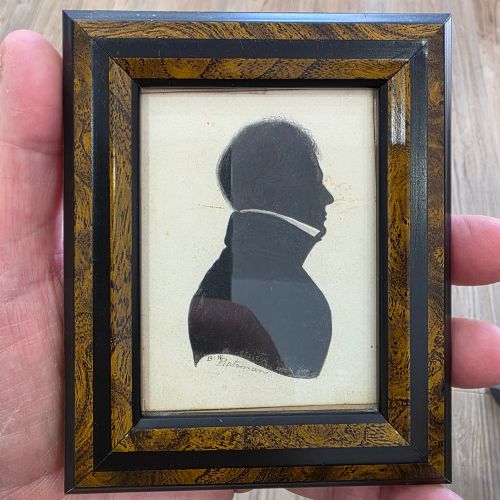
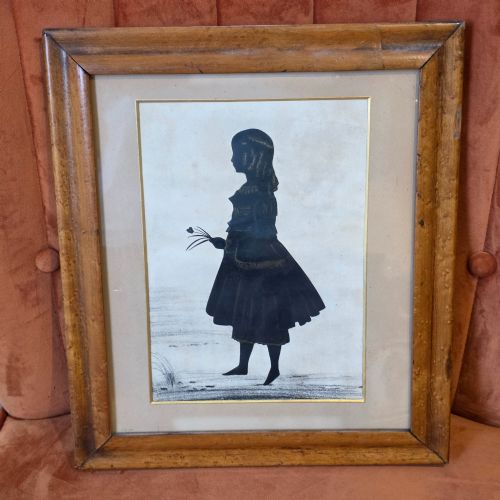
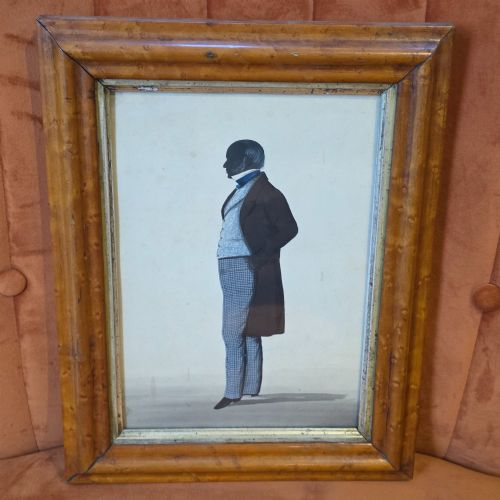
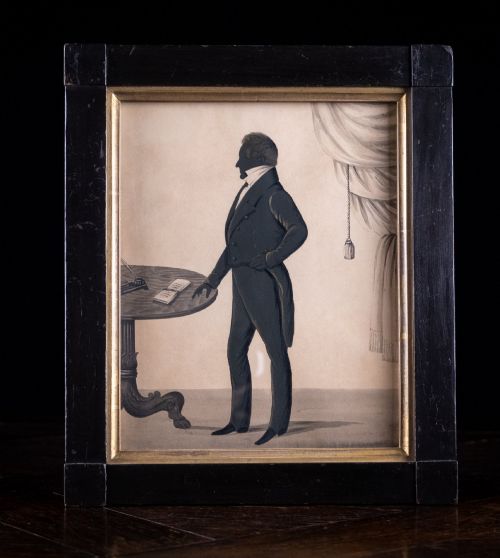
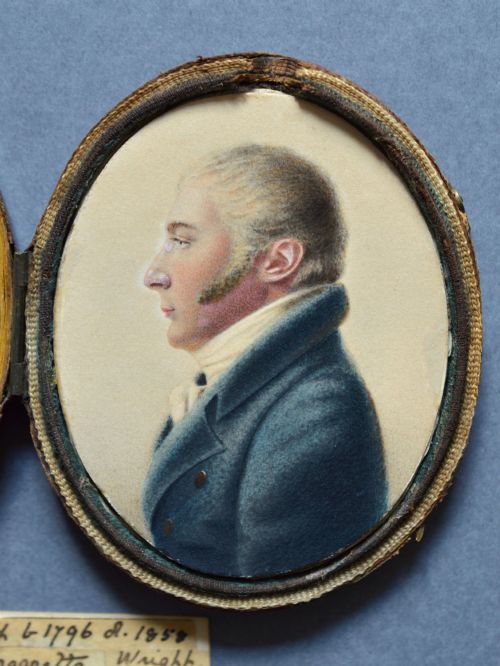
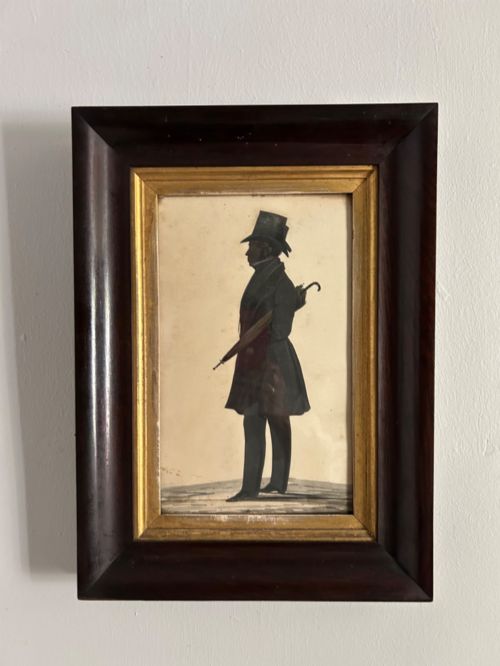
When you search for paper profile miniature, you encounter framed artwork and silhouette portraits that preserve the exact likeness of sitters from the eighteenth and nineteenth centuries. These pieces appear as full-length figures or bust portraits, often rendered through precise cutting and mounted against contrasting backgrounds.
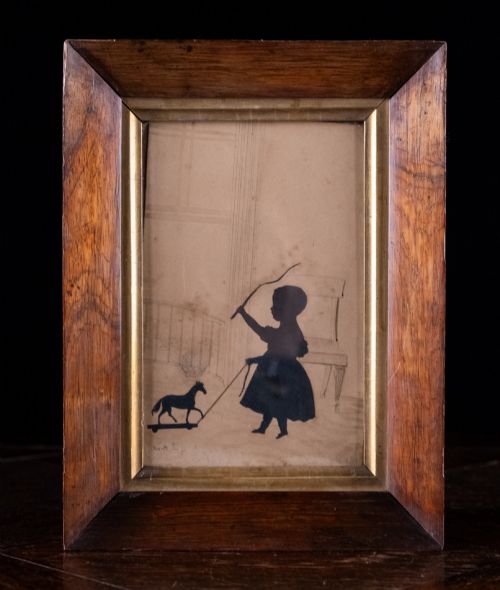
The examples on this page predominantly date from the Regency era and the broader nineteenth century, alongside earlier Georgian and later Victorian specimens. You will find gentlemen in tailcoats, elegant ladies in turban caps, children with horses, and even animals brought to life in humble black paper.
Formats range from simple framed silhouettes to more elaborate compositions enhanced with gold leaf, watercolour highlights, and delicate pastel work. They represent a tradition of portraiture that thrived before the widespread adoption of photography.
Materials and Techniques
Makers utilised specialised scissors or knives to cut freehand likenesses directly from paper, sometimes augmenting the flat black forms with subtle washes of watercolour or ink. Frames were frequently fitted with brass hangers and accents, completing the presentation of these small-scale works.
Some nineteenth-century sitters were captured alongside their beloved pets, ensuring even family dogs achieved immortalization in black paper.
Assessing Quality
The distinction between ordinary output and superior work lies in the dexterity of the hand-cut edge and the precision of the silhouette's proportions. Finer pieces capture the distinct attitude, dress, and personality of the sitter with remarkable economy of line.
The integration of secondary media such as gold leaf or watercolour elevates certain portraits beyond simple black paper cuttings. Furthermore, the originality of the historic frame, whether maple, ebony, or polished brass, contributes significantly to the integrity of the piece.
Bateman·Thomas John Horsley·Augustin Edouart·George Atkinson·John Smith of Edinburgh·Nathaniel Bermingham·Skeolan
The Paper Profile Miniature Glossary
- Silhouette
- A portrait represented as a solid shape of a single colour, usually black, matching the sitter's profile. This form of imagery gained immense popularity during the eighteenth and nineteenth centuries before photography.
- Cut-paper
- The technique of using scissors or a small blade to carve a likeness directly from sheet paper. Artists achieved astonishing detail in hair, lace, and attire through this method.
- Regency
- A period in British history spanning the early nineteenth century, noted for its distinct neoclassical aesthetic and refined portraiture. Pieces from this era often feature softer lines and elegant attire.
- Gilded silhouette
- A paper profile enhanced with applied gold leaf to delineate buttons, lace, and facial contours. This technique added depth and a touch of luxury to otherwise plain black cuttings.
Paper Profile Miniature: Frequently Asked Questions
How do I date a paper profile miniature?
Dating relies primarily on the costume of the sitter, the hairstyle, and the construction of the frame. Gentlemen in high-collared coats or ladies in turban caps typically point towards the Regency era.
The materials used in the backing and the style of the handwritten inscriptions on the reverse also offer clues. Comparing the cutting style to known works helps narrow down the decade.
Were these portraits made for families?
Families commissioned silhouettes as affordable keepsakes to remember loved ones or record children as they grew. They were easily exchanged between friends and relatives before the advent of photographic portraits.
Itinerant artists also set up galleries in towns, cutting likenesses for the public within minutes. This made portraiture accessible to a broader section of society.
How should I display silhouettes at home?
Display these framed works away from direct sunlight to prevent the watercolour pigments and paper from fading over time. Grouping several pieces together on a wall creates a striking display of historic profiles.
Ensure they hang in rooms with stable humidity levels to protect the antique paper and wooden frames. Original glass should be preserved where possible to maintain the historical integrity.
What is the difference between painted and cut silhouettes?
Cut silhouettes involve physically snipping paper to form the profile, whereas painted versions use black ink or pigment directly applied to a card or plaster surface. Both methods were practiced by professional artists.
Painted examples often allow for finer details like eyelashes and hair strands without relying solely on the paper's edge. Cut examples depend entirely on the crispness of the scissor work.