

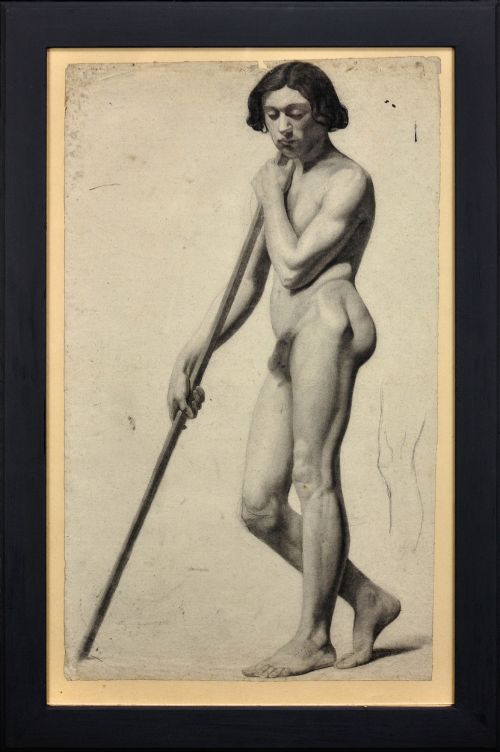


Victorian Paper Portrait
A victorian paper portrait captures individual likeness through delicate cut silhouettes, watercolours, and ink drawings framed for posterity.
Victorian Paper Portrait
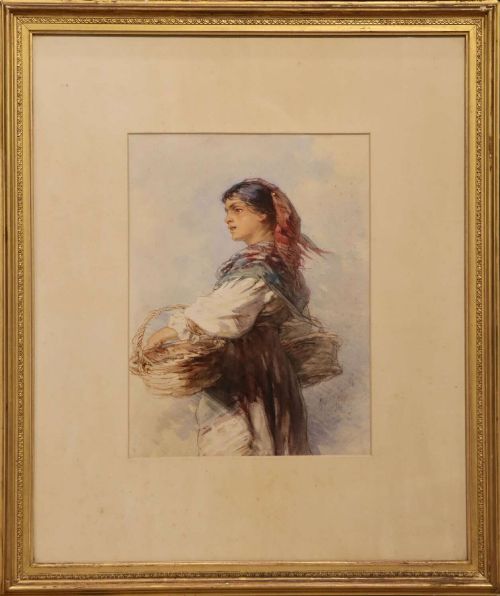
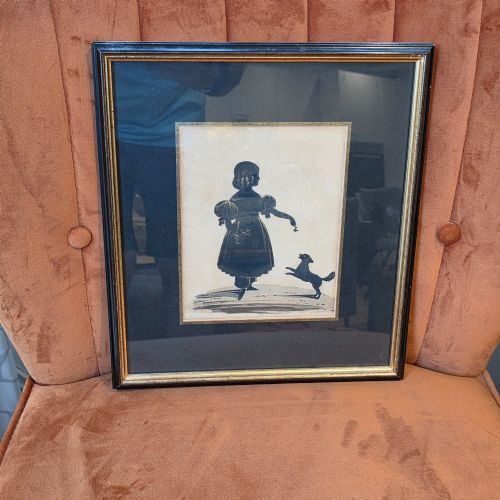
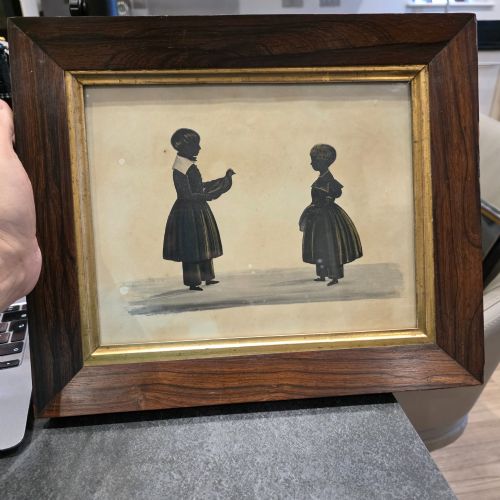
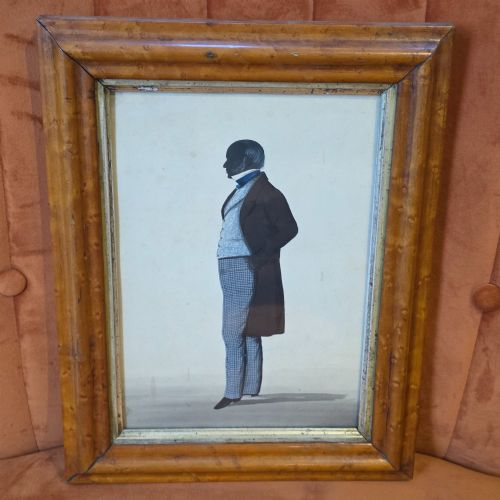
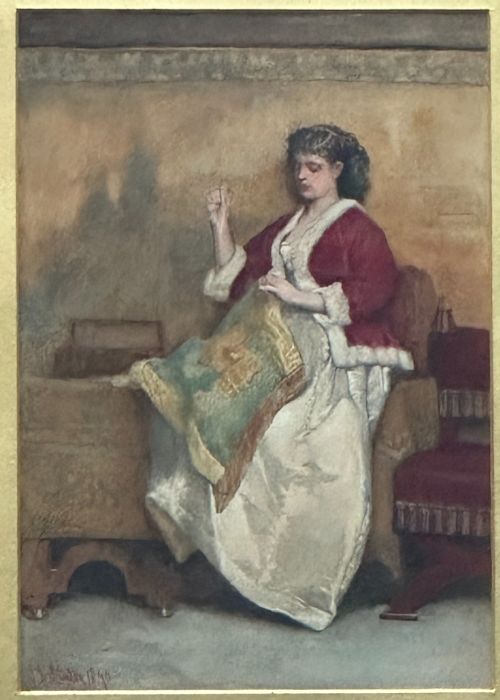
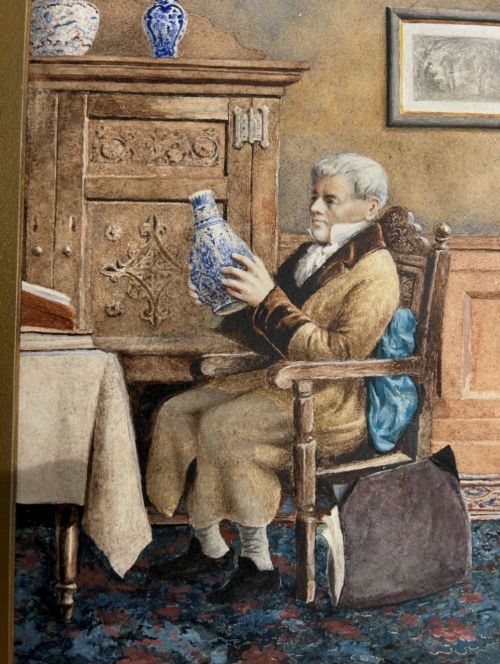
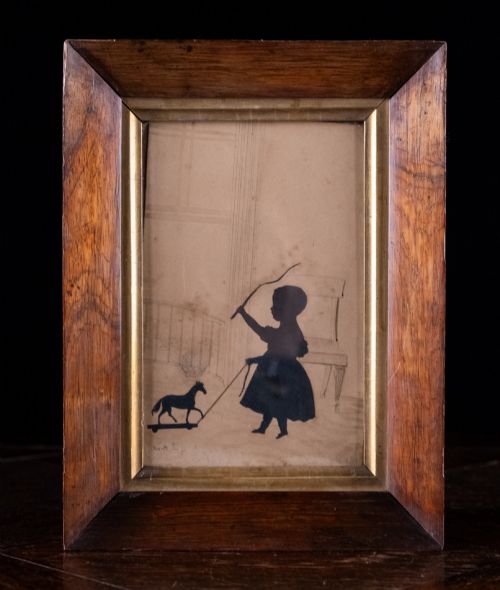
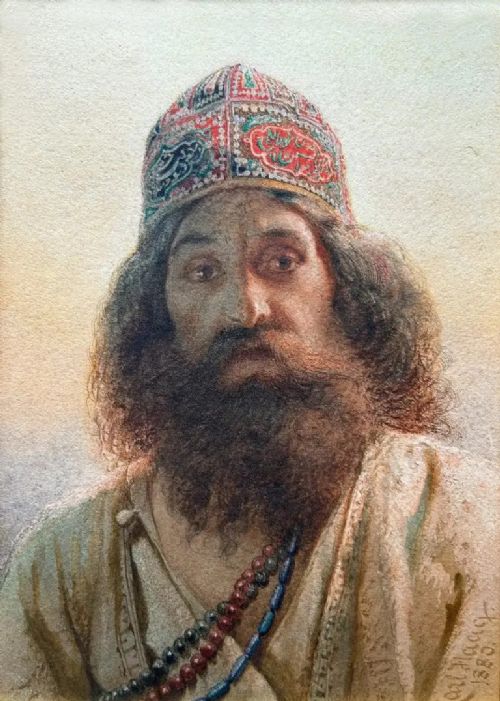
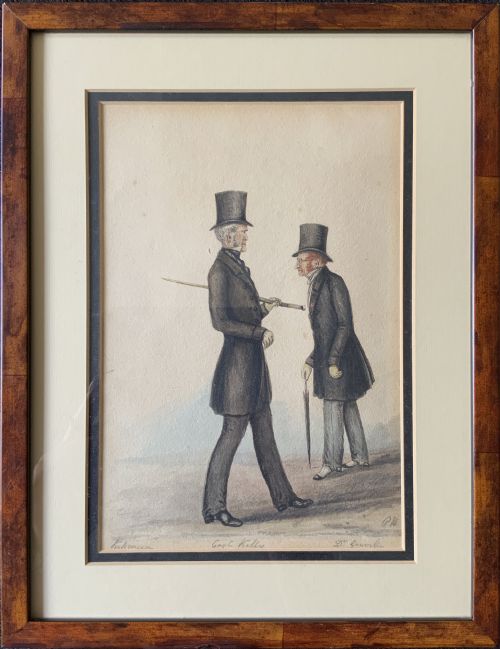
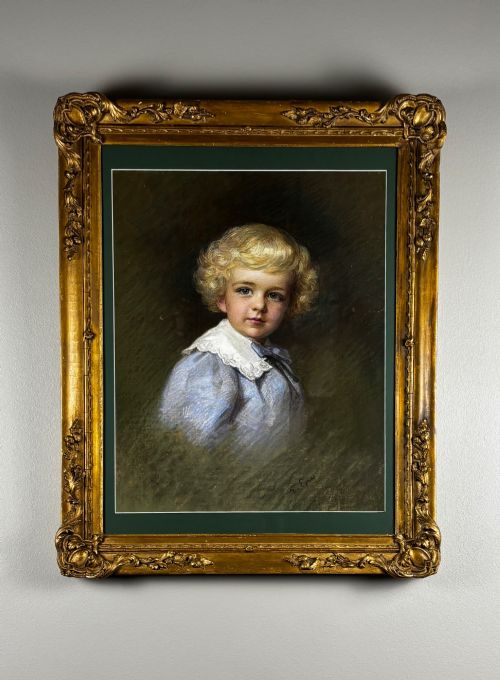
When you examine a victorian paper portrait, you encounter works executed on paper supports spanning watercolours, pencil sketches, and silhouette profiles. The pieces on this page range from mid-nineteenth century depictions of children and gentlemen to detailed genre scenes.
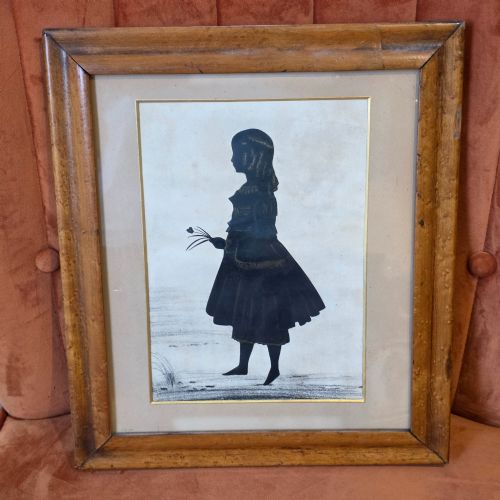
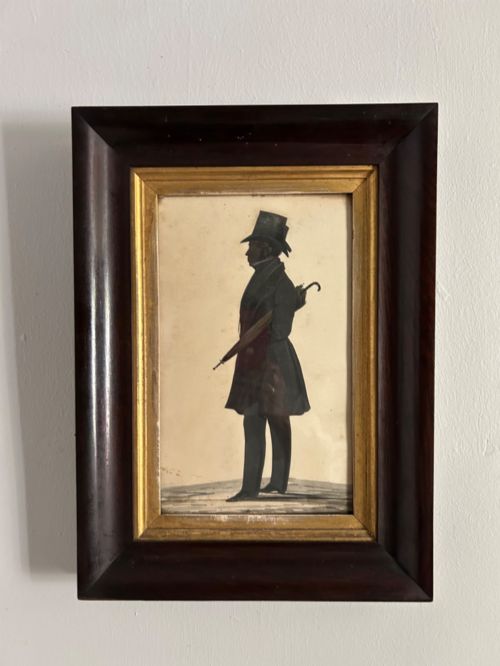
Profile silhouettes cut from black paper often originate from established studios like the Hubard Gallery or are attributed to notable practitioners such as Augustin Edouart and Frederick Frith. These shadow likenesses frequently appear alongside full-colour watercolours and gouache paintings depicting Victorian life.
The material expression stretches across various framed formats, including maple frames and glass protection. Subjects extend from individual family members to figures from literature and daily life, reflecting the breadth of nineteenth-century portraiture.
Materials and construction
Artists relied upon fine paper supports combined with watercolour pigment, ink, charcoal, and occasionally gold leaf or gouache to build depth and detail. Cut-paper silhouettes utilised precise hand-cutting techniques with scissors or knives, sometimes enhanced with delicate painted highlights.
Frames played an integral role in preservation, employing wood, glass, and paper mâché to protect fragile works from atmospheric moisture and physical damage. The combination of pencil underdrawings with watercolour washes defined the method for finished painted portraits.
Materials recorded across current works include paper, glass, wood, ink, gold leaf, and watercolour pigment.
Distinctions in craftsmanship
The distinction between standard examples and superior pieces rests upon the precision of the hand-cut silhouette lines or the fluidity of the watercolour brushwork. Works bearing attribution to recognised artists or established galleries generally demonstrate greater anatomical accuracy and composition.
Condition and originality dictate the standing of individual pieces, with undisturbed frames and clean paper supports elevating the overall integrity. The subtlety of expression and the crispness of silhouette profiles separate mass-produced prints from master executions.
William James Hubard·Augustin Edouart·Frederick Frith·Sir James Dromgole Linton·Henry Arthur Roberts
The Victorian Paper Portrait Glossary
- Silhouette
- A portrait profile filled in with a solid colour, usually black, created by cutting paper or painting. This form gained immense popularity during the eighteenth and nineteenth centuries before photography became widespread.
- Gouache
- An opaque water-based pigment that provides heavier coverage and brighter colour than traditional watercolour. Artists utilised this medium to add highlights and rich details to paper portraits.
- Watercolour
- A painting method where natural pigments are suspended in a water-based solution and applied to paper. It served as the primary medium for delicate Victorian portraits and landscapes.
- Mezzotint
- A printmaking process of the drypoint family that achieves tones and gradations rather than simple lines. This technique allowed printmakers to reproduce tonal portraits with remarkable fidelity.
- Gilt
- A thin application of gold leaf or gold paint applied to frames or artwork details. It provided decorative contrast and luminosity to nineteenth-century framing.
Victorian Paper Portrait: Frequently Asked Questions
How were paper portraits displayed in Victorian homes?
Victorian households typically displayed framed paper portraits on parlour walls, often clustered alongside silhouettes and smaller oil paintings to create domestic galleries. The inclusion of glass protected the fragile paper surfaces from household soot and handling.
Frames were selected to complement the dark tones of silhouettes or the soft hues of watercolours, frequently utilising maple wood or simple moulded timber. These portraits served as personal mementoes and family records passed down through generations.
How do you date a nineteenth-century paper portrait?
Dating relies upon costume details, hair styling, framing materials, and occasional artist signatures or dated inscriptions on the reverse. Examining the paper type and framing construction also offers clues to the era of production.
Written notes left by previous owners or labels from historical galleries provide definitive documentation for specific pieces. Stylistic shifts between Regency minimalism and late Victorian realism help narrow the timeline.
Are cut-paper silhouettes hand-made?
Traditional silhouettes from this period were cut entirely by hand using small scissors or specialised knives without preliminary tracing. Master practitioners worked with remarkable speed to capture likenesses directly from sitters.
Some later or commercial examples employed mechanical pantographs or stamped production methods, but superior examples display the subtle irregularities of individual hand-cutting.