





Victorian Botanical Wall Decor
These Victorian botanical wall decor pieces bring nineteenth-century natural history into modern rooms through framed prints, watercolours, and embroidered panels.
Victorian Botanical Wall Decor
When you search for victorian botanical wall decor, you encounter a range of nineteenth-century pieces focused on natural history and floral subjects. These items include framed prints, watercolours, engravings, and embroidered panels reflecting period interests.
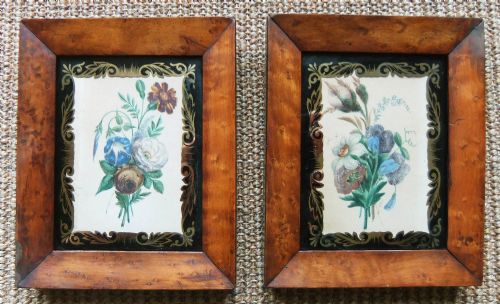
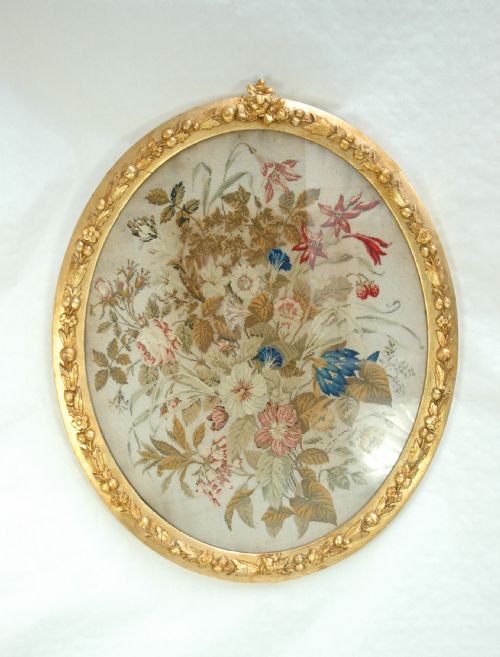
The selections available here lean heavily towards framed botanical specimens, insect engravings by John Curtis, and foliage plates from L’illustration Horticol. Oil paintings of flowers and oval tapestry pictures also appear among the wall art.
Originating from English and French traditions, these works span the nineteenth century, with particular representation from the eighteen-fifties and eighteen-eighties. They offer a direct link to period interior schemes, from country houses to chateaux.
How they were made
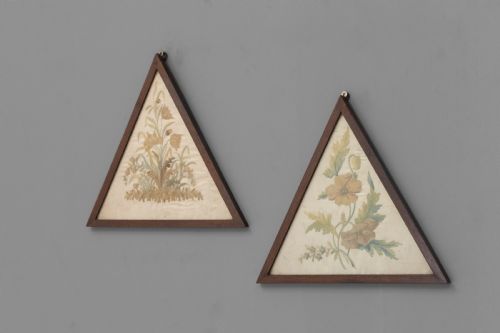
Makers utilised paper, silk, and velvet as grounds for illustrations, watercolours, and embroidered panels. Engravings and prints rely on careful hand-colouring and fine press work on nineteenth-century paper.
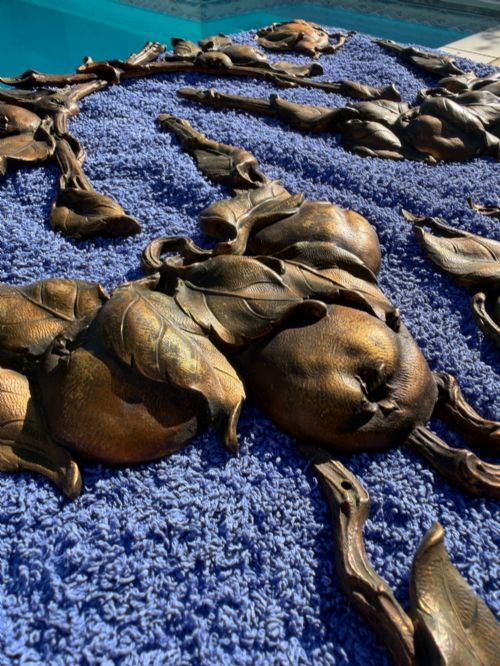
Framing materials include maple and other woods, often complemented by glass protection for delicate specimens and textiles. Gilt bronze appears in heavier decorative elements and furniture mounts associated with these decorative schemes.
Victorian Botanical Wall Decor Retail Price Guide 2026
Typical asking prices for victorian botanical wall decor among the pieces listed under this phrase on Sellingantiques today, from the lower quarter to the upper quarter. They describe what is for sale here now, not the wider market.
The listings span the nineteenth century, with specific pieces dated to eighteen-forty, eighteen-fifty, eighteen-eighty, and nineteen-hundred.
What varies in quality
The distinction between standard works and finer pieces rests on the precision of the execution and the reputation of the hand involved. Named artists and botanical illustrators such as John Curtis command closer attention for their detailed rendering.
Material preservation dictates overall character, particularly the condition of paper prints, silk embroidery, and original maple frames. Pieces retaining their integrity without heavy fading present a more complete historical record.
Poix Blin·John Curtis·Emily Selinger
The Victorian Botanical Wall Decor Glossary
- Engraving
- An image produced by cutting a design into a metal plate which holds ink for printing. This technique allowed for fine botanical detail in nineteenth-century plates.
- Watercolour
- A painting method using pigment suspended in water-based solution on paper. These were often produced as original studies of flowers.
- Gilt bronze
- Metal cast in bronze and treated with a gold-coloured finish. It provides ornamental weight to appliques and mounts.
- Applique
- A decorative fitting applied to a surface or frame. These elements frequently feature cast bronze ornamentation.
- Tapestry
- A form of textile art woven on a loom or worked by hand on canvas. Oval examples are seen in nineteenth-century wall hangings.
Victorian Botanical Wall Decor: Frequently Asked Questions
What subjects feature in these pieces?
The works primarily depict flowers, botanical specimens, insects, and foliage. Artists and illustrators recorded these natural history subjects with scientific and decorative intent.
Such imagery reflects nineteenth-century passions for cataloguing the natural world. These subjects suit studies, hallways, and living spaces aiming for a traditional botanical aesthetic.
How were these artworks originally displayed?
Nineteenth-century interiors incorporated botanical prints and watercolours into grouped wall displays. Matching pairs and sets were common for symmetry in drawing rooms.
Framing in maple or simple timber protected the paper and textile works. They hung alongside natural history specimens and landscape paintings in period homes.
How do I care for framed paper and textiles?
Keep these pieces away from direct sunlight to prevent the fading of watercolours, printed inks, and embroidered silks. Stable indoor humidity protects both paper grounds and wooden frames.
Glazing should remain intact to shield delicate botanical specimens and velvet panels from dust and atmospheric moisture. Handle heavy frames securely from the structure rather than the hanging wire.
How do I identify the period of a piece?
Nineteenth-century pieces display specific paper types, printing techniques, and framing styles characteristic of the era. Reference to known illustrators or publications helps narrow the date.
Stylistic cues such as French nineteenth-century mounts or English country house framing provide context. Construction methods in the wooden frames and backing boards offer further chronological clues.