

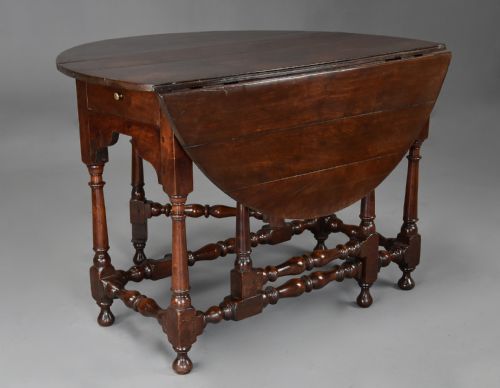
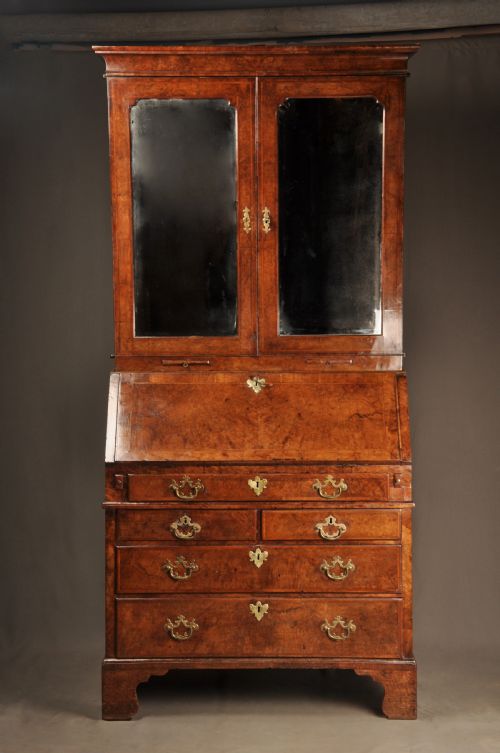
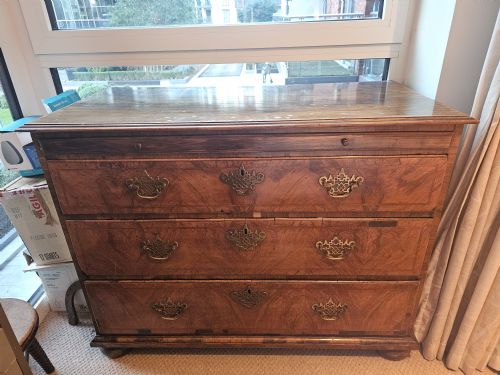
Early Georgian Walnut Furniture
Early georgian walnut furniture brings warmth and rich grain to a room through chests of drawers, desks, and lowboys built in the eighteenth century.
Early Georgian Walnut Furniture
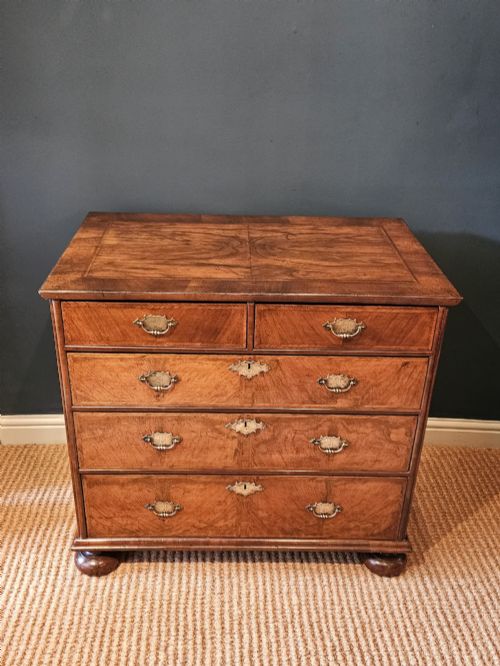
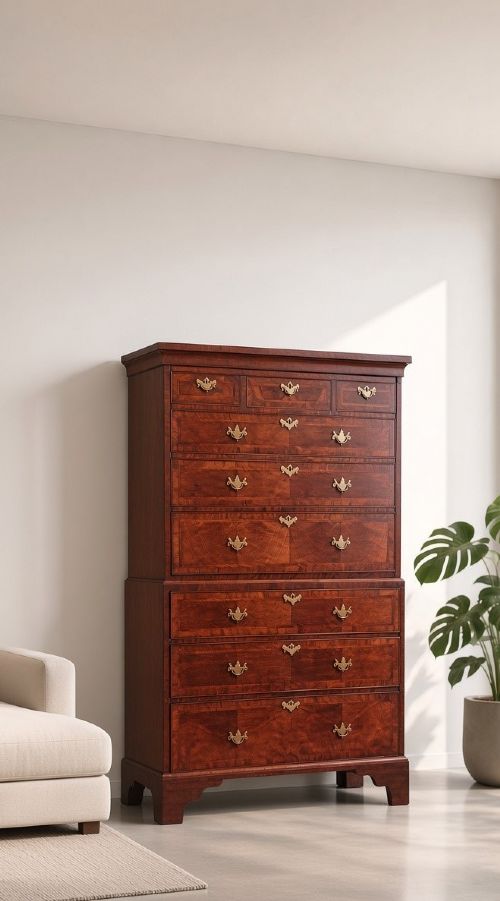
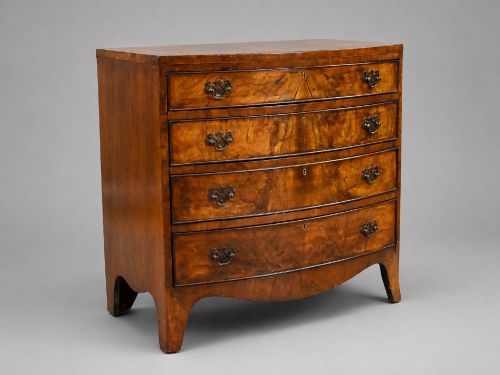
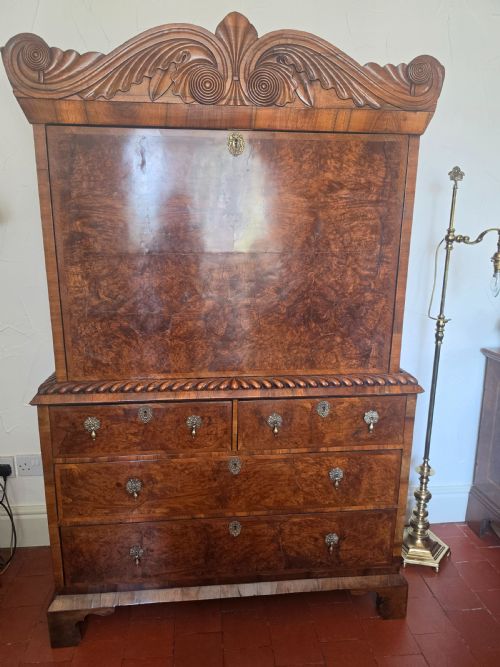
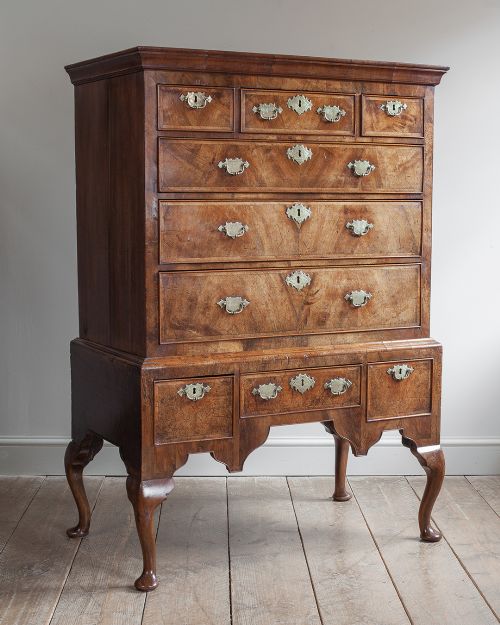
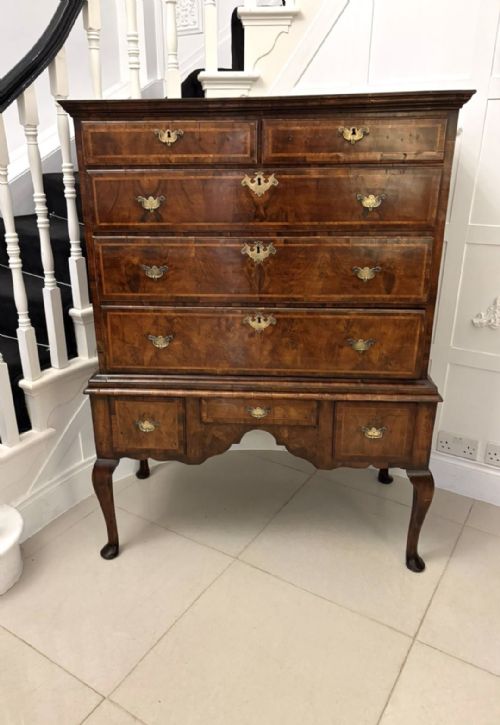
Early georgian walnut furniture comprises pieces made primarily during the reigns of Queen Anne and the early Georges, spanning the seventeenth, eighteenth, and nineteenth centuries. Buyers most frequently encounter chests of drawers, writing desks, and bureaus alongside smaller forms like lowboys and chests on stand.
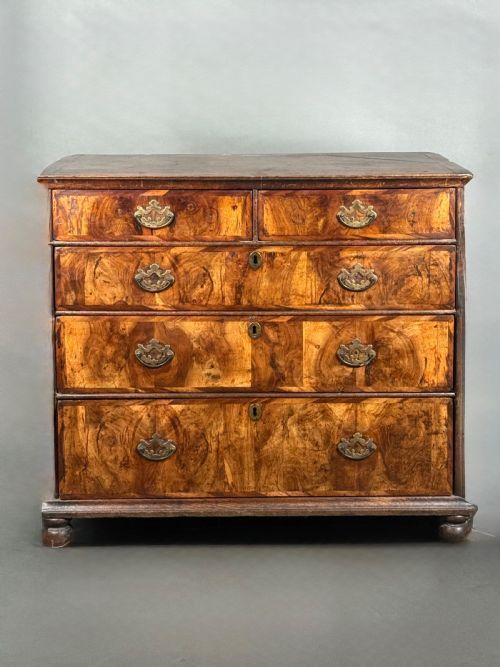
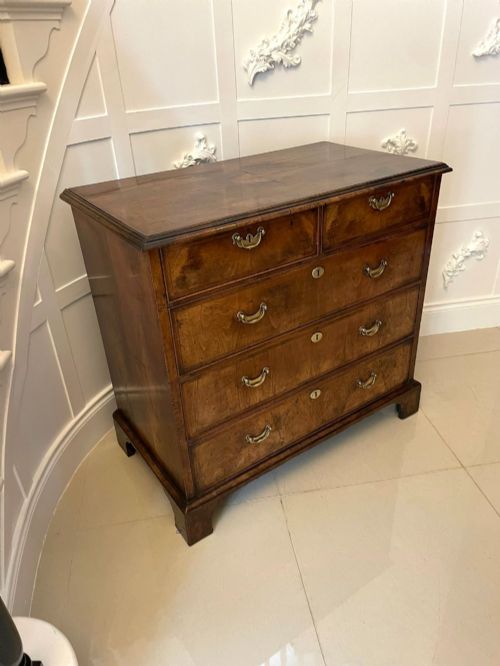
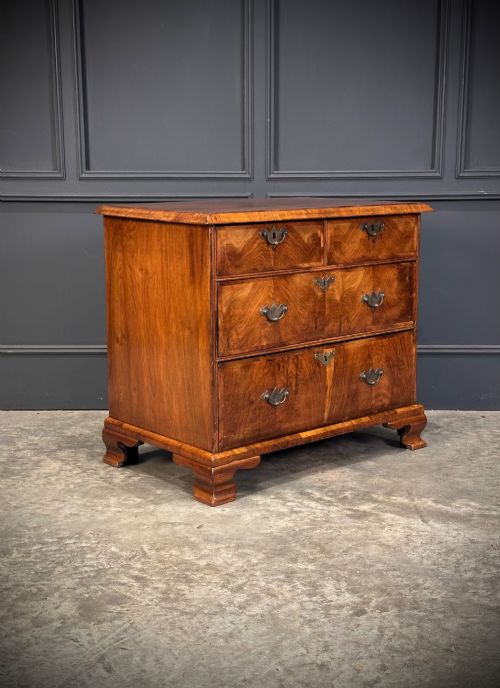
The material vocabulary centres on walnut, burr walnut, and figured walnut, often supported by oak carcass work and brass hardware. Cabinetmakers utilised veneers to create patterned surfaces on drawer fronts and writing slopes, reflecting the dominant styles of the period.
How They Were Made
Craftsmen built these pieces using solid timber and sliced veneers applied to secondary woods such as oak. Surfaces often display herringbone banding or feather-banded borders framing the figured grain of the walnut.
Hardware such as drop handles, escutcheons, and hinges were cast in brass and secured with hand-beaten pins. Ironwork appears on specific functional elements like bureau mechanisms and locking devices.
Listings span the seventeenth through to the twentieth centuries, incorporating oak, brass, and textile elements alongside walnut.
What Varies in Quality
The visual appeal depends heavily on the selection and matching of the burr or figured walnut veneers across the principal surfaces. Subtle decorative treatments like herringbone inlay demonstrate greater skill than plain timber construction.
Proportions and the retention of original surface finishes dictate the character of each piece. Untouched patination and unaltered drawer linings separate standard examples from finer works.
The Early Georgian Walnut Furniture Glossary
- Burr walnut
- A veneer sliced from walnut tree growths, producing swirling, intricate grain patterns. It was prized for cabinet fronts during the early eighteenth century.
- Lowboy
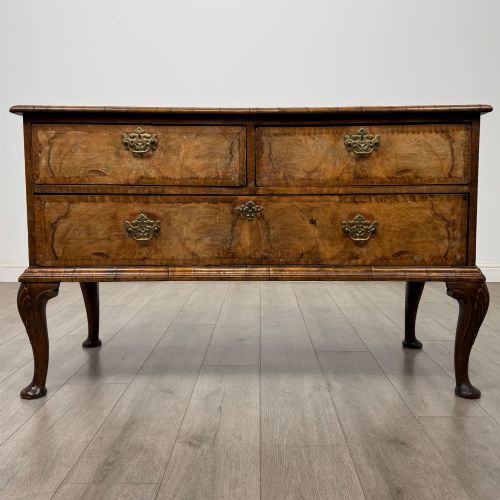
- A small side table with drawers, often supported on cabriole legs. These served as dressing or writing tables in period interiors.
- Escritoire
- A writing cabinet featuring a fall-front that conceals a collection of small drawers and pigeonholes. They provide compact storage for correspondence.
- Feather banding
- Narrow strips of veneer laid diagonally in opposing directions to form a chevron border. This technique frames drawer fronts on case furniture.
- Chest on stand
- A tall cabinet set upon an independent table base with legs. This form elevates storage space while maintaining a lighter footprint than a full wardrobe.
Early Georgian Walnut Furniture: Frequently Asked Questions
What defines early georgian walnut furniture?
These pieces date predominantly from the eighteenth century and feature walnut timber, often laid as figured or burr veneers over oak structures. Common forms include chests of drawers, bureaus, and lowboys.
Craftsmen utilised banding, brass hardware, and cabriole supports to shape the domestic interiors of the period.
How do I care for walnut furniture?
Keep wooden pieces away from direct sunlight and sudden temperature shifts to protect the underlying veneers from drying out. Regular dusting with a dry cloth maintains the surface.
Avoid modern chemical polishes and rely instead on traditional wax finishes to nourish the timber and preserve the patina.
Where were these pieces used originally?
Owners placed chests of drawers and escritoires in bedchambers and private studies for the storage of clothing and correspondence. Lowboys and side tables functioned as writing or dressing surfaces in principal rooms.
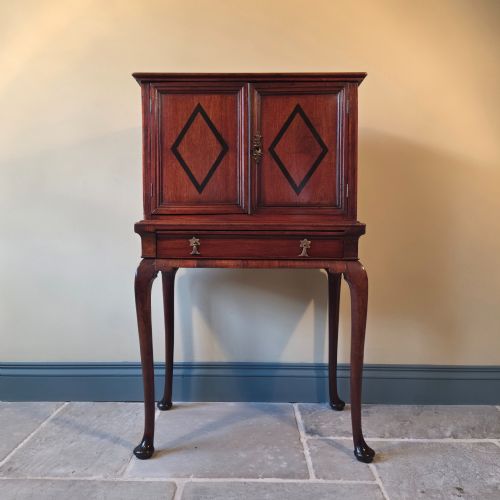
Cabinet on stand pieces provided secure storage for valuables in high-status domestic settings.
How can I tell period pieces apart?
Examine the secondary woods inside the drawers, such as oak, alongside the construction of the joints and drawer linings. Eighteenth-century examples display hand-cut dovetails and timber movement appropriate to their age.
Later revivals from the nineteenth and twentieth centuries often utilise different internal construction methods and machine-cut elements.