

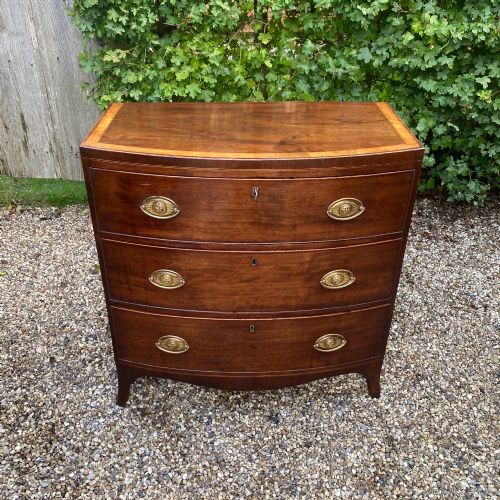
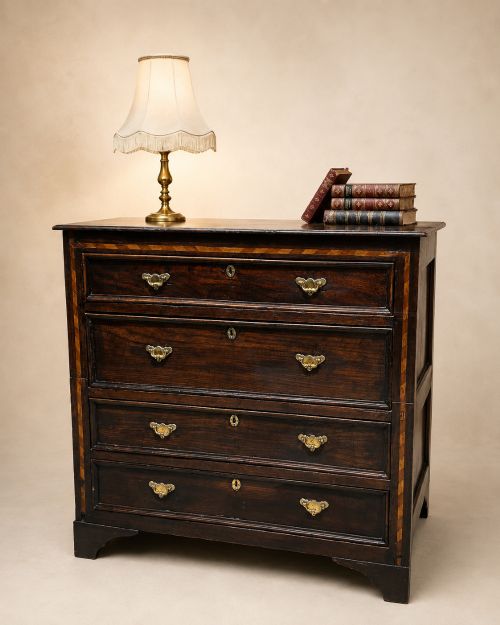
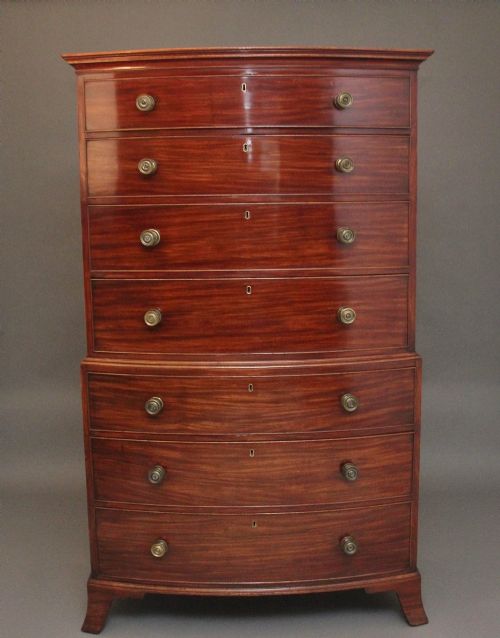
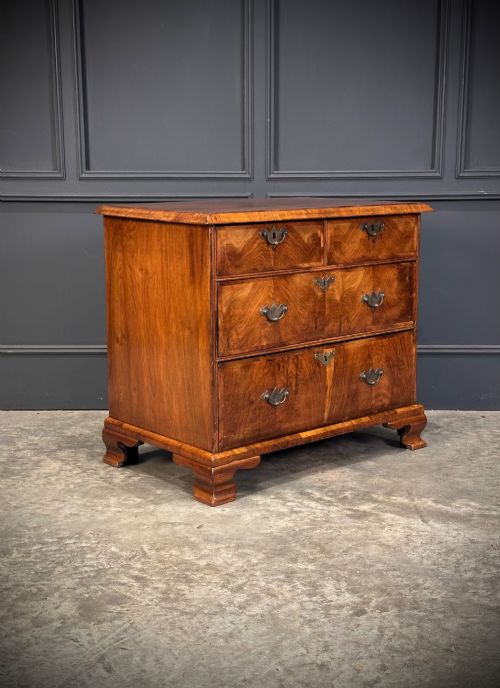
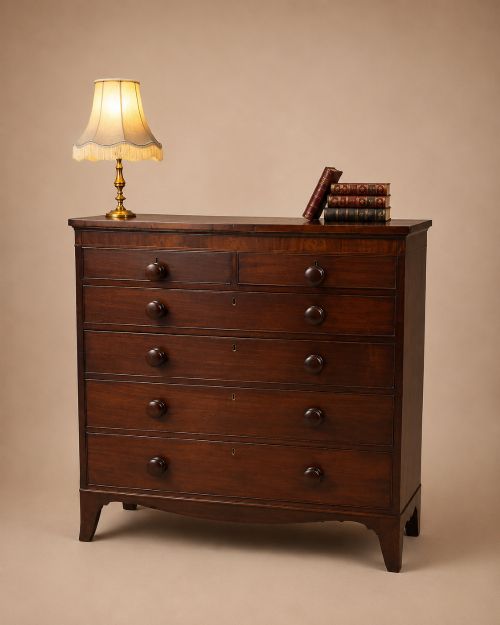
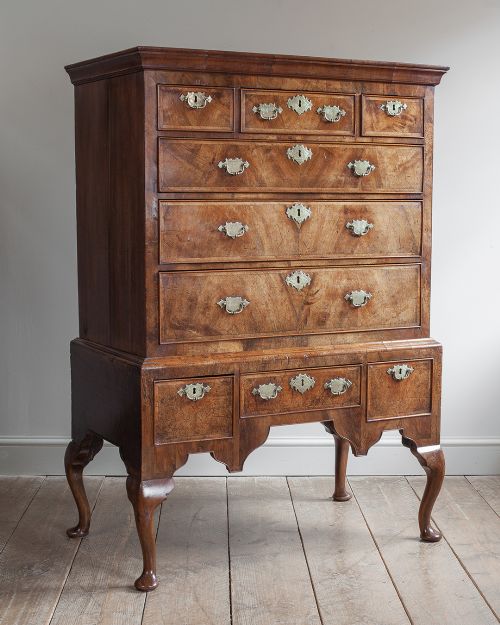
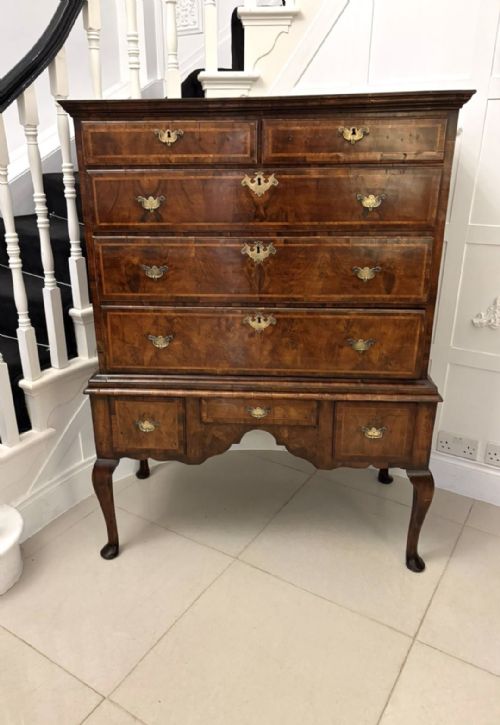
Early Georgian Tallboy
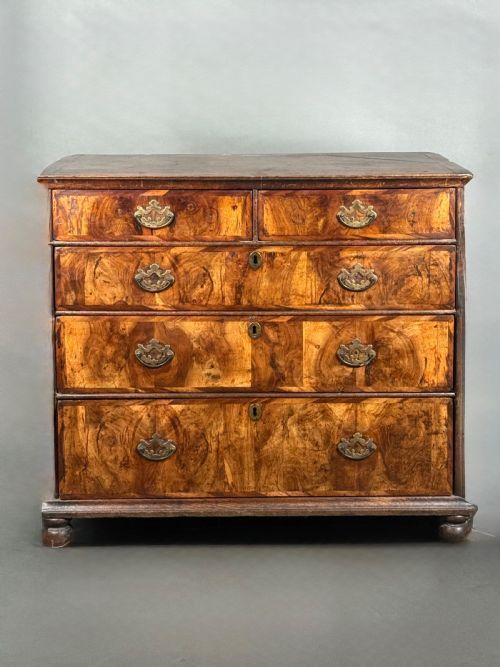
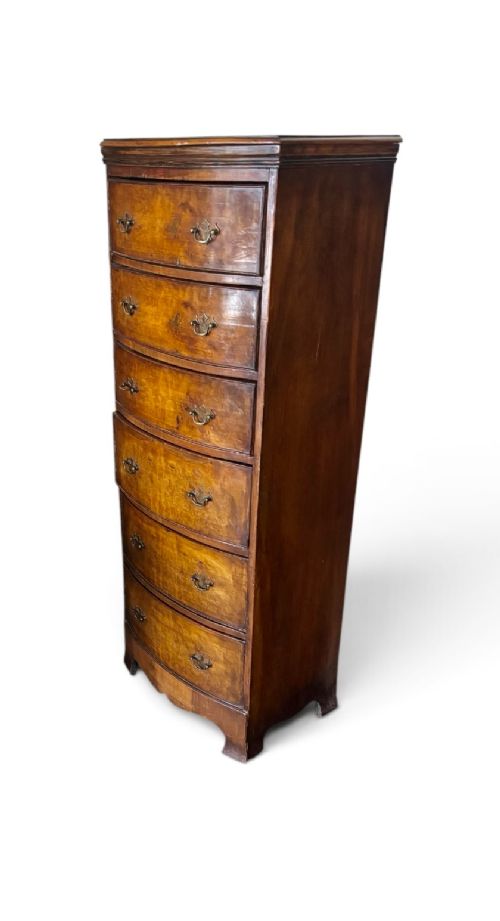
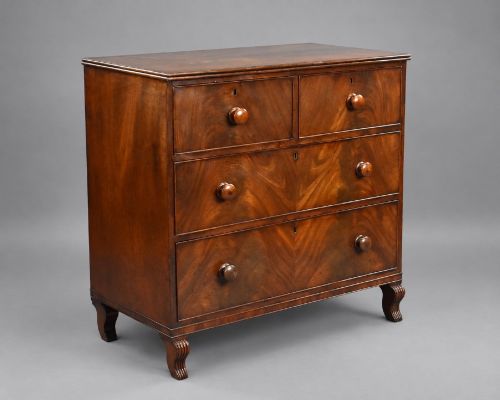
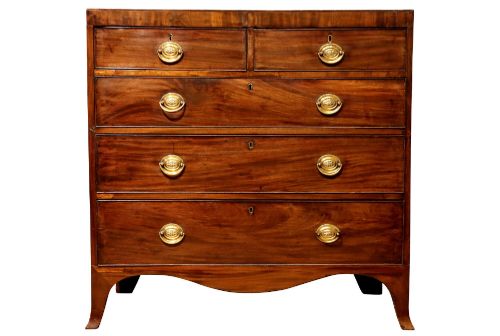
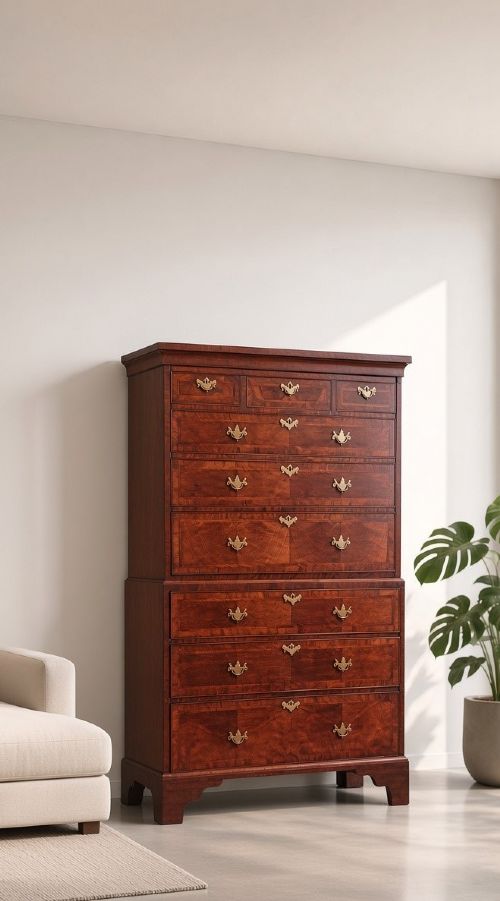
An early georgian tallboy brings soaring storage and rich timber grain to a room, offering towering utility that solved the clothes storage problem in eighteenth-century homes.
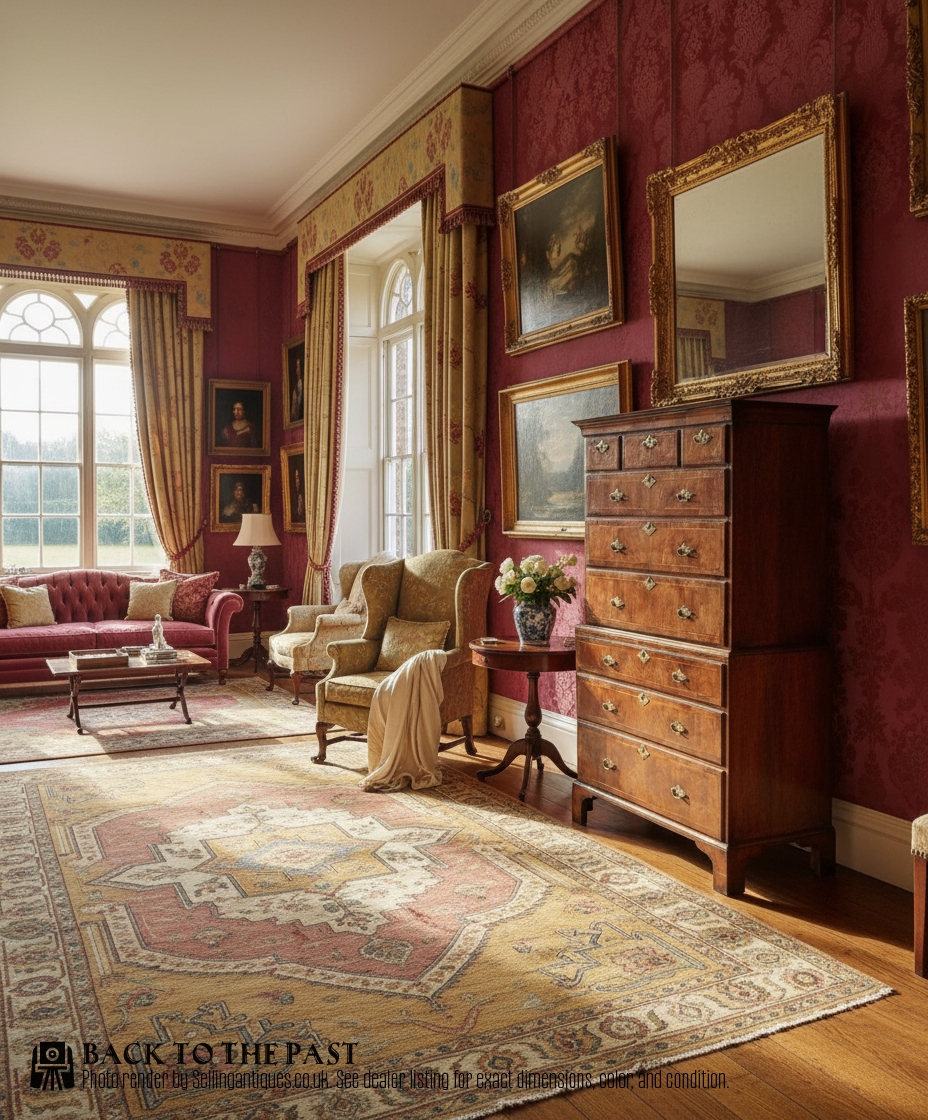
Early Georgian Tallboy
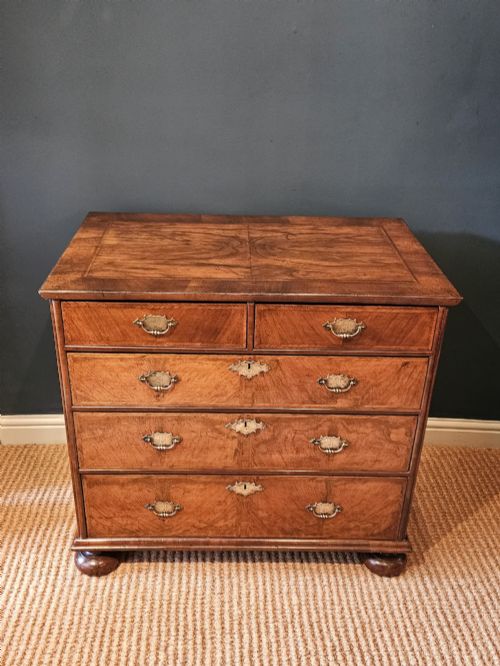
The versions met most frequently on this page include walnut and mahogany examples, alongside oak and elm variants, taking the form of tall chests, chests of drawers, and cabinets on chests. Makers of the period built these tall pieces in two separate sections to ease movement up narrow staircases, joining a wider lower base to a slightly narrower upper chest.
While the search targets the early Georgian era, survivors and later interpretations span the nineteenth century, Regency period, Victorian era, and early twentieth century. Buyers encounter everything from figured walnut and burr walnut models to flame mahogany veneer and painted wood pieces, reflecting the evolving tastes of successive decades.
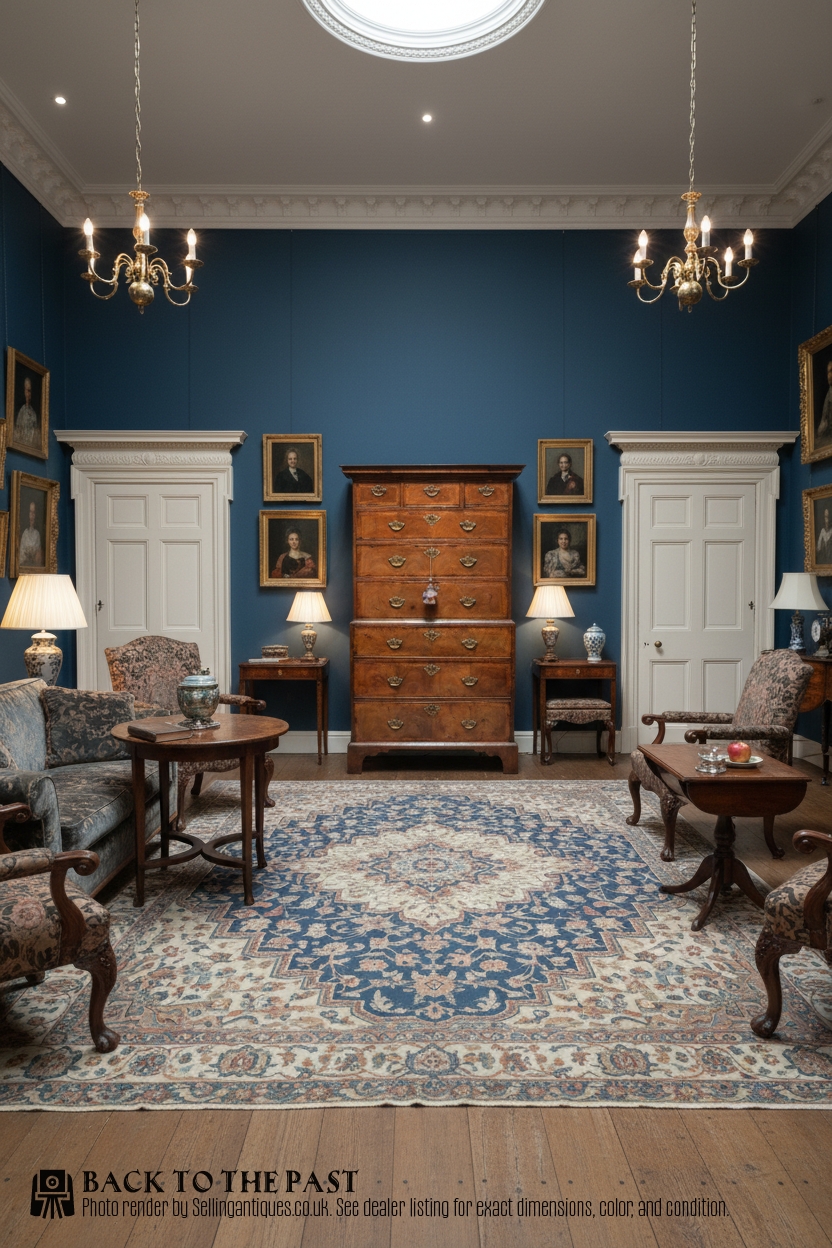
Materials and construction
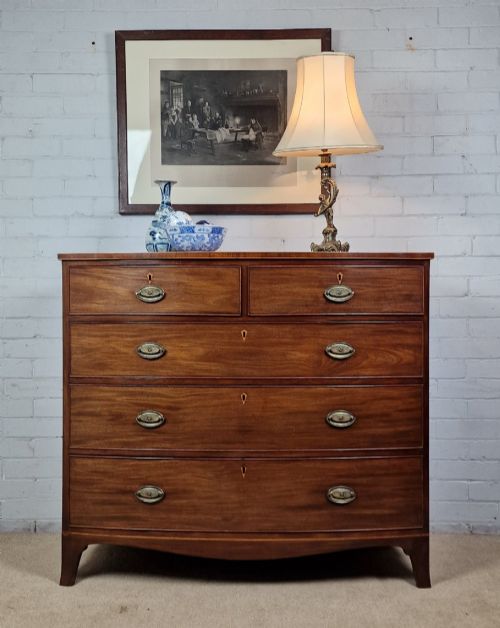
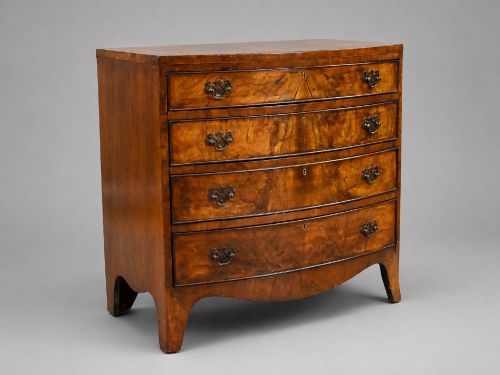
Cabinet makers relied heavily on walnut and mahogany, frequently selecting figured walnut, burr walnut, and flame mahogany veneer to wrap the primary carcases in striking decorative grain patterns. Secondary timbers like oak and pine provided sturdy internal framing and drawer linings.
Fine joinery defined the construction, utilising herringbone banded borders, feather-banded inlays, and delicate stringing to frame drawer fronts and top panels. Brass handles and escutcheons secured to the drawers added functional hardware that complemented the warm tones of the timber.
Early Georgian Tallboy Retail Price Guide 2026
Typical asking prices for early georgian tallboy among the pieces listed under this phrase on Sellingantiques today, from the lower quarter to the upper quarter. They describe what is for sale here now, not the wider market.
Some tallboys hide secret compartments tucked inside the upper frieze drawers, waiting quietly for generations of owners to discover them.
Factors of quality
Quality rests upon the choice of timber and the precision of the veneer work, where master cabinet makers selected highly figured burr walnut or rich flame mahogany to create symmetrical patterns across multiple drawer fronts. The crispness of cross-banding, herringbone inlay, and moulded cornices separates ordinary execution from superior craftsmanship.
Proportion and structural integrity dictate the standing of a piece, with finer examples maintaining slender heights and harmonious drawer graduations from top to bottom. The retention of original brass hardware, stable timber movement, and clean internal drawer construction further distinguish the highest tier of surviving pieces.
The Early Georgian Tallboy Glossary
- Tallboy
- A tall chest of drawers made in two sections, placing one cabinet or chest directly on top of another. This form rose to popularity in the eighteenth century to provide ample vertical storage.
- Chest on Chest
- An alternative name for a tallboy, describing two distinct chest sections joined vertically. The upper section is typically slightly narrower than the lower base.
- Chest on Stand
- A drawer chest raised upon an open frame with legs, offering a lighter visual footprint than a full floor-to-ceiling tallboy. These often date from the late seventeenth and early eighteenth centuries.
- Herringbone Banding
- A decorative inlay technique using small strips of veneer laid diagonally to form a V-shaped pattern, commonly bordering drawer perimeters on walnut furniture.
- Feather Banding
- A delicate inlay style using two strips of veneer cut to meet at a central line resembling a bird feather, used to outline drawer fronts.
Early Georgian Tallboy: Frequently Asked Questions
What is an early georgian tallboy?
An early georgian tallboy is a vertical storage unit consisting of a chest of drawers stacked upon a second base section. These pieces date primarily from the eighteenth century and provide significant drawer space within a compact floor footprint.
Cabinet makers designed them in two separate modules to facilitate transport within multi-storey homes. They stand as prominent examples of period joinery and timber selection.
How were tallboys used historically?
Households utilised tallboys primarily in bedrooms for storing folded garments, linens, and personal attire. Their elevated height provided far greater capacity than standard low chests without consuming additional floor space.
The upper drawers accommodated smaller items and daily wear, while the deeper lower drawers held bulkier textiles and bedding.
How do I identify walnut periods?
Walnut furniture from the early eighteenth century often displays rich figuring, cross-banded borders, and herringbone inlay. Pieces from the Queen Anne and George I eras favour warm honey and rich brown tones with distinct grain patterns.
Later nineteenth-century and twentieth-century revivals tend to exhibit different internal construction methods and standardised hardware fixings. Examining the secondary timbers inside drawers helps clarify the actual period of manufacture.
Can I fit a tallboy in a modern room?
Tallboys suit modern rooms well because their vertical orientation maximises storage capacity while demanding minimal floor space. They fit comfortably in bedrooms, hallways, or living spaces where horizontal surface area is limited.
Buyers should measure ceiling heights carefully before placement, as these towering chests require adequate clearance beneath light fittings and cornices.