

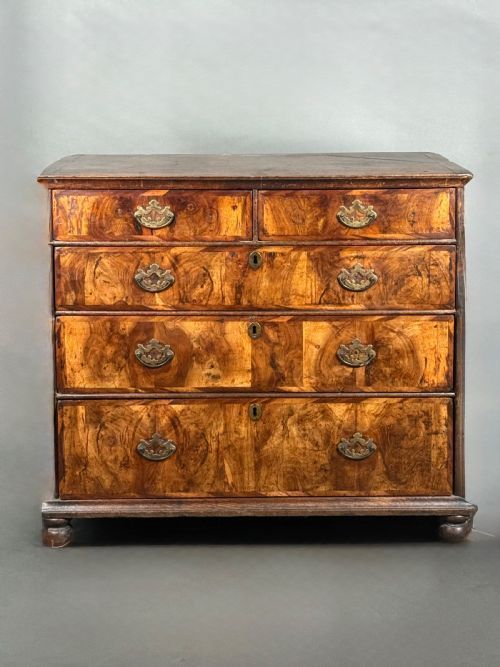
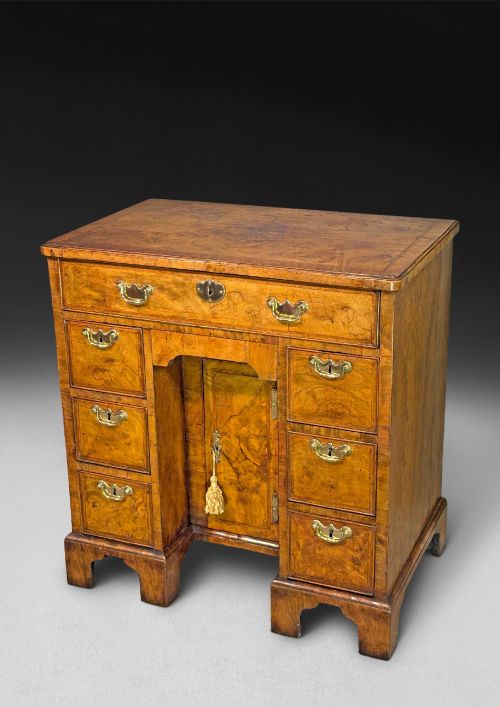
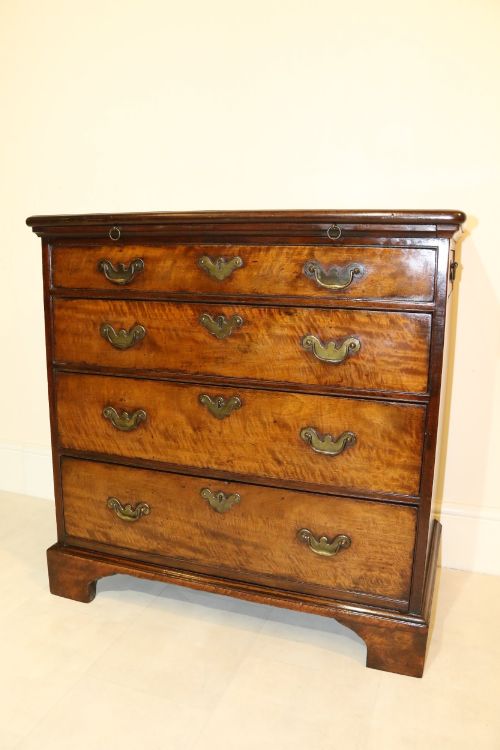
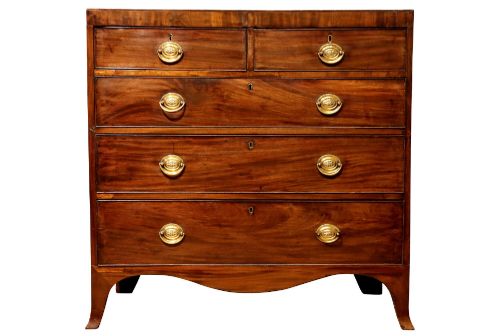

Early Georgian Bureau
An early georgian bureau provides a drop-front writing surface above drawers, combining refined cabinet-making with domestic practicality.
Early Georgian Bureau
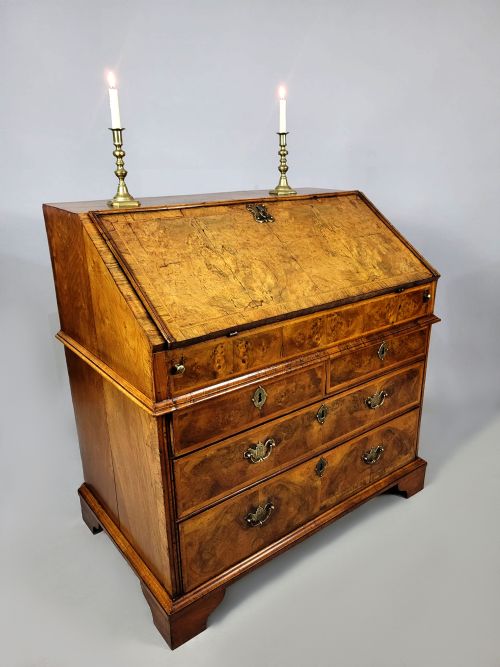
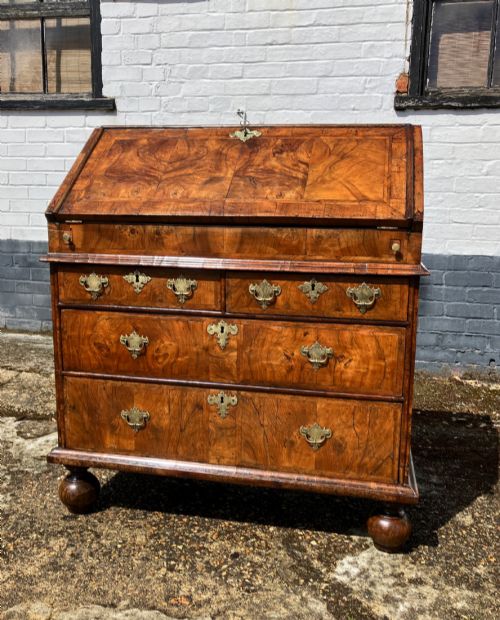
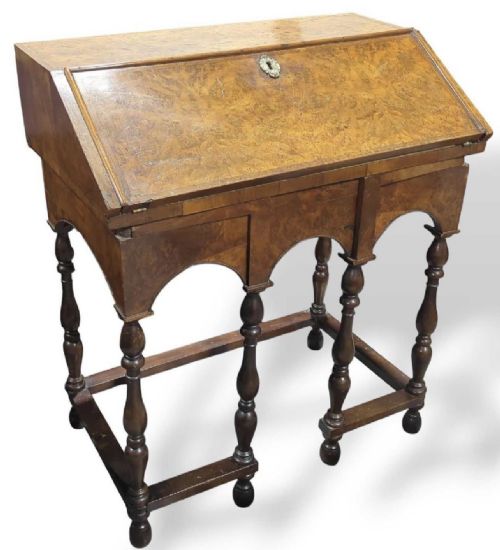
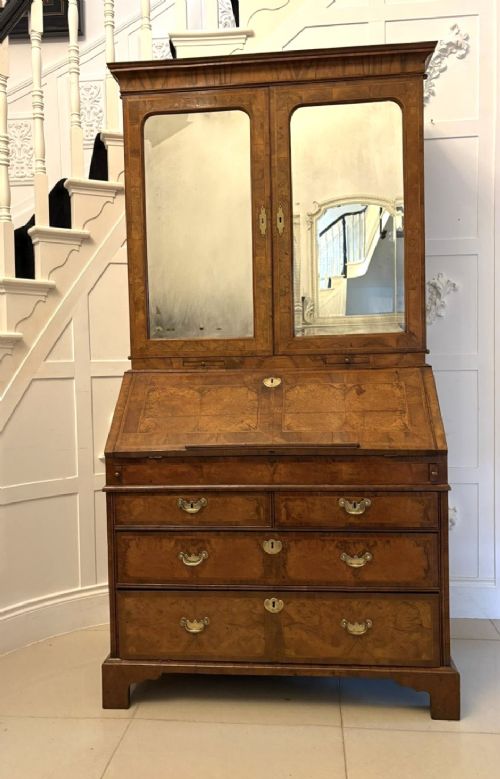
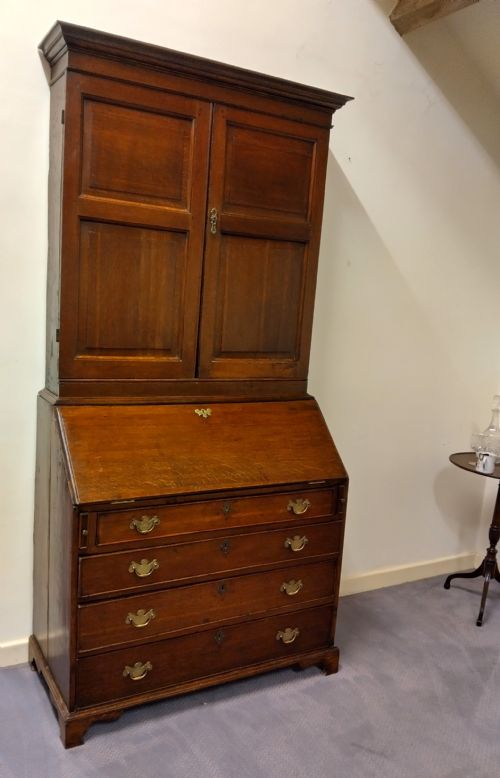
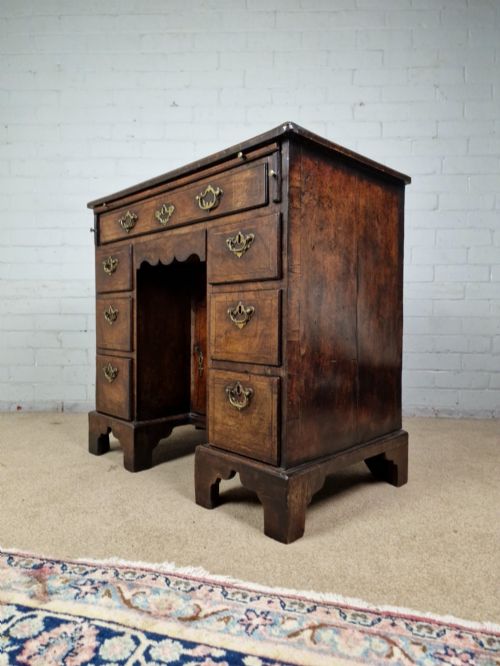
An early georgian bureau typically consists of a fall-front desk enclosing a fitted interior of small drawers and pigeonholes, standing on bracket feet or a dedicated frame.
The form bridges the gap between a portable writing box and a full-scale secretary, developing during the reigns of Queen Anne and George I into a sophisticated household fixture.
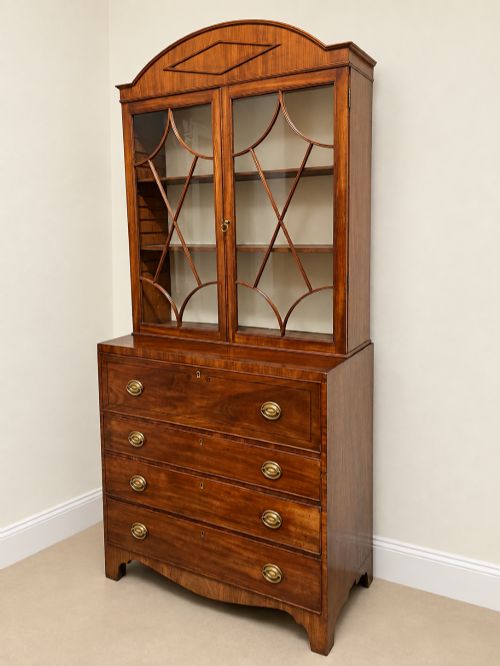
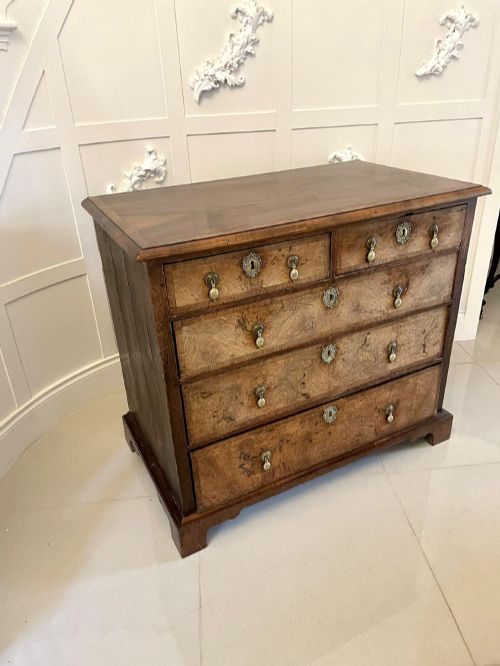
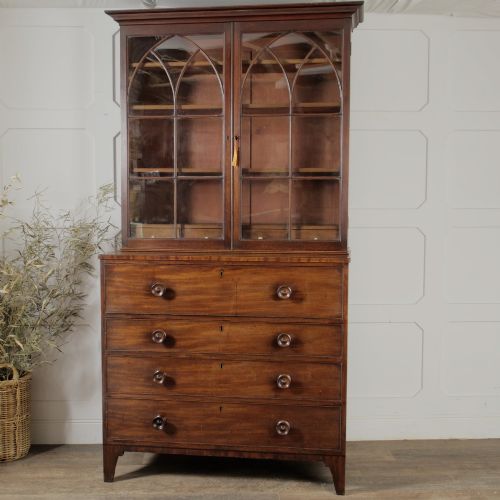
Examples on this page draw from 18th-century periods, utilising traditional oak, walnut, and mahogany timbers shaped into compact writing furniture.
Materials and construction
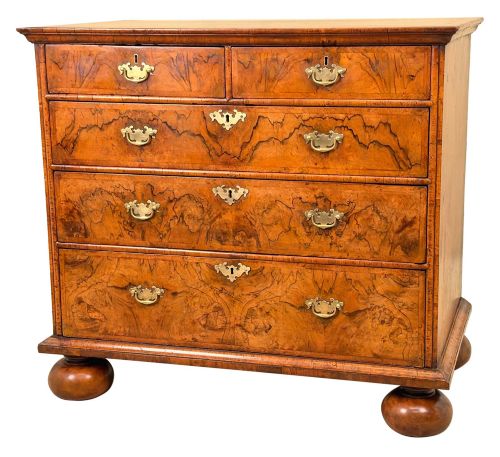
Cabinet-makers utilised solid timbers of oak, elm, and fruitwood for structural integrity, applying figured walnut and mahogany veneers to principal exterior surfaces.
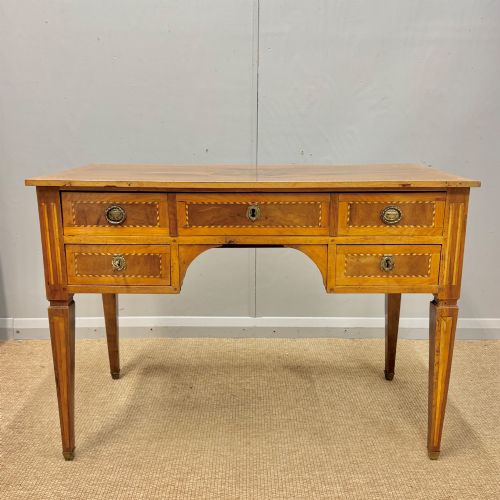
Fine pieces incorporate decorative techniques such as cross-banding, herringbone inlay, and feather-banding to frame drawer fronts and fall-front panels.
Original brass drop handles, escutcheons, and internal ironwork complete the construction, secured with dovetail joints on the drawer construction.
Early Georgian Bureau Retail Price Guide 2026
Typical asking prices for early georgian bureau among the pieces listed under this phrase on Sellingantiques today, from the lower quarter to the upper quarter. They describe what is for sale here now, not the wider market.
Several items retain hidden compartments designed for safeguarding private letters and coin purses from household staff.
What separates examples
Quality rests upon the selection of timber veneers, where highly figured burr walnut or flame mahogany commands greater visual depth than plain native woods.
The complexity and preservation of the internal fitments - including secret compartments, sliding wells, and pigeonhole tiers - distinguish high-end commissions from standard pieces.
Originality of surface finish, feet, and brass hardware dictates historical integrity, separating unaltered examples from those with replaced sections.
The Early Georgian Bureau Glossary
- Fall-front
- A hinged writing flap that pulls down to create a horizontal desk surface. It conceals the internal compartments when closed.
- Escritoire
- An alternative term for a writing cabinet or bureau. These tall pieces often feature a fall-front over multiple drawers.
- Herringbone
- A decorative inlay pattern arranged in V-shaped rows. Craftsmen used thin strips of contrasting wood to border drawer fronts.
- Kneehole
- A recessed space beneath a desk top for the user's legs. Small drawers usually flank this central opening.
- Feather-banding
- A delicate banding technique utilising diagonally cut veneers. It creates a feathered border around panel edges.
Early Georgian Bureau: Frequently Asked Questions
What is an early georgian bureau?
An early georgian bureau is a wooden writing desk featuring a hinged flap that opens for correspondence. Inside, smaller compartments organise writing materials and documents.
Beneath the writing surface, multiple drawers provide general storage. These pieces date principally from the early 18th century during the reigns of Queen Anne and George I.
How were these desks used historically?
Householders used these desks for managing correspondence, household accounts, and personal records. The drop-front provided a clean surface for writing letters.
Secret compartments inside stored valuables and sensitive documents. When closed, the fall-front kept ongoing paperwork out of sight in the parlor or study.
How do walnut and oak bureaus differ?
Walnut bureaus typically feature decorative veneers like burr walnut, herringbone inlay, and cross-banding. Cabinet-makers used walnut for fashionable urban furniture during the early 18th century.
Oak bureaus were constructed as sturdier, often plainer pieces for country houses and provincial use. Oak examples rely on the natural grain of the timber rather than applied veneers.
How do you integrate one into a modern room?
A bureau serves well as a compact workspace in a living room or bedroom. The drop-front closes shut at the end of the day to hide laptops and papers.
Internal compartments hold modern stationery, keeping surfaces clear. The warm tones of walnut and mahogany complement both traditional and contemporary interiors.