

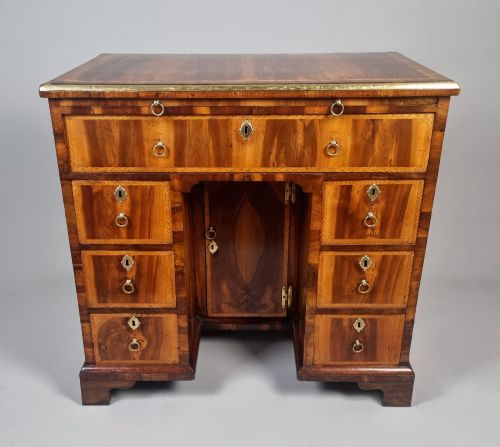
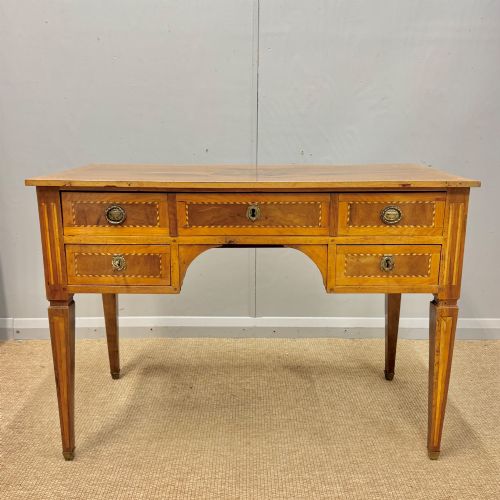
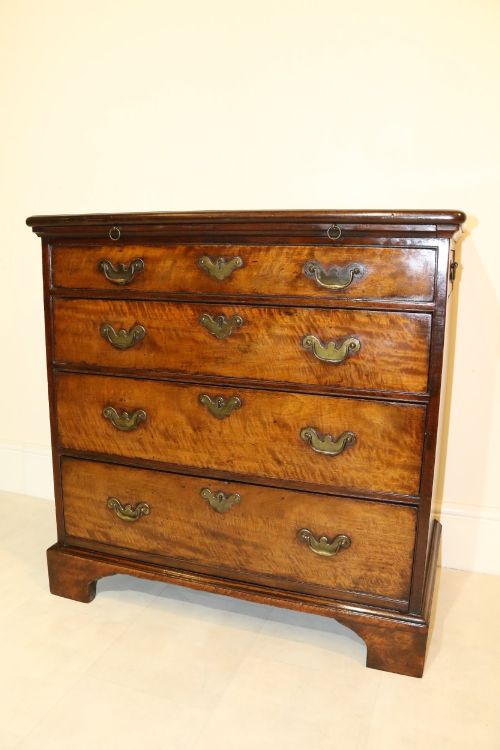
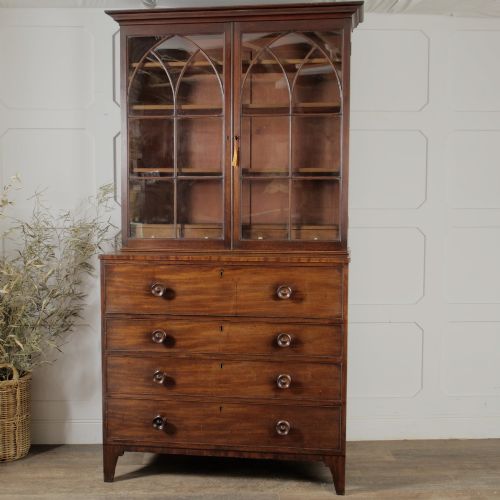

Early Georgian Bureau Desk
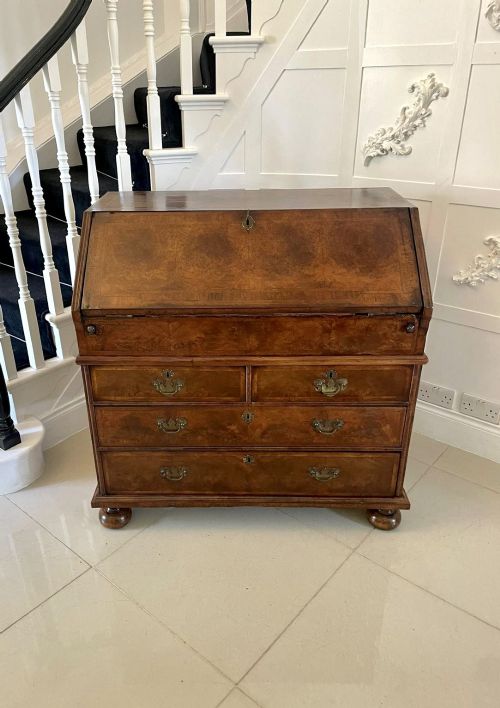
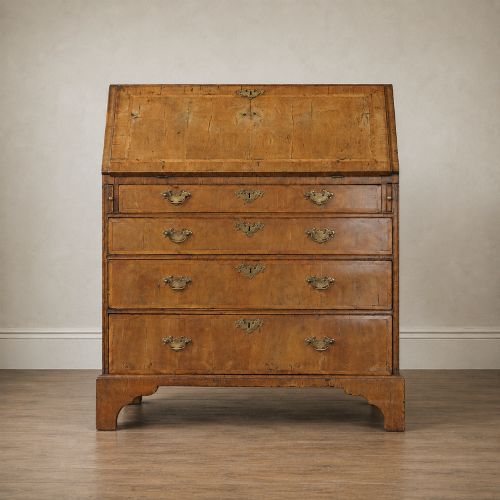
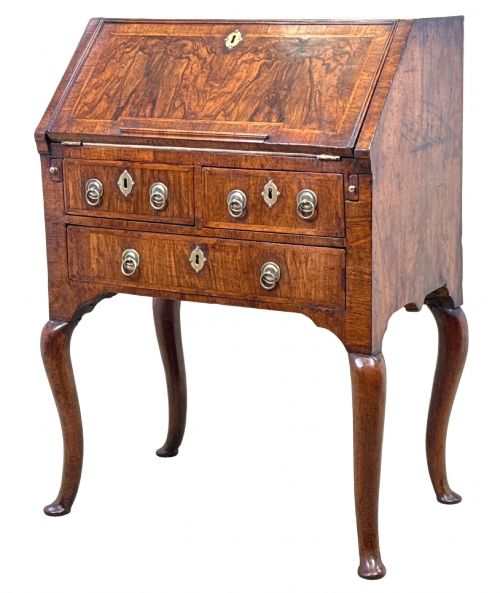
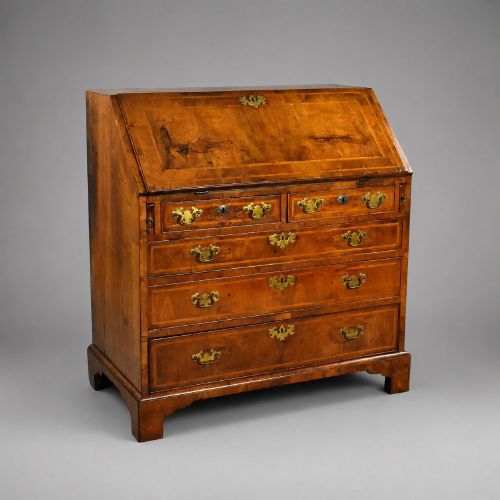
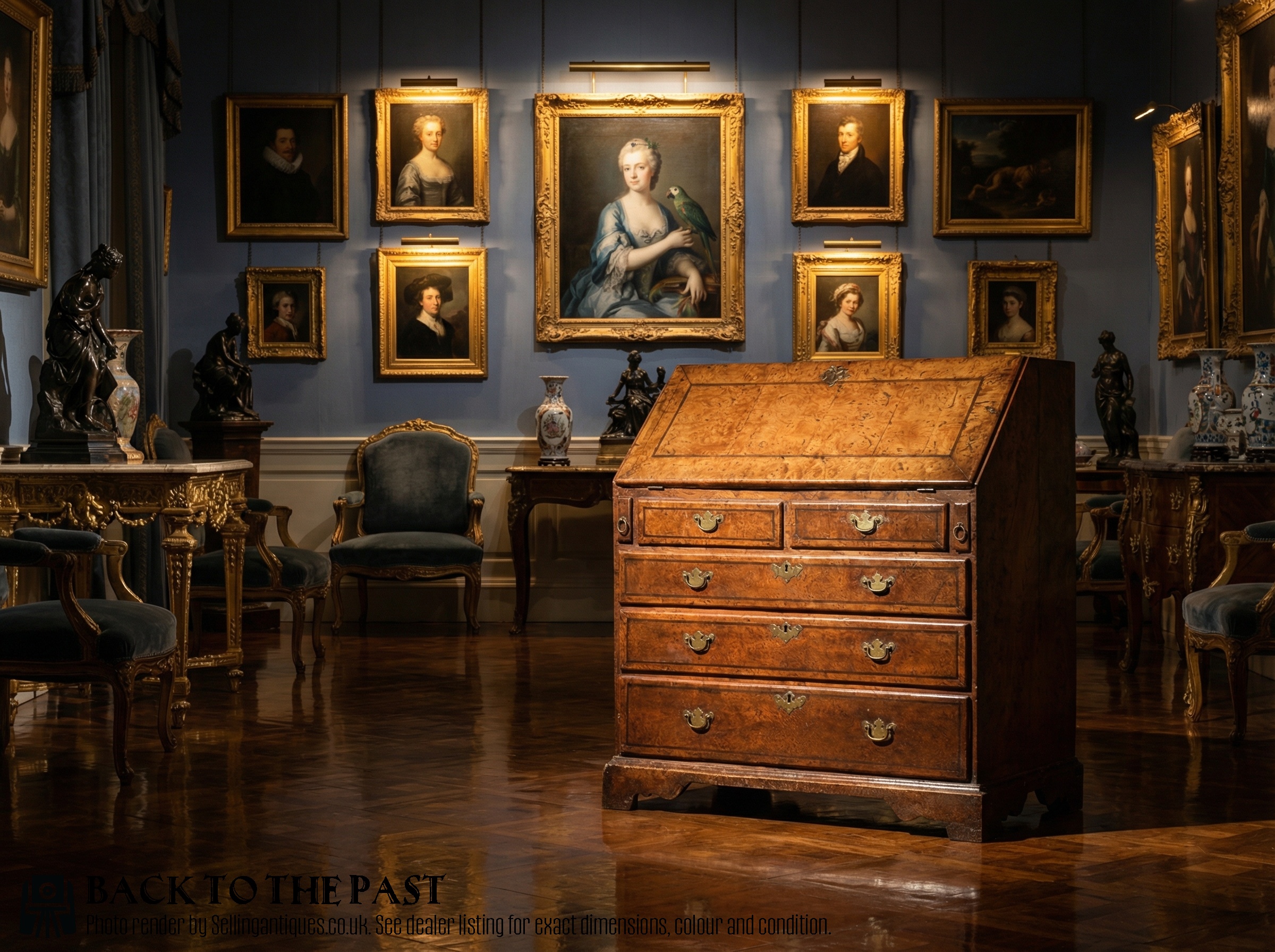
An early georgian bureau desk is a domestic writing piece designed with a sloping fall front, combining hidden internal drawers with sturdy timber construction.
Early Georgian Bureau Desk
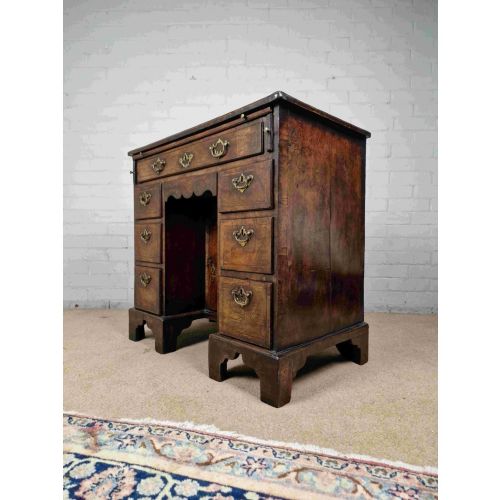
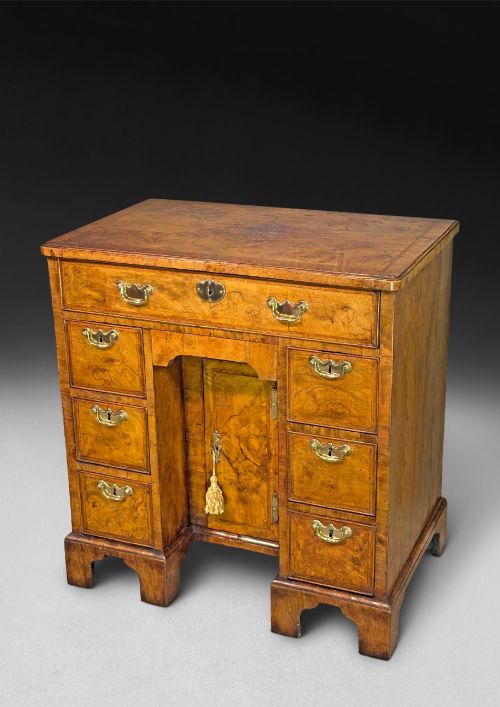
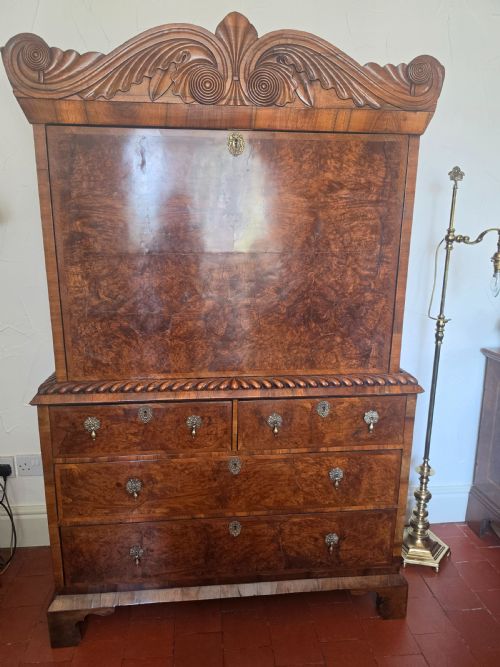
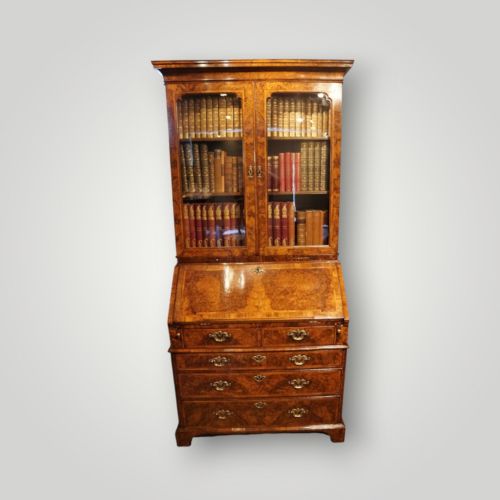
The early georgian bureau desk category encompasses fall-front writing desks, bureaus, bureau bookcases, and escritoires dating predominantly from the eighteenth century. Buyers frequently encounter walnut and oak examples belonging to the George I and George II periods, alongside related kneehole desks and writing chests.
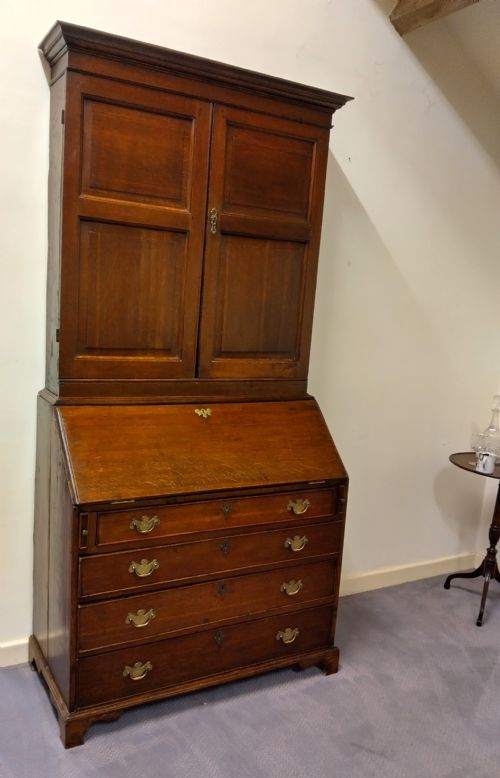
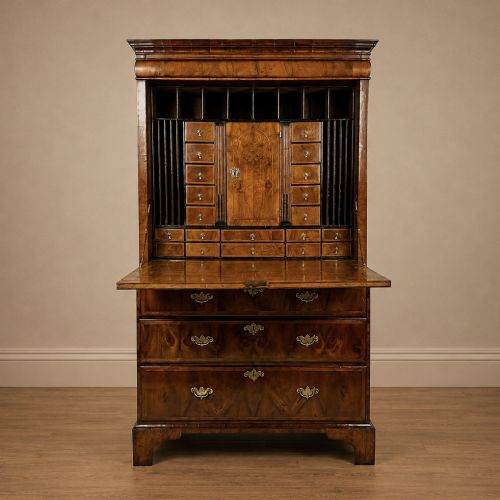
Makers of these items designed them primarily for domestic correspondence and estate management, incorporating fitted interiors with pigeonholes and small drawers behind the sloping fall. Pieces range from compact walnut cabinets on legs to large two-part bureau bookcases featuring glazed upper sections.
Materials and Technique
Cabinetmakers utilised dense native hardwoods, turning principally to walnut, burr walnut, and oak, with occasional use of yew wood, elm, fruitwood, and mahogany. These timbers were selected for their grain and figure, often enhanced through decorative herringbone inlay or marquetry.
Construction methods relied on solid timber carcases and dovetailed drawer construction, complemented by brass handles, escutcheons, and ironwork. Glazed upper sections in larger bookcases utilised timber framing to hold individual panes of glass securely.
Judging Quality
Quality in an early georgian bureau desk rests on the choice of timber figure, such as the richness of figured burr walnut veneers, and the integrity of the original brasses and ironwork. Superior examples retain their fitted interior compartments and candle slides intact without significant timber replacement.
Proportion and execution distinguish finer pieces from simpler ones, visible in the precision of dovetails, the subtlety of herringbone inlay, and the retention of original surface patination developed over centuries.
The Early Georgian Bureau Desk Glossary
- Bureau
- A writing cabinet featuring a sloping fall-front lid that opens to reveal a fitted interior of small drawers and pigeonholes. This form provides a concealed writing surface when closed.
- Escritoire
- A tall writing cabinet or desk, often synonymous with an escritoire bureau, combining a fall-front writing flap with upper shelving or drawers. These tall pieces maximise storage capacity in principal rooms.
- Fall front
- The hinged sloping board of a desk that drops down to form a horizontal writing surface. It rests on lopers or support arms pulled out from the cabinet frame.
- Herringbone inlay
- A decorative wood banding technique where small veneers are arranged in a V-shaped pattern resembling fish bones. Cabinetmakers used this detail to border drawer fronts and panel edges.
- Kneehole desk
- A compact flat-topped writing table featuring a central recessed cupboard flanked by banks of small drawers. Users sit directly before the kneehole space while writing.
Early Georgian Bureau Desk: Frequently Asked Questions
What is an early georgian bureau desk?
An early georgian bureau desk is a wooden writing cabinet dating from the eighteenth century, featuring a sloping fall-front lid that conceals internal compartments.
These pieces served as private workspaces for household accounts and letters, combining lockable storage with a functional writing slope.
How do I identify a George I bureau?
George I bureaus typically exhibit figured walnut veneers, herringbone banding, and compact proportions often raised on bracket feet or short legs.
Interior compartments frequently include stepped drawers, secret compartments, and pigeonholes arranged around a central cupboard door.
What is the difference between a bureau and an escritoire?
A bureau generally relies on a sloping fall-front lid to cover its writing surface, whereas an escritoire often utilises a vertical drop-front panel.
Escritoires also tend to present a taller, more upright cabinet elevation compared to the lower profile of standard bureau desks.
Where should I place a bureau desk at home?
A bureau desk suits living rooms, studies, or hallways where its compact footprint and enclosed writing surface keep papers out of sight.
Positioning the piece away from direct sunlight and heat sources protects the fragile walnut or oak veneers from drying out.