



Early English Pottery
Early english pottery brings together centuries of earthenware, delftware, and pearlware from domestic workshops and factories.
Early English Pottery
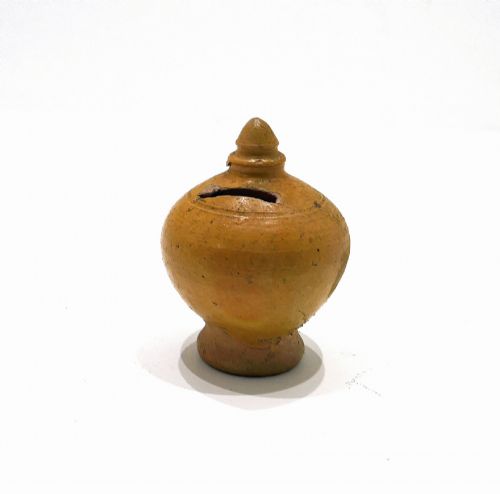
When you search for early english pottery, you encounter domestic vessels and figures spanning from the seventeenth century through the georgian era and into the early twentieth century. The selection encompasses utilitarian items like jugs, money boxes, and cheese stands alongside decorative plates, chargers, and figures.
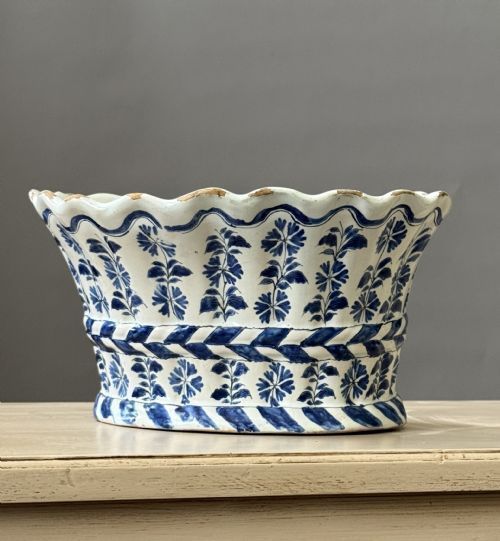
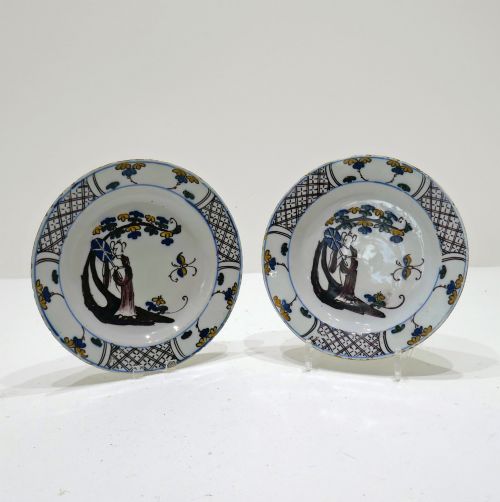
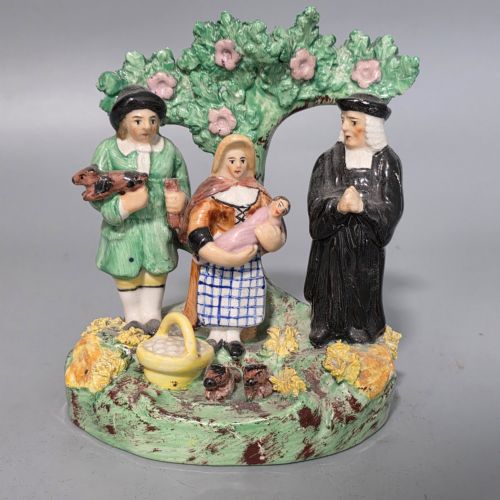
You are most likely to meet eighteenth-century delftware chargers and plates featuring hand-painted polychrome or blue and white designs, alongside nineteenth-century staffordshire pearlware figures and transfer-printed creamware. These domestic wares reflect the everyday functional needs and decorative tastes of earlier households.
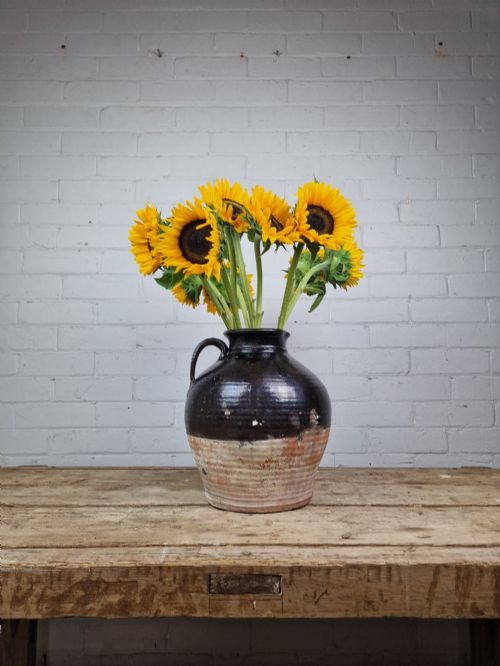
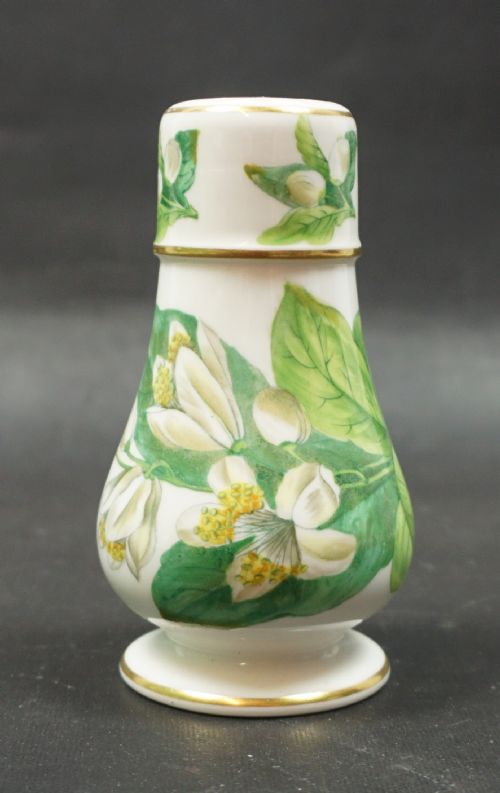
The form ranges from rustic slipware vessels and salt-glazed preserve jars to refined pearlware and ironstone vases. Each piece carries the tangible evidence of regional british production centres and traditional potting methods.
How they were made
Potters utilised earthenware, stoneware, and refined pearlware or creamware bodies, shaping them by hand, on the wheel, or pressing them into moulds. Tin glaze provided an opaque white surface for tin-glazed earthenware and delftware before artists applied hand-painted pigments directly.
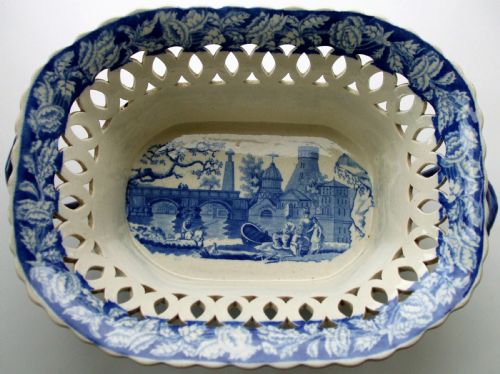
Transfer printing revolutionised decoration on blue and white wares by pressing engraved patterns onto the ceramic surface using paper transfers. Enamel colours, lustre glazes, and gold leaf additions were frequently fired subsequently to achieve rich surface tones.
The material record spans tin-glazed earthenware, salt-glazed stoneware, creamware, and ironstone, reflecting shifting British production methods.
What varies in quality
Quality rests in the crispness of the moulded detail and the skill of the hand-painting or transfer application. Finer pieces display confident brushwork on tin glaze or precise definition in pearlware figures and salt-glazed relief moulding.
The sophistication of the glaze and the purity of the ceramic body distinguish superior examples from everyday utilitarian output. Exemplary items retain their original surface brilliance and balanced proportions.
J. & R. Clews·Miles Mason·William Moorcroft
The Early English Pottery Glossary
- Delftware
- Tin-glazed earthenware produced in english centres like london and bristol, typically featuring painted blue and white or polychrome motifs. It is known for a chalky white glaze that readily shows historical wear.
- Pearlware
- A refined earthenware developed in staffordshire featuring a fine white body and a subtle bluish glaze. It bridged the gap between creamware and later white earthenware.
- Prattware
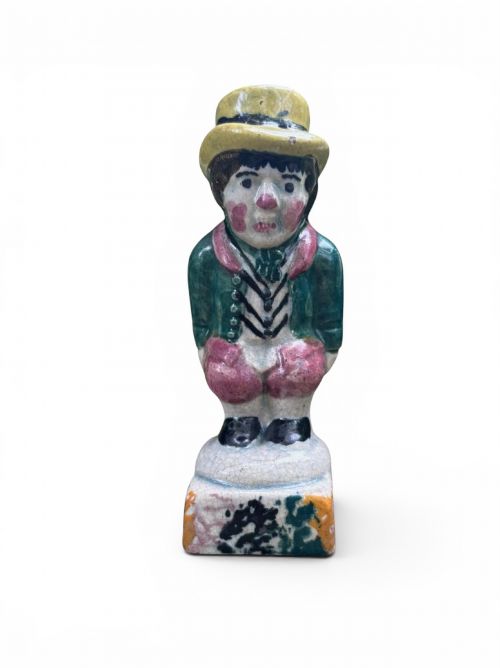
- Earthenware decorated with low-relief moulded designs and coloured underglaze pigments such as ochre, blue, and orange. These pieces often take the form of small figures, jugs, or playful money boxes.
- Slipware
- Pottery decorated with liquid clay trailed over a contrasting body before glazing and firing. This rustic technique produced expressive linear patterns on utility vessels.
- Tyg
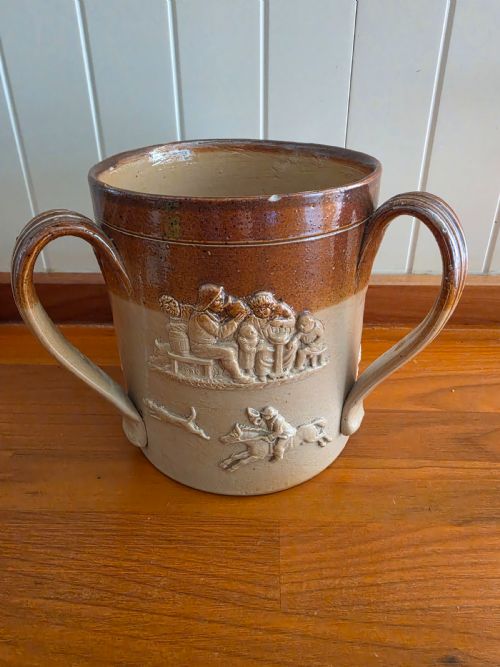
- A large drinking vessel featuring multiple vertical handles designed for passing around a table. Early examples frequently appear in sturdy stoneware or earthenware.
- Transfer printing
- A decoration method where an engraved copper plate transfers a printed design onto ceramic ware. This technique allowed intricate blue and white scenic patterns to reach mass production.
Early English Pottery: Frequently Asked Questions
What defines early english pottery?
Early english pottery encompasses hand-thrown and moulded ceramic wares produced across the british Isles prior to the mid-nineteenth century. It includes utilitarian vessels, tin-glazed chargers, and decorative figures.
The category highlights traditional regional techniques like slip trailing, delft painting, and transfer printing before industrial standardisation took over.
How do I distinguish pearlware from creamware?
Creamware possesses a warm, buttery yellow tone in its transparent lead glaze. Pearlware uses a small amount of cobalt in the glaze to create a whiter appearance that pools blue in recesses.
Pearlware emerged slightly later in the eighteenth century as potters sought to emulate the bright appearance of imported chinese porcelain.
Were staffordshire figures meant for display?
Staffordshire figures served as affordable decorative ornaments for mantelpieces in modest homes throughout the nineteenth century. They often depicted popular literary characters, animals, or topical events of the day.
Potters cast these earthenware groups in moulds and painted them by hand or with coloured glazes before a final firing.
How should I care for historic pottery?
Display historic ceramics away from direct sunlight and dramatic temperature fluctuations to protect fragile glazes and historical bodies. Dust them gently with a dry, soft cloth without using cleaning agents.
Avoid washing porous earthenware or pieces with repaired sections in water, as moisture can penetrate old ceramic bodies and destabilise historical adhesives.