




Early 20th Century Urns
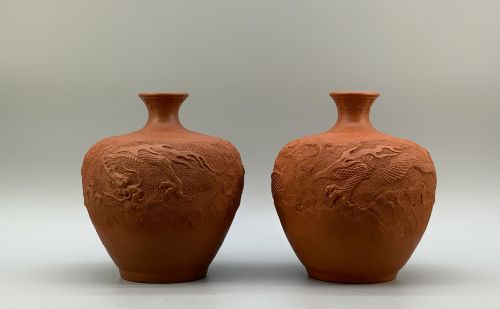
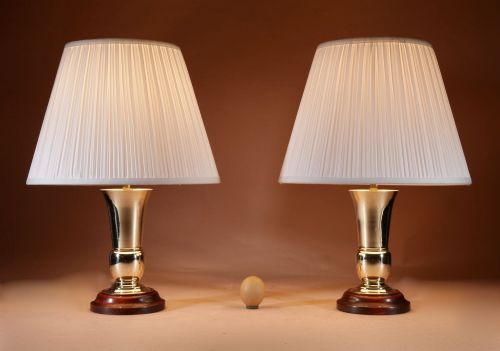
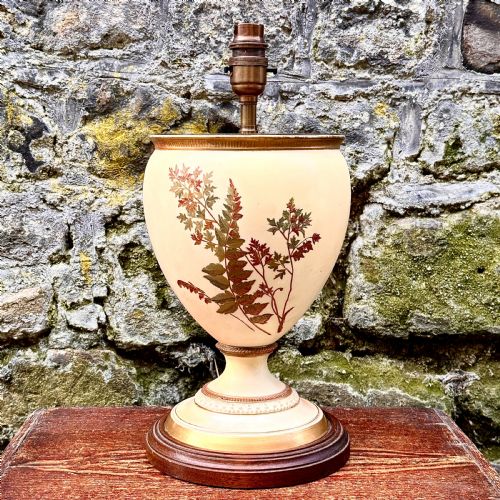
These early 20th century urns bring sculptural presence to a room, spanning Edwardian refinement and bold Art Nouveau forms.
Early 20th Century Urns
Early 20th century urns encompass a diverse selection of decorative vessels, garden planters, and lidded containers produced through the Edwardian era and into the 1920s and 1930s. Buyers searching this phrase encounter classical revival models alongside organic Art Nouveau creations and imported Asian ceramics.
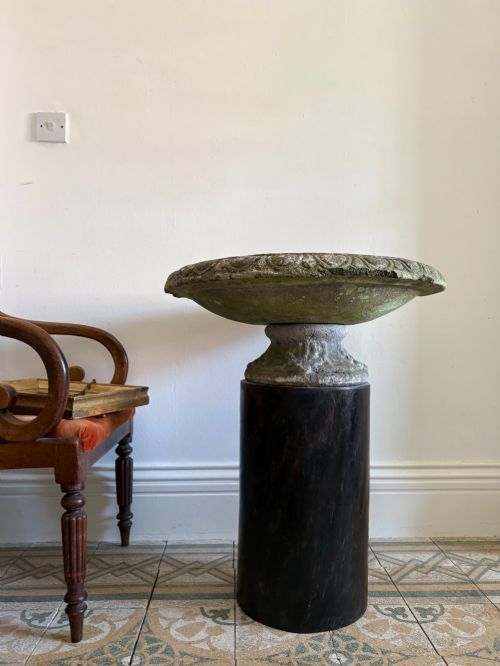
The objects on this page range from monumental cast stone and iron garden ornaments to refined porcelain table vessels and bronze-mounted glass. Many pieces bridge decorative utility and classical form, reflecting the shifting tastes of the period across European and international workshops.
Materials and construction
Makers utilised a wide array of mediums, balancing heavy metals and stone for architectural garden pieces with delicate glass, porcelain, and cloisonné for interior display. Cast iron, reconstituted stone, and weathered cast stone dominate outdoor vessels, whilst indoor urns showcase fired ceramics, blown glass, and carved hardwoods.
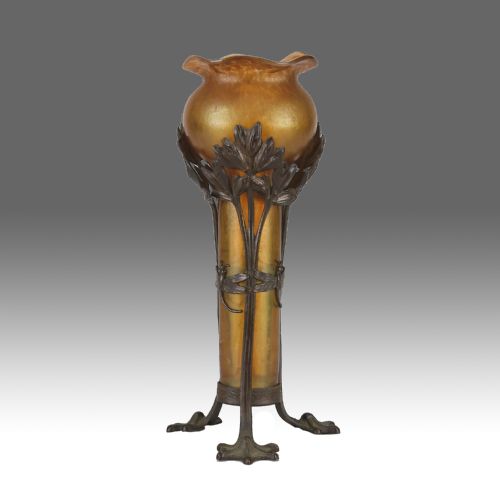
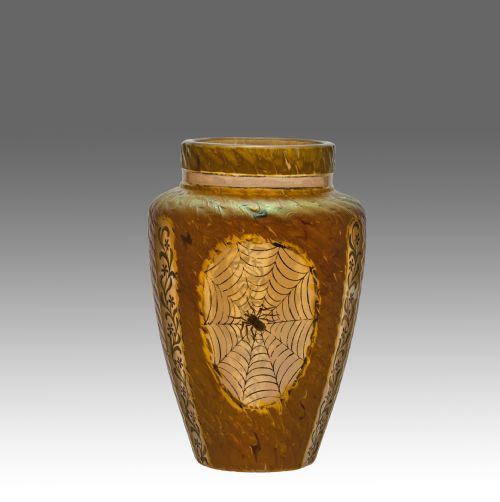
Techniques varied considerably by medium, combining traditional hand-carving in marble and wood with industrial casting for iron and stone. Glass vessels frequently display complex iridescent treatments and metal mounts, while porcelain and pottery rely on detailed hand-painting, glazing, and cloisonné wirework.
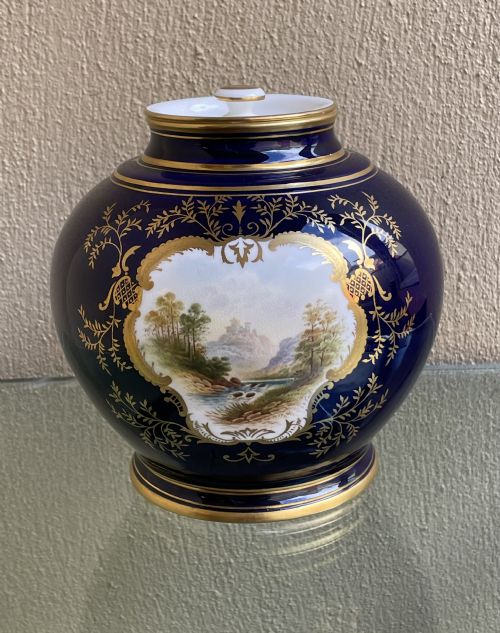
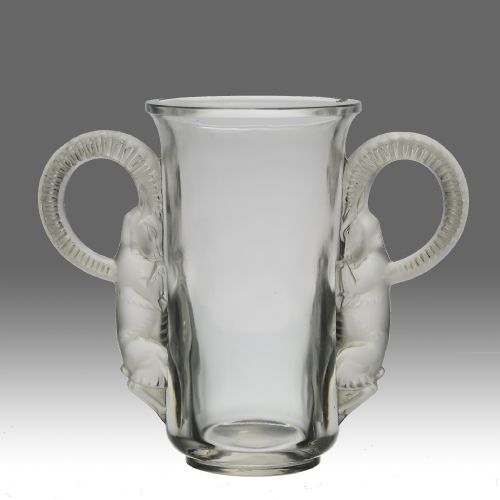
Listings feature materials ranging from cast iron and alabaster to iridescent glass and cloisonné enamel.
Judging quality in execution
Quality rests in the crispness of the modelling and the deliberate execution of surface decoration, whether in the deep chisel marks of carved stone and wood or the precise application of bronze mounts. Superior examples demonstrate a careful harmony between proportion and material weight.
The distinction between standard commercial output and finer pieces lies in the subtlety of the glaze, the complexity of the glass iridescence, or the intricate detail found in metalwork and cloisonné enamel. Maker attribution and documented studio origin further elevate the standing of individual pieces.
Royal Worcester·Coalport·Loetz·Kralik Glass·René Lalique·Jean Dunand·William Moorcroft
The Early 20th Century Urns Glossary
- Campana urn
- A bell-shaped vessel with a flared rim and pedestal base, commonly seen in classical revival garden and interior design. This form derives from ancient Roman pottery.
- Cloisonne
- An ancient technique for decorating metalwork objects with coloured glass paste separated by thin metal strips. The surface is fired and polished smooth.
- Ormolu
- Gilded bronze used for decorative mounts on porcelain, glass, and wood furniture. This finish adds bright metallic contrast to ceramic bodies.
- Scagliola
- A composite material made from glue, natural pigments, and selenite used to imitate marble and other fine stones. Artisans apply and polish this mixture to create smooth architectural details.
- Iridescent glass
- Glass treated with metallic salts while hot to produce a shimmering, rainbow-like surface effect. This finish became a hallmark of early 20th century studio glass.
Early 20th Century Urns: Frequently Asked Questions
Where were early 20th century urns placed?
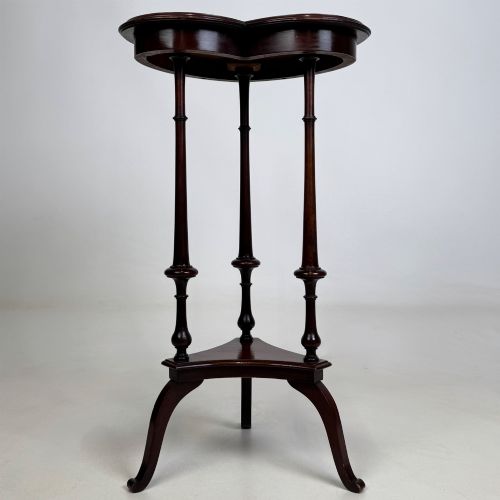
These vessels served diverse functions both inside the home and across formal gardens. Interior urns often stood upon console tables, side tables, or plant stands as decorative focal points.
Outdoor garden urns and planters were positioned along terraces, near garden pathways, or upon stone pedestals. Their substantial weight suited them for permanent architectural placement in the landscape.
How do I identify Art Nouveau urns?
Art Nouveau examples embrace flowing, asymmetrical lines inspired by natural forms like plant stems, insects, and organic curves. These pieces frequently incorporate bronze mounts shaped as tendrils or figures.
Look for iridescent surfaces, stylised floral motifs, and experimental glass treatments that break away from strict classical symmetry. The aesthetic prioritises dynamic movement over rigid architectural balance.
Are garden urns frost resistant?
Cast stone, reconstituted stone, and cast iron pieces are generally designed to withstand outdoor weathering. However, severe winter freezes can affect certain porous materials if moisture becomes trapped.
Gardeners often protect delicate stone or composite vessels during harsh winter months by covering them or storing them undercover. Checking the specific density of the material helps determine its winter durability.