




Edwardian Garden Planter
These edwardian garden planter items bring enduring structure and botanical display to outdoor spaces through robust metals and classic forms.
Edwardian Garden Planter
When you search for an edwardian garden planter, you encounter a selection spanning the late nineteenth century through to the early decades of the twentieth. These pieces encompass cast iron urns, wrought iron window boxes, copper vessels, and terracotta pots designed for practical outdoor cultivation and decorative display.
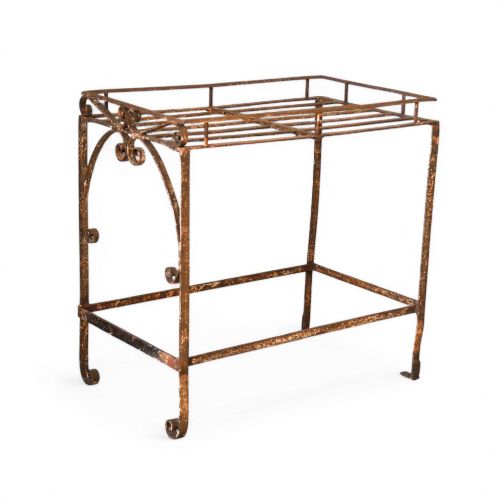
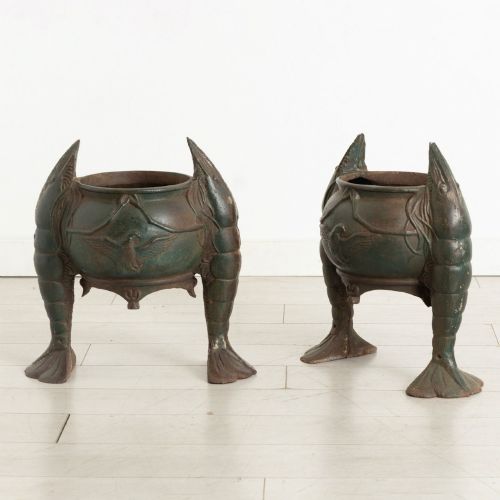
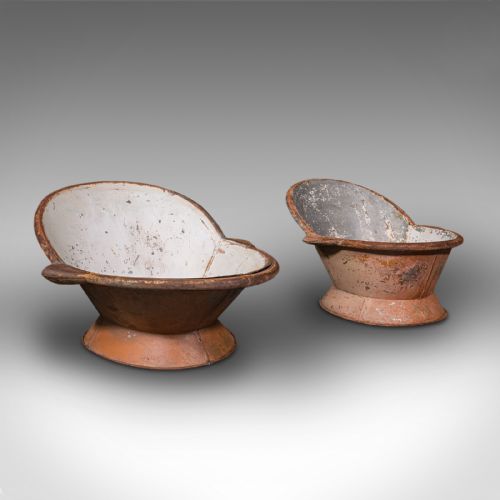
The most common formats on this page include heavy cast iron campana urns, wire work plant stands, and galvanised metal tubs suited for gardens and conservatories. Makers of the period drew upon Victorian utilitarian traditions alongside Arts and Crafts sensibilities to shape functional vessels.
Many examples showcase classical styling, such as campana shapes and scroll ornamentation, while others utilise rustic country or industrial aesthetics. Buyers select these items to anchor garden pathways or to house substantial shrubs and flowers in keeping with period architecture.
Markers of Quality and Craftsmanship
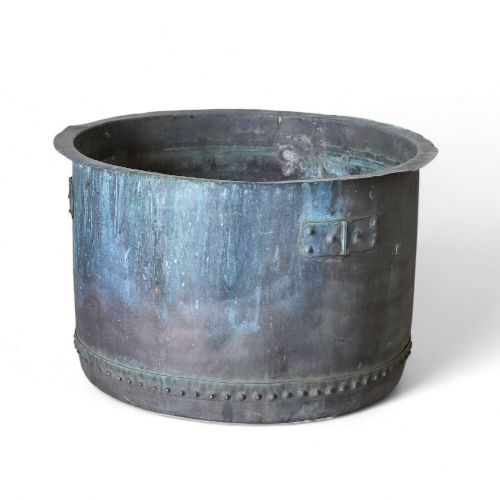
Quality in these pieces rests upon the integrity of the material and the precision of the casting or metalwork. Heavier cast iron components and thick hand-riveted copper demonstrate superior durability and structural stability compared to thinner, utilitarian counterparts.
The sophistication of decorative details, from classical scrollwork to fine riveting, distinguishes standard utility items from finer estate pieces. Preservation of the original surface, whether through an organic weathered patina or intact early paint, adds depth to the character of the object.
Listings feature items spanning the nineteenth and twentieth centuries, using cast iron, wrought iron, copper, brass, and zinc across various styles.
Orme Evans & Co
The Edwardian Garden Planter Glossary
- Campana urn
- A bell-shaped garden vessel with a flared rim, frequently cast in iron and mounted on a pedestal base. These classic garden ornaments date back to antiquity and saw frequent revival in the nineteenth and early twentieth centuries.
- Jardinieres
- Ornamental pots or stands designed to hold growing plants, often displayed within interior rooms or protected conservatory spaces. They appear in materials such as brass, copper, and ceramic.
- Galvanised metal
- Steel or iron coated with a protective layer of zinc to prevent rust and corrosion when exposed to moisture. This industrial finish became common for utilitarian garden tubs and storage bins.
- Wrought iron
- Iron that is beaten or bent into shape by hand, resulting in a fibrous structure with high tensile strength. It appears frequently in plant stands, window boxes, and architectural garden racks.
- Terracotta
- Fired clay used for garden pots and planters, ranging in colour from buff to deep red. Porous in nature, these vessels allow air and moisture to pass through the walls to the plant roots.
Edwardian Garden Planter: Frequently Asked Questions
Can these metal planters stay outside all year?
Cast iron, wrought iron, and galvanised metal withstand outdoor conditions well due to their durable construction. Over time, exposure develops a natural patina that protects the underlying metal.
To preserve delicate joins or thinner sheet copper, some owners move lighter pieces into conservatories or sheltered spots during harsh winter months.
How do I distinguish Edwardian pieces from Victorian ones?
Edwardian items often reflect a lighter, more restrained aesthetic compared to the heavier ornamentation of high Victorian design. Arts and Crafts influences also emerge during this transition, favouring simpler lines and honest materials.
However, styles overlapped considerably as foundries continued producing traditional Victorian forms well into the twentieth century.
What is wire work in garden plant stands?
Wire work involves shaping and soldering iron wires into intricate mesh or scroll patterns to support pots and climbing plants. This technique created lightweight yet strong frames for conservatories.
These stands allowed air circulation around plants while maximising display space for multiple pots.