
Antique Metal Plant Pot
An antique metal plant pot brings weight and genuine character to green spaces, turning everyday foliage into a display of historic craft.
Antique Metal Plant Pot
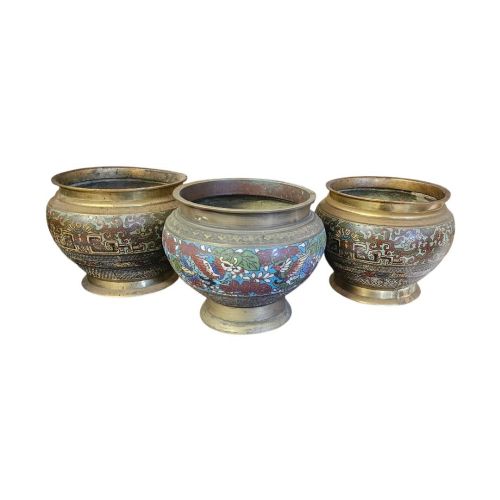
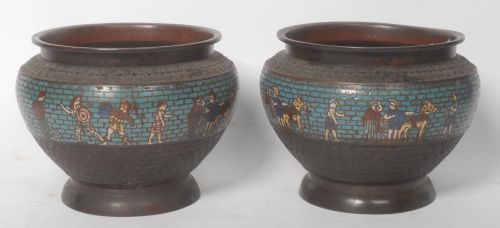
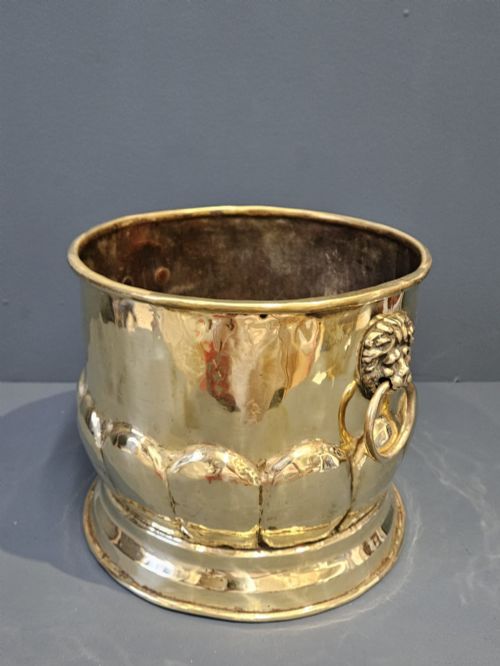
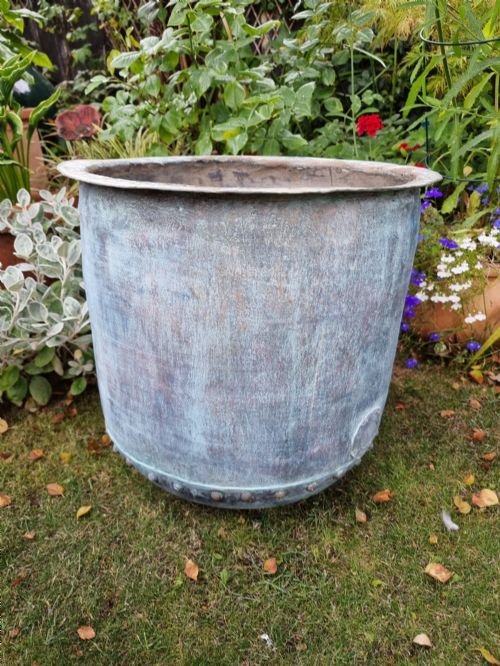
An antique metal plant pot encompasses a variety of jardiniere vessels, cachepots, and plant stands designed to house greenery indoors and out. The pieces available span the Victorian and Edwardian eras, with many examples originating from the nineteenth century. Buyers encounter forms ranging from heavy garden urns to small indoor vessels.
Materials and construction
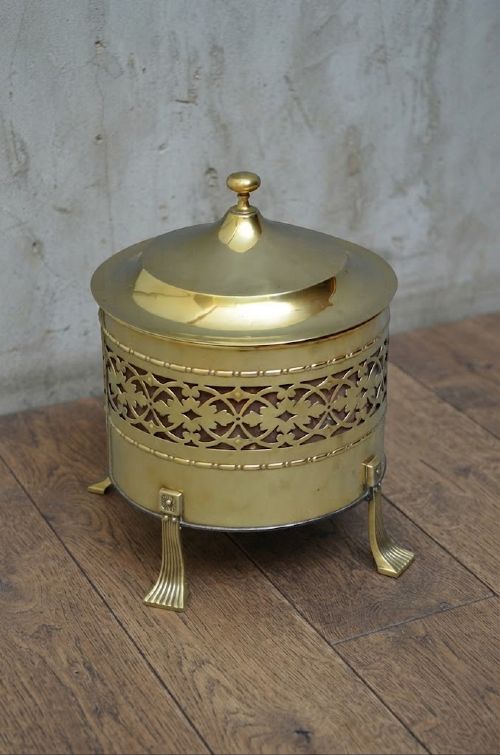
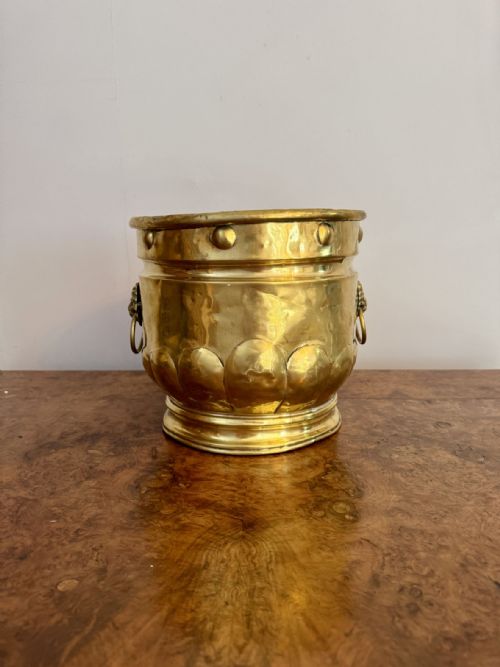
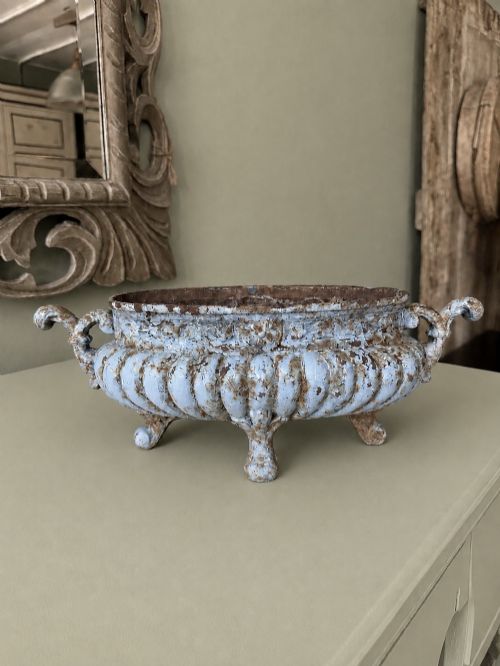
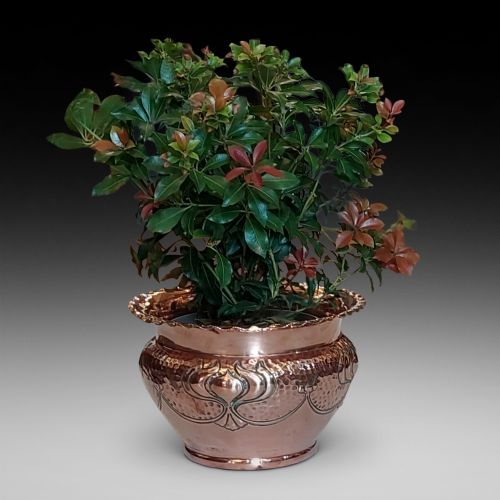
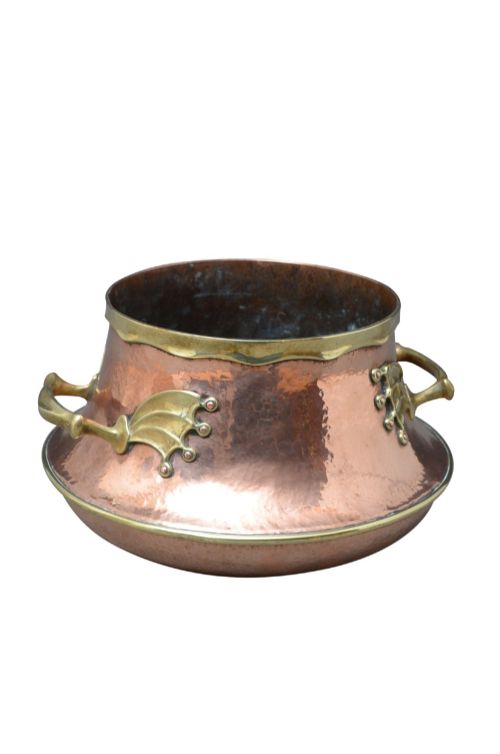
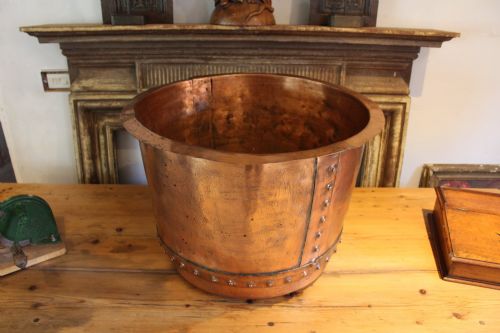
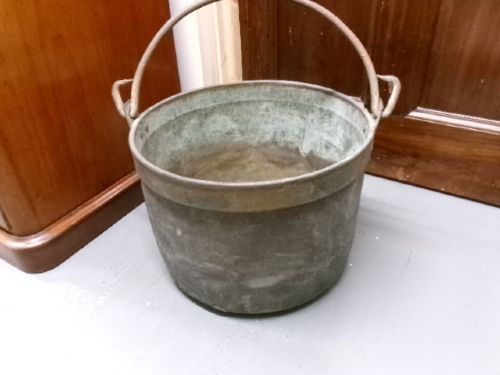
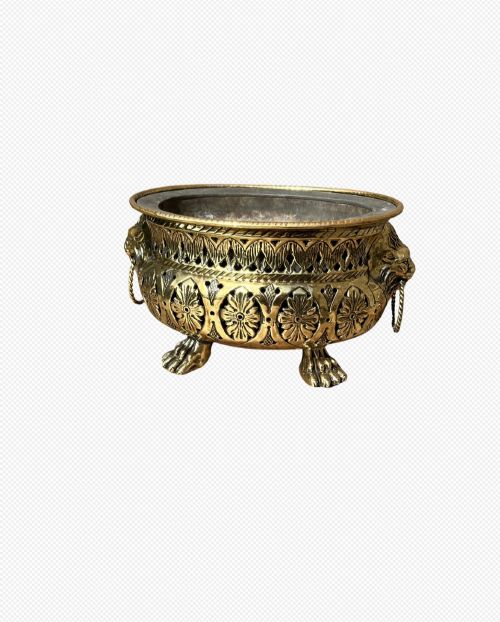
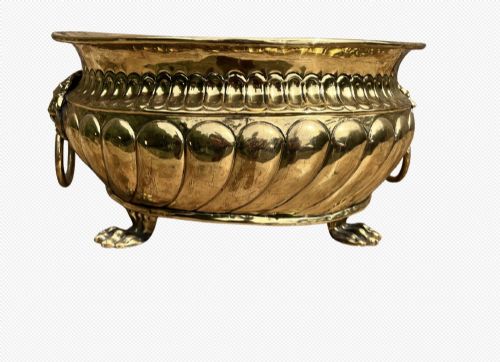
The primary materials recorded in the evidence are brass and copper, supplemented by cast iron, bronze, and wrought iron. Artisans shaped these metals through hammering, casting, and piercing, creating detailed surfaces that often incorporate fretwork or crests. Iron pieces provided sturdy structural support for heavier garden displays.
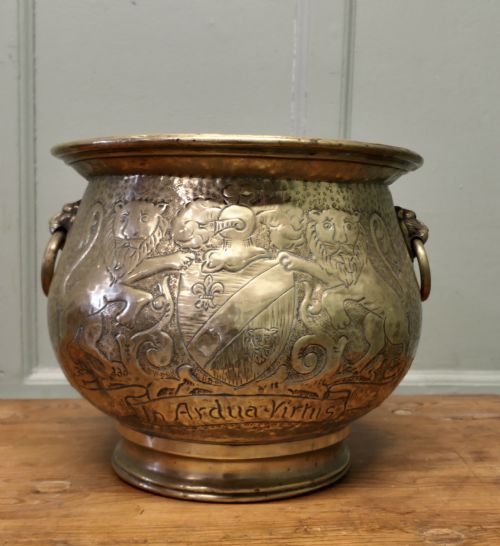
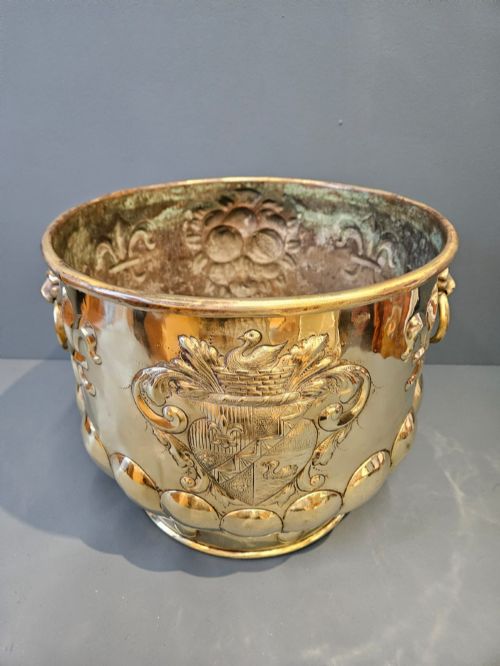
Decorative elements frequently include applied shields, swing handles, and cast details such as shrimp or neoclassical motifs. Some items combine metals, pairing copper bodies with brass mounts or wrought iron supports. Paint and polish were applied to finish surfaces, depending on whether the vessel was intended for interior display or exterior garden use.
Listings feature items spanning the nineteenth and early twentieth centuries, including Victorian, Edwardian, and Arts and Crafts periods.
Judging the range
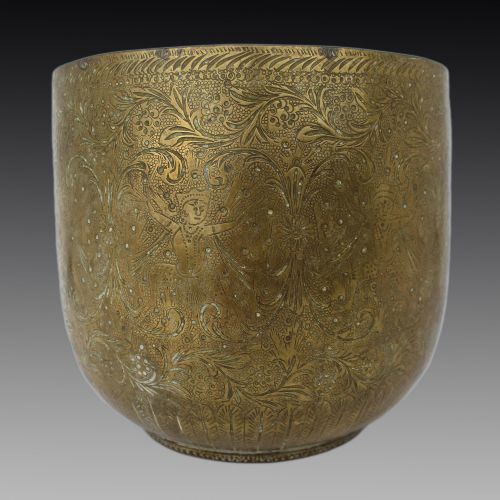
Quality in these vessels rests on the crispness of the metalwork and the integrity of the form. Pieces featuring hand-engraved details, pierced fretwork, or robust cast iron construction represent superior execution by skilled workshops. Simpler domestic items offer utility while displaying more straightforward industrial production methods.
The visual impact depends on the preservation of the metal surface and the strength of the original design. Vessels retaining original stands, matching pairs, or distinct artistic movements like Arts and Crafts or Art Nouveau demonstrate higher design ambition.
J Sankey and Sons
The Antique Metal Plant Pot Glossary
- Jardiniere
- An ornamental pot or stand for holding plants or flowers. These vessels form the majority of the metal containers found in this category.
- Cachepot
- A decorative pot used to conceal an ordinary flowerpot. This French term describes indoor containers that lack drainage holes.
- Campana Urn
- A bell-shaped garden vessel often mounted on a plinth. These cast iron forms are frequently found in nineteenth-century garden settings.
- Fretwork
- Ornamental work consisting of perforations cut with a scroll saw or pierced through sheet metal. This technique appears on many brass and copper jardiniere rims.
- Ormolu
- Gilded bronze used for decorative mounts and vessels. Pieces utilising this material often reflect formal French design influences.
Antique Metal Plant Pot: Frequently Asked Questions
What is the difference between a jardiniere and a cachepot?
A jardiniere typically acts as the primary container for plants, while a cachepot serves to hide a standard plant pot placed inside it.
Both terms describe decorative metal vessels designed to display greenery within domestic interiors or conservatories.
Can these metal pots be used outside?
Cast iron urns and heavy garden planters are built to withstand outdoor conditions, making them suitable for garden displays.
Brass and copper vessels are generally better suited for indoor use to preserve their polished finishes and delicate pierced work.
How do I date a brass or copper planter?
Dating relies on stylistic clues, manufacturing techniques, and the presence of period motifs associated with Victorian, Edwardian, or Arts and Crafts movements.
Signatures or stamps from specific makers also help narrow the production period to the nineteenth or early twentieth century.