



Early 19th Century Sculpture
Early 19th century sculpture brings neoclassical marble, grand tour bronze, and carved wood into a room, offering tangible history for collectors.
Early 19th Century Sculpture
Early 19th century sculpture encompasses figural works, busts, and animals created across European and Asian workshops during the neoclassical, Regency, and Qing periods. Buyers seeking early 19th century sculpture find pieces shaped by academic traditions, Grand Tour travels, and traditional craftsmanship.
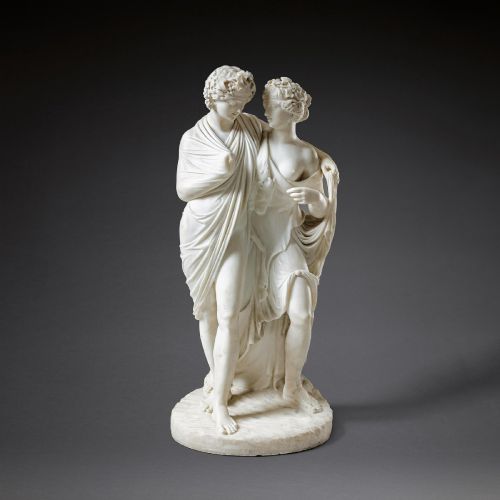
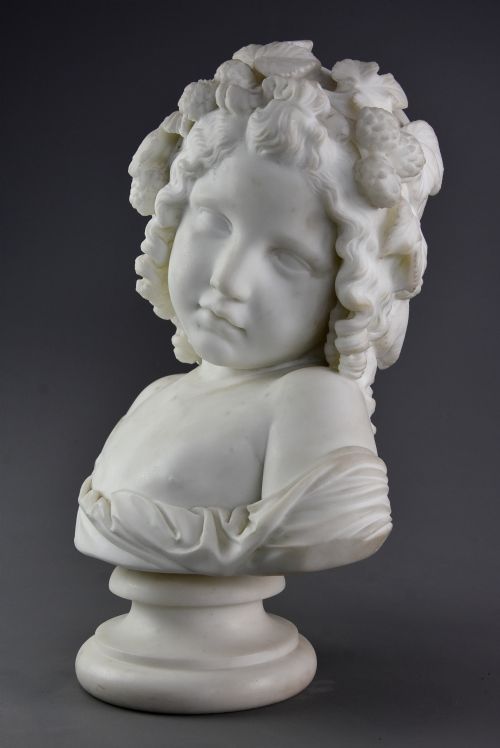
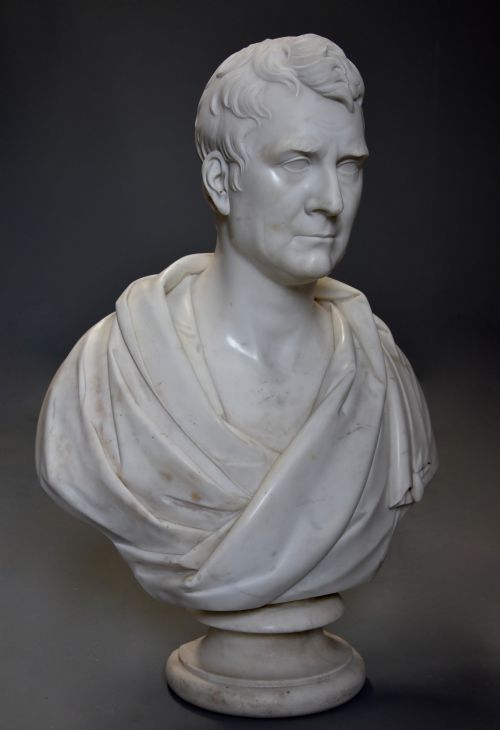
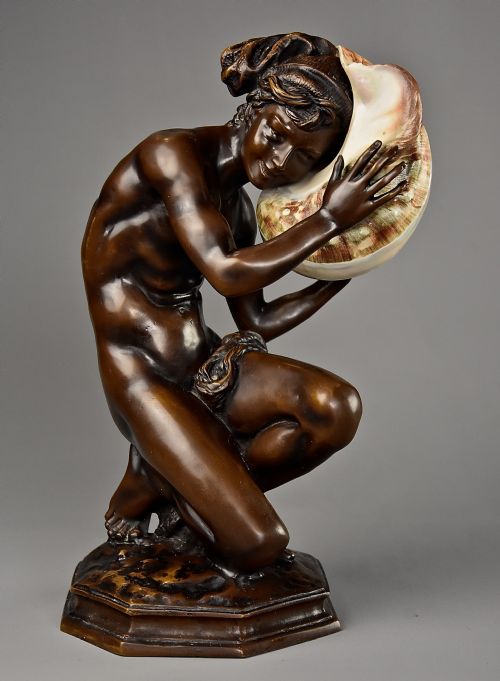
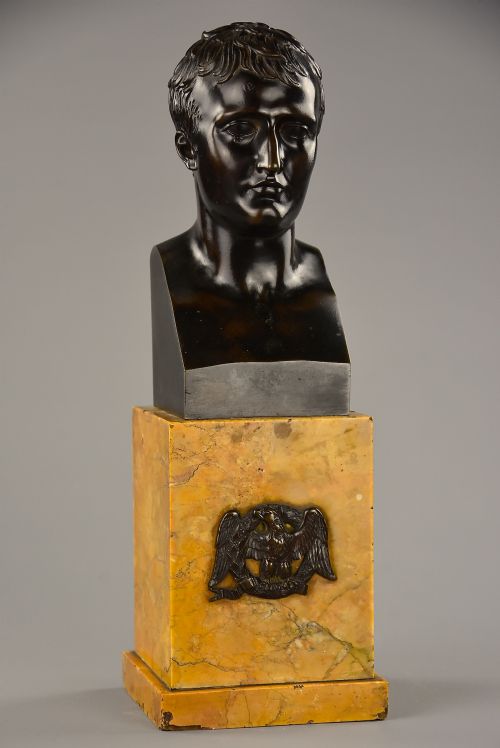
The objects on this page most commonly appear as bronze portrait busts, marble figures after antique models, and carved wooden or porcelain devotional groups. These materials reflect both Western classical revival and Eastern decorative arts of the era.
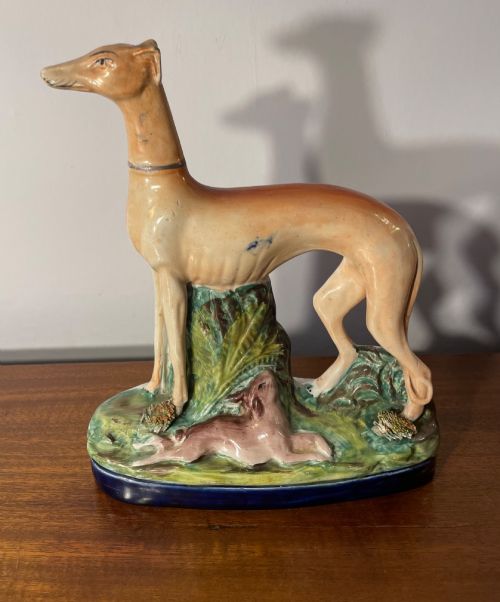
Makers and workshops of this timeframe utilised durable media to record likenesses of historical figures, mythological narratives, and religious deities. Collectors encounter everything from monumental marble groups to small porcelain animal figures.
Materials and methods of construction
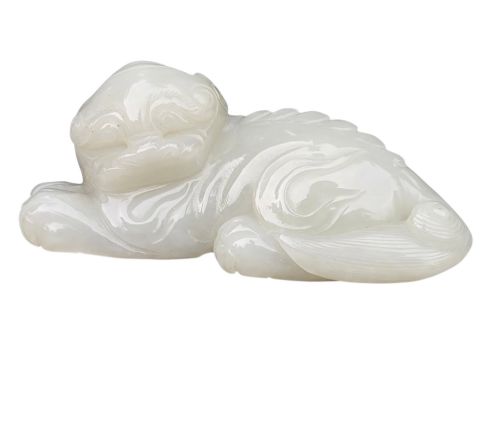
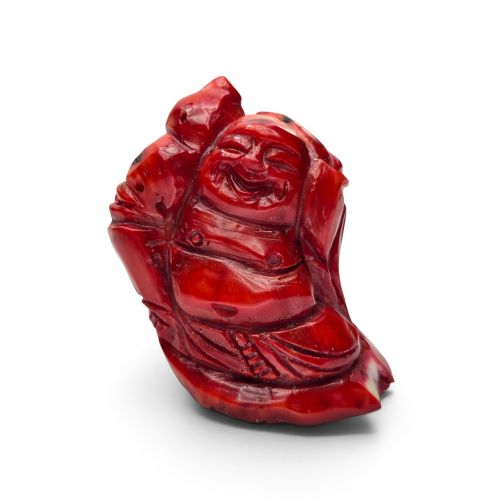
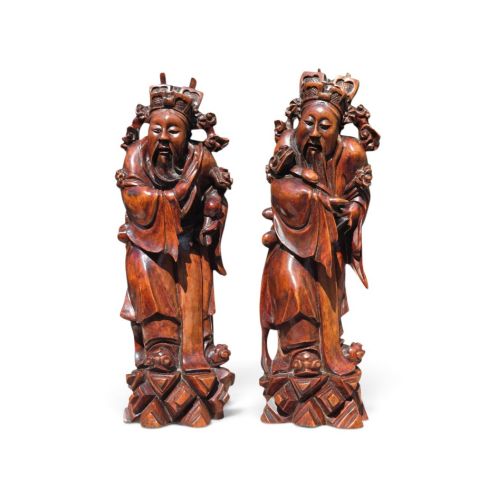
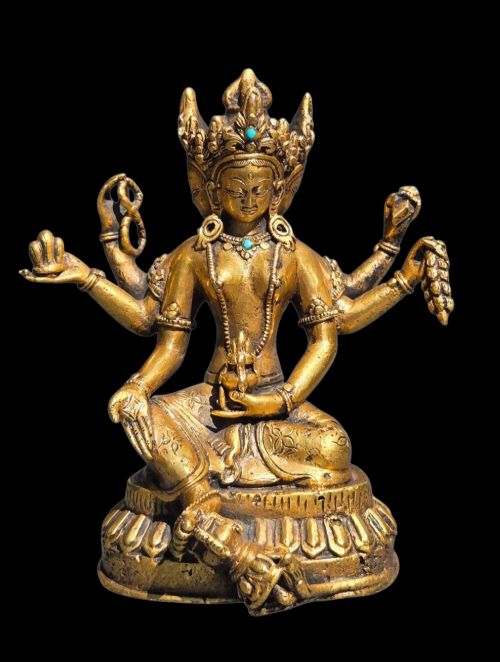
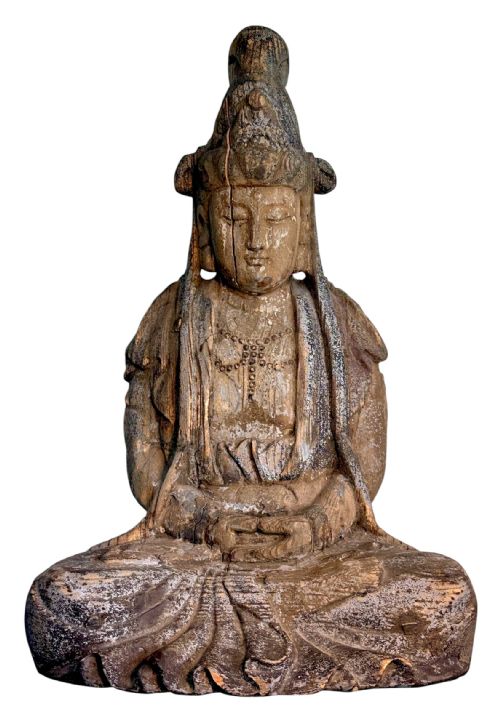
Asian pieces in the record rely on hand-carved hardwoods, white jade, precious red coral, and turquoise-glazed porcelain, reflecting specialised regional carving and firing techniques. Polychrome paint and turquoise inlays add colour to wooden figures and metal deities respectively.
Listings feature materials spanning bronze, Carrara marble, white jade, precious red coral, and porcelain.
Distinctions in execution and detail
Quality in these sculptures rests upon the crispness of the carving and the fidelity of the cast, where superior examples display articulate facial expressions and anatomically convincing limbs. Lesser pieces lose definition in secondary areas such as drapery folds or hair strands.
The distinction between workshop output and master-signed pieces lies in the subtlety of the surface finish and the handling of the chosen medium, whether polished marble or chased bronze. Superior items retain their original patination, bases, and structural integrity without crude repairs.
Carlo Albacini·Houdon·J Francis·Jean-Baptiste Carpeaux·Etienne Maurice Falconet
The Early 19th Century Sculpture Glossary
- Grand Tour
- A traditional trip through Europe undertaken by upper-class young men of the 18th and 19th centuries to absorb classical culture and acquire art. These journeys generated a demand for small bronzes and marble models of ancient antiquities.
- Neoclassical
- A Western cultural movement drawing inspiration from the classical art and culture of ancient Greece or Rome. It manifests in these listings through idealized marble busts and mythological subjects.
- Ormolu
- Gilded bronze, where a finely ground high-carat gold-mercury amalgam is applied to a bronze object. The technique produces a rich golden finish seen on decorative mounts and small sculptures.
- Carrara marble
- A type of white or blue-grey marble quarried in the city of Carrara in the north of Tuscany. Sculptors prized it for its uniform crystal structure and minimal veining.
- Blanc de Chine
- A type of white porcelain made at Dehua in Fujian province, China. It is known for its ivory glaze and use in religious figures.
- Tazza
- A small, shallow saucer-like dish or cup mounted on a stem and foot. In stone or metal, it served as a decorative pedestal vessel.
Early 19th Century Sculpture: Frequently Asked Questions
What subjects appear in early 19th century sculpture?
The subjects range widely across cultures, featuring classical deities, historical leaders such as Napoleon Bonaparte, and literary figures. Mythological groups and portraits of statesmen sit alongside religious icons and animal studies.
Asian works introduce mythical beasts, Daoist immortals, and figures of Kannon or Buddha. This mixture reflects both European academic sculpture and traditional Eastern carving practices.
How do I identify a Grand Tour bronze?
Grand Tour bronzes typically replicate famous classical statues encountered by travellers in Italian galleries and excavations. They are generally cabinet-sized and feature dark patination.
These pieces were produced as portable souvenirs for collectors touring Europe. Their bases often incorporate contrasting materials like marble or slate.
How should I care for marble sculptures?
Marble requires gentle dusting with a soft, dry cloth to prevent abrasive particles from scratching the polished surface. Avoid using chemical cleaners, oils, or water on porous stone.
Keep pieces away from direct heat sources and sudden temperature shifts, which can stress the material. Professional conservation is advised for any structural cleaning.
Are these sculptures signed by the artist?
Some pieces bear signatures, stamps, or attributions to named sculptors, founders, or potteries. Signatures may appear incised into the marble or cast directly into the bronze.
Unsigned works remain common, representing the substantial output of anonymous studio carvers and commercial foundries of the period. Documentation or stylistic comparison aids in attribution.