



Dutch Tin Glazed Plate
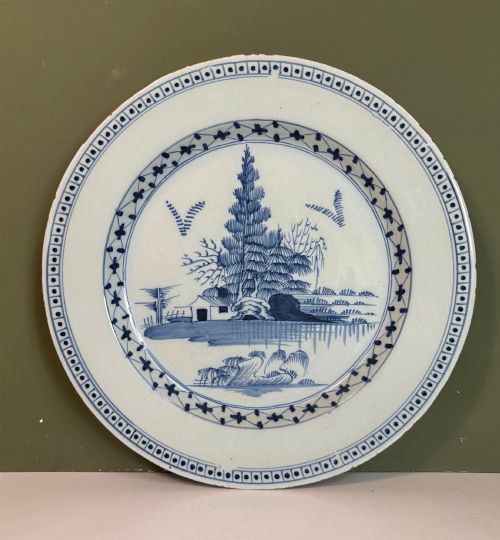
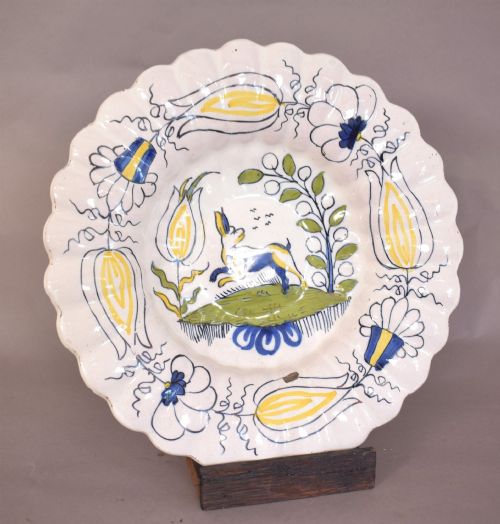
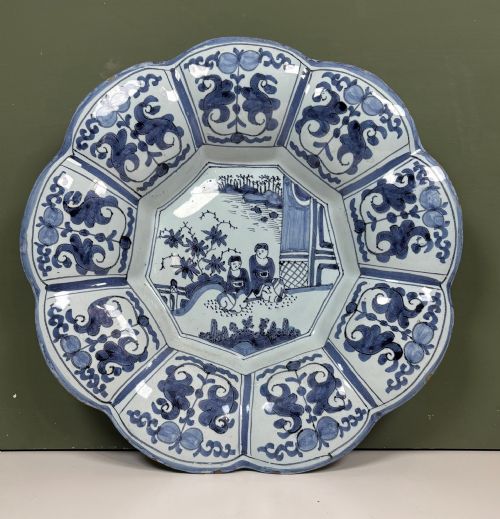
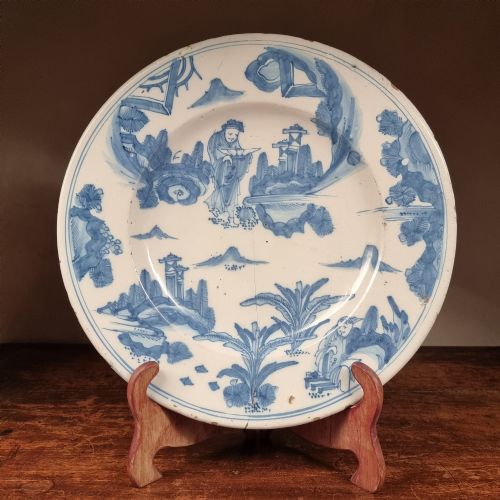
These pieces of dutch tin glazed plate span centuries of ceramic tradition, offering collectors hand-painted earthenware with distinct blue and white or polychrome decoration.
Dutch Tin Glazed Plate
A dutch tin glazed plate represents a rich tradition of ceramic production spanning the seventeenth, eighteenth, and nineteenth centuries. Collectors searching for this phrase encounter various forms, including large chargers, shallow bowls, and lobed dishes designed for display or dining.
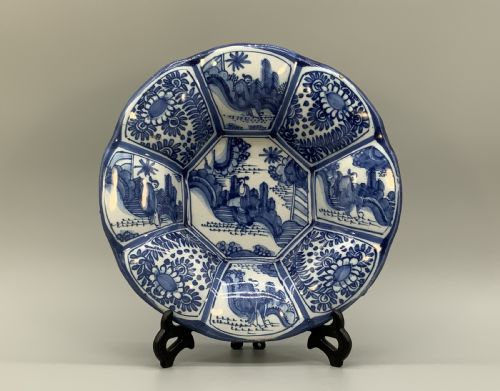
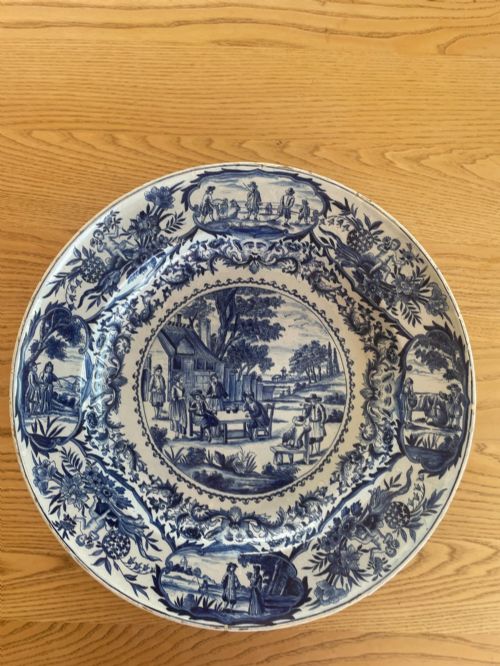
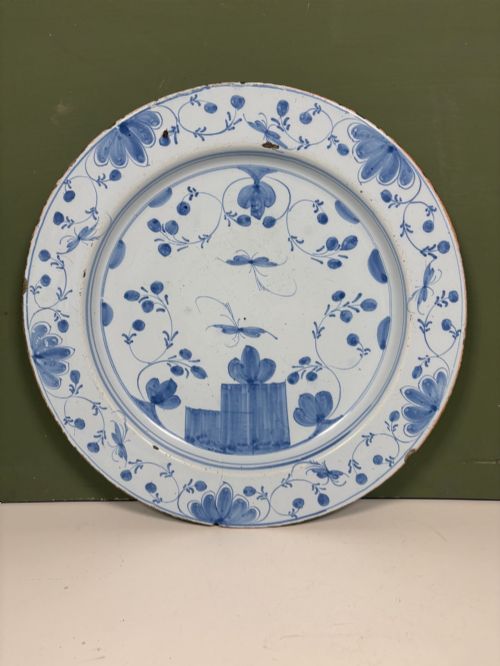
The objects on this page predominantly date from the eighteenth and seventeenth centuries, showcasing traditional Dutch Delftware styles. Pieces range from simple domestic plates to grand decorative chargers bearing geometric, floral, or Chinese-inspired motifs.
How they were made
Potters shaped earthenware bodies and coated them in an opaque tin glaze that provided a smooth, white background for painting. Artisans applied cobalt pigment and manganese directly onto this absorbent surface before firing.
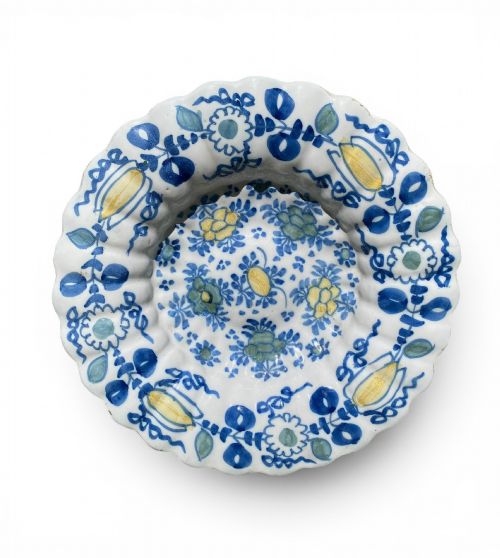
The application of cobalt oxide created the characteristic deep blue tones seen in blue and white wares, whilst grand feu techniques allowed complex polychrome palettes to emerge from the kiln.
Decoration methods rely on cobalt pigment, manganese, and tin-glazed earthenware.
What varies in quality
Quality rests upon the crispness of the hand-painted brushwork and the ambition of the design, whether following Kraak styles or domestic floral patterns. Finer examples display confident cobalt pigment application and balanced composition across large chargers.
The smoothness of the tin glaze and the complexity of the polychrome or manganese palette further distinguish standard domestic vessels from exceptional exhibition pieces.
The Dutch Tin Glazed Plate Glossary
- Tin-Glazed Earthenware
- Pottery covered with a lead glaze made opaque by the addition of tin oxide. This white surface serves as the canvas for painted decoration.
- Charger
- A large decorative plate intended for display on a wall or dresser rather than functional dining use. These substantial dishes often showcase the finest painted scenes.
- Kraak Style
- A manner of decoration inspired by Chinese export porcelain from the late Ming dynasty. Plates in this style typically feature segmented panels radiating around a central motif.
- Polychrome
- Decoration employing multiple colours alongside the traditional blue pigment, often including reds, greens, and yellows. This technique requires careful control during kiln firing.
Dutch Tin Glazed Plate: Frequently Asked Questions
How do I date a Dutch tin glazed plate?
Dating relies on stylistic shifts, tin glaze characteristics, and painting palettes from the seventeenth through the nineteenth centuries.
Early pieces often display Kraak influences, whereas later eighteenth-century examples lean towards floral or geometric motifs.
Were these plates used for dining?
Many smaller plates served practical functions at table, whilst large chargers were primarily decorative.
Large chargers were displayed on walls and dressers to demonstrate household wealth and taste.
What is the difference between blue and white and polychrome?
Blue and white wares utilise cobalt pigment exclusively for monochrome designs.
Polychrome pieces incorporate additional pigments like manganese to create multi-coloured floral or pictorial scenes.
How should I care for antique earthenware?
Keep these fragile ceramic items away from high-moisture environments and harsh cleaning agents.
Display them securely using appropriate plate hangers designed for heavy chargers.