


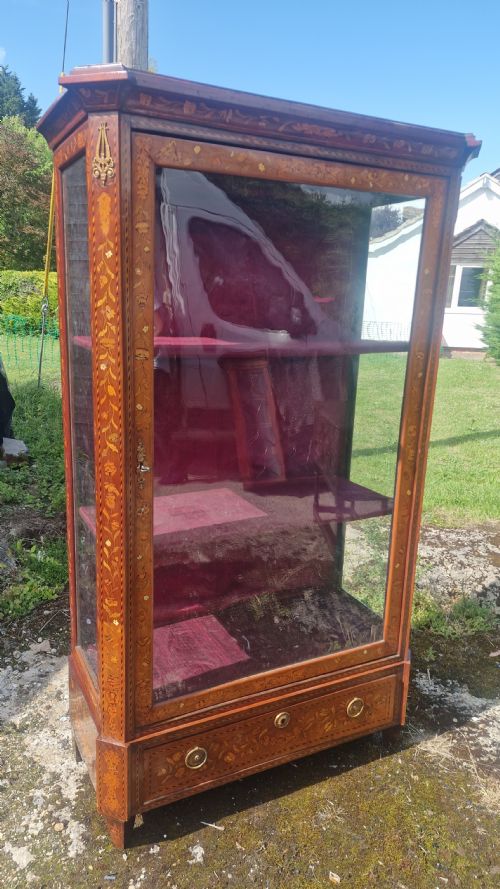
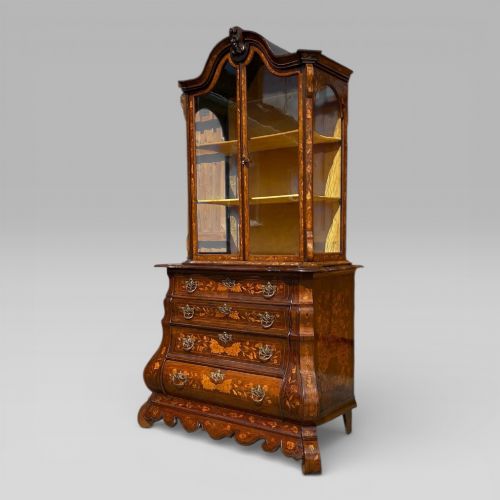

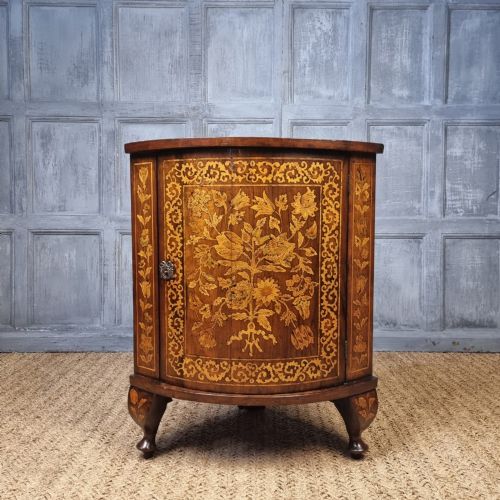

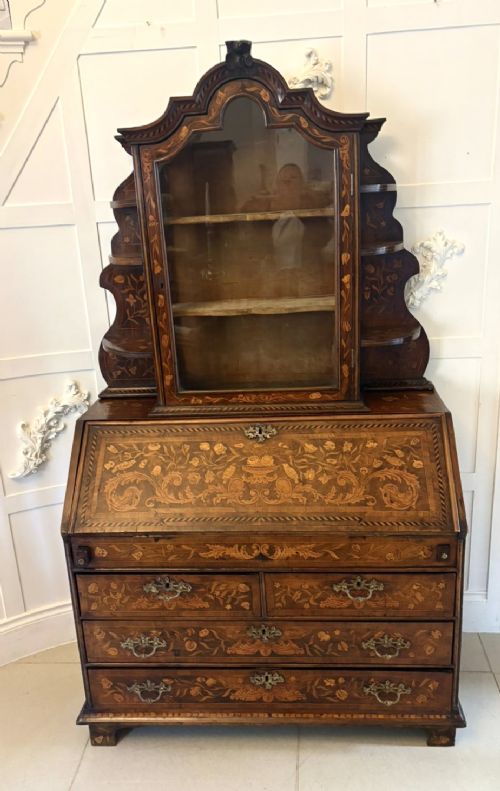
Dutch Floral Inlaid Cabinet
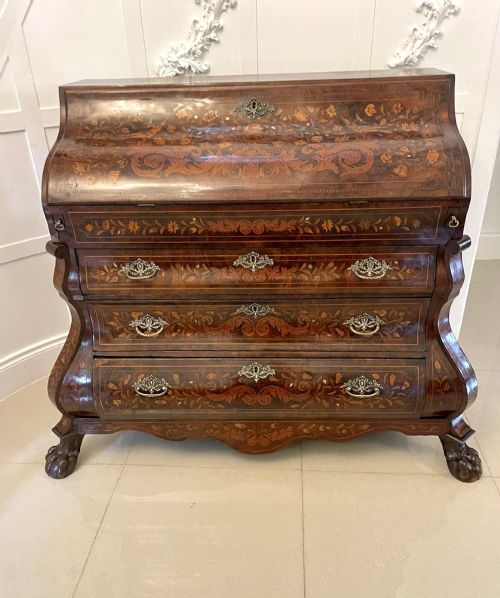
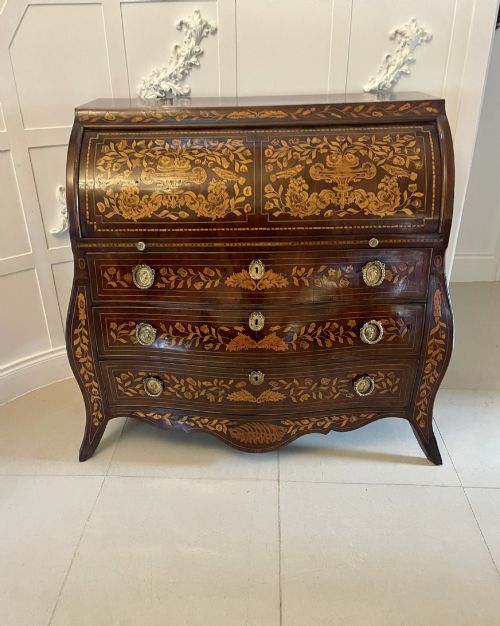
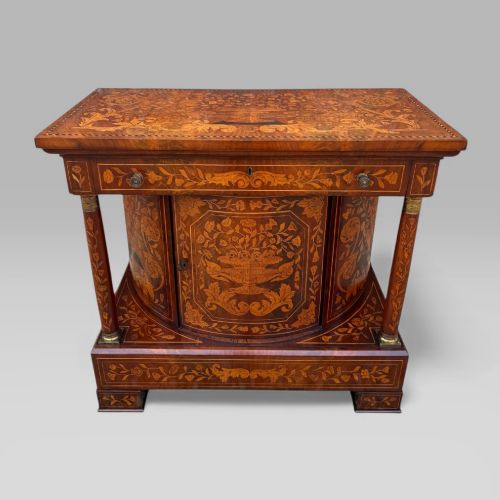
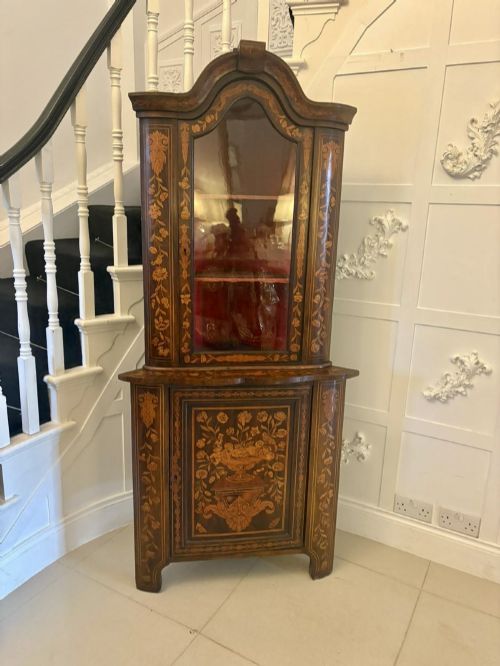
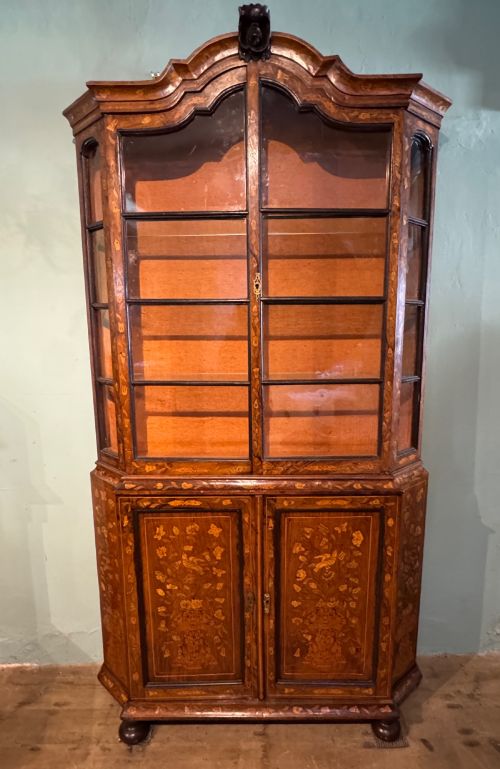
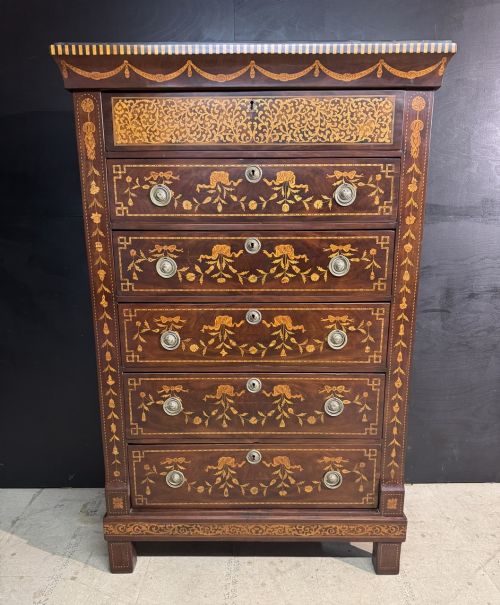
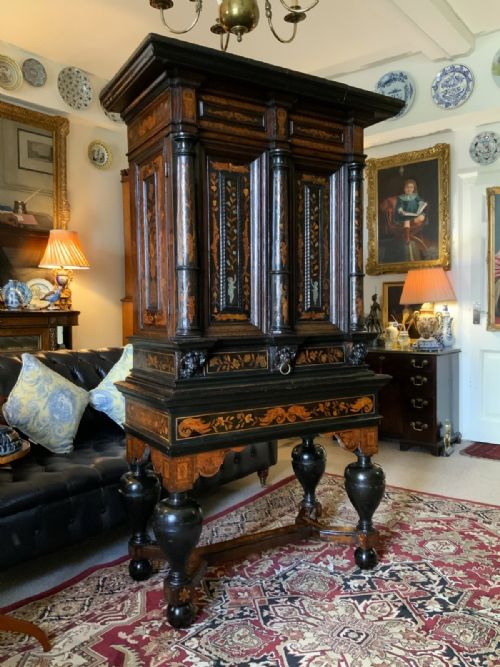
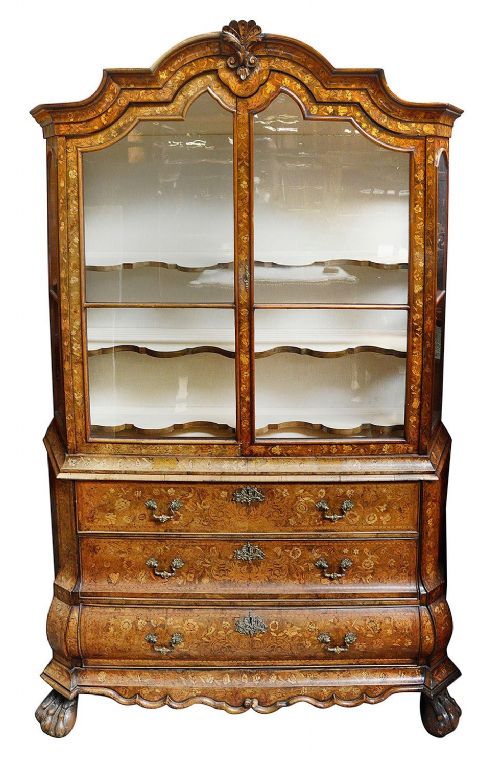
These pieces combine intricate floral marquetry with substantial timber forms, making a dutch floral inlaid cabinet a striking focal point for any room.
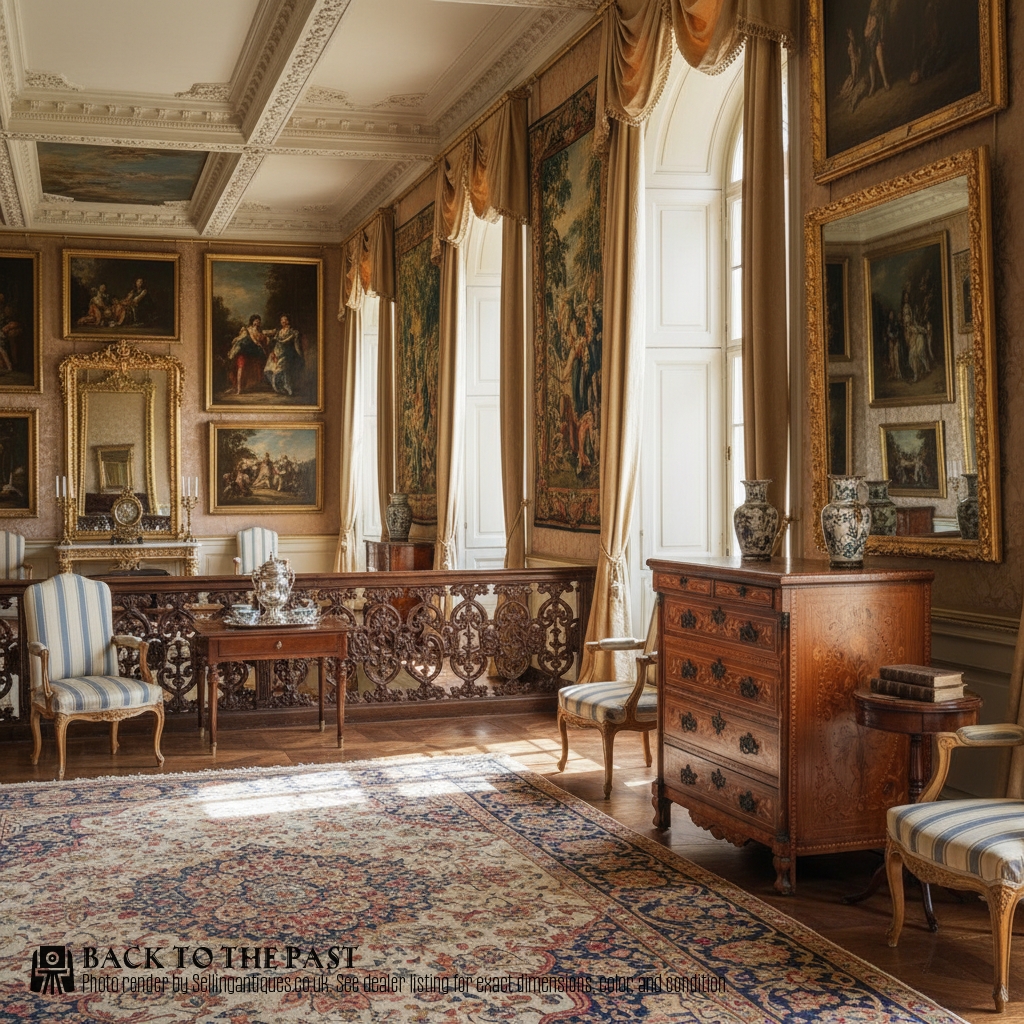
Dutch Floral Inlaid Cabinet
A dutch floral inlaid cabinet encompasses a range of storage and display pieces defined by detailed wood-inlaid floral patterns. The selection spans the seventeenth, eighteenth, nineteenth, and early twentieth centuries, drawing on styles from Dutch Baroque to Neoclassical.
Walnut, mahogany, oak, and fruitwood serve as the primary woods, often enriched with burr walnut veneers. These vessels functioned as status symbols and practical storage in historic interiors, and they continue to serve that purpose today.
How They Were Made
Cabinetmakers constructed carcases from solid woods such as oak and pine, applying walnut or mahogany veneers to the visible exterior surfaces. Selected areas received elaborate marquetry decoration composed of fruitwood and other contrasting timbers to render floral sprays and urns.
Pewter inlay and brass hardware frequently supplemented the timber designs, particularly on seventeenth and eighteenth-century examples. Artisans shaped facades using curved sawing techniques to achieve the characteristic bombe and serpentine contours.
What Varies in Quality
The precision and density of the floral marquetry dictate the visual impact of the piece. Master craftsmen arranged contrasting grains and tinted woods to create depth and shading within the petals and leaves, whereas simpler versions rely on basic repetitive motifs.
The complexity of the timber carcase architecture also distinguishes examples. Straight-fronted chests demand less joinery skill than double-curved bombe forms or fitted bureau interiors with multiple secret compartments.
Edwards & Roberts
The Dutch Floral Inlaid Cabinet Glossary
- Marquetry
- A technique of applying decorative veneer pieces to a structural carcase to form picture-like designs. Floral motifs are especially prominent in Dutch furniture traditions.
- Bombe
- A swelling, outward-curving contour on the front and sides of a chest or cabinet. This serpentine fullness requires advanced woodworking capability.
- Vitrine
- A glass-fronted display cabinet designed for showing porcelain, books, or curiosities. Glazed doors protect the contents while offering all-round visibility.
- Bureau Bookcase
- A dual-purpose form combining a sloping desk flap for writing with upper shelving enclosed by doors. These pieces often feature numerous internal pigeonholes and drawers.
- Secretaire
- A desk or cabinet containing a pull-down writing drawer or fall-front panel. It conceals a fitted interior designed for correspondence and paperwork.
Dutch Floral Inlaid Cabinet: Frequently Asked Questions
How do I care for a marquetry cabinet?
Keep the timber away from direct sunlight and heat sources to prevent the veneers from drying out or lifting. Apply a quality wax polish periodically to nourish the wood and maintain the sheen of the floral inlay.
Dust the intricate surfaces gently using a soft brush rather than a coarse cloth. This protects the delicate edges of the fruitwood and pewter details from snagging.
Where should I place a display cabinet?
Position the piece against a sturdy interior wall away from damp exterior corners and heavy foot traffic. A stable environment helps preserve the historic carcase joints and glass panels.
Ensure the floor is level so the doors and drawers operate smoothly without binding. Room proportions matter because bombe shapes project further into the space than flat-fronted furniture.
How do I identify the period?
Examine the secondary woods inside the drawers, the style of the hardware, and the complexity of the marquetry design. Seventeenth and eighteenth-century pieces often display heavier Baroque or early Neoclassical proportions with rich burr walnut.
Nineteenth-century revivals frequently adapt these earlier floral patterns onto mahogany or walnut carcases. Look at the construction methods of the drawer linings to determine the likely era of manufacture.
What is a bureau bookcase used for?
The sloping flap folds down to provide a writing surface above a set of drawers. Pigeonholes and small drawers inside hold stationery and documents out of sight.
The upper section houses books or decorative objects behind glazed doors. This combined storage made the form popular in studies and principal reception rooms.