
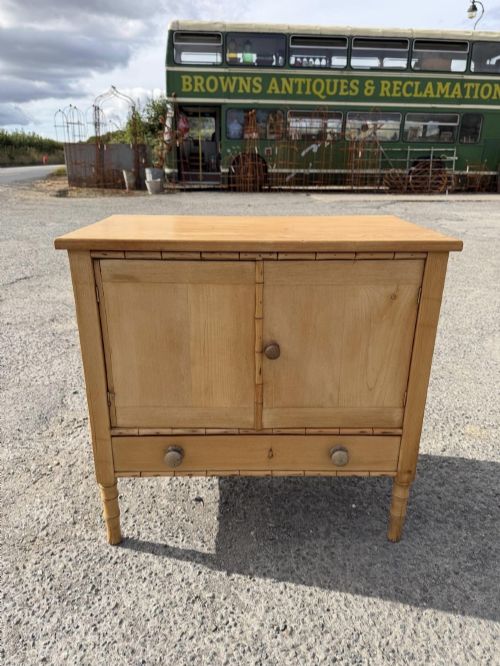
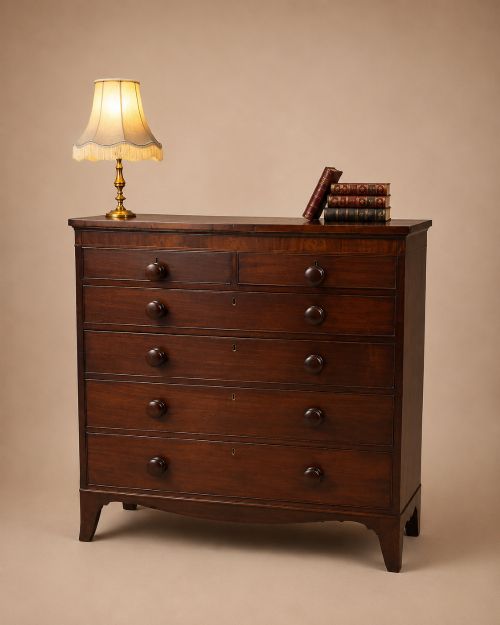
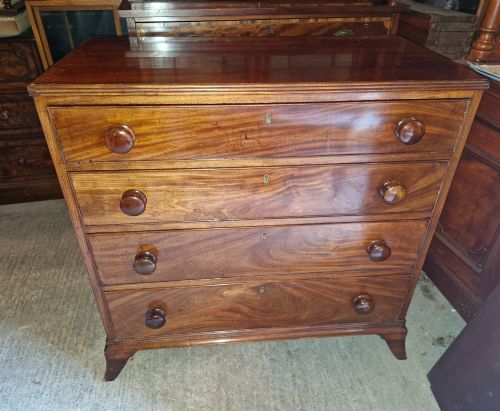
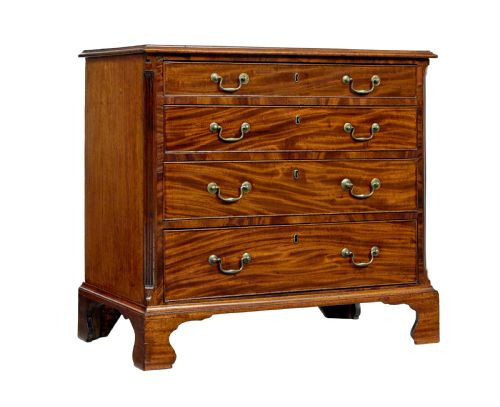


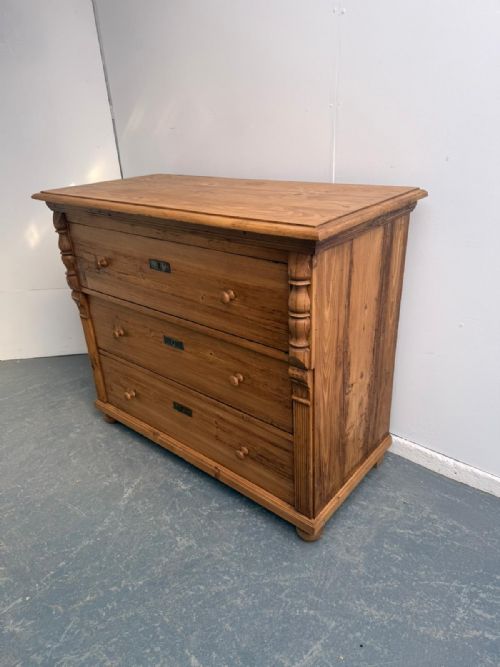

Early 19th Century Commode
An early 19th century commode brings architectural weight and deep timber grain to a room.
Form and Origin
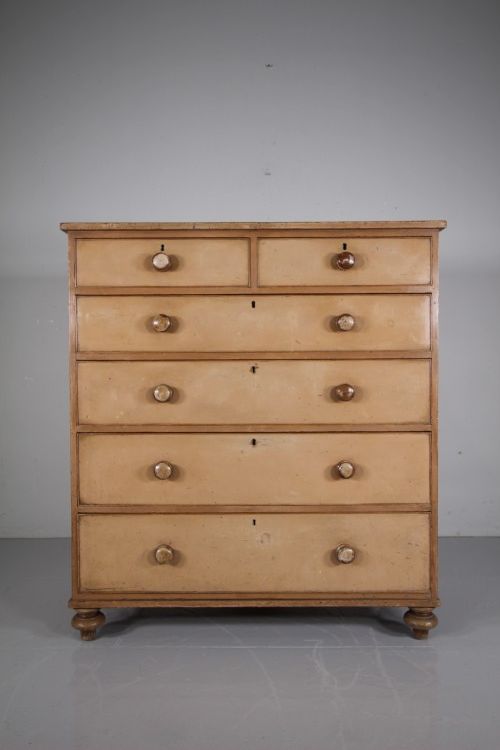
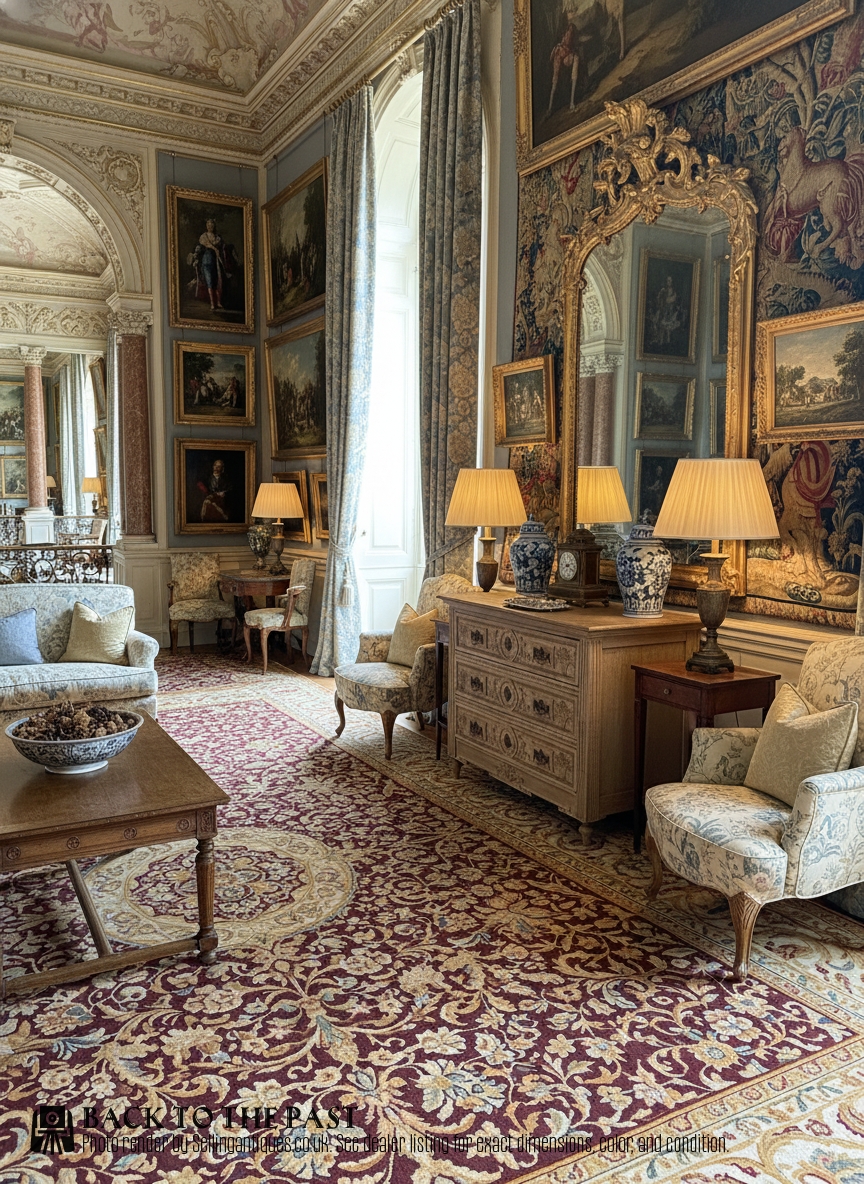
An early 19th century commode takes the form of a low chest of drawers or side cabinet designed for storage and display. The pieces on this page span French, Dutch, German, Italian, Spanish and English workshops.
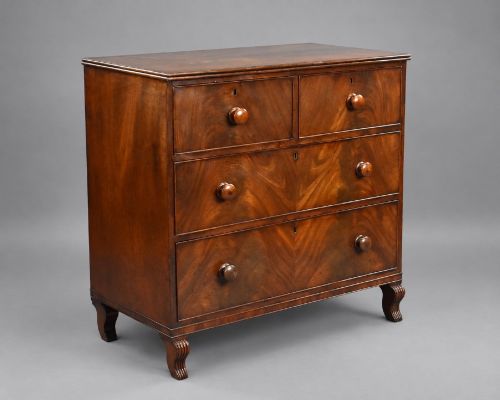
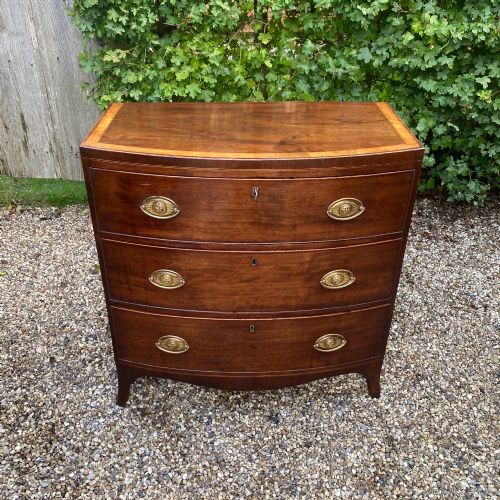
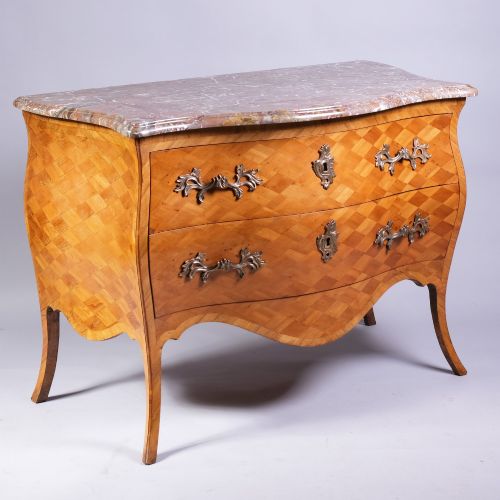
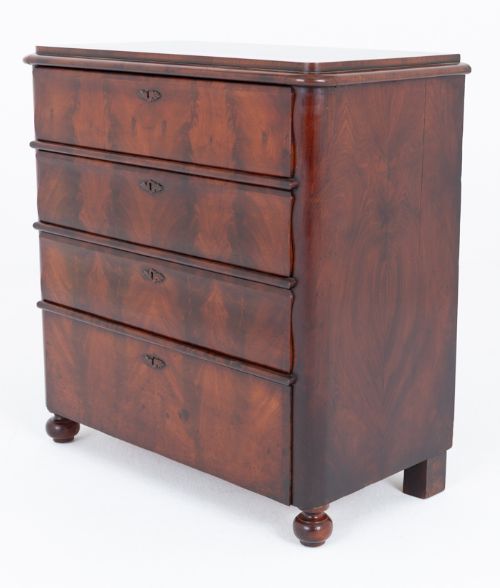
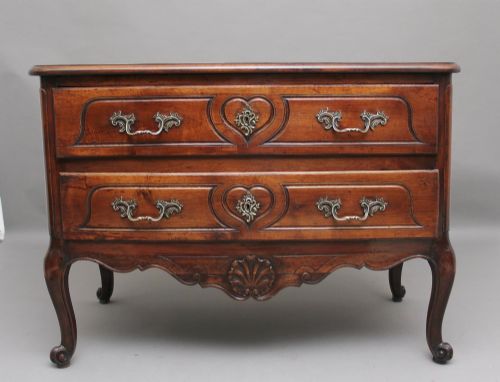
The Biedermeier and French Empire styles dominate the selection alongside regional French Provincial and Dutch marquetry pieces. Walnut and mahogany appear most frequently, shaped into rectangular or serpentine carcases.
Walnut, mahogany and oak form the structural core of these items, frequently accented with fruitwood inlay, satinwood or burr veneers.
Materials and Construction
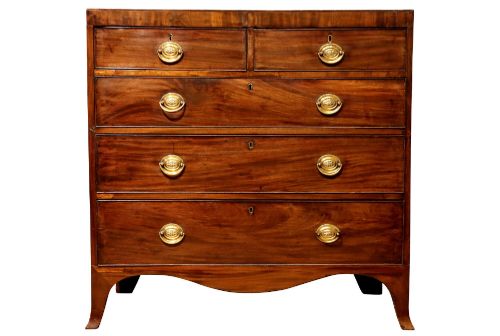
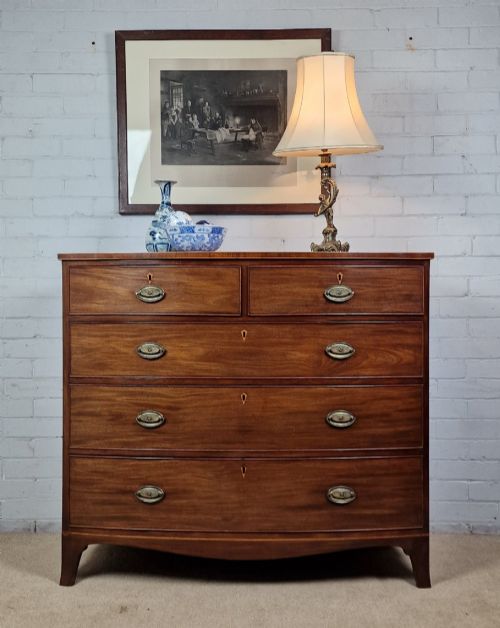
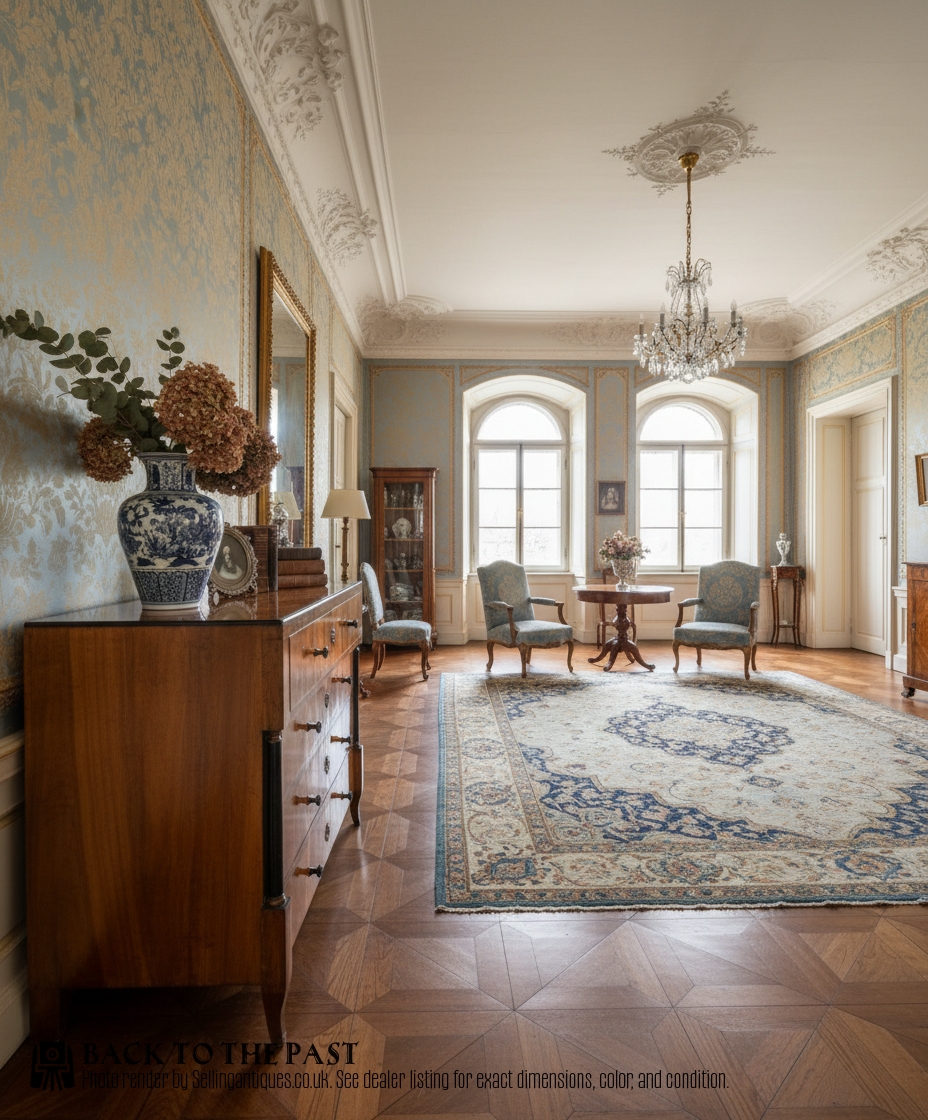
Cabinet makers constructed the carcase using solid woods such as oak and mahogany, applying figured veneers like burr walnut and flame mahogany to the primary surfaces. Fruitwood inlay and satinwood add contrasting detail.
Many examples incorporate marble tops, mounted directly onto the wooden framework. Brass hardware, including handles and escutcheons, provides functional and decorative contrast to the dark timber.
Retail Price Guide 2026
Typical UK retail prices for early 19th century commode, calculated from the Sellingantiques database of over a million retail prices indexed since 2003. This retail price guide relies exclusively on Sellingantiques data; no external sources or auction records are used, so the figures do not describe the wider market.
Several commodes stand on carved paw feet, giving heavy timber cabinets an unexpectedly nimble stance.
The Measure of Quality
Quality rests on the selection and matching of wood veneers, particularly where flame mahogany or burr walnut wraps around the drawer fronts. Symmetrical grain patterns denote higher craftsmanship.
The integration of secondary elements such as marble slabs, cast brass mounts and crisp fruitwood marquetry dictates the tier of the piece. Clean joinery in the drawer carcases separates standard regional work from finer metropolitan commissions.
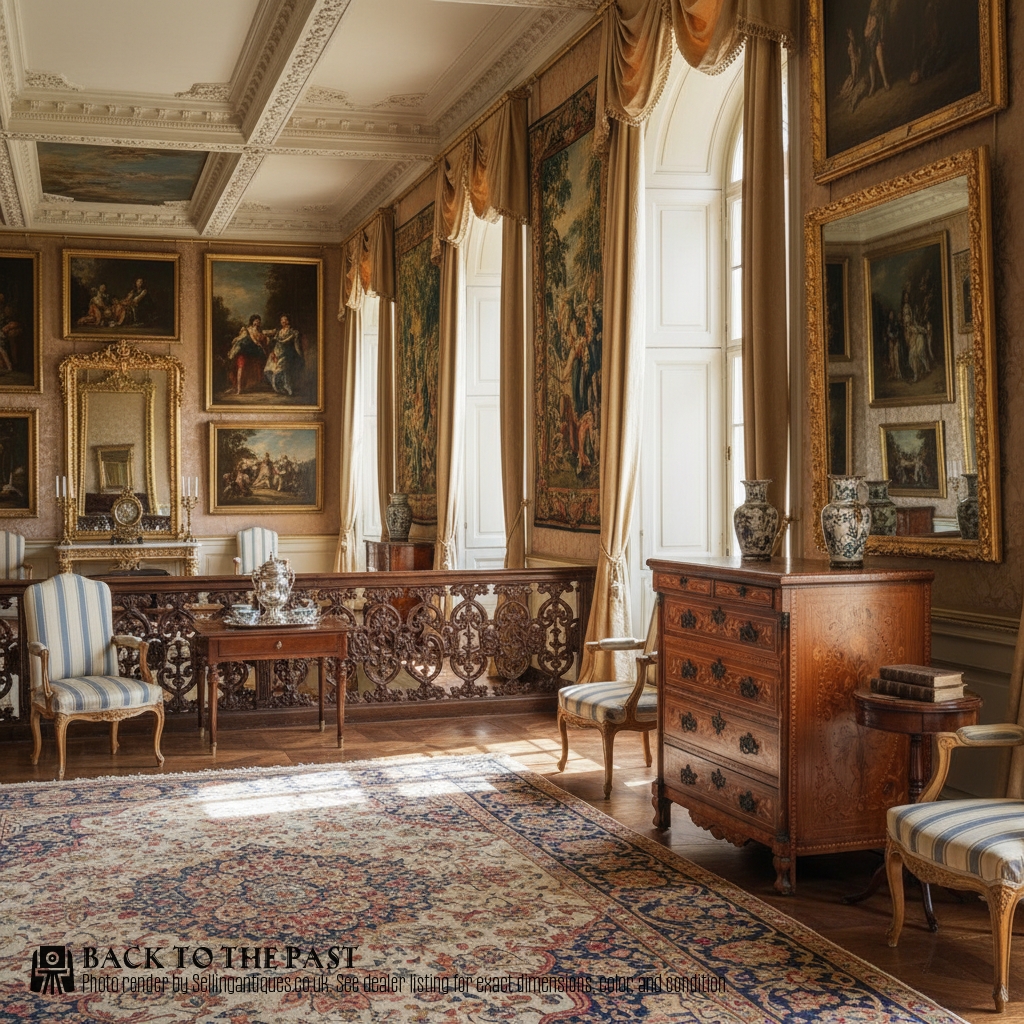
The Early 19th Century Commode Glossary
- Commode
- A low chest of drawers or cabinet originating in France. This form served both functional storage and decorative purposes in the domestic interior.
- Biedermeier
- A Central European style dating from the early decades of the nineteenth century. It prioritises clean lines and rich domestic timber grains over ornate carving.
- Marquetry
- The art of applying pieces of veneer to a structure to form decorative patterns. Dutch examples often display floral motifs in light woods against a darker ground.
- Serpentine
- A furniture front curved in a wave shape with a convex centre flanked by concave sides. This technique requires considerable skill from the timber cutter.
- Ebonised
- Wood treated to imitate ebony through staining or painting. This finish creates a dark, uniform surface seen on specific Empire period pieces.
Frequently Asked Questions
How do I identify a Biedermeier commode?
Biedermeier commodes originate from Central Europe and display restrained, architectural forms. They rely on the natural grain of timbers such as cherry and birch rather than heavy carving.
Drawer pulls are often understated, and the overall silhouette remains clean and geometric.
Where were these commodes made?
The pieces originate across Europe, with strong representations from French, Dutch, German, Italian and English workshops. Regional preferences dictated the choice of timber and decorative motifs.
French pieces often incorporate marble tops and Empire styling, while Dutch versions frequently showcase intricate floral marquetry.
How do I care for a marble top commode?
Marble surfaces require gentle cleaning with warm water and a neutral soap to avoid etching the stone. Protect the top from acidic liquids and moisture rings.
The underlying wood carcase benefits from occasional application of appropriate furniture wax to nourish the timber.