





Dutch Faience Wall Plate
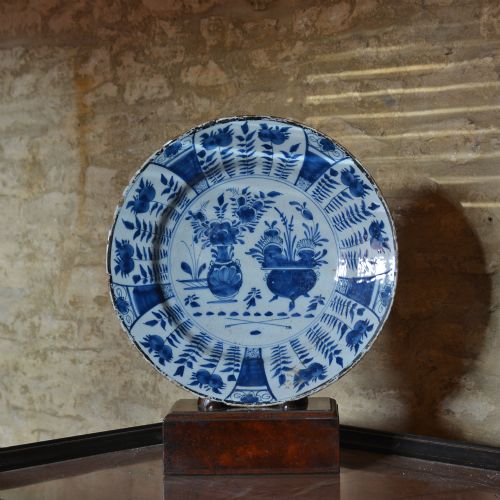
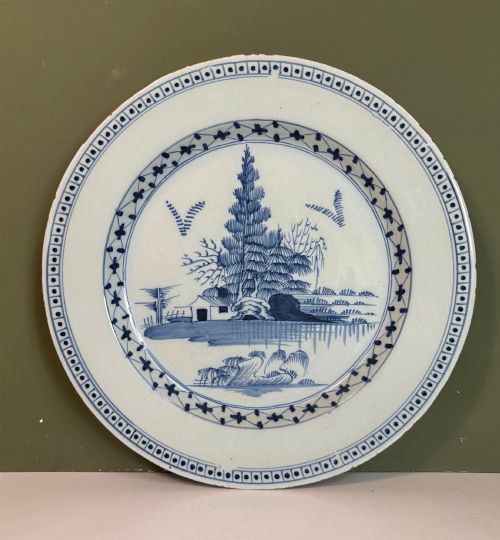
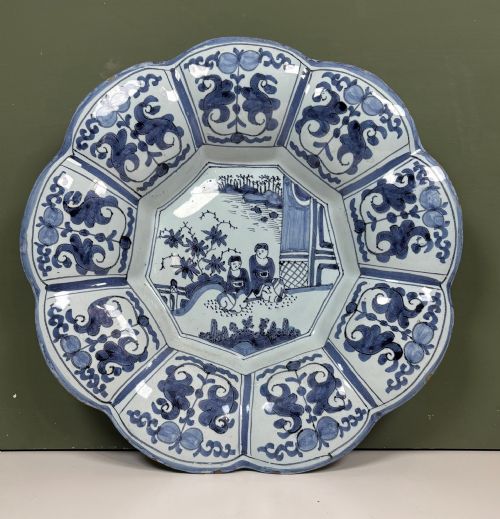
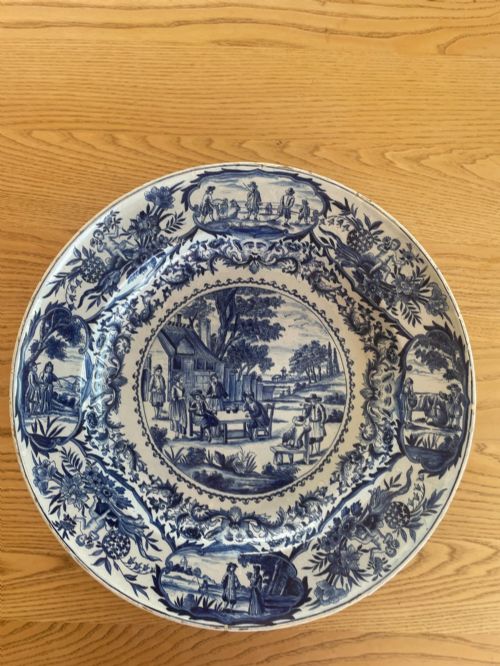
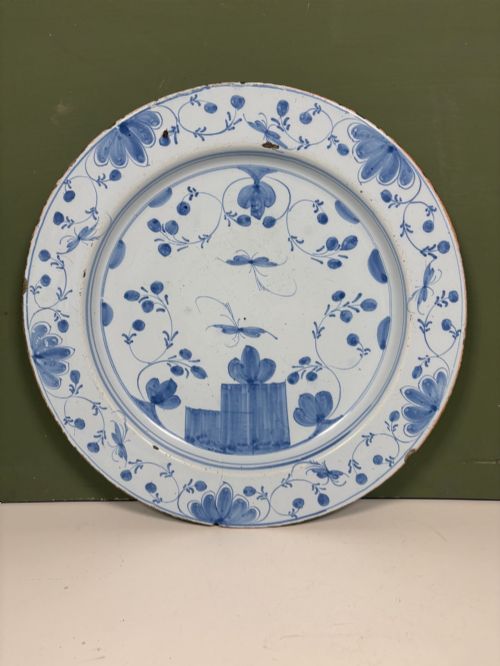
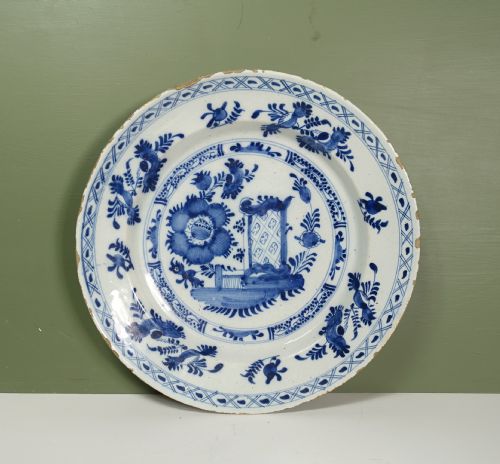
A dutch faience wall plate brings seventeenth and eighteenth-century earthenwares into modern interiors through hand-painted cobalt and rich tin glazes.
Dutch Faience Wall Plate
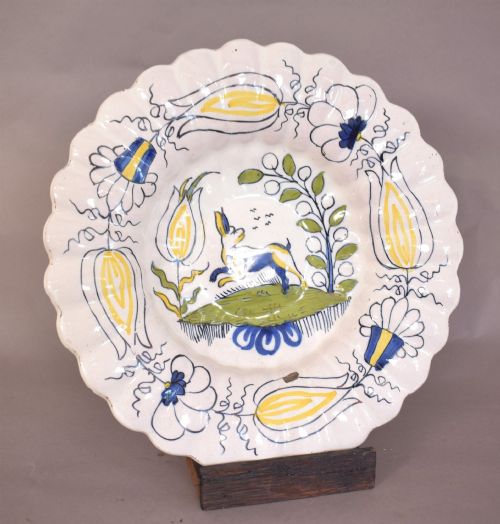
Forms range from large chargers designed for display to smaller decorative plates and polychrome dishes. These pieces represent the standard domestic and decorative output of historic Dutch potteries.
How they were made
Potters shaped earthenware bodies and coated them in tin glaze to create a smooth, opaque white surface suitable for painting. Artisans then applied cobalt pigment directly onto the unfired glaze, capturing deep blue tones.
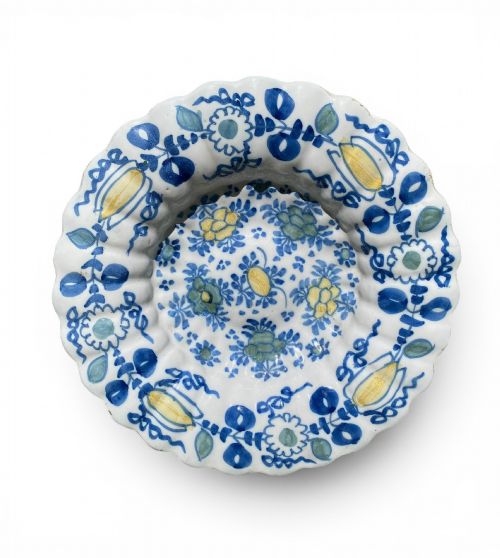
Polychrome examples incorporate additional mineral pigments alongside cobalt to achieve varied geometric and floral palettes. The pieces were subsequently fired to fuse the pigments with the tin glaze.
Dutch Faience Wall Plate Retail Price Guide 2026
Typical asking prices for dutch faience wall plate among the pieces listed under this phrase on Sellingantiques today, from the lower quarter to the upper quarter. They describe what is for sale here now, not the wider market.
Listings span the seventeenth and eighteenth centuries, uniting tin-glazed earthenware bodies with cobalt pigment and polychrome decoration.
What varies in quality
Quality rests upon the crispness of the cobalt painting and the depth of the tin glaze. Tonal control in brushwork and the complexity of floral or geometric designs distinguish finer examples from standard domestic output.
The stability of the earthenware body and the preservation of the glaze surface define the condition and visual impact of each charger or plate.
The Dutch Faience Wall Plate Glossary
- Tin-Glazed Earthenware
- Earthenware pottery covered with a tin oxide glaze that fires to an opaque white finish. This technique formed the foundation for traditional Delftware production.
- Cobalt Pigment
- A metallic colourant used to achieve deep blue painting on ceramic glazes. It remains stable at high kiln temperatures.
- Charger
- A large decorative plate intended for display on walls or sideboards rather than dining use. These pieces often feature elaborate painted scenes.
- Polychrome
- Decoration employing multiple colours rather than a single hue like blue and white. Dutch makers utilised varied pigments for floral and geometric motifs.
Dutch Faience Wall Plate: Frequently Asked Questions
How do I hang a wall plate safely?
Display chargers and decorative plates securely using properly fitted, non-abrasive brass wire hangers designed for historic ceramics. Ensure the weight rests evenly across the base and rim.
Verify that the wall fixture anchors firmly into solid masonry or studwork to support the considerable weight of seventeenth and eighteenth-century earthenware bodies.
Are these plates meant for dining?
Historic Dutch faience plates and chargers served primarily as display items or decorative furnishings in domestic interiors rather than daily tableware. Their porous earthenware bodies and tin glazes are unsuited to modern culinary use.
Using them for serving food risks damaging the historic glaze and exposing fragile ceramic material to moisture and heat.
How do I clean historic tin glaze?
Dust these plates gently with a dry, soft microfibre cloth to remove surface particles without disturbing the glaze. Avoid liquid cleaners, soaking, or abrasive scouring.
Moisture can penetrate historic earthenware through hairline fractures in the tin glaze, leading to staining or structural deterioration over time.
What distinguishes polychrome from blue and white?
Polychrome decoration incorporates several mineral pigments alongside cobalt to create multi-coloured floral and geometric schemes. Blue and white pieces rely exclusively on cobalt oxide painted directly onto the white tin glaze.
Both styles emerged from seventeenth and eighteenth-century Dutch workshops, reflecting shifting aesthetic preferences and export demands.