


Antique Delft Ceramic Plate
An antique delft ceramic plate brings the tactile weight of tin glaze and cobalt pigment directly into a modern room.
Antique Delft Ceramic Plate
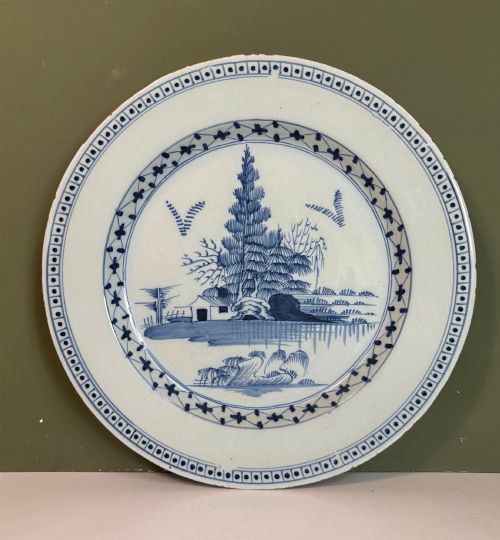
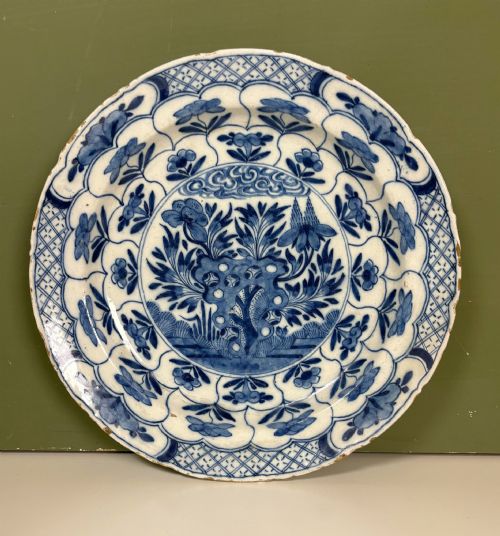
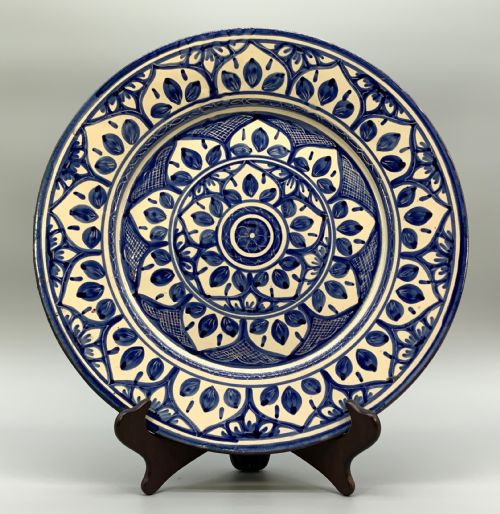
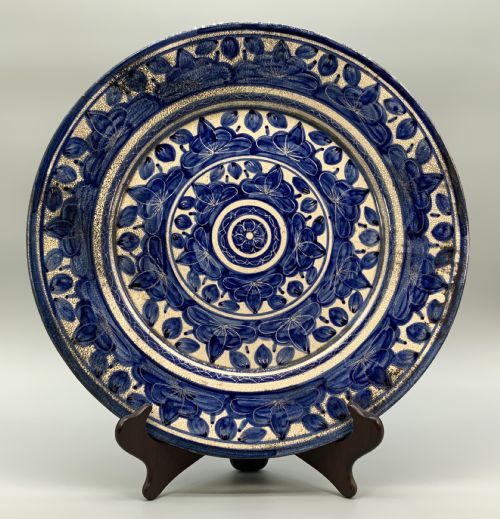
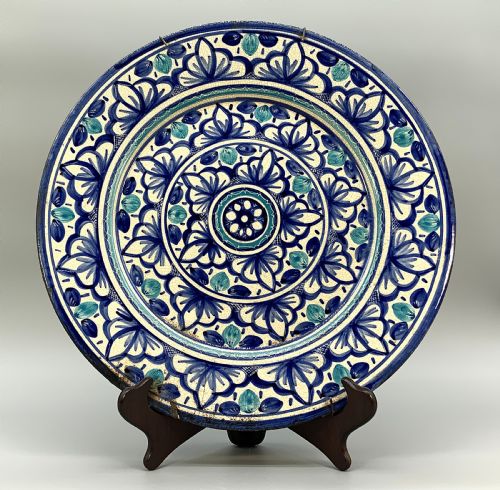
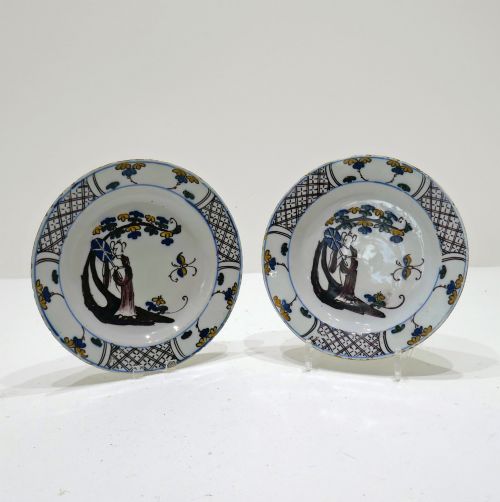
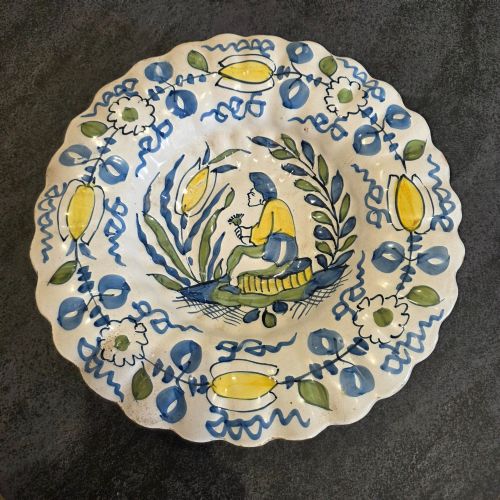
When you search for an antique delft ceramic plate, you encounter tin-glazed earthenware vessels produced across centuries in workshops ranging from English centres to Dutch kilns. The pieces on this page span the seventeenth, eighteenth, and nineteenth centuries, taking the form of shallow dishes, deep chargers, and broad platters.
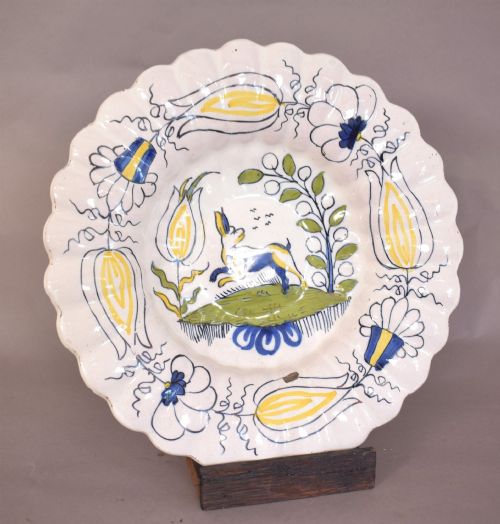
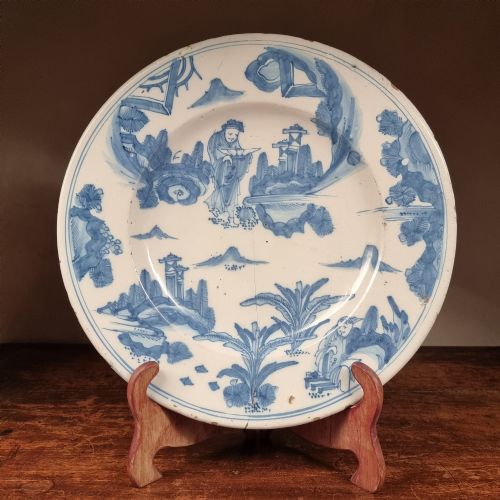
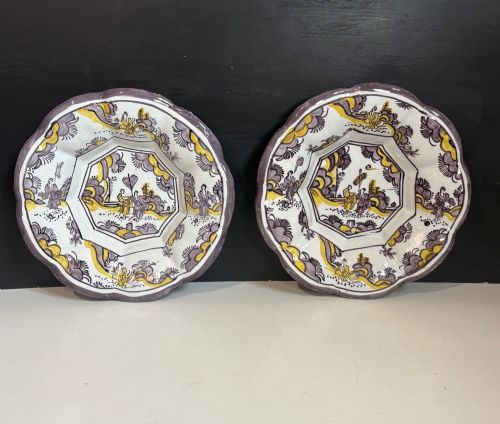
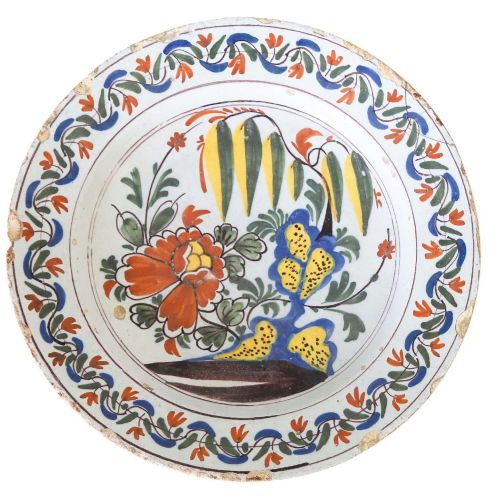
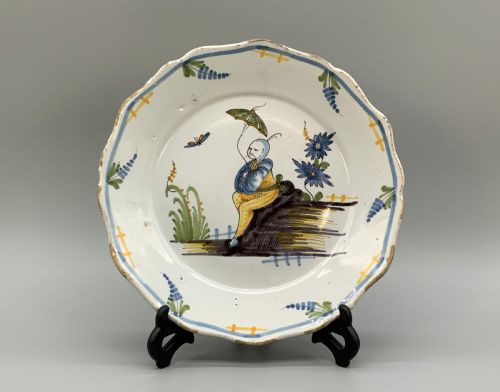
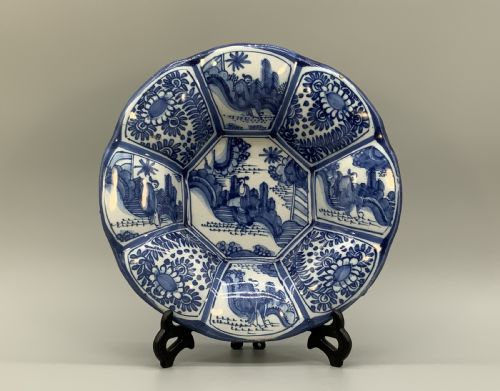
The most common formats you will meet are large blue and white chargers and polychrome plates featuring floral or Chinoiserie motifs. These domestic and decorative objects carry the marks of hand painting and early firing techniques that define tin-glazed earthenware from this extended period.
Materials and production methods
Potters built these plates from earthenware clay, coating the fired body in a white tin glaze that created an opaque surface suitable for painting. Artisans then applied mineral colours directly onto this absorbent unfired glaze before subjecting the piece to the kiln.
Cobalt pigment provided the deep blues seen in traditional pieces, while manganese, yellow, and other mineral oxides delivered the palette for polychrome examples. This technique required steady brushwork, as the porous glaze absorbed the pigment immediately upon contact.
Listings feature earthenware plates and chargers spanning the seventeenth century through to the mid-twentieth century.
Distinctions in craftsmanship
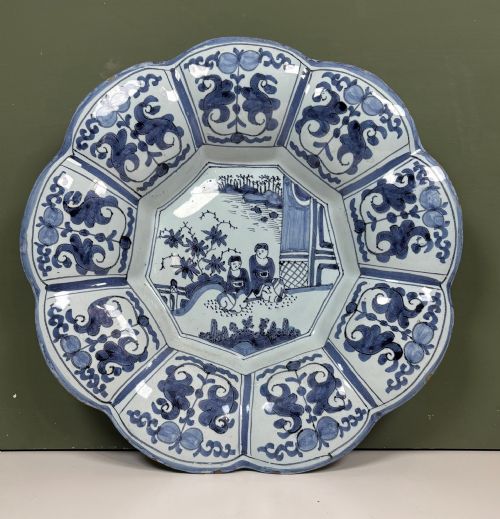
Quality rests in the confidence of the brushwork and the clarity of the painted narrative, whether the design follows a geometric layout or a complex floral arrangement. Superior pieces display crisp execution in styles like Kraak or Chinoiserie, where the pigment sits evenly across the tin ground without muddying the contours.
The density and smoothness of the tin glaze itself distinguish finer specimens, alongside the skill required to fire large chargers without significant warping. Pieces maintaining a balanced form and vivid pigment separation command greater appreciation among collectors.
Van Genden
The Antique Delft Ceramic Plate Glossary
- Tin-glazed earthenware
- Pottery covered with a lead glaze made opaque by the addition of tin oxide. This white surface served as the canvas for painted decoration.
- Charger
- A large ornamental or serving plate, typically measuring well over thirty centimetres across. These substantial pieces were often displayed on walls or dressers rather than used at the table.
- Chinoiserie
- European decorative style reflecting Chinese artistic motifs and landscapes. Artisans reinterpreted Asian porcelain designs using local tin-glaze palettes.
- Kraak style
- A decorative scheme originating from Chinese export porcelain, featuring segmented panels around a central motif. Dutch delft makers adopted this layout extensively in the seventeenth century.
- Polychrome
- Decoration employing multiple colours rather than a single pigment. On these plates, manganese, yellow, and green frequently complement the standard blue.
Antique Delft Ceramic Plate: Frequently Asked Questions
What is a delft charger?
A delft charger is a large decorative plate produced during the seventeenth and eighteenth centuries, primarily in England, the Netherlands, and continental Europe. These wide earthenware dishes were designed for display on sideboards or walls.
Craftsmen painted them with cobalt blue or multi-coloured pigments over a white tin glaze. Their generous surface area allowed potters to execute elaborate floral, geometric, and figural scenes.
How do I identify eighteenth-century delft?
Eighteenth-century delft pottery typically exhibits tin-glazed earthenware bodies decorated with hand-painted cobalt blue, manganese purple, or polychrome pigments. Look for traditional motifs such as floral sprays, Chinoiserie figures, or geometric borders.
The weight of the earthenware and the characteristics of the glaze provide further clues to their period of origin. Comparing pieces against documented examples helps confirm their specific decade.
Were these plates used for dining?
While smaller dishes saw service at the table, many larger chargers functioned purely as decorative wall hangings or display pieces in wealthy homes. The soft tin glaze made them susceptible to scratching and chipping from metal cutlery.
Owners mounted them on dressers or walls to showcase their artistic scenes and vibrant mineral colours. This decorative role preserved many examples in collectible condition.
How should I display an antique plate?
Antique plates require secure mounting systems designed specifically for earthenware objects to distribute weight evenly across the rim. Wall plates benefit from sturdy wire hangers with protective rubber tips.
Keep display locations away from direct sunlight and areas subject to sudden temperature shifts. Stable indoor environments protect the historic tin glaze from unnecessary stress.