



18th Century Dutch Faience
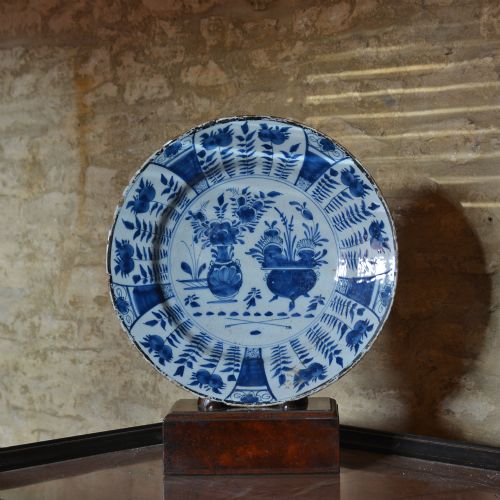
These pieces of 18th century dutch faience bring tin-glazed earthenware into a room with painted cobalt and polychrome palettes.
18th Century Dutch Faience
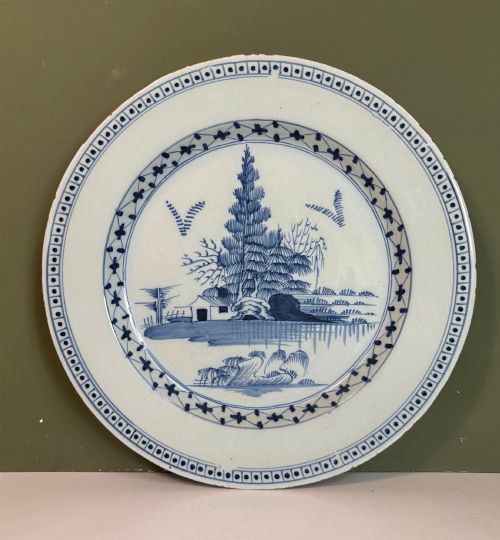
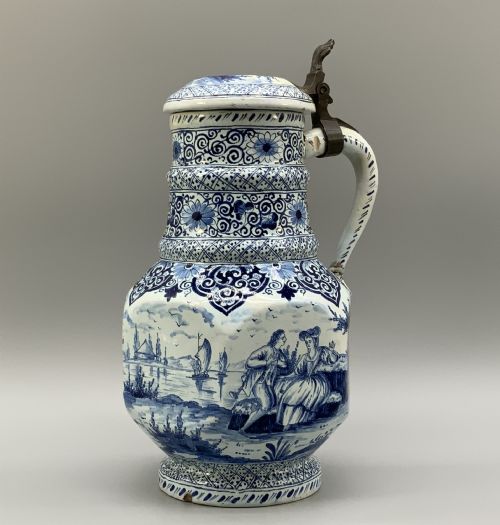
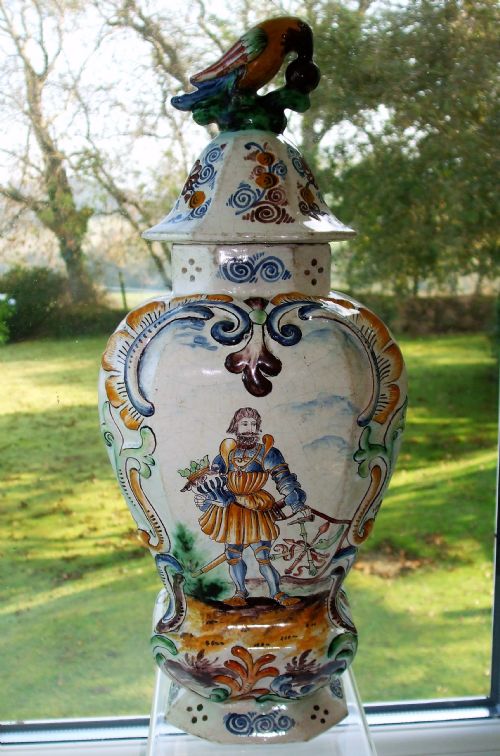
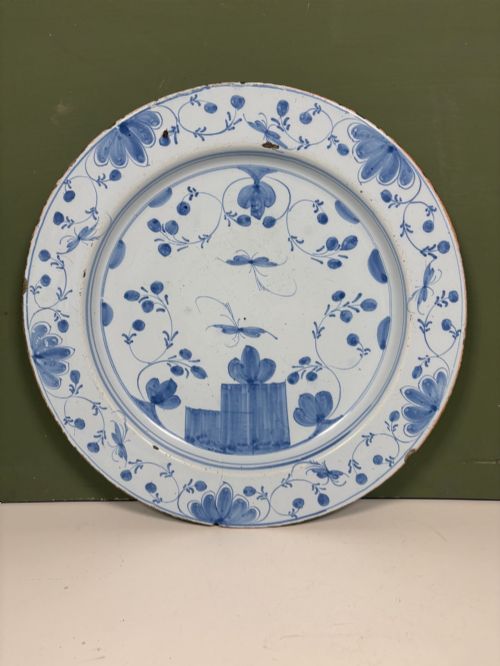
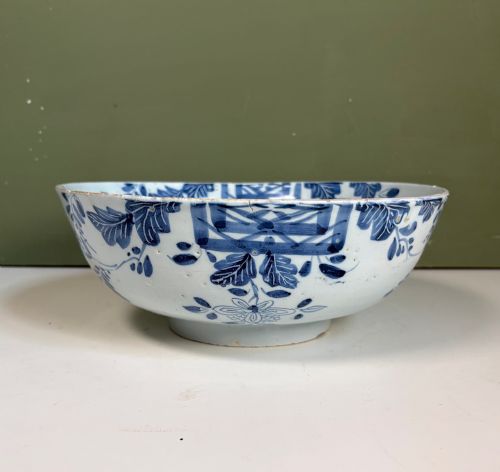
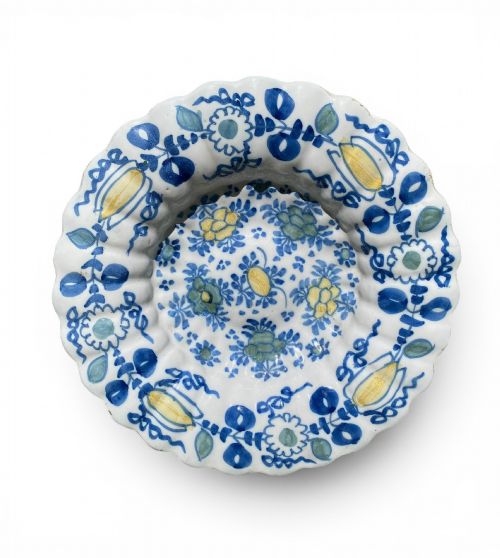
When someone searches for 18th century dutch faience, they encounter a range of ceramic vessels and display objects shaped by potters working in traditions often tied to Delft. The most common forms met on this page are decorative plates, large charger plates, and jars, alongside jugs, vases, and occasional plaques or sweetmeat dishes.
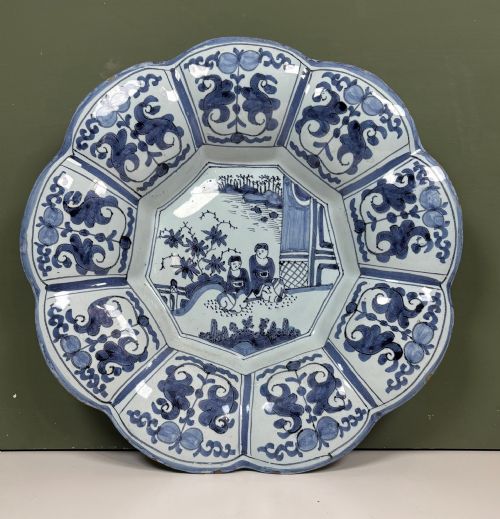
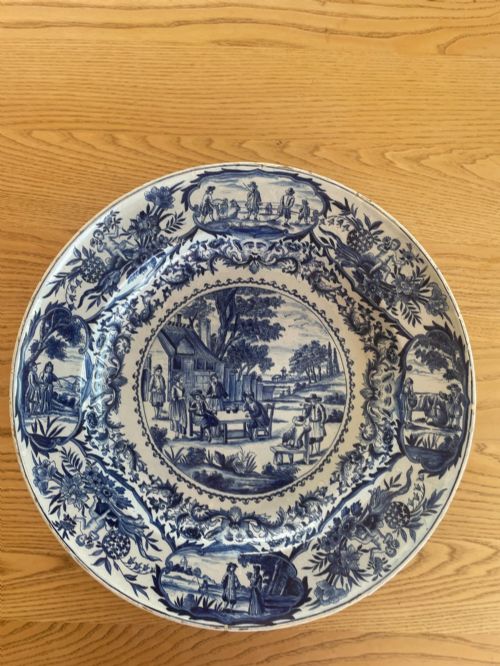
These items span periods predominantly rooted in the eighteenth century, though examples stretch from the seventeenth century through to the nineteenth century. Makers produced both blue and white designs and polychrome schemes, including chinoiserie motifs and figural subjects such as the Last Supper.
Materials and construction
The primary material is tin-glazed earthenware, forming a porous ceramic body coated in an opaque white tin glaze that accepts cobalt pigment and other metal oxides for painting. Artisans applied pigments directly to the unfired or lightly fired glaze, allowing the colour to absorb into the surface during a secondary firing.
Some domestic vessels incorporate auxiliary elements such as pewter lids or brass fittings, adding structural metalwork to ceramic jugs and inkstands. Potters also formed distinct shapes including octagonal vases, garden urns, and fitted apothecary jars.
18th Century Dutch Faience Retail Price Guide 2026
Typical asking prices for 18th century dutch faience among the pieces listed under this phrase on Sellingantiques today, from the lower quarter to the upper quarter. They describe what is for sale here now, not the wider market.
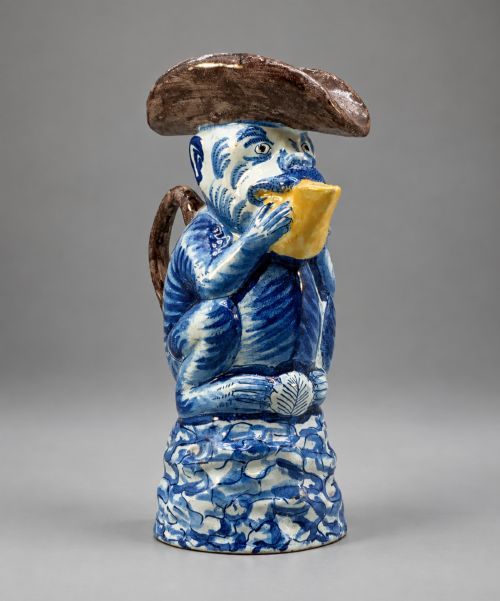
Potters occasionally turned monkey figures into toby jugs, proving that eighteenth-century kitchens enjoyed a sense of humour.
Quality and execution
Quality rests upon the crispness of the painted brushwork and the complexity of the palette, distinguishing simpler blue and white production from rich polychrome or manganese detailing. The precision of the tin glaze application and the stability of the earthenware body during firing dictate the clarity of the finished design.
Scale and ambition separate standard domestic plates from monumental garden urns, large chargers, and specialised forms like the monkey toby jug or fitted sweetmeat presentier. Superior examples maintain balance across complex pictorial scenes or geometric floral borders without pooling or distortion in the glaze.
Pieter Verburg
The 18th Century Dutch Faience Glossary
- Faience
- Tin-glazed earthenware produced in continental Europe, typically featuring a white opaque glaze painted with metallic oxides. This term encompasses the various regional potteries that imitated Chinese porcelain and local styles.
- Charger
- A large decorative plate intended for display on a wall or sideboard rather than daily dining. These pieces often carry the most ambitious painted schemes in a collection.
- Polychrome
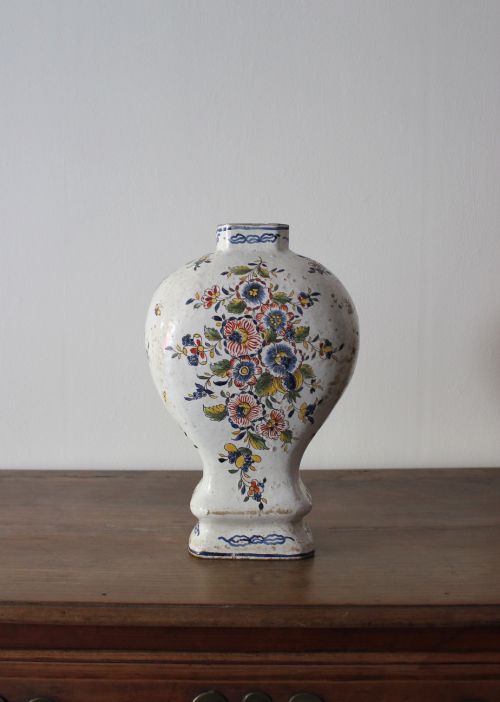
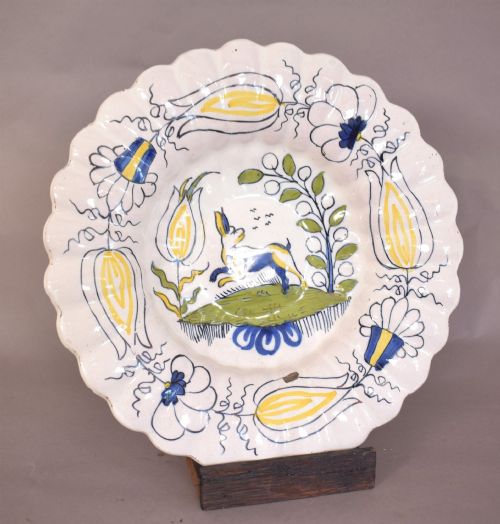
- A ceramic decoration utilising multiple colours beyond traditional blue and white, often combining manganese, iron red, and yellow pigments. These palettes frequently appear in floral and chinoiserie compositions.
- Chinoiserie
- European interpretations of Chinese artistic motifs, popular on ceramics throughout the period. Painters rendered imaginary landscapes, figures, and pavilions using blue or polychrome pigments on tin glaze.
- Tin Glaze
- An opaque white ceramic glaze containing tin oxide, providing a smooth surface for painted decoration. It distinguishes earthenware bodies from true porcelain.
18th Century Dutch Faience: Frequently Asked Questions
What is 18th century dutch faience?
It refers to tin-glazed earthenware objects made in the Netherlands during the eighteenth century, encompassing plates, jars, and jugs decorated in blue and white or polychrome pigments.
These ceramics often emulated Chinese porcelain imports while developing distinct European forms and local Dutch motifs.
How were these chargers used?
Large charger plates served primarily as decorative items for display on dressers or walls rather than for serving food at table.
Their substantial size provided potters with a wide canvas for complex floral patterns and pictorial scenes.
How do I care for tin glaze?
Keep these earthenware pieces away from moisture and avoid harsh cleaning agents that might harm the porous ceramic body and historic glaze.
Display them securely on stable surfaces or wall mounts designed to support the weight of heavy chargers and urns.
How can I tell the difference between blue and white and polychrome?
Blue and white pieces rely solely on cobalt pigment beneath or within the tin glaze, creating tonal blue designs against a white ground.
Polychrome examples introduce additional colours such as manganese purple, yellow, and iron red to build more vibrant, multi-hued compositions.