



Dutch Delftware Plate
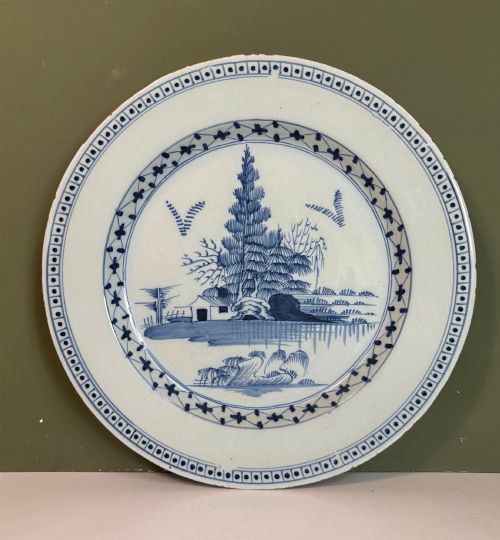
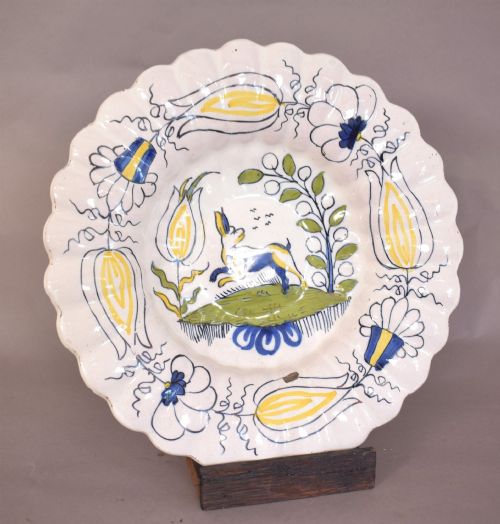
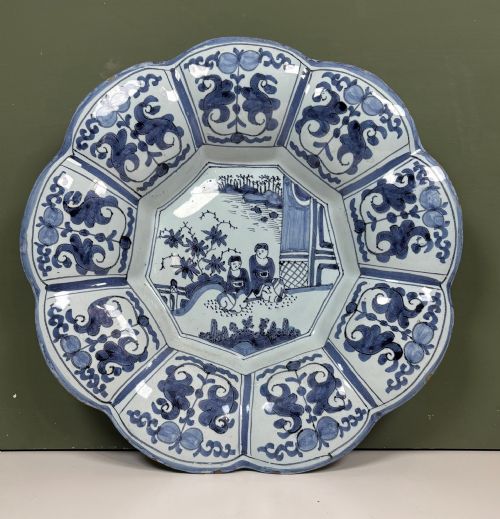
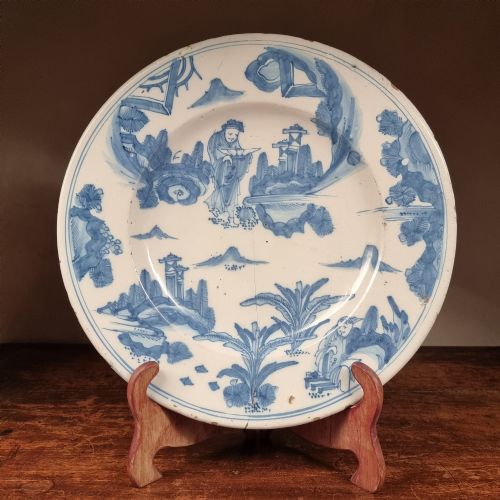
These Dutch delftware plate selections bring tin-glazed earthenware into modern rooms through seventeenth- and eighteenth-century chargers and dishes.
Dutch Delftware Plate
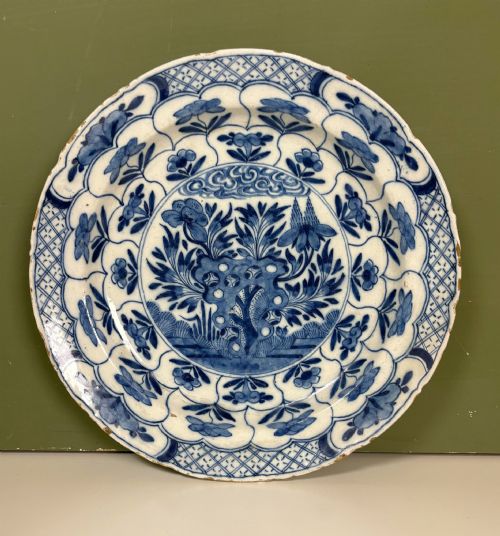
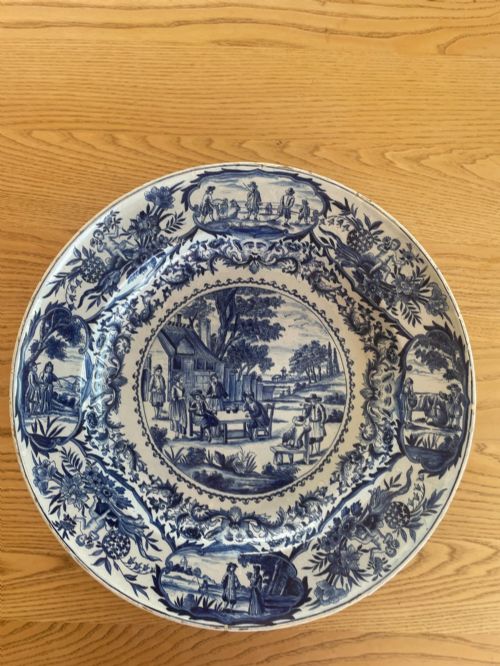
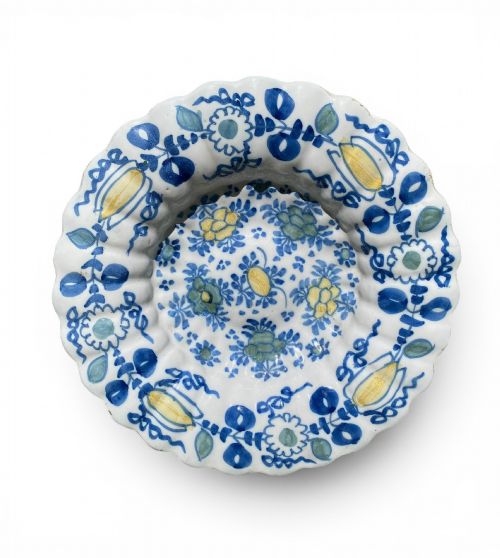
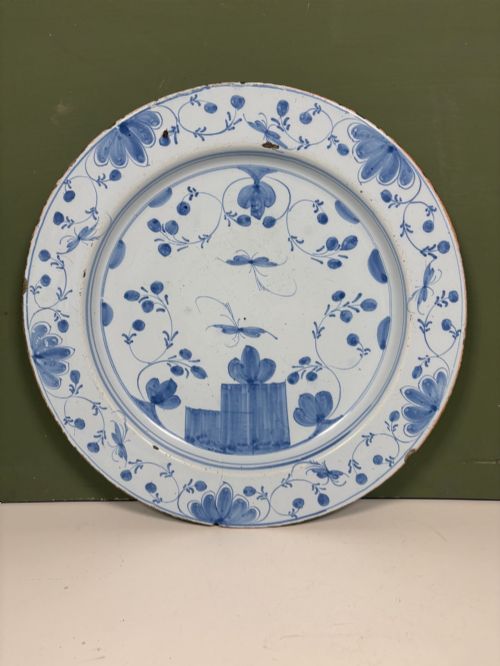
When someone searches for a dutch delftware plate, they encounter a range of ceramics spanning the seventeenth, eighteenth, and nineteenth centuries. These items appear primarily as large chargers, decorative plates, and lobed dishes.
The pieces on this page originate predominantly from workshops in the Netherlands during the Dutch Golden Age and subsequent Georgian periods. Forms range from shallow bowls to expansive display chargers intended for wall hanging or sideboard presentation.
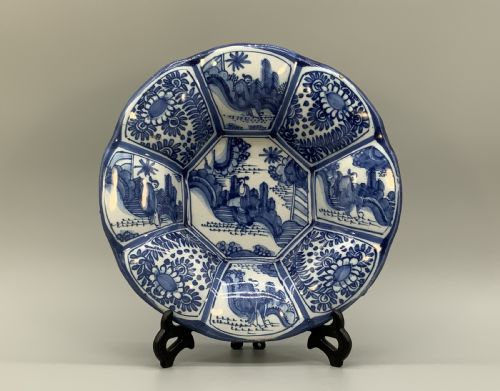
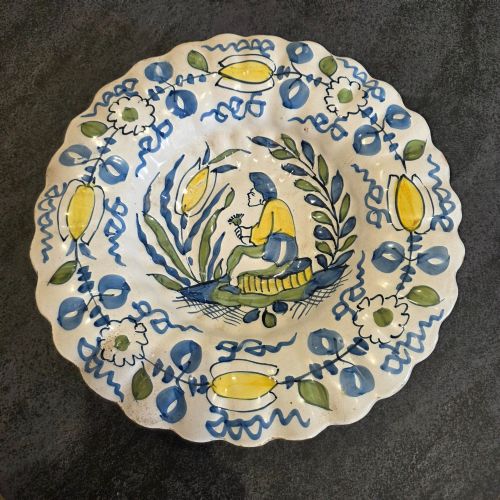
Buyers frequently meet blue and white or polychrome examples decorated with floral, geometric, or Chinese-inspired motifs. Both single plates and matched pairs or sets emerge regularly from the listings.
How they were made
Potters formed these items from earthenware clay, coating the fired body in a white tin glaze to create an opaque canvas for painting. Artisans then applied cobalt pigment or manganese oxide directly onto the absorbent surface before a final kiln firing.
Grand feu techniques allowed pigments to fuse deeply with the liquid tin glaze during high-temperature firing. Many works also utilised polychrome palettes alongside traditional cobalt blue to achieve layered floral and figural designs.
Dutch Delftware Plate Retail Price Guide 2026
Typical asking prices for dutch delftware plate among the pieces listed under this phrase on Sellingantiques today, from the lower quarter to the upper quarter. They describe what is for sale here now, not the wider market.
Listings feature eighteenth-century and seventeenth-century eras alongside tin-glazed earthenware and cobalt pigment.
What varies in quality
The crispness of the cobalt brushwork and the vibrancy of polychrome enamel separation distinguish finer works from standard production. Superior examples display confident, fluid brush strokes within complex Chinoiserie or floral arrangements.
The purity and gloss of the tin glaze also define the tier of a piece, with smoother, more even surfaces commanding greater regard among collectors. The complexity of the vessel form, such as lobed or gadrooned edges, adds to the distinction of individual chargers.
The Dutch Delftware Plate Glossary
- Tin-glazed earthenware
- Pottery covered in an opaque white glaze containing tin oxide, providing a smooth background for painted decoration. This technique forms the structural basis of all delftware ceramics.
- Charger
- A large decorative plate typically measuring over thirty centimetres in diameter. These substantial dishes were designed primarily for display on sideboards or walls rather than for daily dining.
- Polychrome
- Decoration employing multiple colours, most commonly incorporating greens, yellows, oranges, and manganeses alongside blue. Such palettes often animate floral and geometric seventeenth- and eighteenth-century designs.
- Kraak style
- A decorative scheme inspired by late Ming dynasty Chinese porcelain exported to Europe. These designs typically feature segmented panels radiating around a central pictorial motif.
- Grand feu
- A firing method where pigments are applied directly to the raw tin glaze and subjected to a high-temperature kiln burn. This process melts the colours into the glaze for lasting durability and softness of line.
Dutch Delftware Plate: Frequently Asked Questions
Can I hang my delft charger on the wall?
Many historical chargers feature factory-made pierced footrings designed specifically for cord suspension. Modern wire display hangers also secure these plates safely for vertical presentation.
Care must be taken to use padded fixings that distribute weight evenly across the earthenware body without exerting pressure on the tin glaze.
How do I clean an antique delft plate?
Dusting with a dry, soft cloth suffices for routine maintenance of display pieces. Immersion in water should be avoided due to the porous nature of underlying earthenware.
Harsh chemical detergents will damage the historic tin glaze and soften the painted cobalt or polychrome pigments.
What is the difference between delft and delftware?
Both terms generally describe tin-glazed earthenware produced in the Netherlands, particularly around the city of Delft. The nomenclature spans items made during the seventeenth and eighteenth centuries.
Collectors and dealers use the expressions interchangeably to denote Dutch pottery created in this distinctive aesthetic tradition.
How do I tell blue and white from polychrome?
Blue and white pieces rely exclusively on cobalt pigment applied beneath or over the white tin glaze, creating tonal variations of blue. Polychrome examples introduce additional mineral colours like yellow, green, and manganese.
Both styles share the same earthenware body and tin-glazed surface preparation but offer distinct visual experiences on display.