



Dutch Delft Pottery Plate
These pieces of dutch delft pottery plate offer the unmistakable charm of tin-glazed earthenware, bringing centuries of painted ceramic artistry straight to your wall or table.
Dutch Delft Pottery Plate
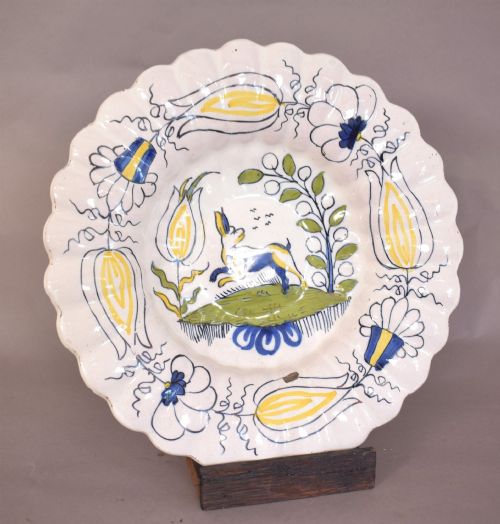
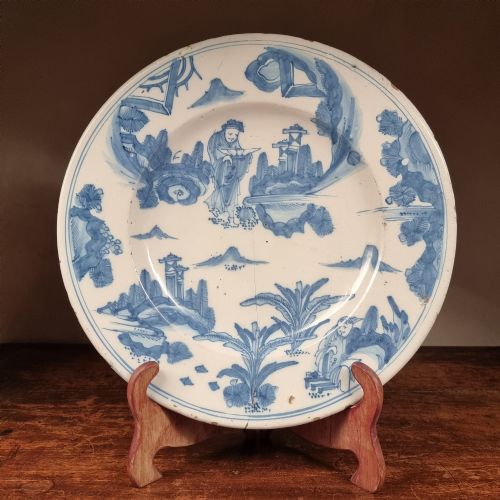
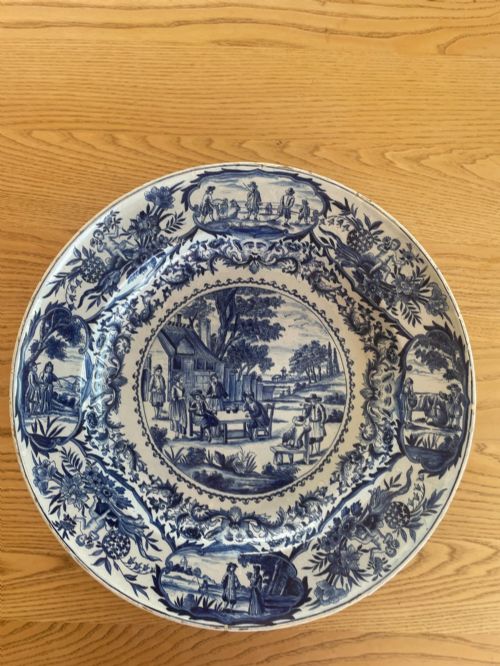
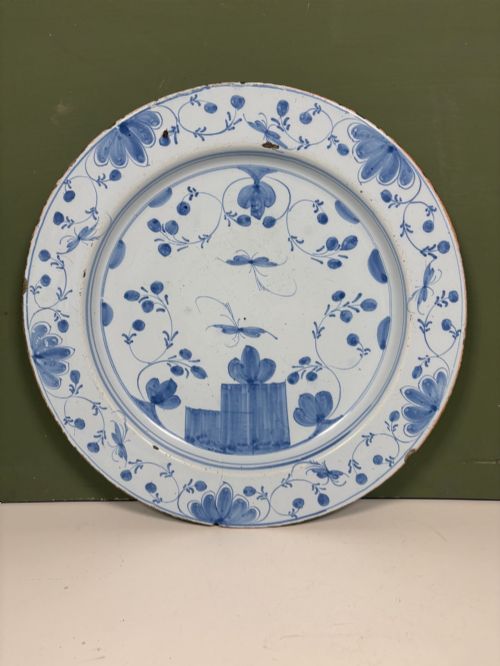
A dutch delft pottery plate represents a rich tradition of ceramic production originating in the Netherlands across the seventeenth and eighteenth centuries. These items appear as shallow bowls, chargers, and flat plates, often decorated with botanical themes or oriental figures.
Most examples found on this page date from the eighteenth century, though significant seventeenth-century chargers and nineteenth-century pieces also feature. Buyers encounter both blue and white designs and vibrant polychrome or manganese finishes.
Forms range from intimate small plates to grand wall chargers spanning over thirty centimetres in width. Collectors select these objects to display historic earthenware that mirrors global trade influences and domestic Dutch craft.
How They Were Made
Potters shaped earthenware bodies from local clay before coating the dry surface in an opaque tin glaze that provided a smooth white background for painting. Artisans then applied cobalt pigment or mineral oxides directly onto this absorbent glaze layer before the final firing.
Techniques such as the grand feu method allowed cobalt and manganese colours to fuse deeply with the tin glaze during high-temperature kiln firings. This process created the characteristic glossy finish and durable painted decoration seen across surviving chargers and dishes.
Materials recorded across the inventory include tin-glazed earthenware, ceramic, cobalt pigment, and manganese oxide.
What Varies in Quality
Quality rests upon the crispness of the cobalt brushwork and the complexity of the painted composition, whether executing intricate floral arrangements or detailed oriental figures. Finer plates display confident, fluid strokes that show the painter's immediate mastery over the liquid pigment.
The smoothness and opacity of the tin glaze also dictate standard, where an even, luminous white ground elevates the surrounding cobalt or manganese colours. Larger chargers demand exceptional skill from the potter to prevent warping during the intense kiln firing.
De Witte Ster
The Dutch Delft Pottery Plate Glossary
- Tin-Glazed Earthenware
- A porous pottery body covered in an opaque white glaze containing tin oxide. This coating provides the traditional canvas for painted blue and polychrome decorations.
- Charger
- A large decorative plate traditionally intended for display on a wall or sideboard rather than daily dining. These substantial dishes often showcase the most ambitious painting.
- Grand Feu
- A high-temperature kiln firing technique that fuses pigments directly into the raw glaze. This method produces deep, enduring colours across manganese and blue surfaces.
- Polychrome
- A decorative scheme utilising multiple colours, such as iron red, green, and yellow alongside blue. These lively palettes frequently depict flowers or oriental figures.
- Kraak
- A style of imported Chinese porcelain featuring panelled borders and central motifs that heavily influenced early Dutch potters. Local craftsmen readily adapted these designs for domestic earthenware.
Dutch Delft Pottery Plate: Frequently Asked Questions
What is a dutch delft pottery plate?
These objects are tin-glazed earthenware plates and chargers made in the Netherlands, principally during the seventeenth and eighteenth centuries. They are celebrated for their hand-painted cobalt blue or polychrome designs.
Potters drew inspiration from European landscapes and imported Chinese porcelain, resulting in a diverse range of decorative styles suitable for display.
How were these plates used historically?
Many of the larger chargers were designed primarily for decorative display on walls or sideboards rather than for serving food. Smaller plates saw use in domestic settings for dining or displaying sweetmeats.
Their striking blue and white or polychrome surfaces added colour and status to wealthy Dutch homes during the Golden Age and subsequent centuries.
How do I live with antique delftware?
Displaying these pieces safely requires secure wall hangers for chargers or sturdy plate stands for flat dishes and bowls. Keep them away from direct sources of heat and moisture to protect the historic earthenware body.
Routine maintenance involves nothing more than gentle dusting with a dry, soft cloth to preserve the delicate tin glaze.
How can I tell periods apart?
Seventeenth-century pieces often feature heavier bodies and influences from Kraak porcelain, while eighteenth-century examples frequently showcase lighter forms and refined floral or figure painting. Nineteenth-century pieces generally display a brighter, harder glaze finish.
Examining the foot ring, glaze thickness, and stylistic motifs helps narrow down the manufacturing era.