



Dutch Earthenware Wall Plate
A dutch earthenware wall plate brings seventeenth-century maritime trade and domestic life into a modern room through tin-glazed ceramic artistry.
Dutch Earthenware Wall Plate
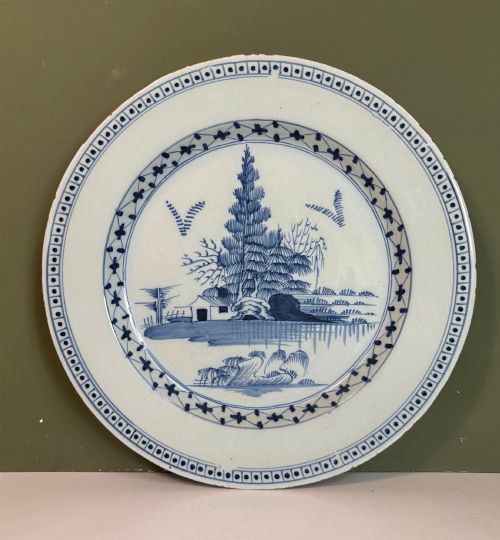
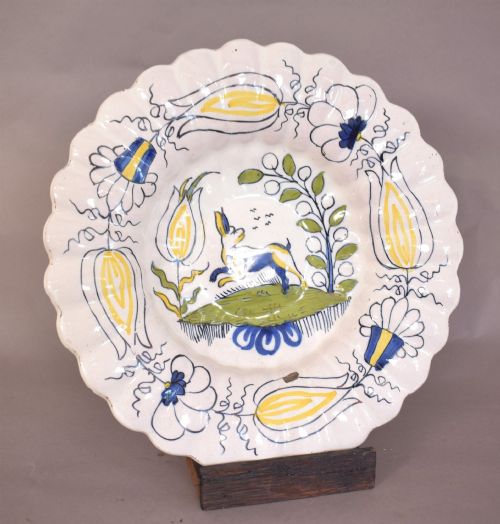
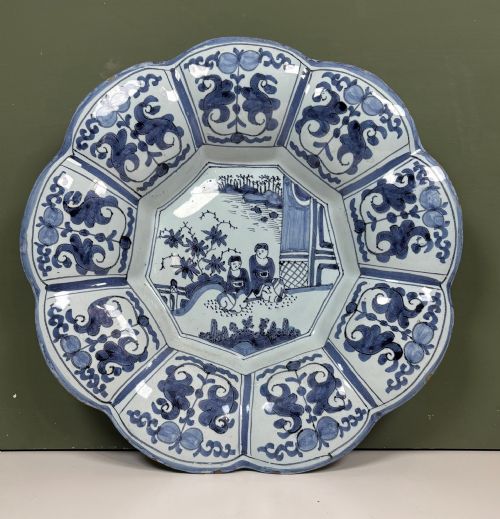
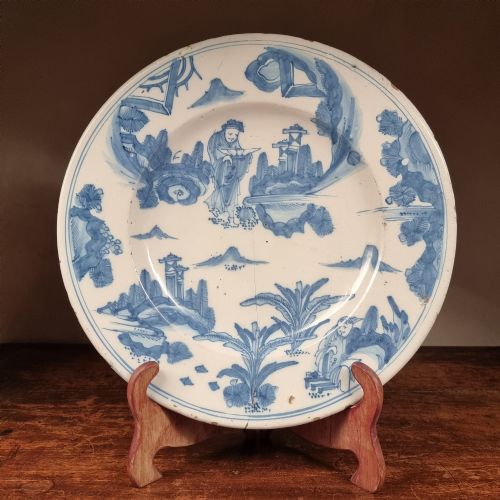
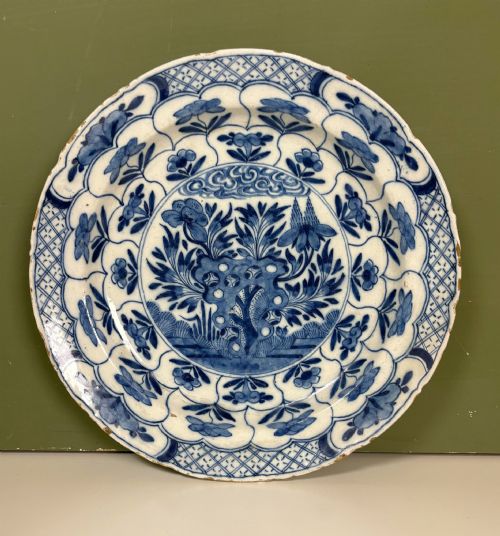
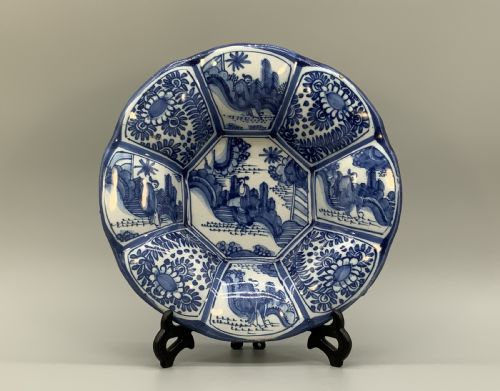
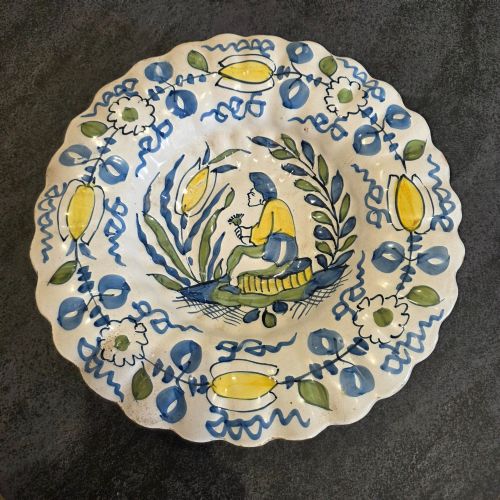
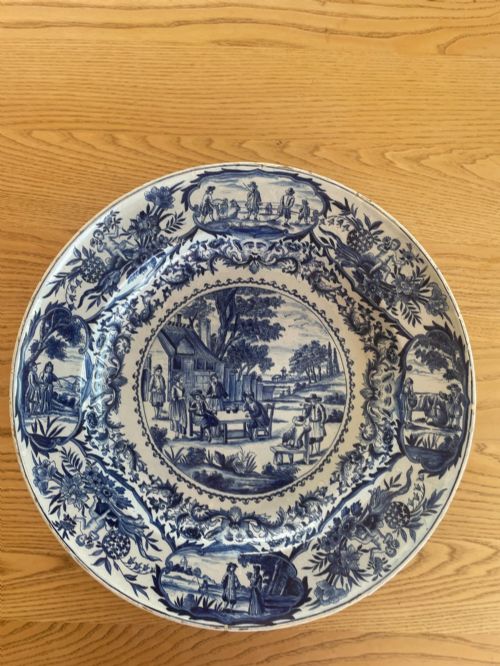
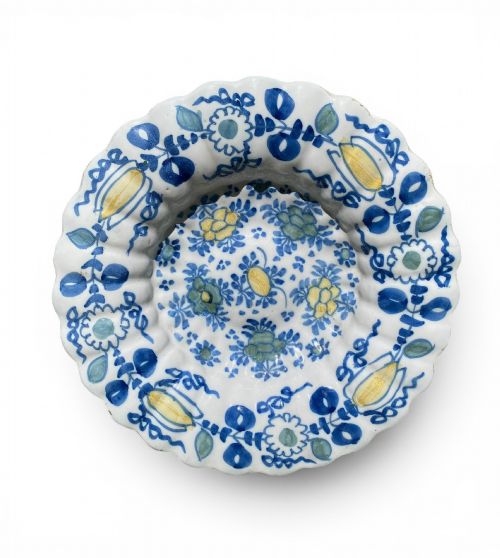
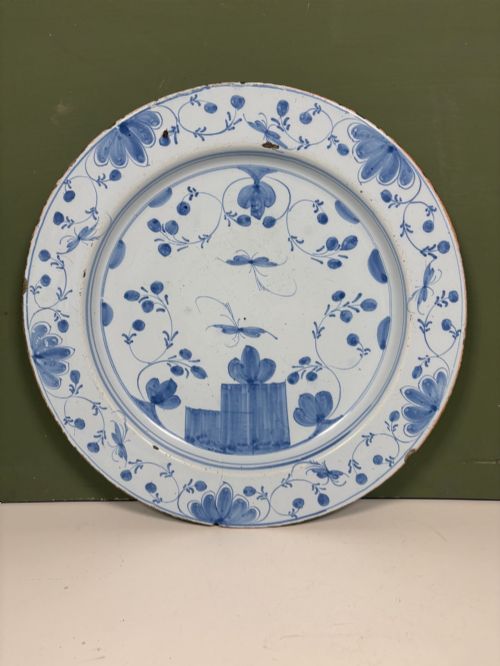
A dutch earthenware wall plate typically appears as a wide charger, shallow bowl, or decorative dish designed for display rather than dining. The examples gathered here span the seventeenth, eighteenth, and nineteenth centuries, originating from Dutch workshops.
Buyers searching for a dutch earthenware wall plate encounter forms ranging from large chargers with geometric floral patterns to lobbed dishes influenced by Chinese Kraak styles and Chinoiserie motifs. Most pieces date from the eighteenth century, alongside earlier seventeenth-century works and later nineteenth-century interpretations.
These ceramic items were made to hang on walls or sit upon surfaces as ornament, utilising cobalt pigment for blue and white designs or broader palettes for polychrome finishes.
Materials and construction
Potters shaped earthenware bodies and coated them in tin glaze to create a smooth, white surface capable of holding painted decoration.
Cobalt oxide and pigment were applied directly to the unfired or fired glaze, often using Grand Feu techniques or high-temperature firing methods to set the blue and white or manganese hues.
The listings span from the seventeenth century through the nineteenth century, utilising tin-glazed earthenware and cobalt pigment.
Judging the work
The crispness of the cobalt pigment painting and the stability of the tin glaze distinguish standard domestic wares from ambitious chargers.
Intricacy in Kraak style or polychrome floral composition indicates the skill of the painter working within the Dutch tradition.
The Dutch Earthenware Wall Plate Glossary
- Tin-Glazed Earthenware
- Earthenware pottery covered with an opaque white glaze containing tin oxide. This surface provides the ground for painted cobalt decoration.
- Charger
- A large decorative plate intended for display on a wall or dresser rather than for serving food at table.
- Kraak Style
- A Chinese porcelain aesthetic characterised by panelled borders and central motifs of birds, flowers, or landscapes, widely imitated by Dutch potters.
- Polychrome
- Decoration employing multiple colours, typically involving greens, yellows, and oranges alongside cobalt blue on ceramic surfaces.
- Grand Feu
- A high-temperature firing technique that fuses the pigment deeply into the glaze, producing rich manganese and blue tones.
Dutch Earthenware Wall Plate: Frequently Asked Questions
How do I hang a heavy charger?
Heavy ceramic chargers require specialised wall fixings designed to distribute weight safely across the rim or foot ring without causing stress fractures.
Spring-loaded brass wire hangers or custom-built acrylic wall brackets provide secure support for display.
What is the difference between delftware and earthenware?
Delftware is a specific type of tin-glazed earthenware produced in the Netherlands, characterised by its absorbent clay body and opaque white glaze.
All delftware falls under the broader category of earthenware, but not all earthenware utilises the tin glaze characteristic of Dutch wall plates.
Can these plates be used for food?
Historic tin-glazed plates possess soft, porous ceramic bodies and lead-based glazes that make them unsuitable for modern culinary use.
Displaying them on walls or in cabinets preserves the fragile glaze from chipping and chemical wear.
How do I date a Dutch plate?
Dating relies on stylistic shifts in the tin glaze, painting technique, and the complexity of the floral or Chinoiserie motifs.
Seventeenth-century pieces often display Kraak influence, while eighteenth-century examples lean toward geometric floral patterns and manganese palettes.