

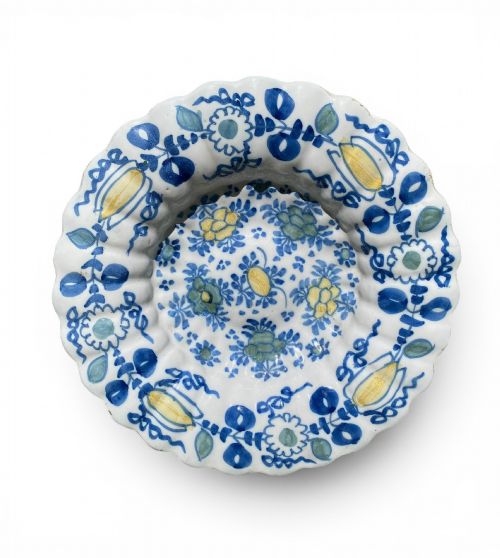
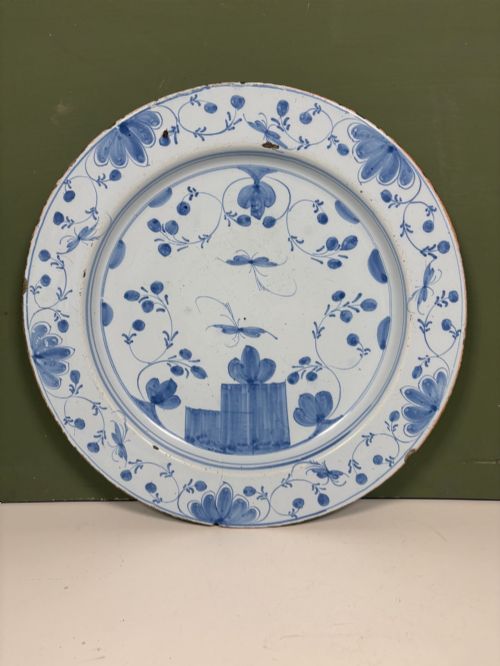


Dutch Ceramic Plate
These dutch antique ceramic plate pieces range from seventeenth-century chargers to eighteenth-century delftware, offering collectors hand-painted tin-glazed earthenware with enduring historic character.
Dutch Ceramic Plate
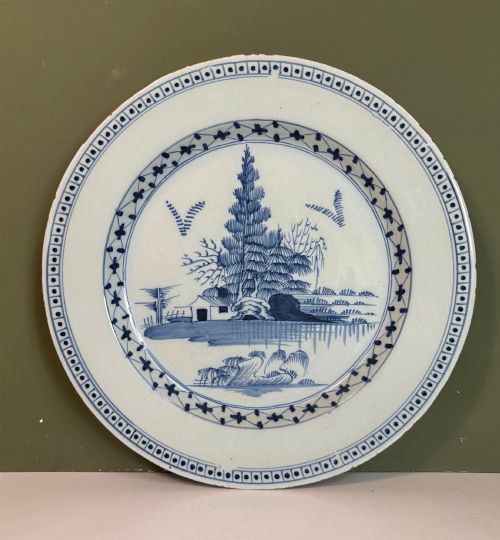
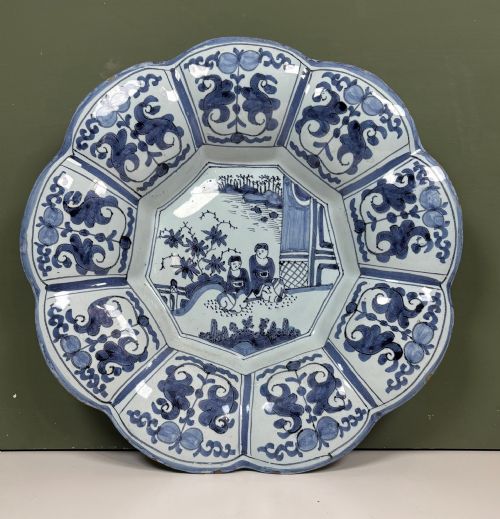
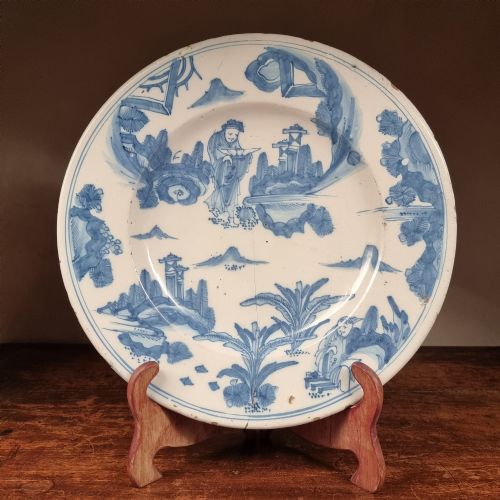
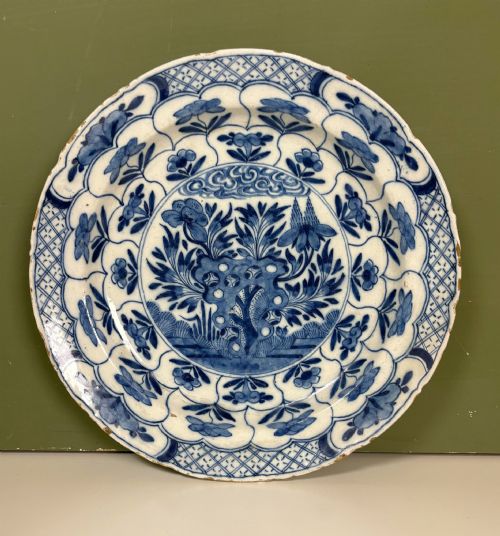
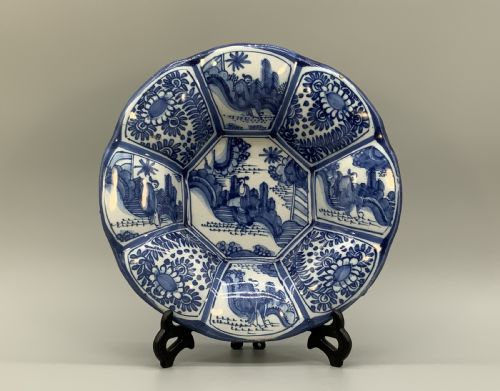
When searching for a dutch antique ceramic plate, collectors encounter chargers, lobed dishes, and shallow bowls originating primarily from the seventeenth and eighteenth centuries. These items embody Dutch Delftware and Kraak styles, reflecting centuries of European ceramic tradition influenced by Asian porcelain imports.
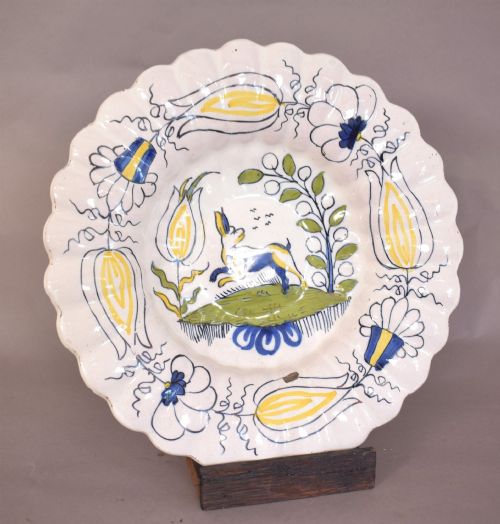
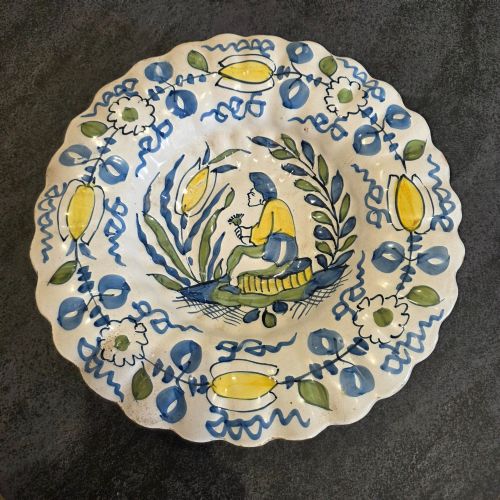
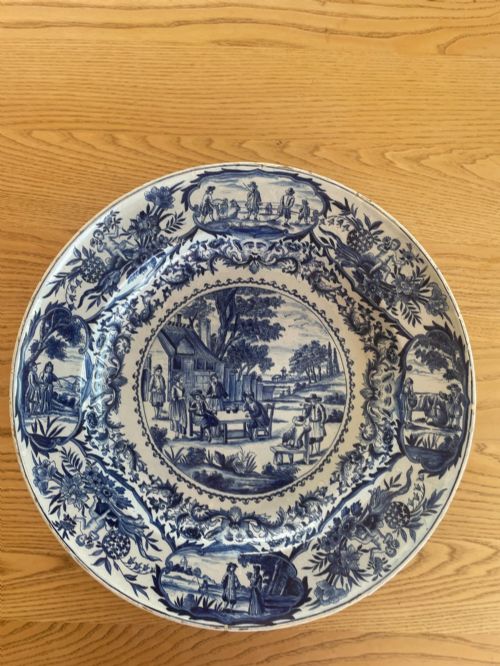
The pieces on this page appear most frequently as eighteenth-century chargers and smaller plates decorated in blue and white or polychrome palettes. Forms span simple domestic dishes to large decorative chargers intended for display on walls or dresser racks.
How They Were Made
Potters shaped earthenware bodies and coated them in a tin glaze to produce an opaque white surface suitable for painting. Artisans then applied cobalt pigment, manganese, or polychrome enamel colours before firing the pieces in kilns.
Techniques such as the grand feu method allowed pigments to fuse directly with the molten tin glaze during high-temperature firings, yielding the characteristic gloss and depth seen on seventeenth- and eighteenth-century examples.
Marriage plates recorded happy unions centuries ago, proving that historic kitchenware made exceptional wedding gifts long before registry lists existed.
What Varies in Quality
Quality rests upon the crispness of the hand-painted brushwork and the complexity of the design, whether geometric floral patterns, Chinese-inspired motifs, or figurative marriage plates. Superior pieces display confident pigment application and balanced compositions across the tin-glazed surface.
The thickness and stability of the earthenware body alongside the retention of the original tin glaze determine the preservation status of each dish. Early seventeenth-century specimens and grand feu chargers often demonstrate the highest technical ambition.
The Dutch Ceramic Plate Glossary
- Charger
- A large decorative plate, typically exceeding thirty centimetres in diameter, designed for display on a wall or dresser rather than everyday dining.
- Tin-Glazed Earthenware
- Pottery fired from clay and coated with a glaze containing tin oxide to create a smooth, white, opaque background for painted decoration.
- Kraak Style
- A decorative ceramic design featuring panelled borders and central motifs inspired by late Ming dynasty Chinese porcelain imported by maritime traders.
- Grand Feu
- A high-temperature kiln firing technique that binds metal oxide pigments directly into the wet tin glaze for lasting vibrancy.
- Polychrome
- A multi-coloured painting scheme utilising various mineral pigments alongside standard blue and white cobalt applications.
Dutch Ceramic Plate: Frequently Asked Questions
How do I clean a dutch antique ceramic plate?
Dust these tin-glazed earthenware pieces gently with a dry cloth. Avoid submerging them in water, as moisture can infiltrate old ceramic bodies through microscopic glaze crazing.
Harsh detergents and scrubbing brushes damage the historic glaze and hand-painted pigments. Keep them in stable indoor environments away from direct sunlight.
Were these plates used for dining?
Many seventeenth- and eighteenth-century chargers served primarily as display items on dining tables or dresser racks to impress guests. Smaller plates saw functional dining use, though surviving examples often show preservation due to careful handling.
Decorative chargers feature heavy tin glazes that suit visual presentation more than heavy everyday service.
What is the difference between blue and white and polychrome?
Blue and white pieces rely solely on cobalt oxide pigment painted beneath or upon the tin glaze, echoing imported Chinese porcelain. Polychrome examples incorporate additional colours like iron red, yellow, and green.
Both styles date across the seventeenth and eighteenth centuries, though polychrome and grand feu manganese pieces often involve more complex workshop preparation.
How can I tell a seventeenth-century piece from an eighteenth-century one?
Seventeenth-century items frequently exhibit heavier earthenware bodies, deep lobed forms, and Kraak-influenced panelled borders. Eighteenth-century production expands into diverse floral geometries, marriage plates, and lighter domestic plates.
Comparing glaze thickness, pigment tone, and recorded period characteristics helps distinguish between the two eras.