

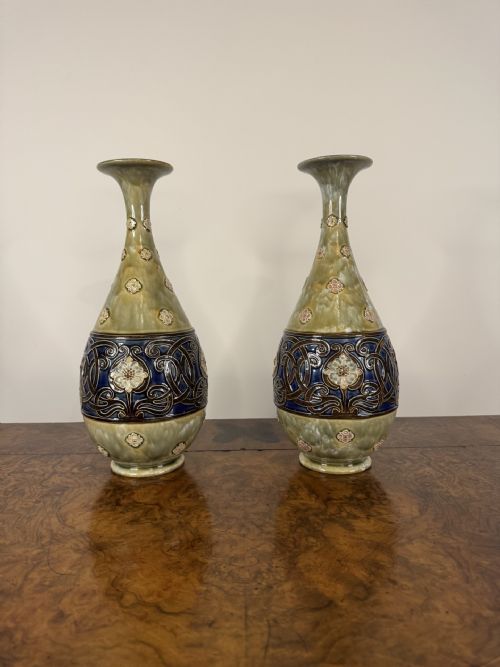


Doulton Lambeth Pottery Vessel
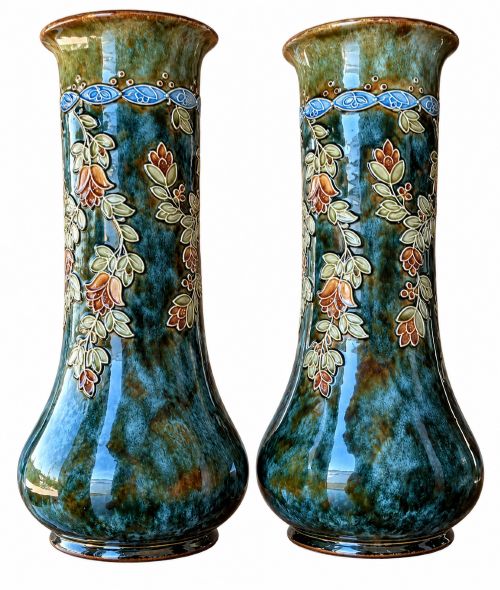
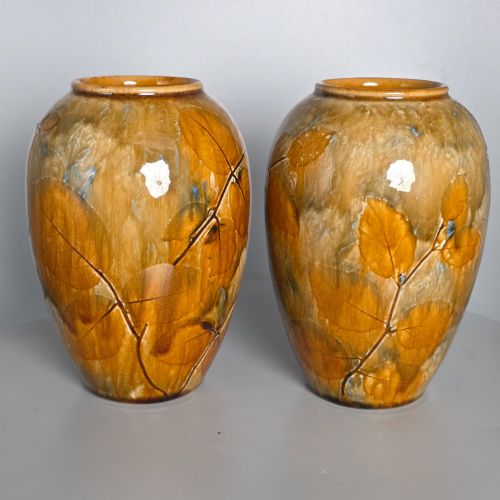
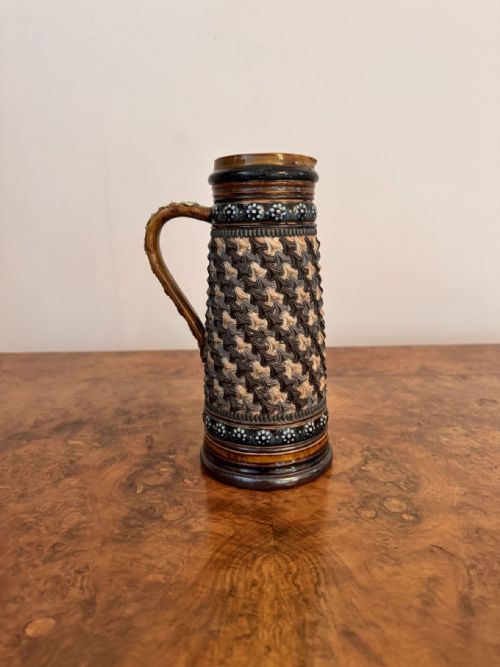
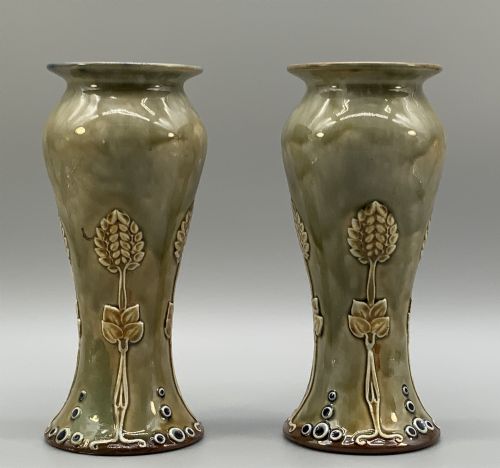
These doulton lambeth pottery vessel examples combine robust stoneware bodies with intricate hand-incised decoration, offering collectors a tangible piece of late nineteenth and early twentieth century ceramic artistry.
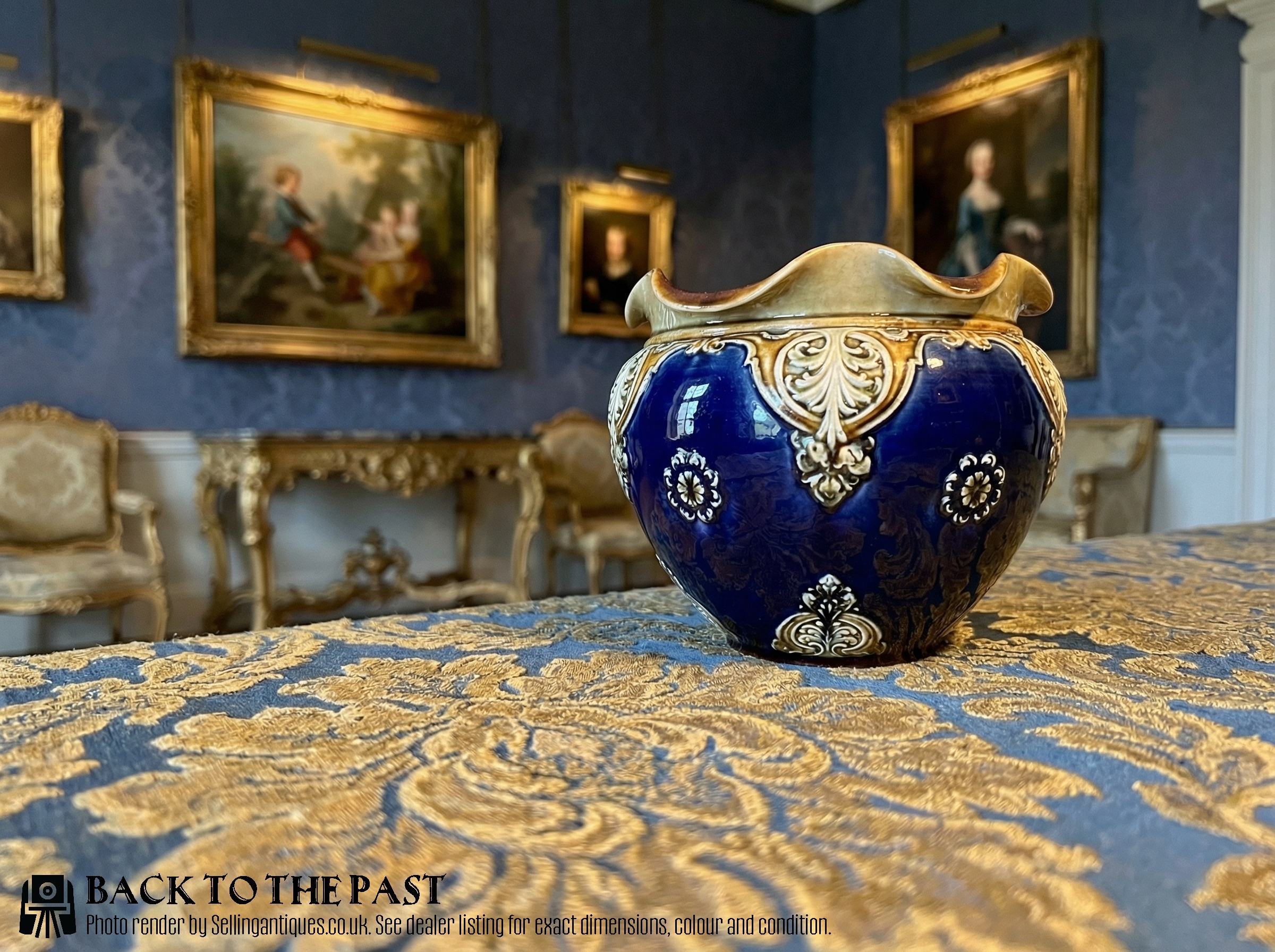
Doulton Lambeth Pottery Vessel
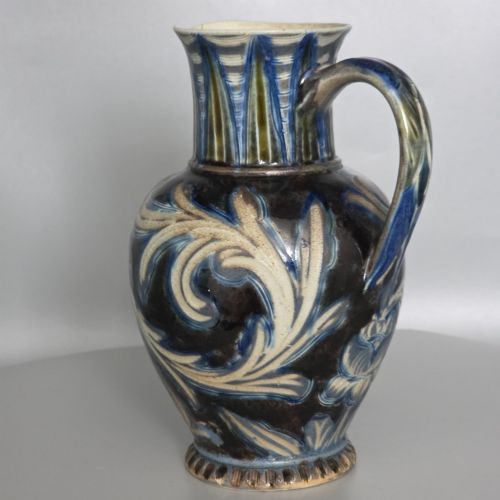
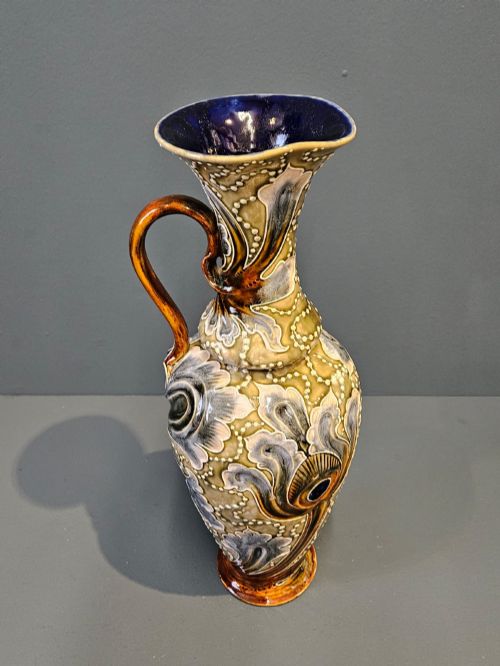
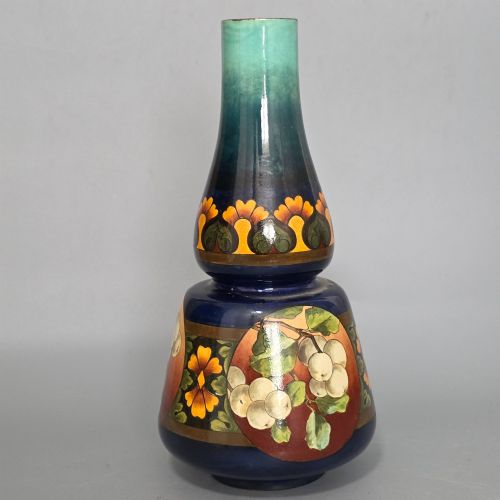
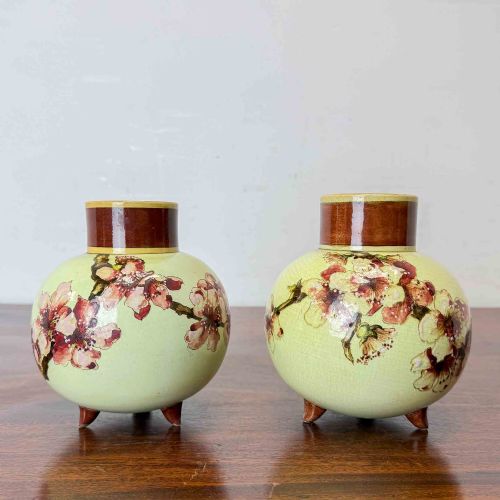
A doulton lambeth pottery vessel encompasses a varied group of utilitarian and decorative forms, including vases, jugs, pitchers, beakers, and jardiniere vessels produced during the Victorian and Edwardian eras. The selection heavily reflects late nineteenth-century output, particularly pieces originating from the eighteen-eighties and eighteen-nineties alongside later Edwardian examples.
Makers focused strongly on sculptural and decorative household items, meaning buyers frequently encounter baluster vases, commemorative jugs, and large planters. The forms draw heavily upon contemporary design movements, ranging from robust Victorian styles to flowing Art Nouveau motifs.
Most items emerge from specific historical periods such as the Victorian age or span the broader nineteenth century into the early twentieth century. These pieces document a high point in British art pottery production, where studio techniques met industrial scale.
Materials and Techniques
Production relied heavily upon durable stoneware and glazed ceramic bodies capable of holding detailed incised patterns and applied decoration. Artisans utilised salt glaze methods alongside rich enamel highlights to create textured surfaces that catch the light.
Decoration often involved intricate hand-tooling directly into the clay body before firing, sometimes combined with specialised techniques like Slaters Patent texturing or painted faience designs. Silver mounts occasionally appear fitted to the rims of beakers and jugs, adding a contrasting metallic finish to the ceramic base.
Puzzle jugs challenge guests to drink from the vessel without spilling liquor through hidden spouts in the hollow rim.
Assessing Quality and Execution
The distinction between standard production and top tier examples rests upon the identity of the decorator and the crispness of the incised or applied ornament. Pieces bearing the signatures or monogram marks of notable artists demonstrate superior individual hand-workmanship compared to unmarked factory output.
Balance of form, complexity of the floral or geometric motifs, and the richness of the glaze application determine overall visual success. Jugs and vases featuring detailed pate-sur-pate work or specialised patent finishes stand apart for their technical ambition.
Royal Doulton·Alice Euphemia Thatcher·Florence E. Barlow·Louisa Wakely·Eliza Simmance·Emily Stormer·Ethel Beard
The Doulton Lambeth Pottery Vessel Glossary
- Stoneware
- A robust, vitrified ceramic pottery fired at high temperatures until non-porous. It provides a durable canvas for detailed incised decoration.
- Salt Glaze
- A glossy, slightly pitted finish achieved by throwing common salt into the kiln during high-temperature firing. This chemical reaction creates a distinctive orange-peel texture upon the clay surface.
- Tyg
- A large drinking vessel featuring multiple handles, traditionally designed to be passed around a company. In this ceramic tradition, tygs often display elaborate slip or incised decoration.
- Faience
- Earthenware decorated with opaque coloured glazes, often utilised for painterly floral scenes. It allowed artists to work with a broader palette than traditional salt-glazed stoneware permitted.
- Baluster
- A vase or architectural form characterised by a swollen lower portion tapering to a narrow neck. This classic silhouette provides stability and visual balance.
Doulton Lambeth Pottery Vessel: Frequently Asked Questions
How do I date a Doulton Lambeth piece?
Dating relies primarily upon the impressed factory stamps, monograms, and year ciphers found on the base of each item. Comparing these specific marks against known production records clarifies the exact decade of manufacture.
Stylistic cues such as Victorian ornamentation or later Art Nouveau curves also help narrow down the production period when marks are partially worn.
What were jugs and tygs originally used for?
Jugs served practical functions for pouring liquids at the table, while tygs functioned as communal drinking vessels shared during gatherings and celebrations. Many examples also served purely decorative roles on mantelpieces and sideboards.
Commemorative pieces often marked royal jubilees or sporting events rather than seeing active daily service.
How should I display my pottery vessel?
Display these vessels in stable locations away from direct sunlight to protect enamel highlights and delicate surface glazes. Placing them on secure surfaces ensures tall forms like baluster vases remain safe from accidental knocks.
Allowing adequate space around each piece highlights the intricate incised patterns and signature details.
Are marked pieces more desirable?
Signed and marked examples carrying specific artist monograms generally command greater interest from collectors due to their documented authorship. These marks confirm the direct involvement of recognised studio hands.
Unmarked production pieces still offer robust historical craftsmanship but lack the individual attribution value.