


Blue Pottery Pot
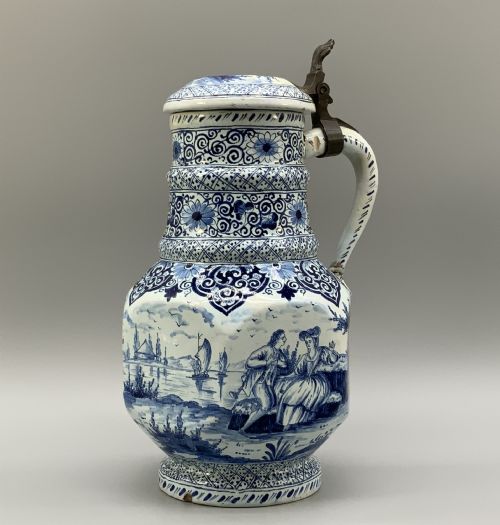
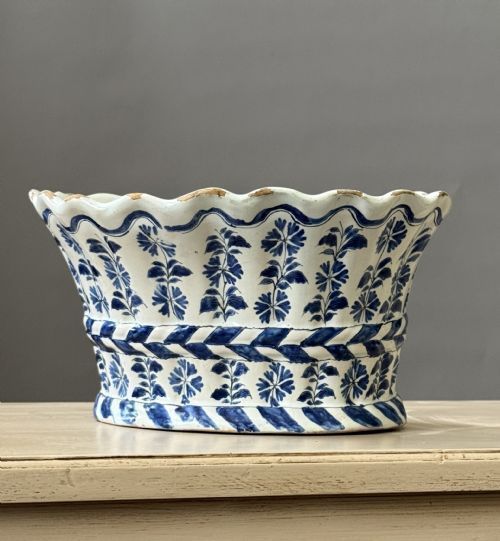
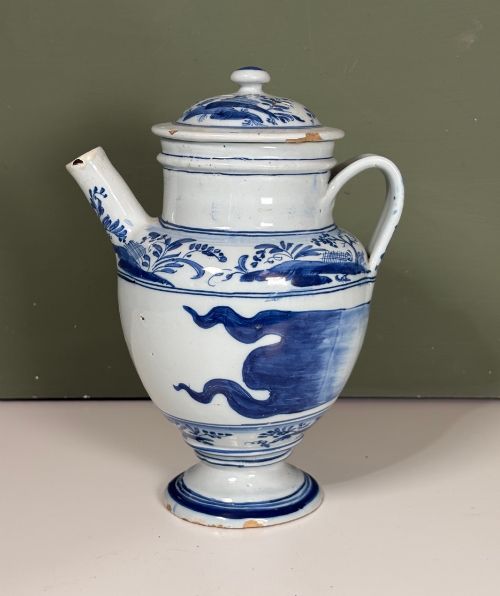
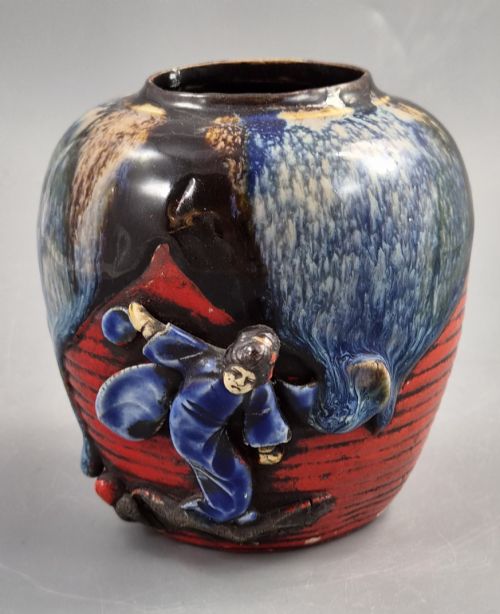
When seeking a blue antique pottery pot, collectors encounter centuries of ceramic history spanning delicate delftware jars, robust stoneware vessels, and vibrant majolica planters.
Blue Pottery Pot
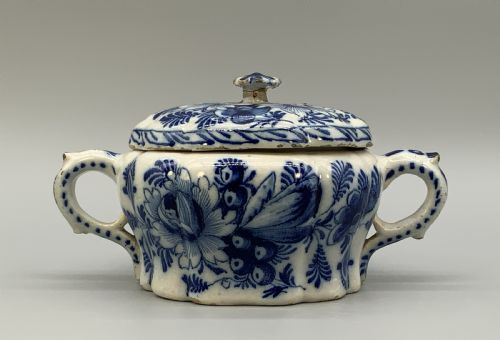
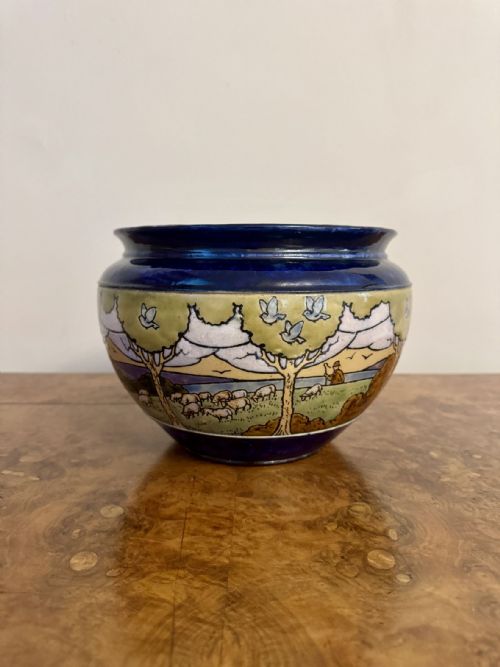
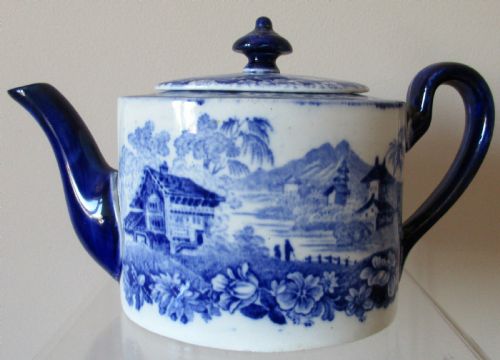
A blue antique pottery pot encompasses a diverse array of utilitarian and decorative hollowware vessels produced across European and Asian kilns. The selection ranges from early seventeenth-century tin-glazed apothecary jars and posset pots to nineteenth-century stoneware jardinieres and transfer-printed teawares.
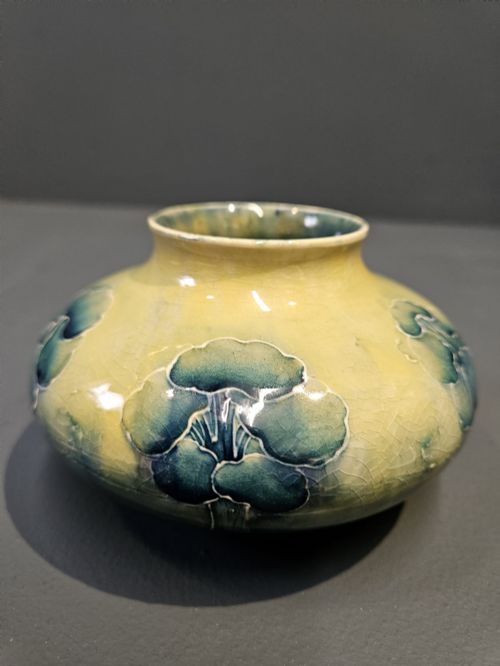
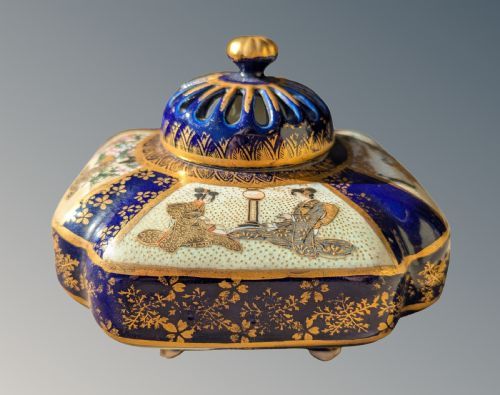
Vessels serving specific historical functions dominate the inventory, including pharmacy albarellos, bough pots, and decorative storage jars. Buyers will frequently encounter English and Dutch delftware alongside Victorian salt-glazed pieces and early twentieth-century art pottery.
The enduring appeal of these pots lies in their combination of functional domestic utility and hand-applied cobalt decoration. Each piece records the specific aesthetic preferences and chemical technologies of its manufacturing era.
How They Were Made
Makers utilised earthenware, heavy stoneware, and ceramic bodies shaped either on the potter's wheel or formed within moulds. Artisans applied tin glazes, salt glazes, or fluid cobalt pigments directly onto the porous clay surfaces before firing.
The blue coloration typically derived from cobalt pigment, applied either under the transparent glaze for a soft, blurred line or over opaque white tin glazes. Subsequent high-temperature kiln firings fused the metallic oxides into the glaze matrix, producing durable surfaces.
Some seventeenth-century jars were designed with deliberate waist curves so apothecaries could grasp them firmly during frantic medicinal compounding.
What Varies In Quality
Quality rests upon the crispness of the painted or transfer-printed cobalt decoration and the stability of the glaze during firing. Superior examples display controlled pigment application without excessive bleeding, pooling, or kiln distortion.
The sophistication of the potting technique and the clarity of moulded relief details separate standard utilitarian vessels from exhibition pieces. Early hand-painted specimens often demonstrate greater individual artistic expression than later mass-produced transfer-printed wares.
Moorcroft·Royal Doulton·Kinkozan·Mintons·Doulton Burslem·Doulton Lambeth·Enoch Wood And Sons·George Jones·Joseph Holdcroft·William Adams And Sons·J And W Ridgway·Spode·John Hall And Sons·F And R Pratt Of Fenton·Robert Hamilton·John Rogers And Son·Zacharia Boyle·Thomas And Benjamin Godwin·James And Ralph Clews
The Blue Pottery Pot Glossary
- Albarello
- A cylindrical earthenware pharmacy jar designed to hold dry drugs or ointments. These vessels typically feature an incurved waist to allow easy gripping on apothecary shelves.
- Delftware
- Tin-glazed earthenware produced in England, the Netherlands, and Ireland. The white opaque glaze provides a smooth background for cobalt blue painting.
- Posset pot
- A historical multi-handled drinking vessel used for a spiced milk and wine mixture. They frequently include lids and spouts for communal consumption.
- Jardinerie
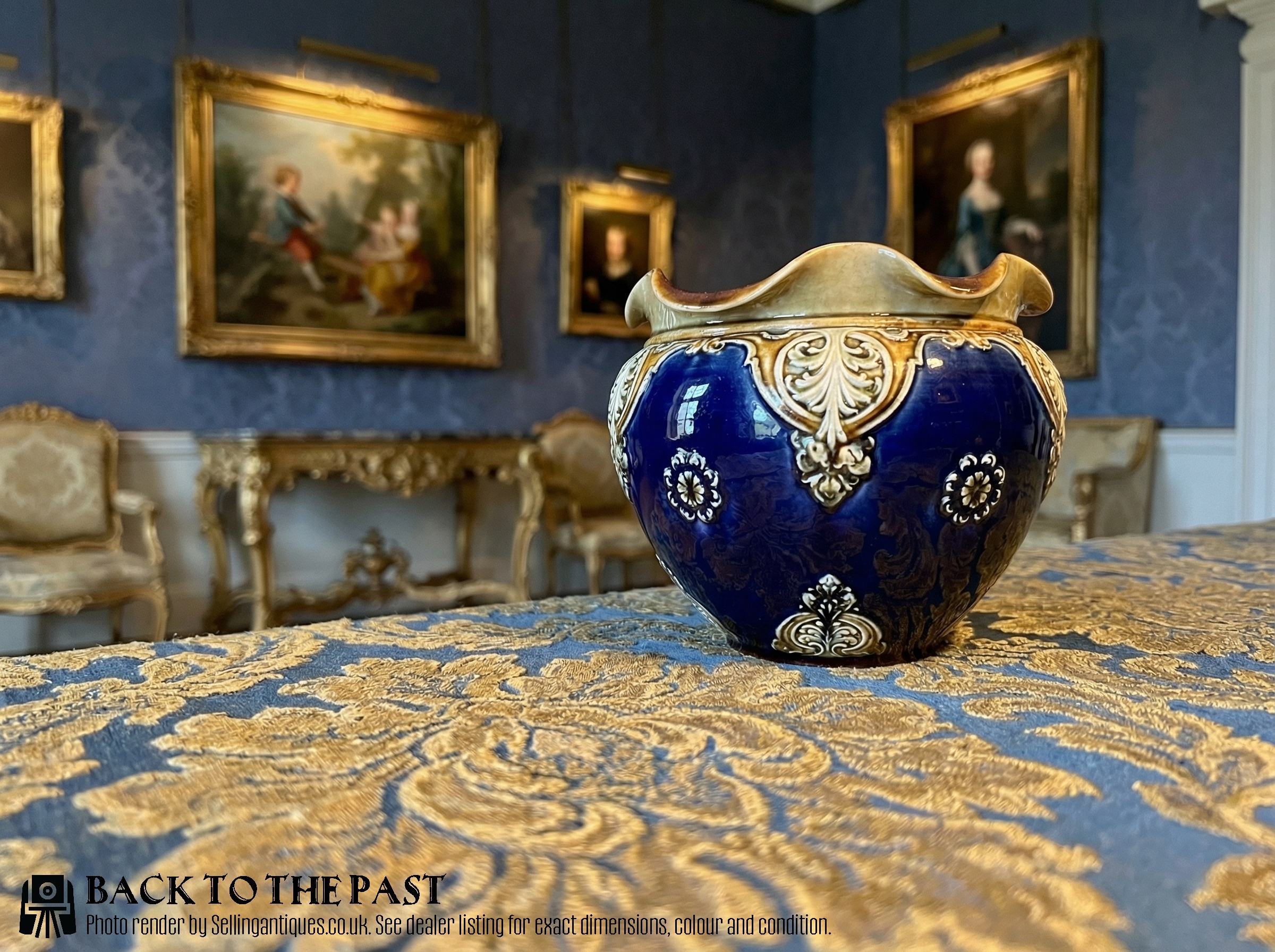
- An ornamental ceramic pot or stand designed to hold a growing plant. Victorian examples often feature heavy relief moulding and rich coloured glazes.
- Stoneware
- A dense, vitreous ceramic fired at high temperatures until non-porous. It resists acids and moisture without requiring a traditional glaze coating.
Blue Pottery Pot: Frequently Asked Questions
Can I use these pots for live plants?
Historical pots, particularly early tin-glazed earthenwares, remain porous and can suffer structural damage from damp soil. Moisture causes soluble salts within the clay body to expand, leading to glaze flaking.
Utilise a modern plastic liner inside the vessel if housing live greenery. Ensure adequate drainage protection to prevent standing water from contacting the interior base.
What is the difference between delftware and stoneware?
Delftware consists of a softer earthenware body covered in an opaque tin-lead glaze. This creates a smooth white surface ideal for painted cobalt decoration but leaves the ceramic relatively fragile.
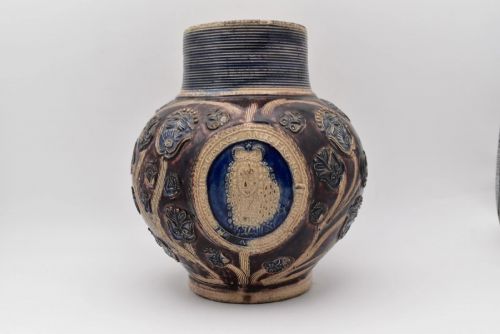
Stoneware utilises vitrified clays fired at extremely high temperatures until non-porous. These vessels are considerably heavier, naturally water-resistant, and frequently decorated with salt glazes or moulded reliefs.
How can I distinguish an 18th-century pot from a later copy?
Examine the base and interior surfaces for signs of hand-throwing marks, kiln separation scars, and natural wear patterns consistent with age. Early pieces often exhibit minor glaze imperfections and subtle asymmetries.
Consult reference literature regarding specific cobalt pigments and potting weights typical of the period. Pigment chemistry and potting techniques shifted noticeably toward industrial standardisation during the nineteenth century.