
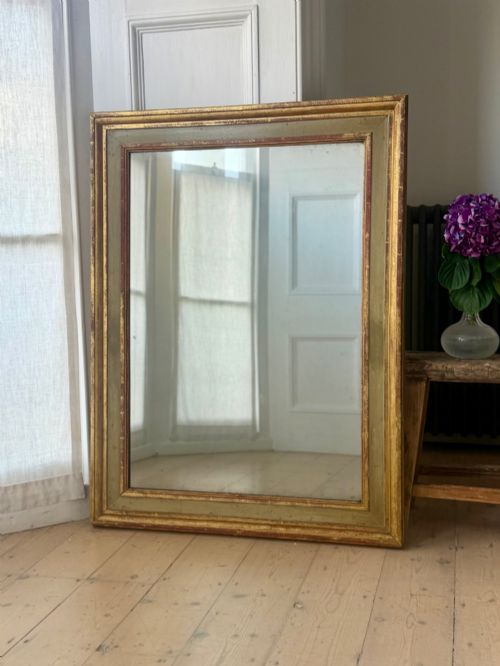
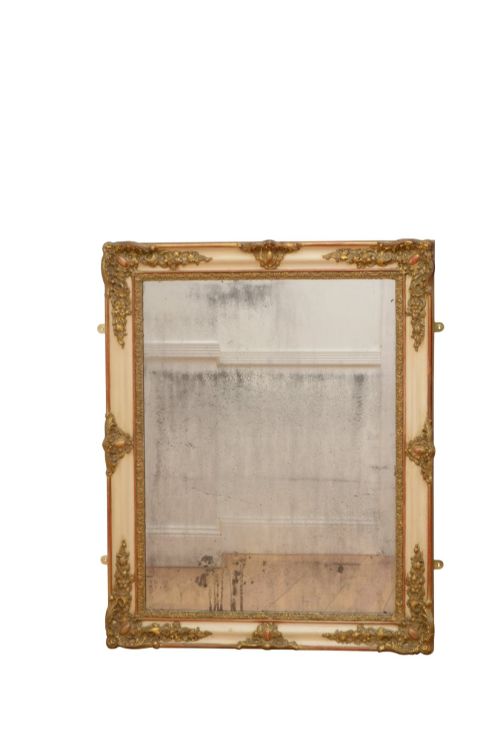
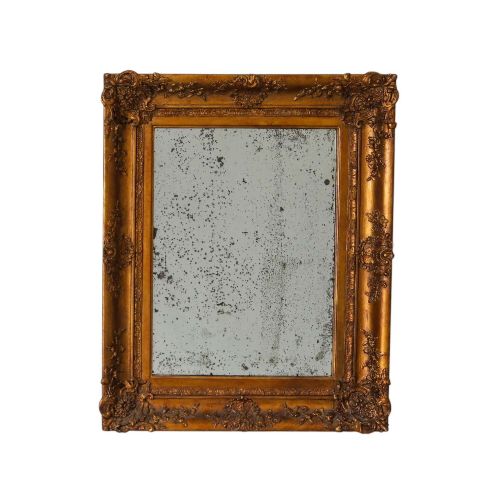
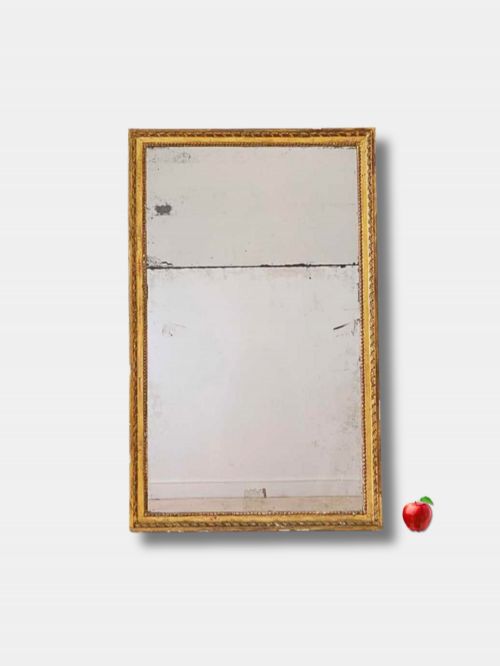

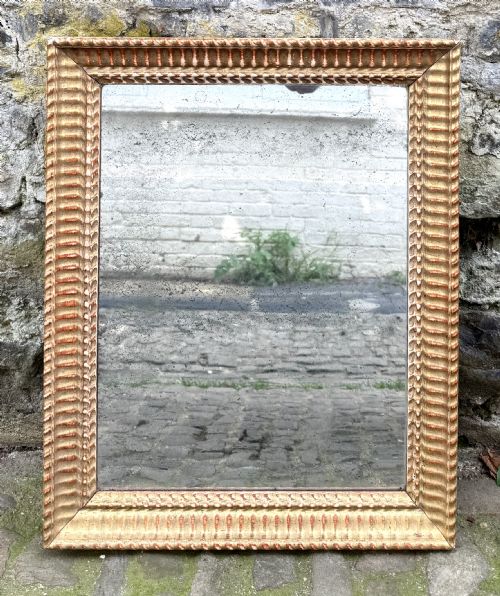


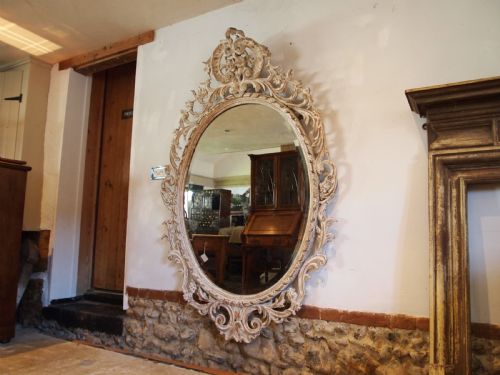

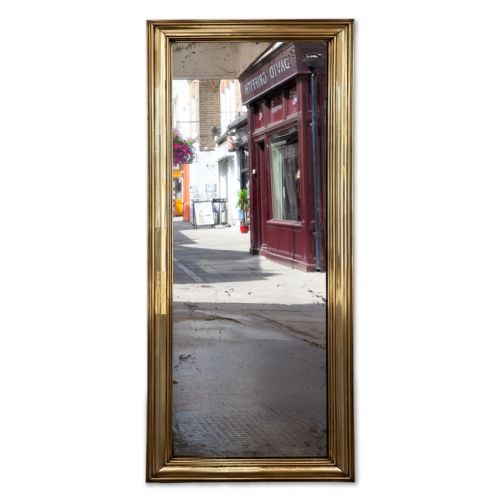

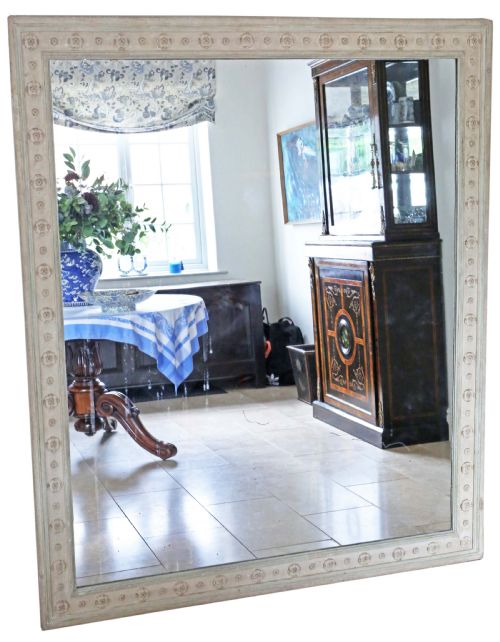

Distressed Plate Mirror
A distressed plate mirror brings character and depth to a room through its aged surface, capturing centuries of decorative history.
Distressed Plate Mirror
A distressed plate mirror is typically found as a wall mirror or an overmantel mirror originating from the eighteenth and nineteenth centuries, with French and Italian regional examples appearing frequently.
These pieces showcase various historical styles ranging from Regency and Victorian to French Rococo and Louis XVI, reflecting the decorative tastes of their respective periods.
Materials and construction
Frames are constructed from wood, gesso, and brass, frequently finished with gold leaf or oil paint to create gilded and painted surfaces.
Glass plates are set within these handcrafted frames, utilising traditional mirror-making techniques that result in the characteristic oxidation and foxing seen on older pieces.
Some items started life not as domestic furnishings, but as French cinema advertising boards now repurposed with foxed mirror plates.
Quality and craftsmanship
Quality varies in the depth of hand-carved detail on the wooden and gesso frames, where finer examples display crisper ornamentation and more deliberate joinery.
The integrity of the plate itself distinguishes pieces, with original mercury glass and naturally aged foxing offering a different visual weight compared to later replacements.
The Distressed Plate Mirror Glossary
- Foxing
- The brown spots and speckles that develop on older mirror plates due to the degradation of the backing over time. This natural oxidation creates the cloudy patches prized by collectors.
- Mercury glass
- A type of double-walled glass blown in the nineteenth century with a silvering mixture inserted between the layers. It produces a distinctive reflective quality distinct from modern aluminium backing.
- Gesso
- A plaster-like mixture applied to wooden frames as a smooth base for gilding or painting. Skilled artisans carved intricate decorative motifs directly into this dried layer.
- Pier mirror
- A tall, narrow mirror designed specifically to hang on the wall space between two windows. These pieces often feature elongated proportions suited to architectural requirements of the period.
Distressed Plate Mirror: Frequently Asked Questions
What causes the spots on these mirrors?
The spots, known as foxing, occur when moisture seeps behind the glass over decades and reacts with the silver or mercury backing.
This chemical breakdown creates the atmospheric, cloudy patches that define the look of an antique mirror plate.
Are these plates original to the frames?
Many retain their original mercury glass plates, though some eighteenth and nineteenth-century pieces have received replacement plates during their long histories.
Examining the backboards and the way the glass is secured helps determine if the plate has remained with the frame since manufacture.
How do I hang a heavy antique mirror?
Due to the substantial weight of solid wood, gesso, and thick glass plates, these mirrors require secure wall fixings attached directly to structural studs.
Professional mirror hangers often use french cleats or heavy-duty brackets rated for the specific weight of the piece.
Where were overmantel mirrors placed?
Overmantel mirrors were specifically manufactured to hang on the wall directly above a fireplace mantelpiece in period reception rooms.
Their horizontal proportions were designed to complement the width of the hearth and reflect light from the room's windows.