
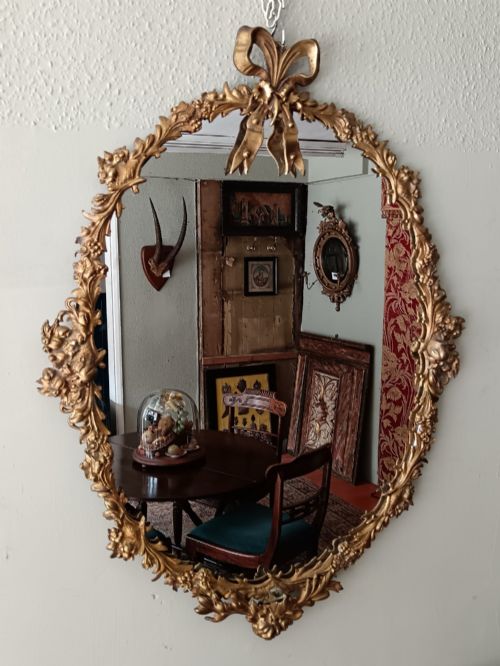


French Brass Frame Mirror
A french brass frame mirror brings warmth and reflective depth to a room, spanning styles from austere bistro designs to ornate rococo revivals.
French Brass Frame Mirror
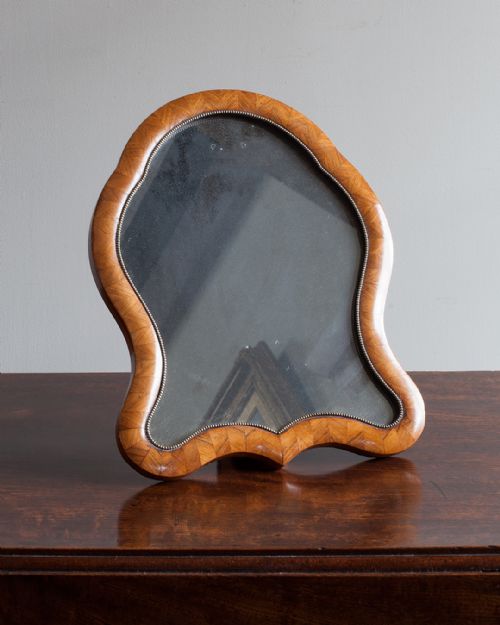
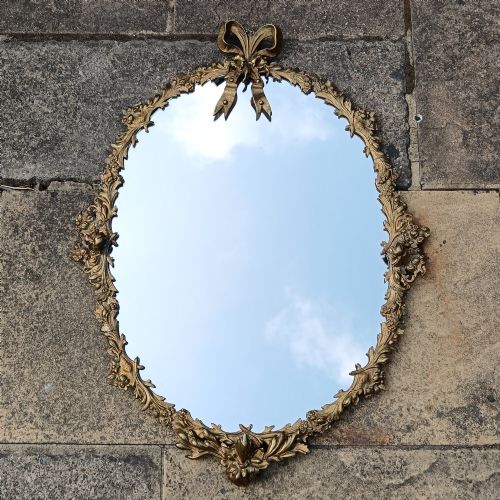
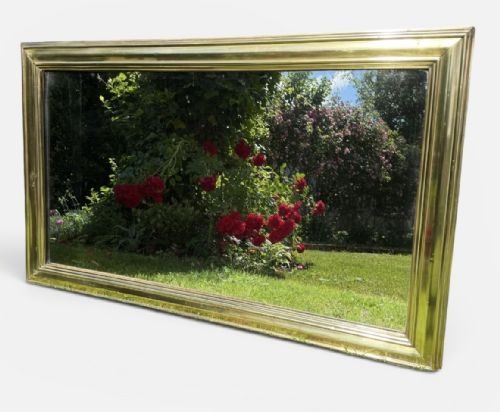
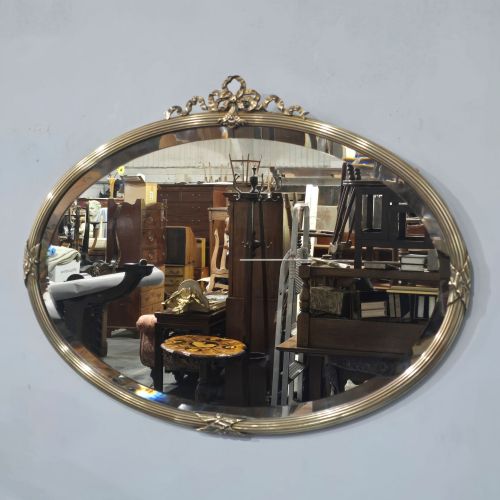
When you search for a french brass frame mirror, you encounter wall and table pieces spanning the nineteenth and twentieth centuries. These objects appear in various configurations, from simple oval shapes to cushion frames and heavy bistro iterations.
The nineteenth century yields significant examples, particularly through Louis XVI revival and bistro types. You also find later interpretations from the art deco and Hollywood regency periods entering the selection.
Materials and construction methods
Makers utilised brass, gilt bronze, and metal alongside timber cores like oak, mahogany, and kingwood. Glass plates, frequently bevelled, sit within these metal mounts.
Techniques range from repousse work on cushion frames to ribbed wood framing clad in brass. Original distressed plates and enamel plaques occasionally accompany the metal structures.
Listings feature brass, gilt bronze, glass, and timber across the nineteenth and twentieth centuries.
Evaluating craftsmanship and materials
Quality rests in the weight of the metal and the precision of the assembly. Solid brass and gilt bronze castings with crisp detailing distinguish finer pieces from lighter metal alternatives.
The integrity of the glass plate and the underlying timber frame determines longevity. Original bevelled plates and substantial wooden backing structures indicate superior construction.
F.Bienvue
The French Brass Frame Mirror Glossary
- Bistro mirror
- A robust utility mirror typically found in French hospitality spaces, featuring a thick brass or metal frame designed for daily use.
- Cushion frame
- A convex profile frame that swells outward toward the outer edge, creating a pronounced three-dimensional border around the glass.
- Bevelled glass
- A mirror plate with an angled, polished edge that catches the light and adds depth to the reflection.
- Repousse
- A metalworking technique where the brass is hammered into relief from the reverse side to create decorative patterns.
- Ormolu
- Gilt bronze ornamentation applied to furniture and decorative objects, providing a rich golden finish.
French Brass Frame Mirror: Frequently Asked Questions
How do I hang a heavy brass mirror safely?
Heavy wall mirrors require secure fixings into structural wall studs or appropriate masonry anchors. The weight of the brass frame and timber backing necessitates robust hardware.
Distribute the load evenly using wire or brackets rated for the specific weight of the piece. Consult a professional if you feel uncertain about the wall integrity.
What defines a bistro mirror?
Bistro mirrors originate from commercial French cafes and public houses. They usually feature thick brass frames designed to withstand busy environments.
These pieces often retain original distressed glass plates and sturdy wooden backing structures. Their utilitarian roots give them a robust, industrial character.
How should I clean a vintage brass frame?
Clean the brass gently with a soft, dry cloth to remove surface dust. Avoid harsh chemical polishes that strip away the aged patina accumulated over decades.
If the glass needs cleaning, apply standard glass cleaner to a cloth rather than spraying it directly onto the frame. This prevents moisture from seeping behind the mirror plate.
Are original mirror plates common?
Many nineteenth and early twentieth-century pieces retain their original glass plates. These often show age spots and light foxing that confirm their vintage origins.
While replacement glass offers a clearer reflection, collectors frequently value original plates for their authentic character. The presence of foxing does not detract from historical interest.