
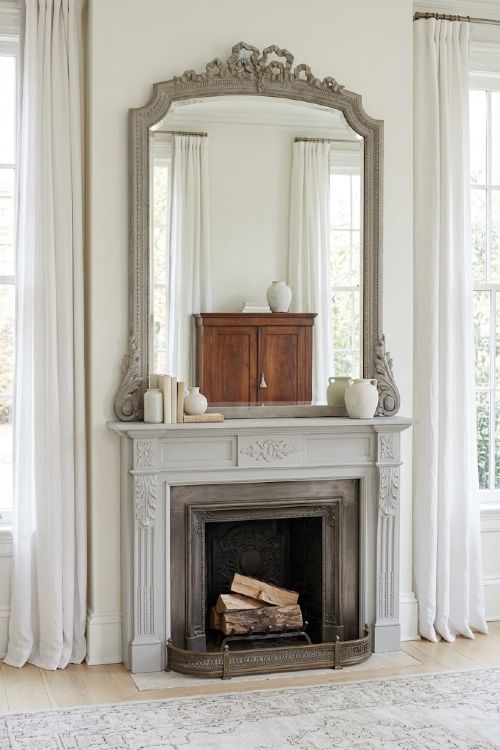
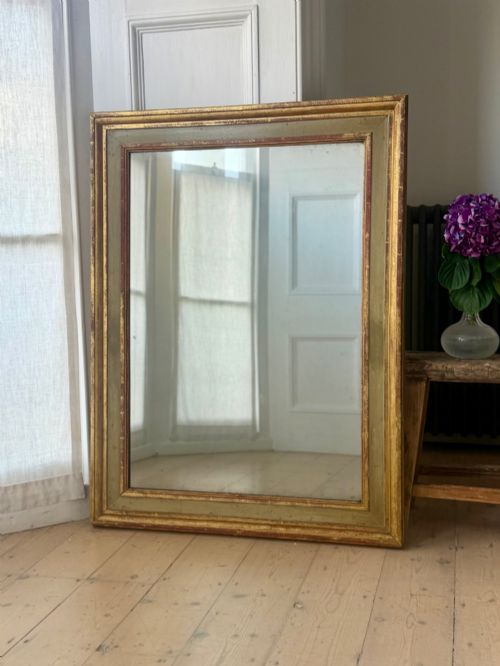
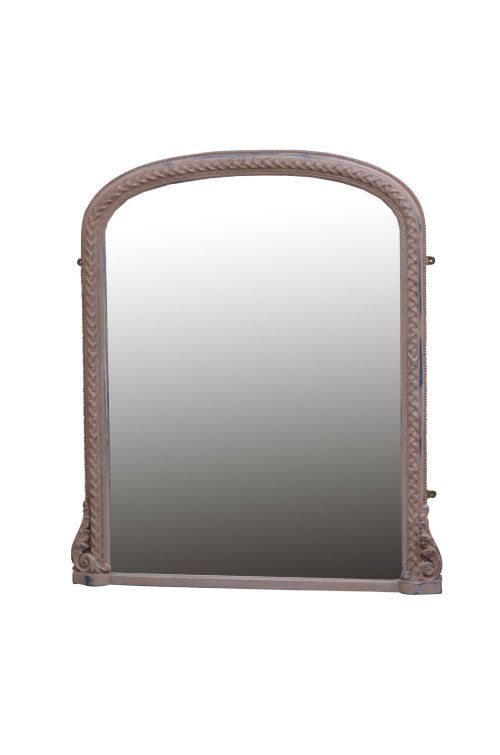
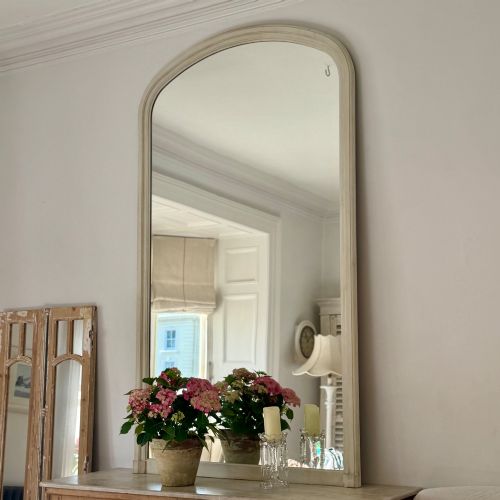


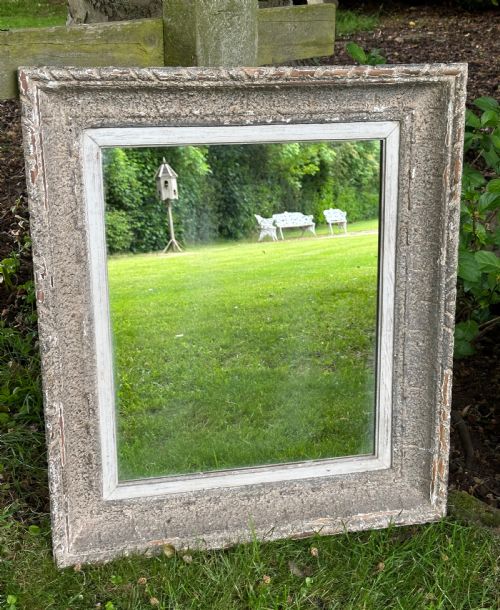
Distressed Painted Mantel Mirror
A distressed painted mantel mirror brings warmth and aged character to a room, offering grand proportions and historic charm.
Distressed Painted Mantel Mirror
When searching for a distressed painted mantel mirror, buyers encounter large wall and overmantel formats designed to sit above a fireplace. These pieces originate predominantly from nineteenth-century France and England, carrying regional decorative traits from the Victorian era up through the early twentieth century.
The dominant forms on this page include arched tops, shaped frames, and rectangular formats designed specifically for horizontal placement over a mantelpiece. Many pieces display French Provincial, Rococo Revival, or Neo-Classical influences, reflecting the decorative tastes of the nineteenth century.
Makers shaped these frames to anchor a reception room, utilising grand scale and decorative moulding to draw the eye. Surviving examples combine architectural presence with the softened, weathered appearance of aged paint surfaces.
What varies in quality
Quality rests in the depth and crispness of the hand-carved wooden ornamentation beneath the painted surface. Superior examples maintain structural integrity in the carved gesso relief, whereas lesser pieces show heavy plaster filling or clumsy repairs to moulded details.
The character of the paint surface and the originality of the glass plate distinguish finer examples from standard decorative items. Pieces retaining their original mercury glass and undisturbed layered paint finishes offer a more cohesive historic presence.
Some frames hide decades of domestic history beneath layers of lilac, ink blue, and cream paint.
The Distressed Painted Mantel Mirror Glossary
- Overmantel mirror
- A large mirror specifically proportioned to hang on the wall directly above a mantelpiece or fireplace. These pieces are typically wider than they are tall, or feature grand vertical arches.
- Gesso
- A plaster-like mixture applied to carved wood frames to create a smooth surface for gilding and painting. It allows craftsmen to model intricate decorative details.
- Mercury glass
- A type of silvered glass produced in the nineteenth century by pouring a liquid mercury amalgam between double-walled blown glass. It creates a mottled, atmospheric reflection.
- Giltwood
- Wood that has been coated with a thin layer of gold leaf or gold powder. It often peeks through worn painted surfaces on antique frames.
- Louis Philippe
- A mid-nineteenth-century French style characterised by restrained curves, rounded top corners, and simpler frames than earlier Rococo revivals.
Distressed Painted Mantel Mirror: Frequently Asked Questions
How do I hang a heavy mantel mirror?
These substantial carved wood and gesso frames require heavy-duty wall anchors secured directly into masonry or wall studs. Professional installation is strongly advised due to the significant weight of the timber and glass.
Position the mirror at a height that allows it to reflect the room rather than empty ceiling space. Many overmantel pieces were originally designed to rest directly on the mantel shelf while being anchored to the wall for safety.
Are the mirror plates original?
Many nineteenth-century pieces retain their original glass, which often displays characteristic foxing, minor speckling, and soft silver oxidation. This aged glass contributes significantly to the historic character of the piece.
Replacement glass is occasionally fitted during restoration when the original plate has suffered terminal damage. Examining the silvering from the reverse and checking for mercury backing helps determine age.
How do I clean a distressed painted frame?
Dust the carved gesso and painted surfaces gently using a soft, dry brush to prevent disturbing fragile flaking paint. Avoid modern chemical solvents or abrasive cleaners that strip historic patination.
Clean the glass plate with a microfibre cloth and a minimal amount of glass cleaner sprayed onto the cloth rather than directly onto the mirror. This prevents moisture from seeping behind the frame and damaging the backing.
What is the difference between French and English styles?
French mantel mirrors from the nineteenth century frequently feature exuberant Rococo Revival curves, arched crests, and lighter palettes like white, cream, or grey. They lean toward decorative ornamentation and grand architectural presence.
English overmantel mirrors of the same period often display heavier carved wood construction with robust gesso moulding. They tend to have a slightly more formal proportion suited to Victorian interiors.