
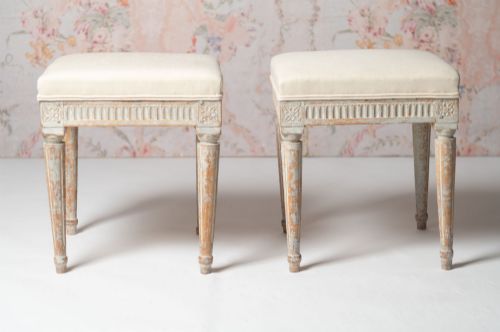
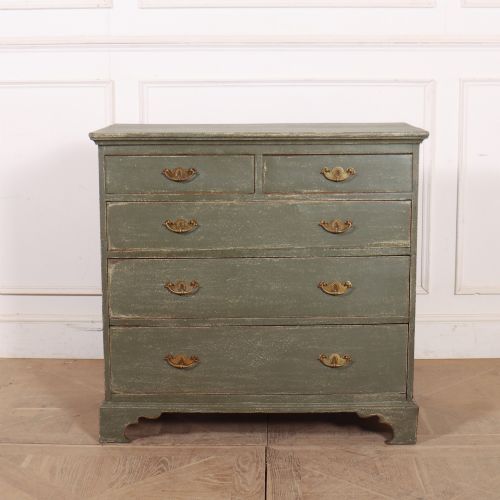
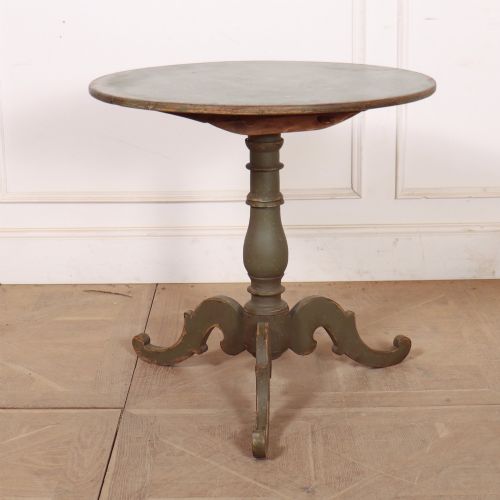
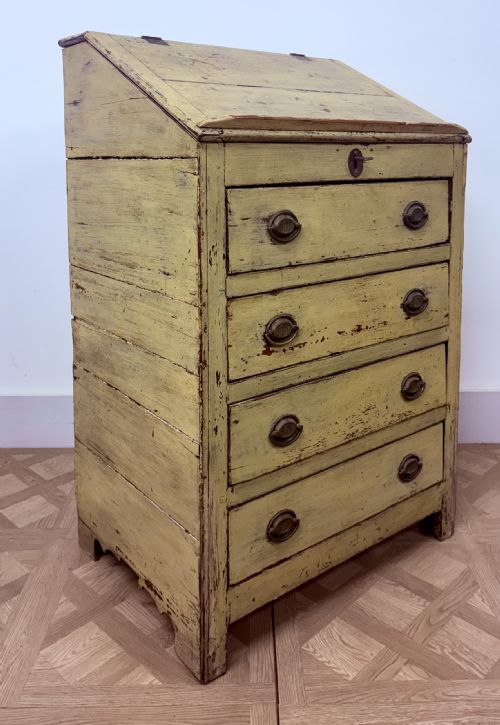
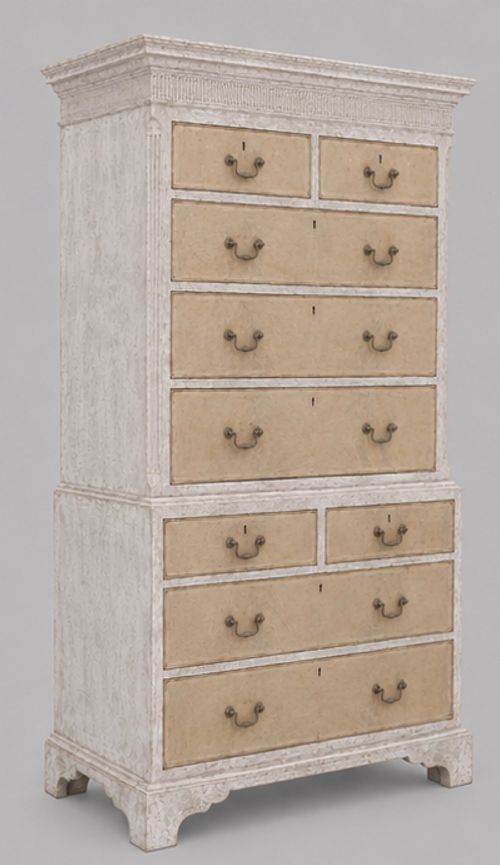
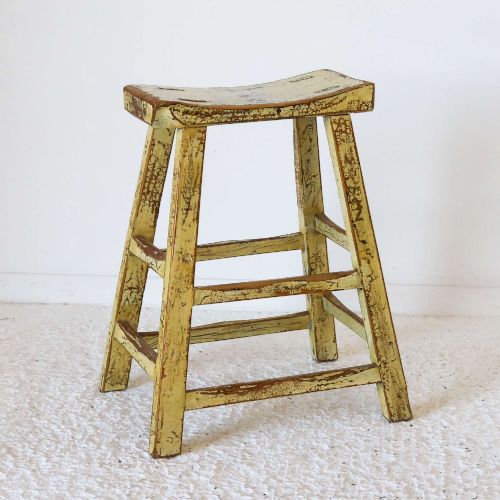
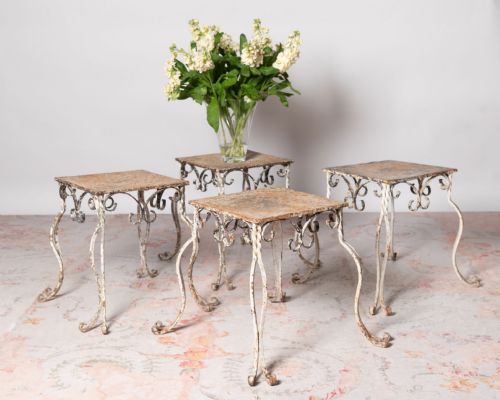
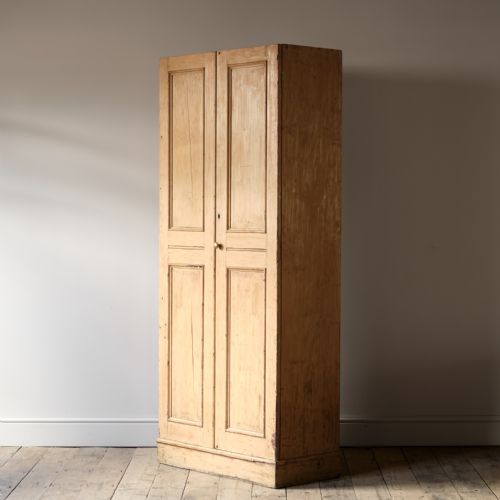
Distressed Painted Furniture
Distressed painted furniture brings character to a room through weathered surfaces and practical forms shaped by generations of regional use.
Distressed Painted Furniture
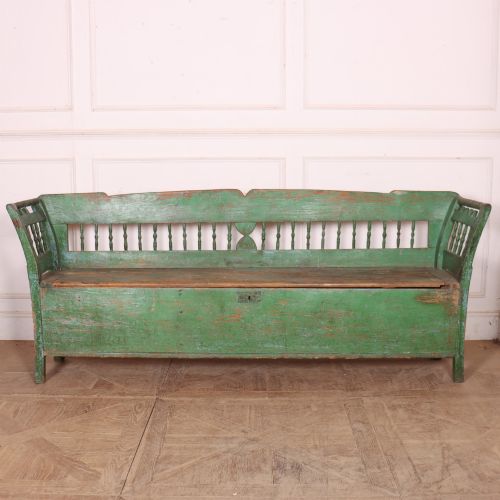
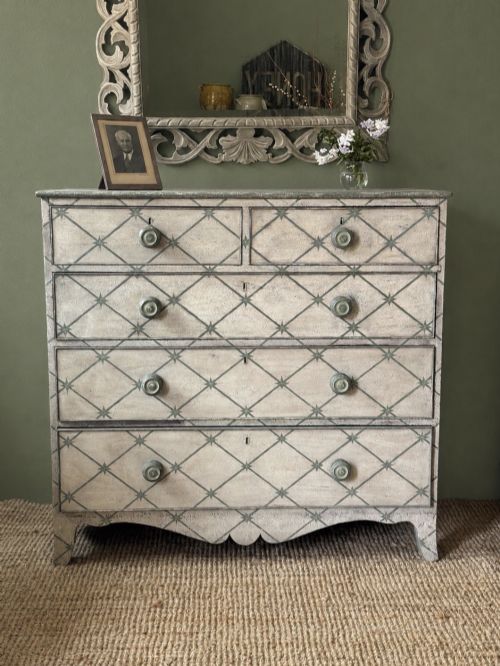
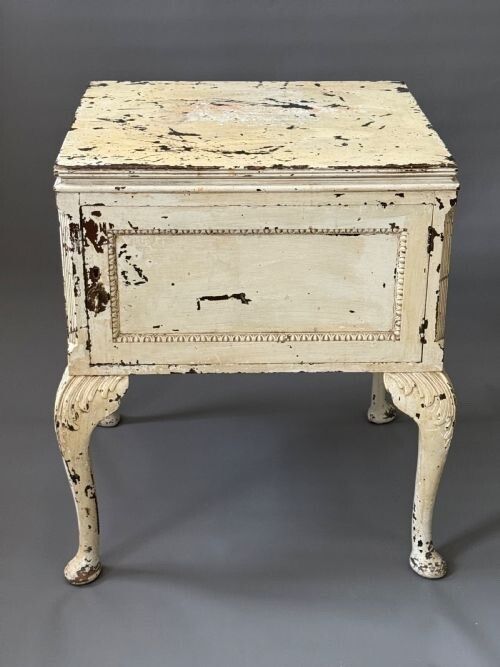
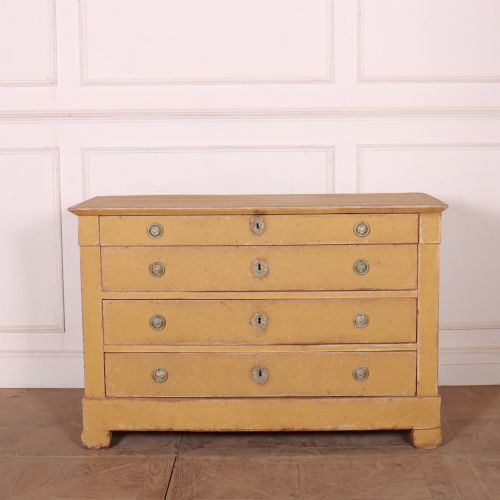
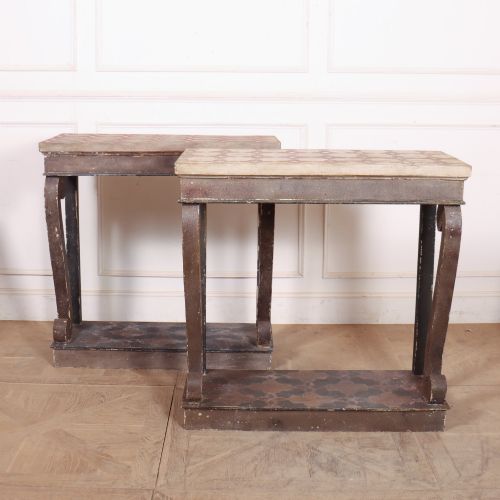
Distressed painted furniture encompasses practical domestic items finished in decorative coatings that have acquired natural wear over time. Buyers searching for distressed painted furniture encounter functional forms ranging from storage chests and commodes to tables, benches, and cupboards originating across European and international provinces.
Originating predominantly from the eighteenth, nineteenth, and early twentieth centuries, these works display the practical utility of country houses, farmhouses, and provincial interiors. Pine and wood serve as the primary substrates beneath the layers of accumulated paint.
How they were made
Makers constructed these items using solid timbers such as pine, mahogany, birch, and elm, employing traditional joinery appropriate to regional workshop practices. Carpenters built robust carcases for chests, cupboards, and tables designed for daily household service.
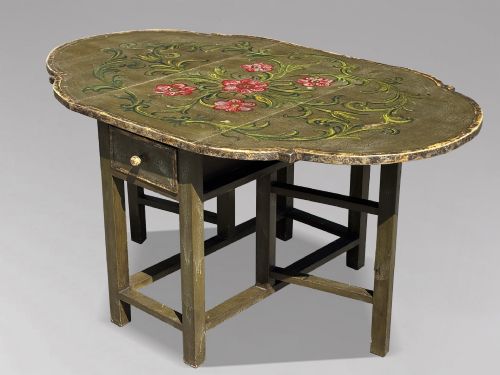
Surfaces received layers of lead-based, oil, or milk paint, sometimes applied over gesso or directly onto the prepared wood. Over decades or centuries, use created natural chipping, craquelure, and fading in the paint layers, while hardware forged from iron or brass secured doors and drawers.
Listings feature items spanning from the eighteenth century through the 1940s, utilising pine, mahogany, iron, and painted wood.
What varies in quality
Quality rests in the integrity of the original construction and the authenticity of the surface finish. Pieces retaining their initial painted scheme display a harmonious relationship between the timber substrate and the decorative layers that later repainting cannot replicate.
Proportion and regional detailing distinguish standard vernacular items from finer provincial outputs, such as Swedish Gustavian commodes with fluted drawer fronts or Georgian chests with integrated writing slopes. The balance between utilitarian strength and refined decorative moulding dictates the standing of each piece.
The Distressed Painted Furniture Glossary
- Commode
- A low cabinet or chest of drawers, typically featuring multiple tiers for storage. French and German examples from the eighteenth century often display serpentine fronts.
- Gustavian
- A Swedish neoclassical style popular in the late eighteenth and early nineteenth centuries, known for restrained ornamentation and light-coloured painted finishes.
- Pigeon holes
- Small compartments arranged within a larger framework, used for sorting letters and documents in writing tables and cabinets.
- Strapwork
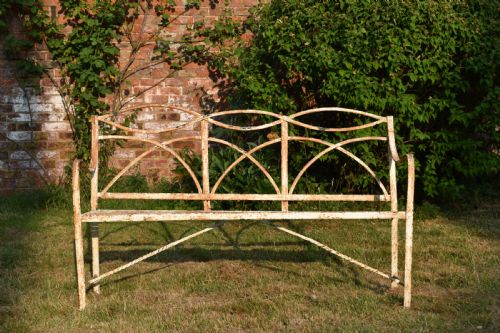
- Flat, interlaced bands forming ornamental patterns, frequently seen on metalwork and garden benches from the Regency period.
- Serpentine
- A curved furniture front characterised by a convex centre flanked by concave ends, requiring skilled carpentry to shape the timber and drawers.
Distressed Painted Furniture: Frequently Asked Questions
What is distressed painted furniture?
Distressed painted furniture comprises antique and vintage household objects finished in paint that has weathered through age and use. These items include storage chests, tables, and seating from various European regional traditions.
Such pieces combine utilitarian storage or surface space with decorative painted finishes showing natural patination. The aesthetic relies on the visual history recorded in the worn surfaces.
How do I date a painted chest of drawers?
Dating relies on examining construction methods, timber types, and the composition of the painted surface. Dovetail joints, hardware style, and secondary woods provide key indicators of the period.
Earlier pieces from the Georgian and eighteenth-century eras feature hand-cut joinery and original layered paint schemes. Victorian and later items show industrial manufacturing shifts and different pigment compositions.
Where was provincial painted furniture made?
Provincial painted furniture originated in rural workshops across Europe, with strong traditions found in Sweden, France, Hungary, and England. Local artisans utilised readily available regional timbers like pine and birch.
These pieces reflect domestic requirements and aesthetic preferences specific to their geographical origins. Hungarian dressers and Swedish country cupboards each display distinct local construction traits.
How do I care for antique painted wood?
Caring for painted antiques requires protecting the fragile surface layers from excessive moisture, direct sunlight, and rapid temperature changes. Regular dusting with a soft, dry cloth preserves the existing finish.
Avoid harsh chemical cleaners that can strip or soften historic paint layers. Maintaining stable indoor humidity prevents the underlying wood from expanding and cracking the paint.