
Display Column Pedestal
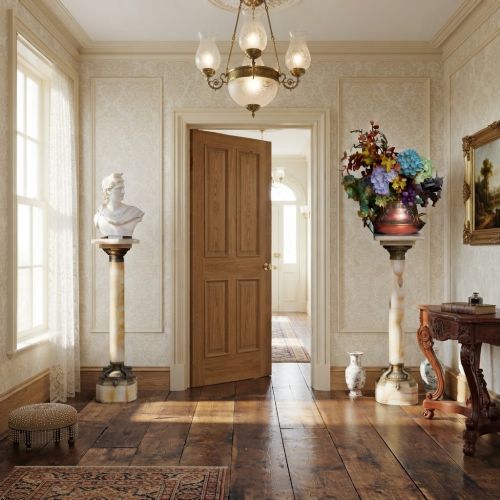
A display column pedestal elevates sculpture, porcelain and plants, bringing classical proportion and vertical presence into a room.
Display Column Pedestal
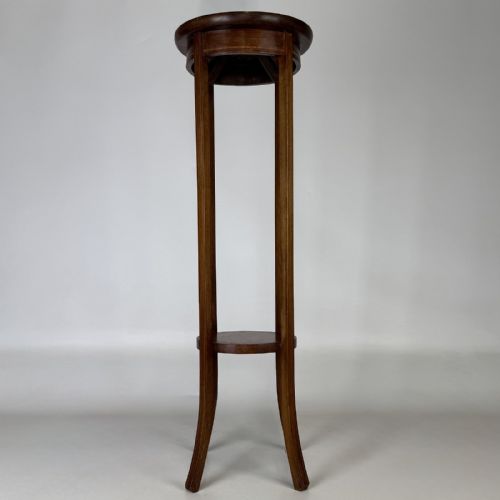
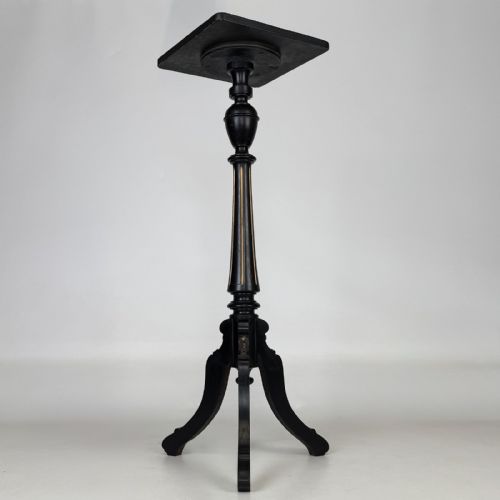
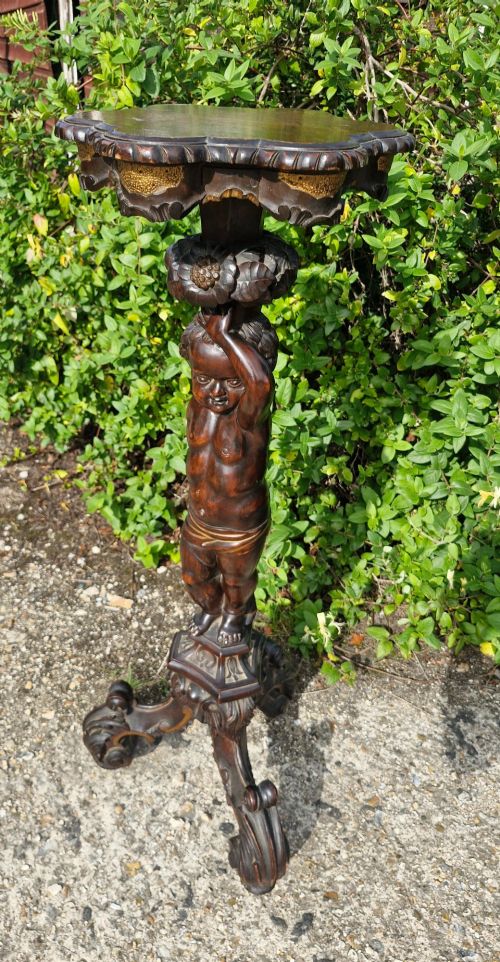
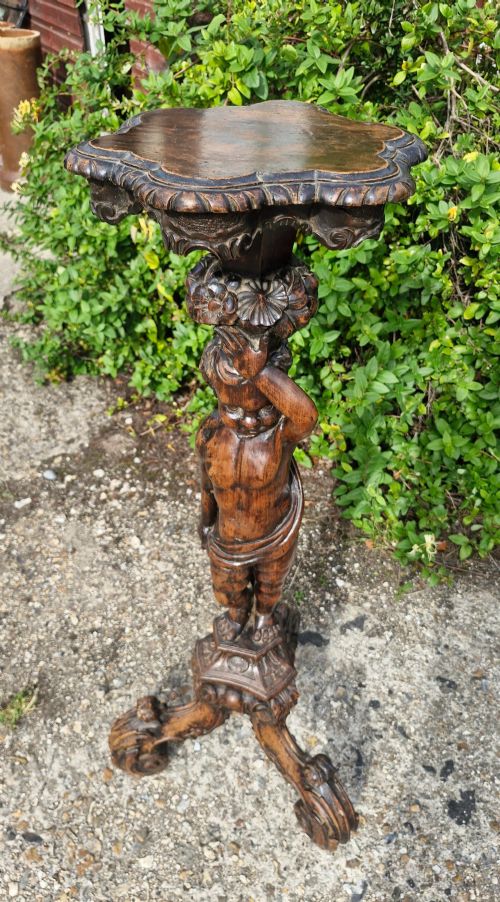
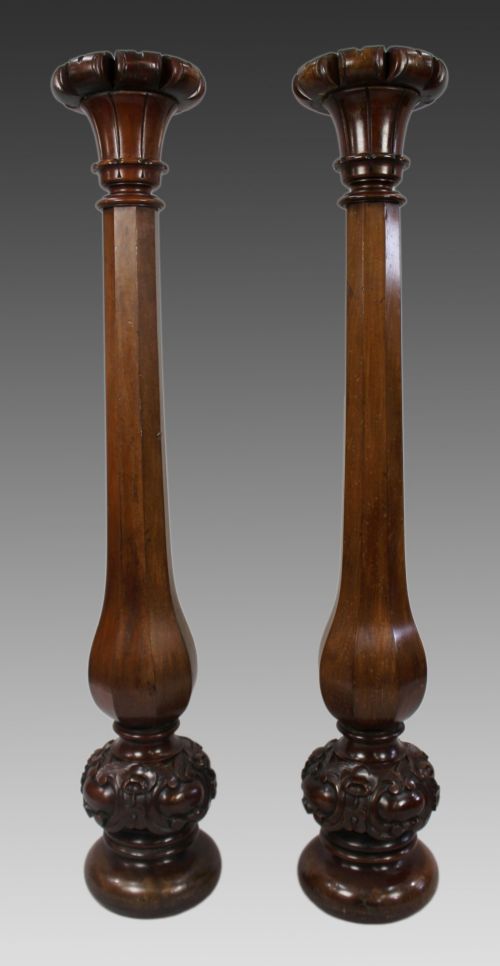
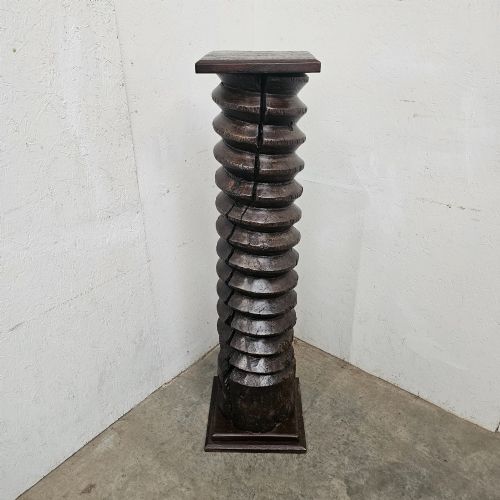
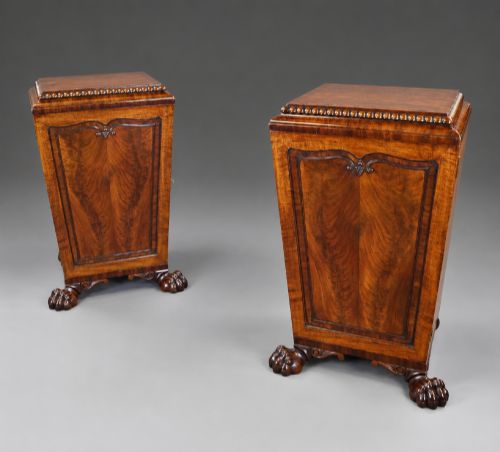
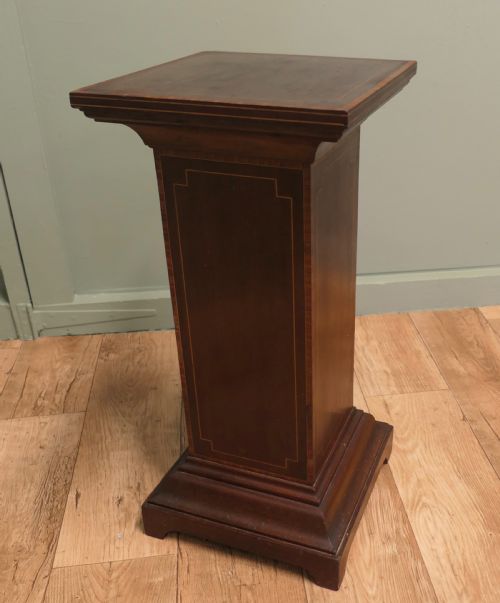
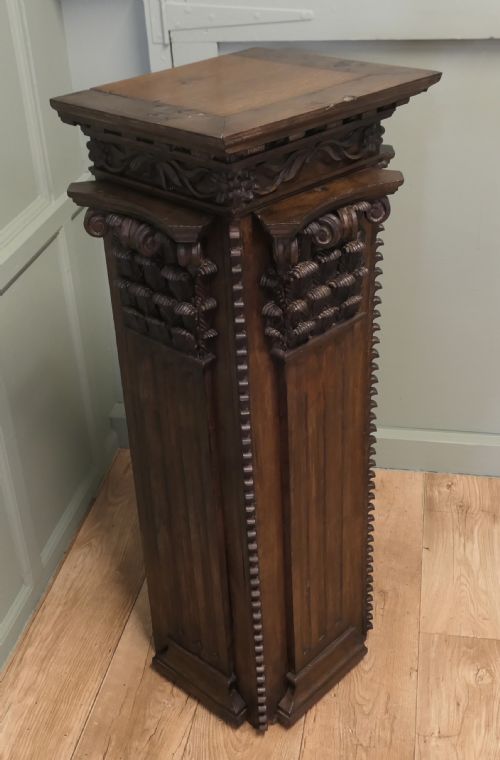
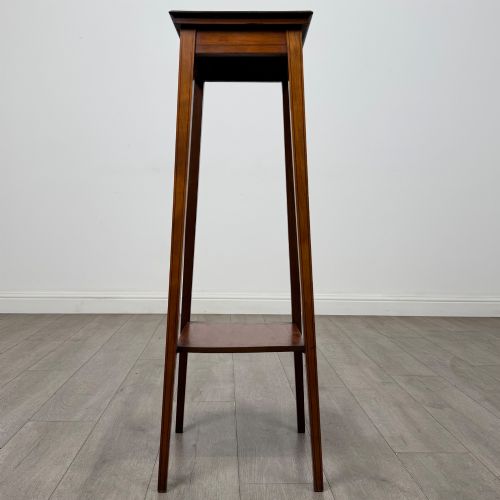
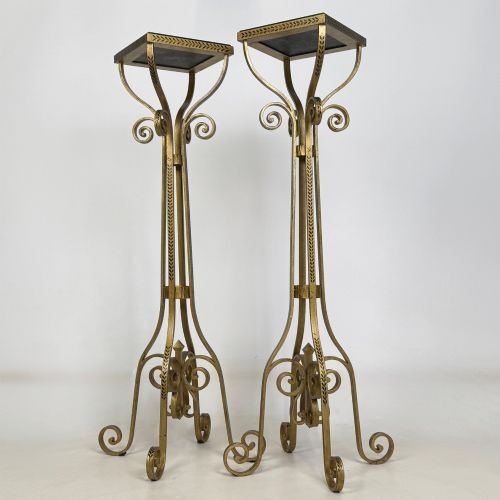
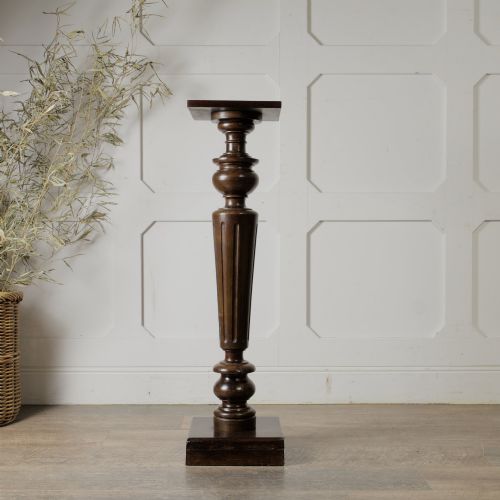
A display column pedestal takes many forms across the inventory, ranging from slender plant stands and torcheres to sturdy architectural columns and plinths. Buyers seek these pieces to elevate decorative objects, busts, and flora, creating distinct focal points in an interior.
The selection spans the nineteenth and early twentieth centuries, drawing heavily on Victorian and Edwardian periods alongside Neoclassical, Classical Revival, and Italian Renaissance styles. Examples appear singly or as matched pairs, fashioned to support weight while adding architectural dignity to a space.
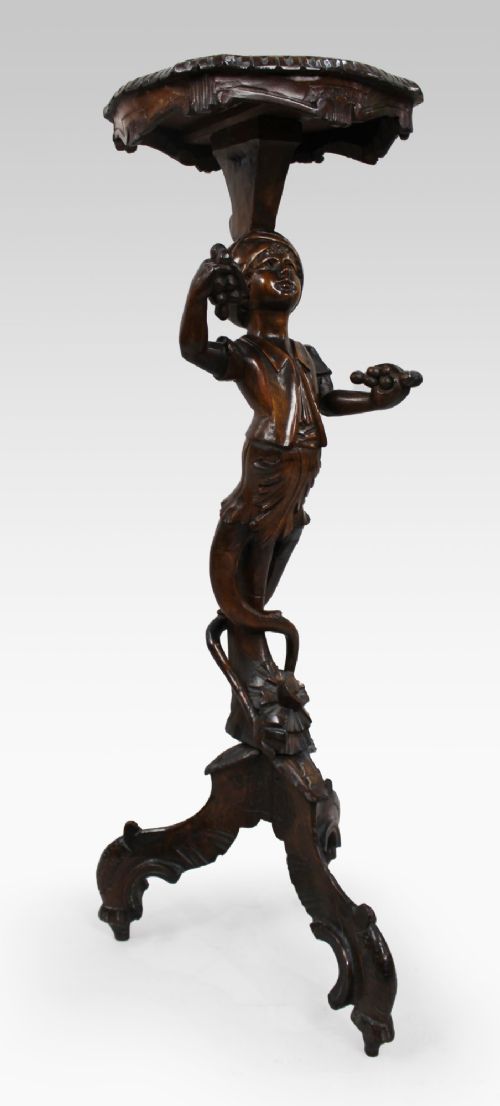
Forms include dedicated sculpture pillars, plant holders, and cabinet-topped stands originating from workshops in Britain, France, Sweden, and Italy. Each variation serves the fundamental purpose of framing an object at eye level through considered height and proportion.
Materials and Construction
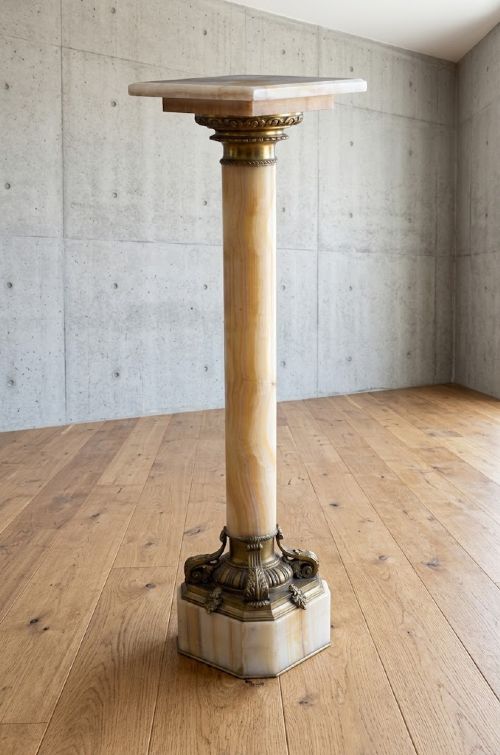
Cabinetmakers and stone masons utilised a diverse palette of hard timbers and mineral surfaces, combining solid mahogany, walnut, oak, satinwood, and kingwood with varieties of marble, alabaster, onyx, and scagliola. Ormolu collars, bronze mounts, and painted or gilt finishes frequently accent the primary structure.
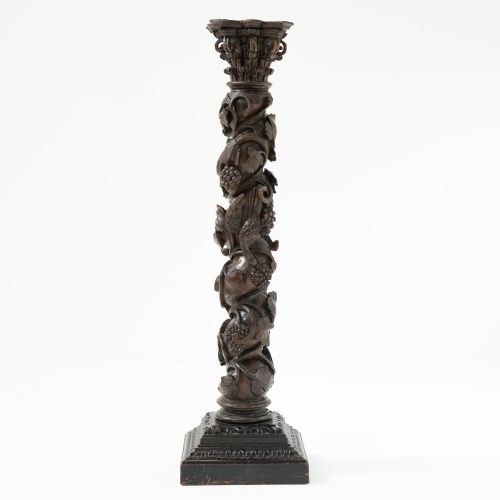
Turned, carved, and inlaid techniques define the woodwork, whether in the creation of spiralling Solomonic shafts, fluted columns, or delicate marquetry surfaces on Edwardian stands. Stone columns rely on precision lathe-turning and hand-polishing to reveal the natural grain of bardiglio, carrara, and verde antico.
Makers and designers referenced in the inventory include Shoolbred, George Smith, and Thomas Hope.
Markers of Quality
Quality rests upon the harmony of proportions, the integrity of the joinery, and the selection of materials, where dense native or exotic hardwoods and finely figured marbles distinguish superior items. The crispness of hand-carved acanthus leaves, fluting, or figural elements separates workshop masterpieces from routine production.
The integration of decorative mounts, such as cast ormolu collars and bronze detailing, dictates the refinement of the piece. Heavier gauge metalwork and seamless stone joints indicate a higher standard of manufacture by skilled ateliers.
Shoolbred·George Smith·Thomas Hope
The Display Column Pedestal Glossary
- Torchere
- A tall, slender stand designed specifically to carry a lamp, vase, or decorative figure. These pieces often feature elongated shafts supported on tripod or circular bases.
- Ormolu
- Gilded bronze mounts applied to furniture and decorative objects as decorative enrichment. This technique originated in France and adds metallic contrast to wood and stone.
- Scagliola
- A composite material made from selenite, glue, and pigments, embedded in plaster to imitate marble and other fine stones. Craftsmen polish the surface to achieve a stone-like finish.
- Solomonic
- A helical or spiralling column shaft resembling a twisted vine, popular in seventeenth and eighteenth-century furniture. The design creates dynamic movement along a vertical axis.
- Plinth
- The flat base or lower block upon which a column, statue, or pedestal rests. It provides structural stability and visual ground for the elevated object.
Display Column Pedestal: Frequently Asked Questions
How do I style a pedestal in a modern room?
A standalone column works effectively in an empty corner to break up plain wall space. Placing a single curated object on top prevents visual clutter and highlights the form.
Pair them symmetrically flanking a fireplace or sideboard for classical balance. Ensure the height of the column complements the scale of the object it supports.
How can I tell Victorian pieces from Edwardian ones?
Victorian examples generally favour heavier timbers like mahogany and walnut, featuring deeper hand-carving, darker finishes, and robust proportions. Aesthetic Movement or Gothic influences frequently appear in these nineteenth-century designs.
Edwardian stands lean towards lighter woods such as satinwood and birch, often incorporating delicate marquetry inlay and tapered legs. The overall aesthetic feels lighter and more restrained than the preceding era.
Are marble columns heavy to move?
Solid stone columns and those with marble tops possess substantial weight due to the density of the materials. Moving them typically requires two people to prevent tipping or damage to the base.
Some designs feature hollow wooden cores with stone tops to reduce weight. Care must be taken when lifting to support both the capital and the plinth equally.