
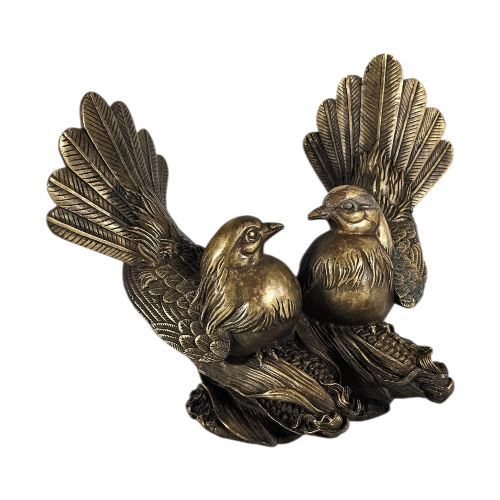
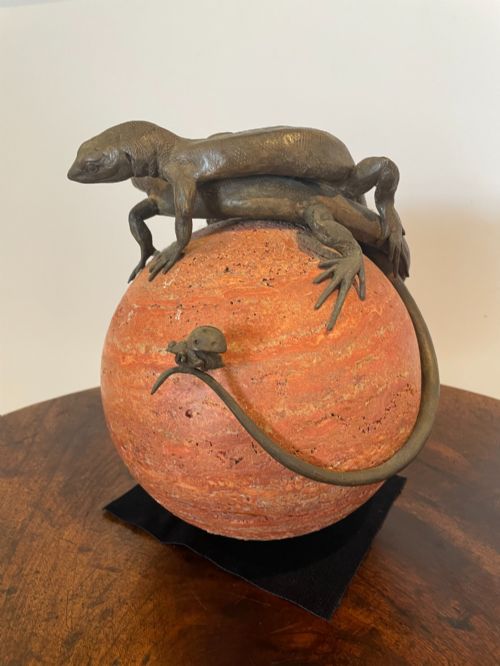
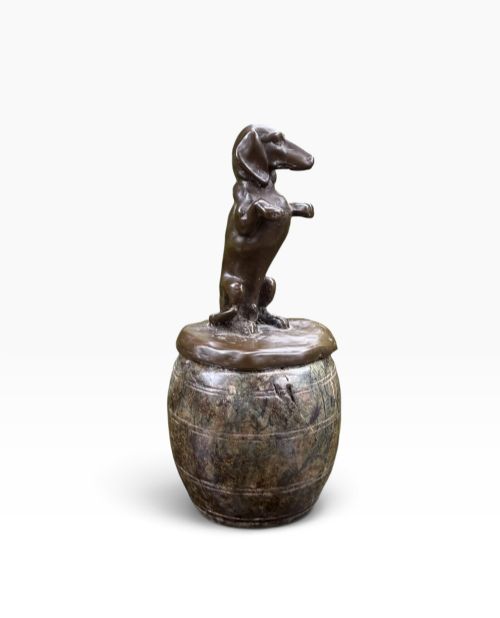
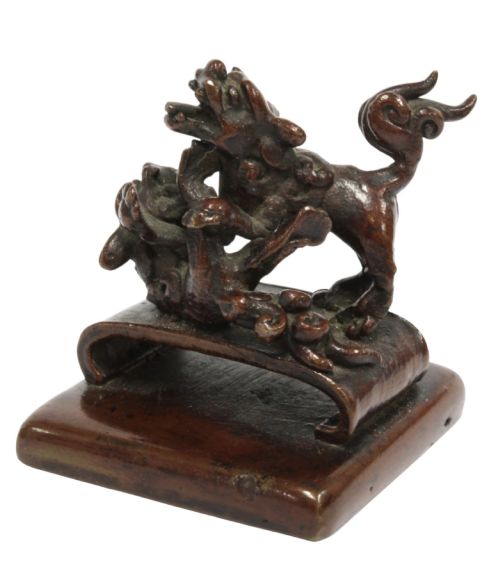
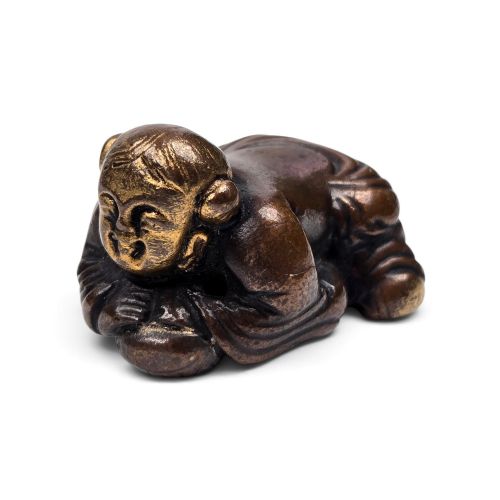
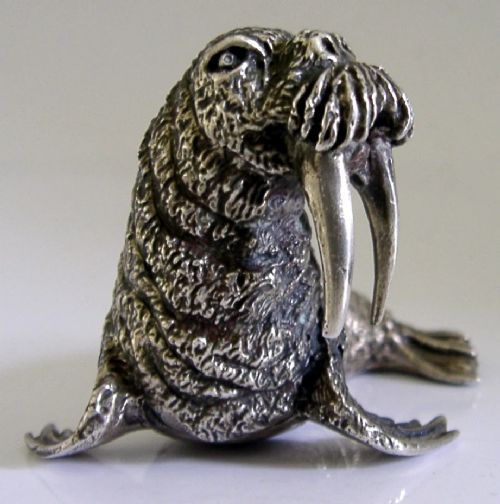
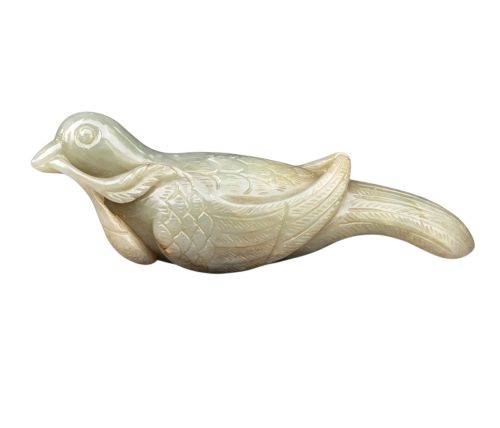
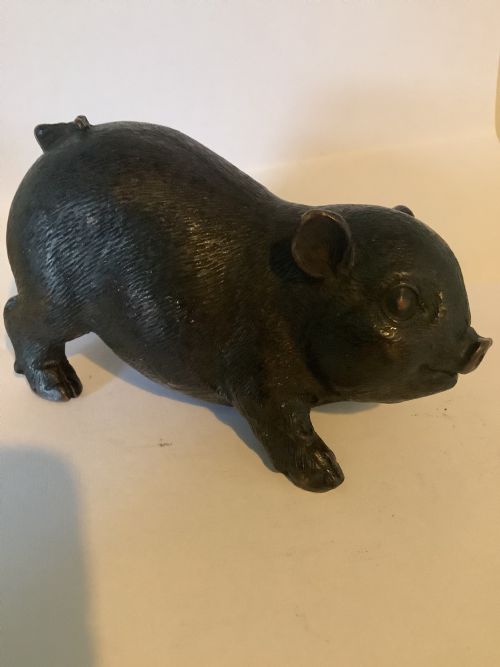
Desk Paperweight Sculpture
These desk paperweight sculpture examples combine functional heft with animal or figurative subjects, bringing tactile weight to a workspace.
Desk Paperweight Sculpture
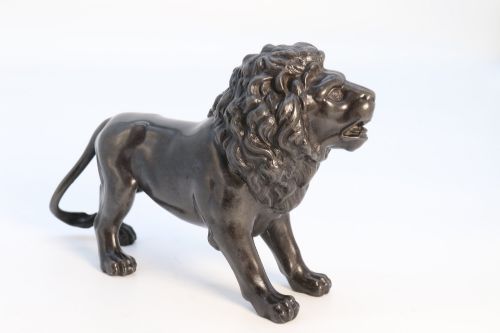
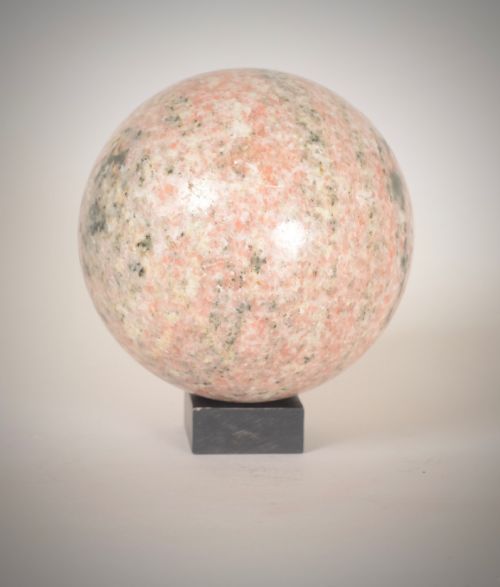
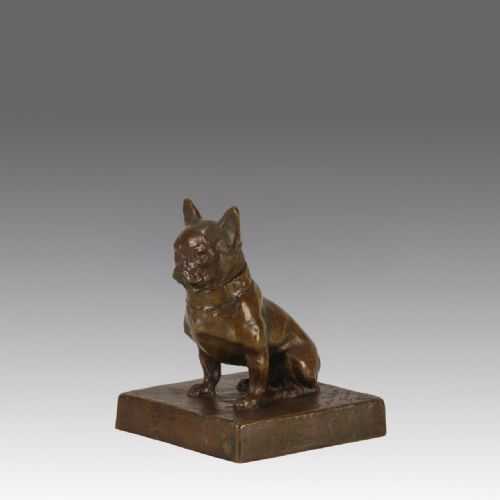
A desk paperweight sculpture serves to anchor loose papers while providing a detailed study of an animal, figure, or classical motif. Collectors seeking a desk paperweight sculpture will encounter everything from miniature bronze hounds and birds to frosted glass figures and stone spheres.
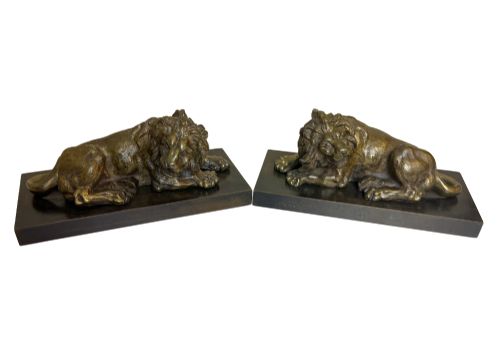
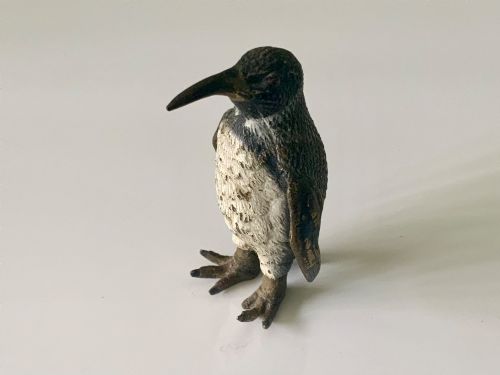
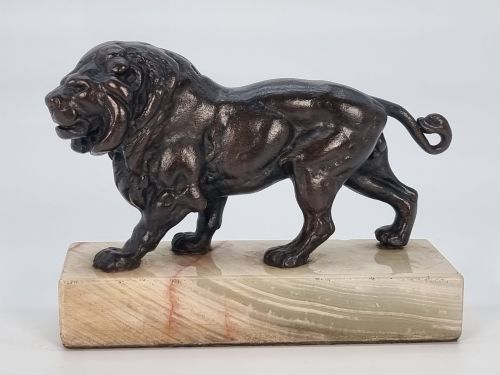
The pieces on this page span the nineteenth and twentieth centuries, originating from English, French, Austrian, and Chinese workshops. Animal subjects predominate, particularly dogs, lions, and birds cast in bronze or modeled in silver and glass.
Many examples double as seals, water carriers, or desk ornaments designed for scholarly or domestic use. These objects reflect both European animalier traditions and Asian scholar's desk items.
Materials and construction
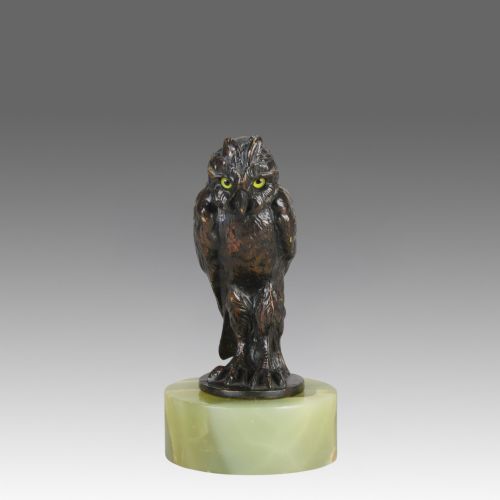
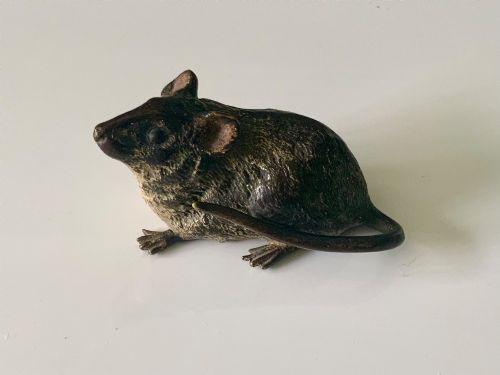
Bronze forms the core of many pieces, often finished with cold-painted polychrome details or mounted on marble and onyx bases. Foundries utilised lost-wax casting methods to capture fine textures in fur, feathers, and anatomical details.
Glass pieces rely on pressed or moulded techniques, sometimes utilising frosted surfaces and high-relief detailing to accentuate the form. Silver and pewter examples demonstrate precision smithing and solid-cast construction for substantial weight.
Materials span cast iron, sterling silver, onyx, granite, and frosted glass alongside traditional patinated bronze.
Quality variations
The distinction between ordinary and exceptional pieces lies in the crispness of the casting and the sensitivity of the modelling. Superior examples display lifelike posture and retained polychrome paintwork without blurring of fine lines.
The integration of the figure with its designated base, whether stone, marble, or onyx, determines the overall harmony of the object. Heavier gauges of silver and dense bronze alloys provide the physical substance expected in a utilitarian paperweight.
Franz Bergman·Rene Lalique·Antoine Louis Barye·Dora Heber·Liberty And Co
The Desk Paperweight Sculpture Glossary
- Animalier
- A nineteenth-century artistic movement focused on the realistic portrayal of animals. Sculptors in this tradition studied anatomy closely at menageries before casting their models in bronze.
- Cold-painted bronze
- A technique where bronze figures are painted with naturalistic pigments rather than fired in a kiln. This Austrian specialty is prone to surface wear if handled frequently.
- Scholar's seal
- A carved stone, bronze, or jade object traditionally used by literati for stamping documents. These items often doubled as tactile desk ornaments.
- Grand Tour
- A period of European travel undertaken by the elite to collect classical antiquities and souvenirs. Bronzes acquired on these journeys often replicate ancient architectural motifs or sculpture.
- Lost-wax casting
- A metalworking process where a molten metal is poured into a mould that has been created by a wax model. This method allows for intricate undercuts and fine surface textures.
Desk Paperweight Sculpture: Frequently Asked Questions
What is a desk paperweight sculpture used for?
These pieces were created to hold down correspondence and loose sheets on writing desks while doubling as decorative cabinet or table ornaments.
Their substantial weight and compact dimensions made them practical tools for studies, offices, and libraries.
How do I identify cold-painted bronze?
Cold-painted pieces display matte, non-fired pigmentation applied directly to the metal surface to depict feathers, fur, or clothing.
Examining the underside often reveals the warm tone of the underlying bronze where the paint has thinned from handling.
Are these pieces solid metal?
Many examples are solid-cast in bronze, silver, or pewter to ensure the necessary heft for anchoring paper.
Some larger or more sculptural forms may utilise hollow casting while retaining sufficient weight through dense stone bases.
Where were these sculptures made?
The pieces originate from various European centres, notably Austrian foundries, French animalier workshops, and English silversmiths.
Asian scholar objects from Chinese dynasties also appear alongside Western interpretations of classical and natural subjects.