



Delftware Pottery Plate
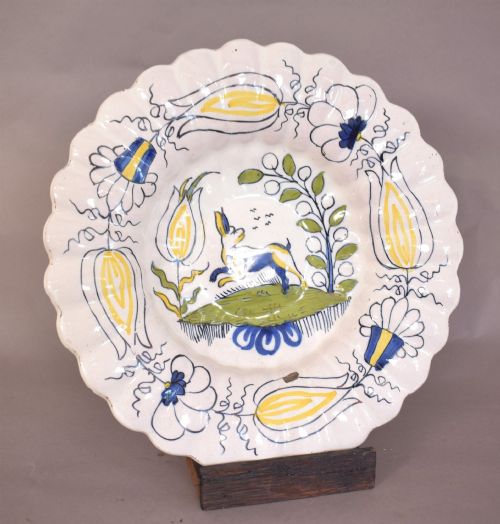
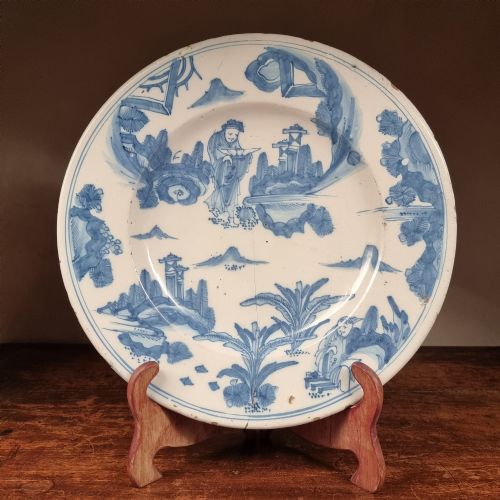
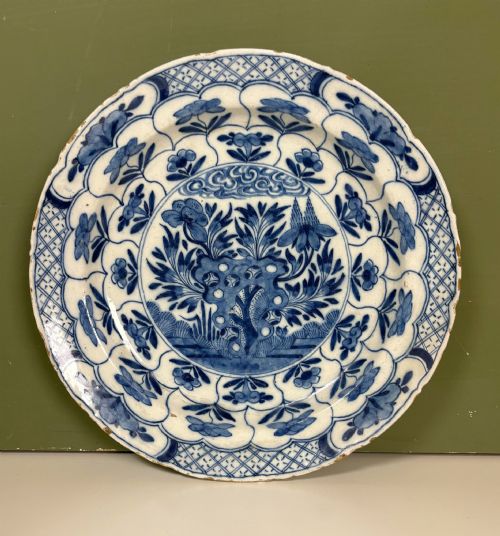
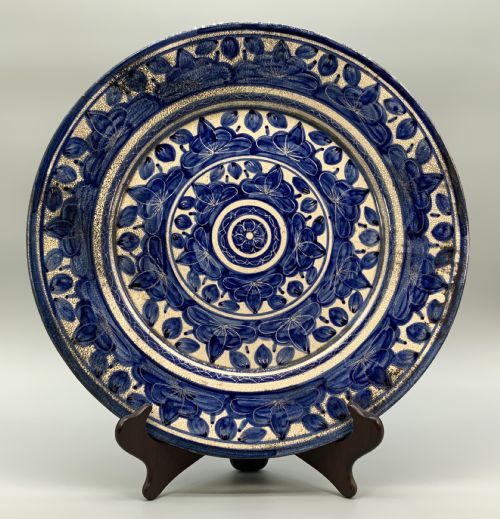
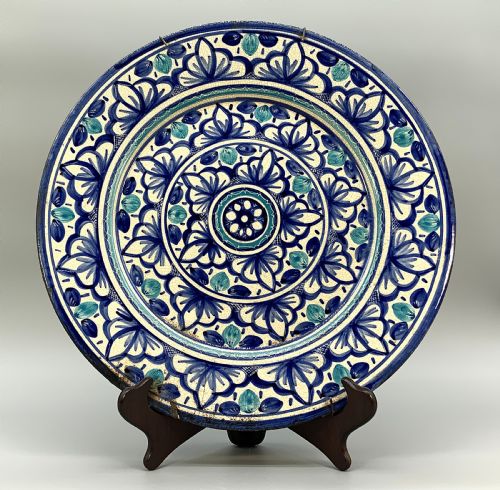
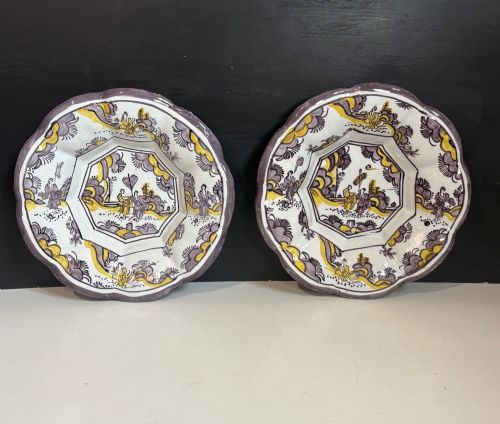
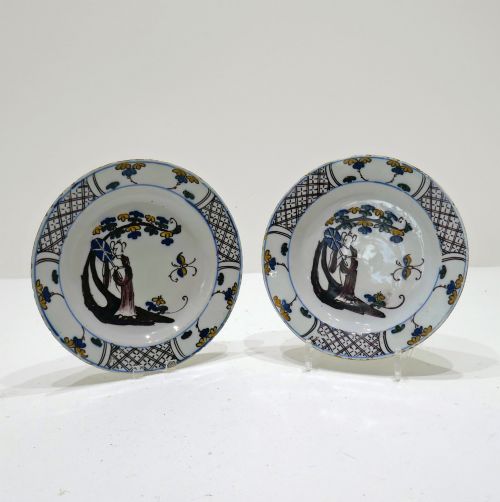
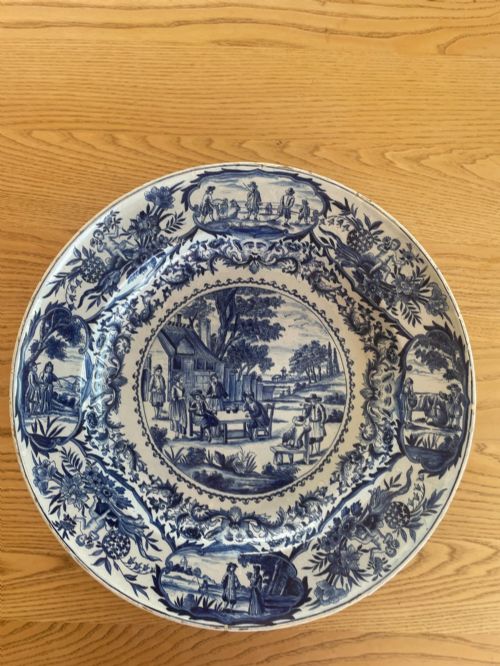
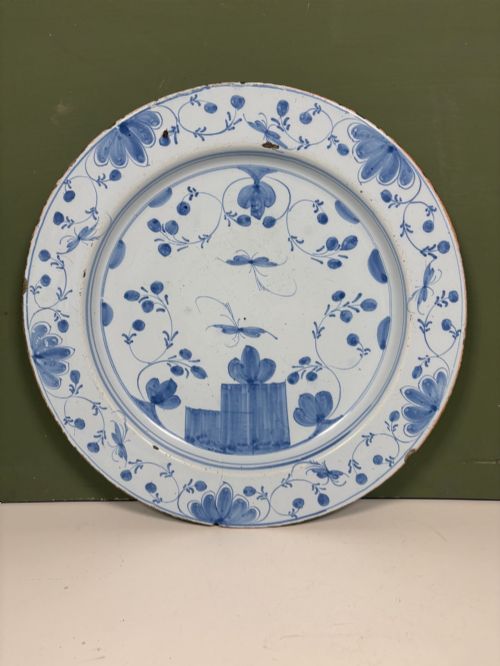
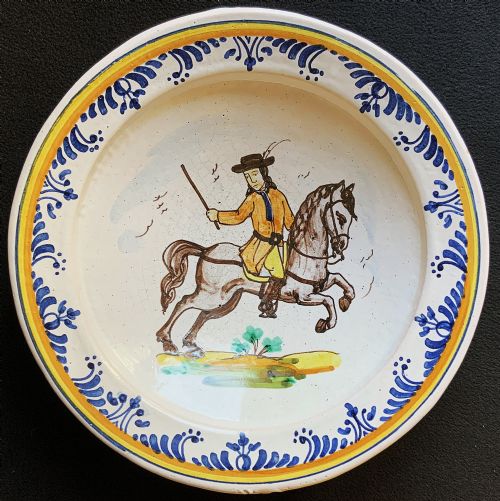
These delftware pottery plate examples are tin-glazed earthenware vessels shaped by centuries of tradition, prized for their hand-painted blue and white or polychrome designs.
Delftware Pottery Plate
A delftware pottery plate is a ceramic vessel formed from clay and finished with an opaque tin glaze. When you search for this phrase, you encounter forms ranging from small tableware plates to large decorative chargers.
The pieces on this page originate primarily from 17th-century and 18th-century kilns in England, the Netherlands, and Spain. Dutch and English examples dominate the selection, alongside continental and Moorish revival variants.
Makers produced these dishes in both simple blue-and-white palettes and rich polychrome schemes. Collectors find lobed dishes, shallow bowls, and broad chargers bearing floral, landscape, or Chinoiserie motifs.
Materials and technique
Potters shaped earthen clay into plates and dishes before firing the raw body in a kiln. Artisans then applied a liquid tin glaze over the surface to create a white, opaque base for painting.
Painters decorated the tin-glazed surface using cobalt pigment and metal oxides. Cobalt oxide produced deep blue hues during the final high-temperature glaze firing, while polychrome versions incorporated multiple mineral pigments.
Materials recorded across current items include cobalt pigment, ceramic clay, and tin glaze.
What separates the finest examples
The crispness and confidence of the brushwork separate standard domestic wares from exceptional exhibition pieces. Artisans who painted freehand floral sprays or intricate Chinoiserie scenes with fluid brushstrokes achieved greater artistic merit.
The purity of the tin glaze and the control shown during the pigment firing dictate visual success. Smooth, even glazing that accommodates cobalt or manganese details without excessive pooling represents superior workshop output.
The Delftware Pottery Plate Glossary
- Tin-Glazed Earthenware
- A ceramic body coated with a lead glaze made opaque by the addition of tin oxide. This white surface provided the standard canvas for painted European pottery.
- Polychrome
- Decoration employing multiple colours rather than a single hue. Potters used various mineral oxides to introduce yellows, greens, and reds alongside standard blues.
- Charger
- A large decorative plate intended for display on a wall or sideboard rather than daily dining. These substantial dishes often feature the most elaborate painted compositions.
- Chinoiserie
- European artistic interpretations of Chinese decorative motifs and landscapes. Painters applied these fantastical Asian-inspired scenes directly onto tin-glazed plates.
- Kraak plate
- A style of imported porcelain design copied by European potteries. These pieces typically feature panelled borders surrounding a central painted subject.
- Grand Feu
- A high-temperature kiln firing technique used to fix pigments directly into the raw glaze. This method required considerable skill to prevent colours from running.
Delftware Pottery Plate: Frequently Asked Questions
What is a delftware pottery plate?
A delftware pottery plate is a tin-glazed earthenware dish decorated with painted mineral pigments. These historic pieces originated across European centres during the seventeenth and eighteenth centuries.
Craftsmen shaped local clay into plates and chargers, coating them in a white tin glaze before applying blue and white or polychrome designs.
How were these plates used historically?
Smaller plates served functional roles at dining tables for serving food during meals. Larger chargers were primarily decorative items displayed on walls or sideboards to showcase wealth.
Many surviving examples show suspension holes drilled into the footrims by early owners for wall hanging.
How do I care for antique delftware?
Antique tin-glazed earthenware requires gentle handling due to the fragile nature of the historic ceramic body. Keep pieces away from moisture and extreme temperature fluctuations to protect the glaze.
Display plates securely using padded hangers and clean them only with a dry, soft cloth rather than water.
How do I tell English and Dutch delft apart?
English and Dutch plates often differ in their clay bodies, glaze characteristics, and painting styles. English bodies can appear slightly softer or buff-coloured in section, while Dutch pieces frequently display crisp blue painting.
Regional palettes and potting techniques provide clues for attribution when examining unmarked antique dishes.