






Delft Ceramics
Delft ceramics bring historical tin-glazed earthenware into modern interiors, offering painted blue and white scenes that collectors prize for their rich ceramic heritage.
Delft Ceramics
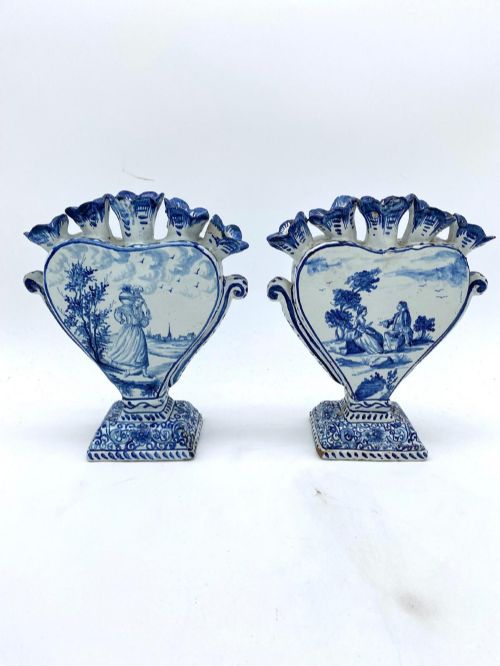
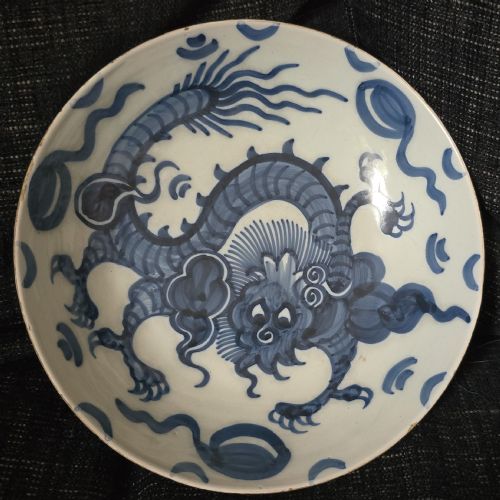
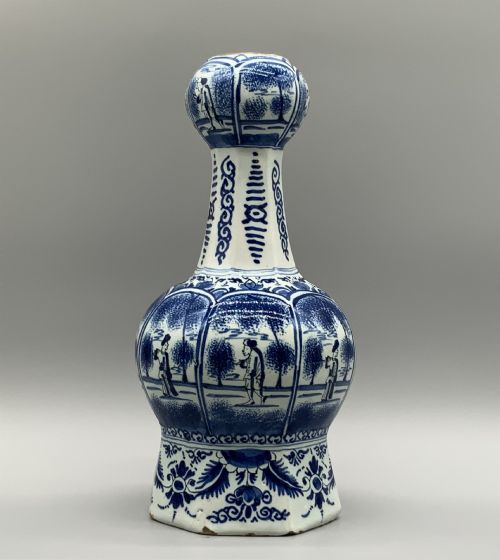
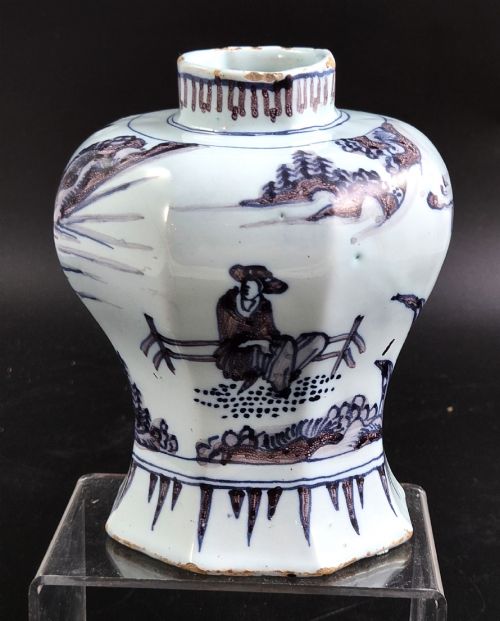
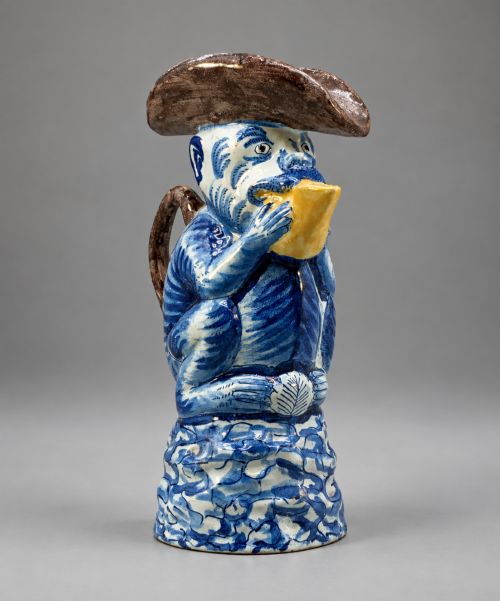
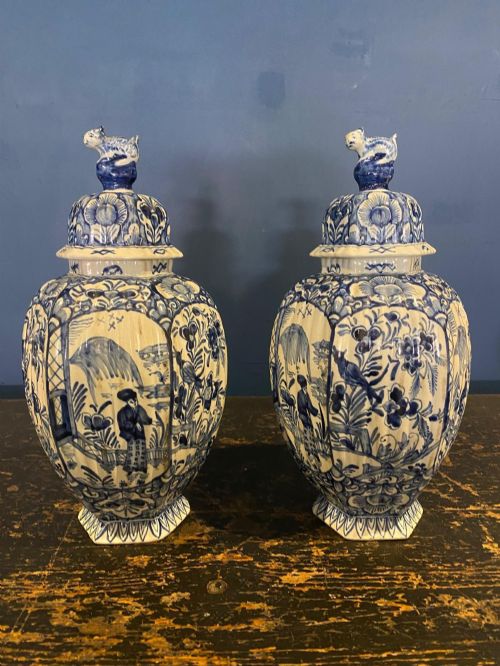
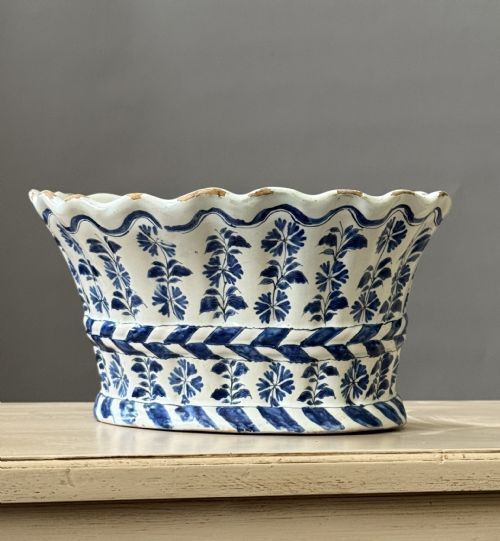
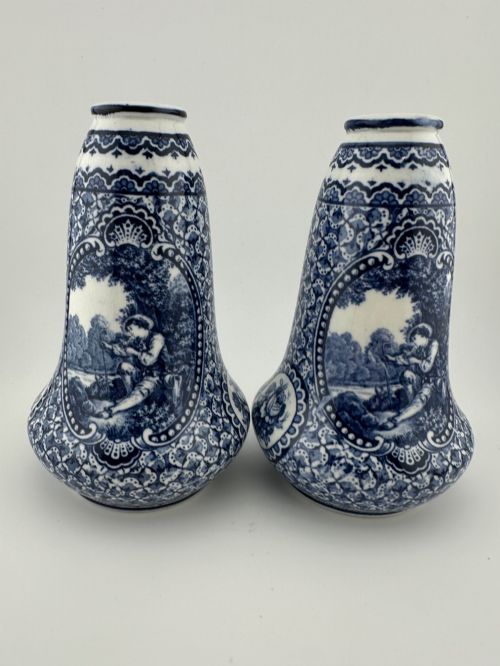
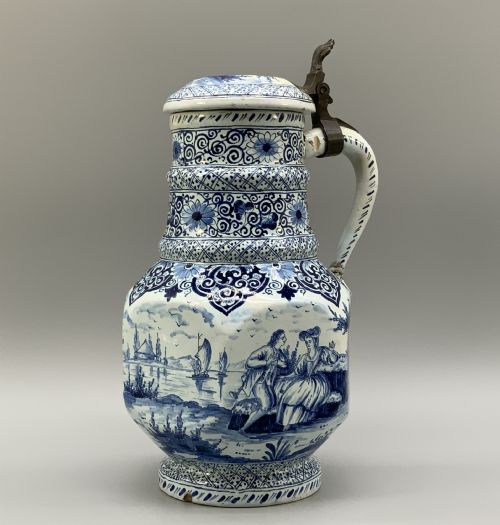
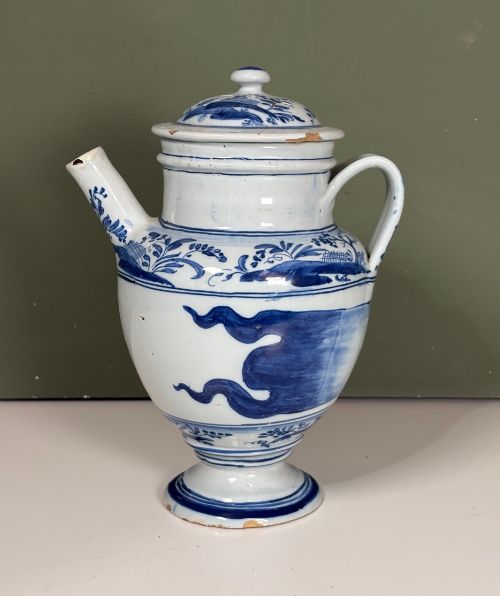
When searching for delft ceramics, buyers encounter tin-glazed earthenware objects spanning several centuries, originating primarily from Dutch workshops alongside English and continental makers. The pieces available here include large chargers, decorative plates, apothecary jars, vases, and figural forms such as cows, monkeys, and miniature armchairs.
The most common forms on this page are blue and white chargers and vases dating from the eighteenth century, alongside nineteenth-century revivals and later Moorish style pieces. These items range from simple domestic dishes to elaborate botanical bough pots, puzzle jugs, and wall sconces.
Geographic origins vary from traditional Dutch centres to English kilns and continental factories utilising faience techniques. Collectors select these items for their distinct narrative decoration, which frequently draws upon Chinese export porcelain and botanical motifs.
Materials and production methods
The foundation of these objects is an earthen clay body covered in an opaque tin glaze, which provides a smooth, white surface for subsequent painting. Cobalt pigment and manganese oxide are then applied directly onto the unfired glaze, absorbing into the surface during kiln firing to produce deep blue or purple tones.
Potters shape vessels on the wheel or press them into moulds before dipping them into the tin glaze mixture. Firing transforms the porous earthenware body and sets the hand-painted mineral pigments beneath a glossy protective finish.
Delft Ceramics Retail Price Guide 2026
Typical asking prices for delft ceramics among the pieces listed under this phrase on Sellingantiques today, from the lower quarter to the upper quarter. They describe what is for sale here now, not the wider market.
The inventory encompasses periods spanning from the seventeenth century through to nineteenth-century revivals and mid-twentieth-century Moorish styles.
Evaluating quality and execution
Quality rests in the precision of the hand-painted brushwork and the clarity of the cobalt or manganese pigments against the tin glaze. Superior examples display confident, fluid lines in their Chinoiserie or floral motifs, whereas simpler items show more hurried execution.
The complexity of the form also dictates standard, with moulded animal figures, lidded puzzle jugs, and large armorial chargers requiring greater technical skill than standard flat plates. Furthermore, the crispness of the white glaze background and the depth of the cobalt colour separate standard production from masterworks.
Pieter Verburg·Franz Anton Mehlem·Villeroy and Boch
The Delft Ceramics Glossary
- Tin-Glazed Earthenware
- Pottery coated with a lead glaze made opaque by the addition of tin oxide. This creates the characteristic white background used for painting.
- Charger
- A large decorative plate or dish, typically intended for display on a wall or dresser rather than for practical dining use.
- Faience
- European tin-glazed earthenware, a term widely used on the continent for ceramics produced in the manner of Dutch and Italian wares.
- Chinoiserie
- European decorative motifs inspired by Chinese art and porcelain, frequently featuring landscapes, scholars, and pagodas.
- Manganese
- A metallic oxide pigment used in ceramic decoration to produce rich purple, brown, or plum-coloured tones instead of standard blue.
- Baluster
- A vertical architectural form with a swollen lower portion, commonly found in the profile of traditional vases and jars.
Delft Ceramics: Frequently Asked Questions
Were chargers used for dining?
Large chargers served primarily as decorative display items on sideboards and walls throughout the seventeenth and eighteenth centuries. Their substantial size and painted scenes made them status objects rather than functional tableware.
Domestic settings utilised smaller plates for daily food service, while chargers remained reserved for visual presentation in affluent households.
What is an apothecary jar?
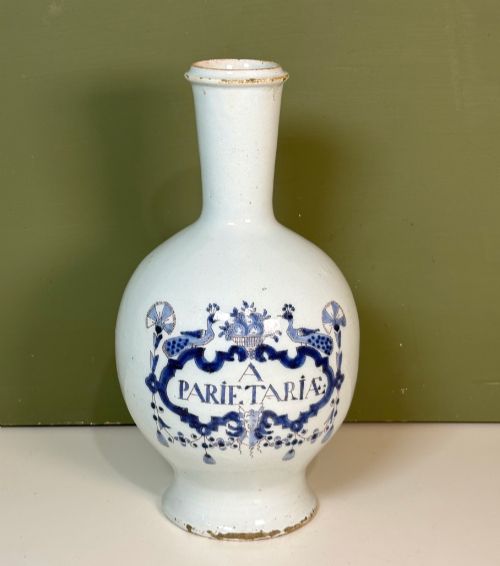
Apothecary jars and bottles held dried herbs, medicinal compounds, and syrups in historic pharmacies and dispensaries. Their clear tin-glazed labelling allowed apothecaries to identify contents quickly on crowded shelves.
These containers feature straight or baluster forms and often display botanical or pharmaceutical motifs alongside painted Latin inscriptions.
How do I spot a reproduction?
Examine the weight, glaze consistency, and pigment absorption to understand the age of a piece. Older earthenware exhibits natural crazing and softer blue tones where cobalt has bled slightly into the tin glaze.
Modern copies often present a heavier, overly bright white surface with flat, stenciled patterns rather than confident hand-painted brushstrokes.