


Deep Seated Tub Chair
These deep seated tub chair designs offer robust support and historic character, bringing an enveloping silhouette to studies and sitting rooms alike.
Deep Seated Tub Chair
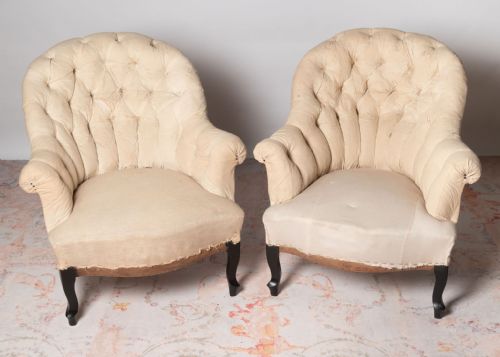
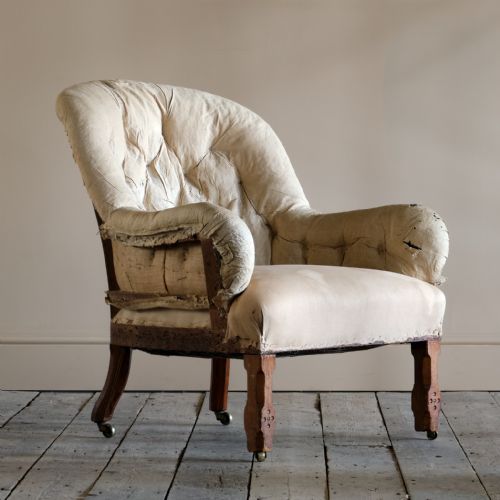
A deep seated tub chair provides a curved, enclosing backrest that flows directly into low arms, creating a protective enclosure for the sitter. These seating options emerge across the nineteenth century and into the early twentieth century, spanning Victorian, Edwardian, and French Napoleon III aesthetics.
Makers such as Gillows, Miles & Edward, and Hampton and Sons contribute to the historical breadth of these offerings. Buyers frequently encounter variations featuring ebonised and gilt legs or traditional button back upholstery.
How they were made
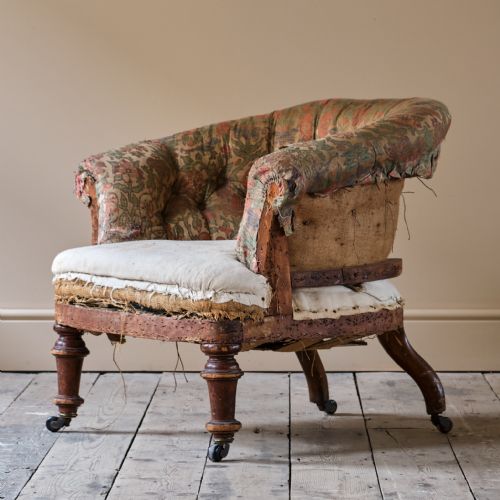
Makers construct the foundational frames of a deep seated tub chair using timber such as mahogany, shaping the curved back rails to achieve the characteristic rounded profile. Structural stability relies on sturdy internal joinery designed to support the continuous sweep of the arms.
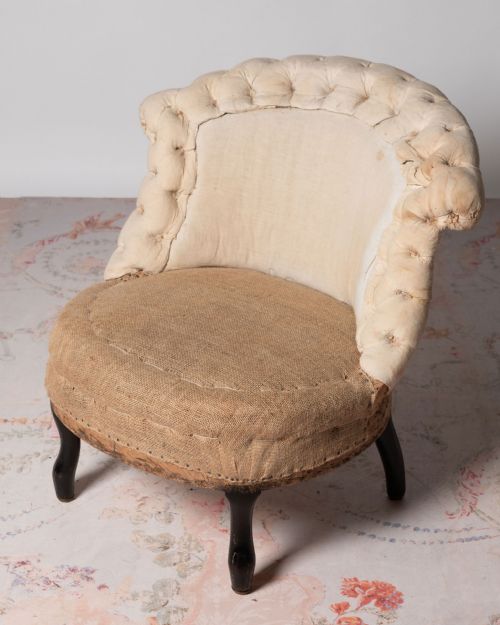
Upholstery techniques involve layers of hessian, calico, and linen as stuffing foundations before finishing the exterior in materials like leather, velvet, or fabric. Detail work often incorporates brass hardware and decorative elements like ebonised and gilt finishes on the legs.
The listings on this site span the nineteenth century, 1800, and 1900, incorporating timber, leather, brass, and velvet.
What varies in quality
The refinement of the timber frame and the precision of the curved back construction separate standard production from superior examples. Master workshops invest greater care in carving mahogany and executing subtle details like gilt and ebonised leg treatments.
Upholstery execution dictates the longevity and tactile appeal of the piece, with high-grade leather, velvet, and button-back work demonstrating superior craftsmanship. Attribution to notable firms like Gillows or Hampton and Sons elevates the standing of an individual armchair.
Gillows·Miles & Edward·Hampton and Sons
The Deep Seated Tub Chair Glossary
- Tub chair
- An armchair featuring a continuous curved back and low arms that form a protective, rounded enclosure. This design originates in the nineteenth century for comfortable parlour and library seating.
- Button back
- An upholstery technique where depressions are formed in the padding by pulling thread tightly through to the frame, secured with cloth-covered buttons. This method creates a patterned, padded surface.
- Ebonised
- Wood that has been treated chemically or stained black to imitate expensive ebony. Makers frequently apply this finish to chair legs for a striking visual contrast.
- Hessian
- A coarse woven fabric typically manufactured from jute fibres, utilised as internal foundation webbing and stuffing support beneath the final upholstery layers.
- Corner chair
- A seating form designed to fit neatly into room angles, featuring a diagonal orientation with a curved back rail supported by multiple upright spindles.
Deep Seated Tub Chair: Frequently Asked Questions
What is a deep seated tub chair?
A deep seated tub chair is a historic armchair distinguished by a curved, enclosed backrest that flows directly into low armrests. These pieces provide an enveloping seating experience developed during the nineteenth century.
They appear across various periods including the Victorian and Edwardian eras, as well as French Napoleon III designs, utilising materials like mahogany, leather, and velvet.
How do I identify a Victorian tub chair?
Victorian tub chairs typically feature solid mahogany frames, traditional button-back upholstery, and turned or ebonised legs. Their construction relies on period joinery methods common during the nineteenth century.
Makers from this era often incorporated brass details and heavy textiles such as velvet, linen, or hessian within the internal padding layers.
Where should I place a library chair?
Library chairs suit studies, home offices, and reading corners where their supportive, enclosed design encourages prolonged sitting. Their deep seats and curved backs offer substantial comfort for working at desks or reading.
Pairing these chairs with nineteenth-century desks or placing them in corners highlights their historic proportions and architectural silhouettes.
How do French and English styles differ?
French chairs from the nineteenth century, including Napoleon III examples, often emphasise decorative finishes like gilt woodwork and refined upholstery styling. English counterparts from makers like Gillows or Hampton and Sons typically focus on robust mahogany frames and functional leather club designs.
Both traditions maintain the characteristic curved tub shape while expressing distinct regional cabinetmaking preferences.