


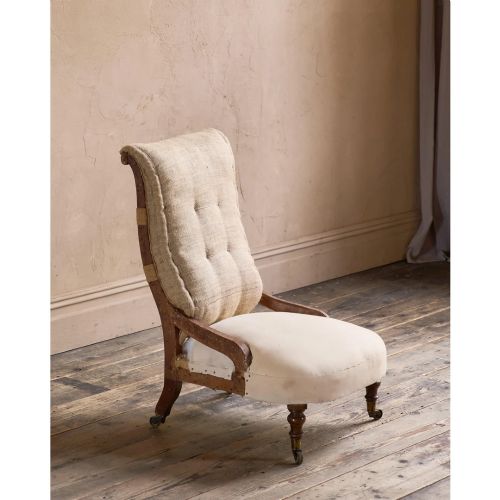
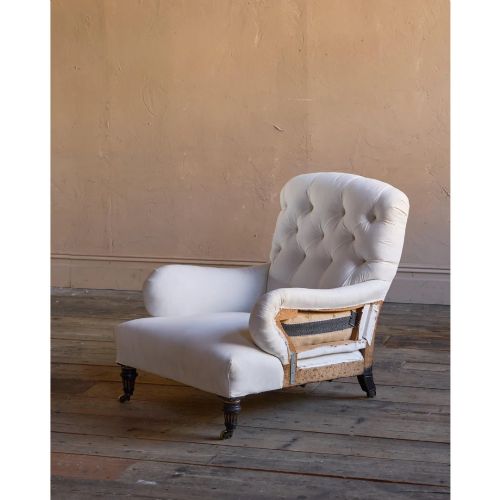
Low Seating Armchair
A low seating armchair brings intimate scale and relaxed proportion to a room, offering deep comfort without overwhelming the floor plan.
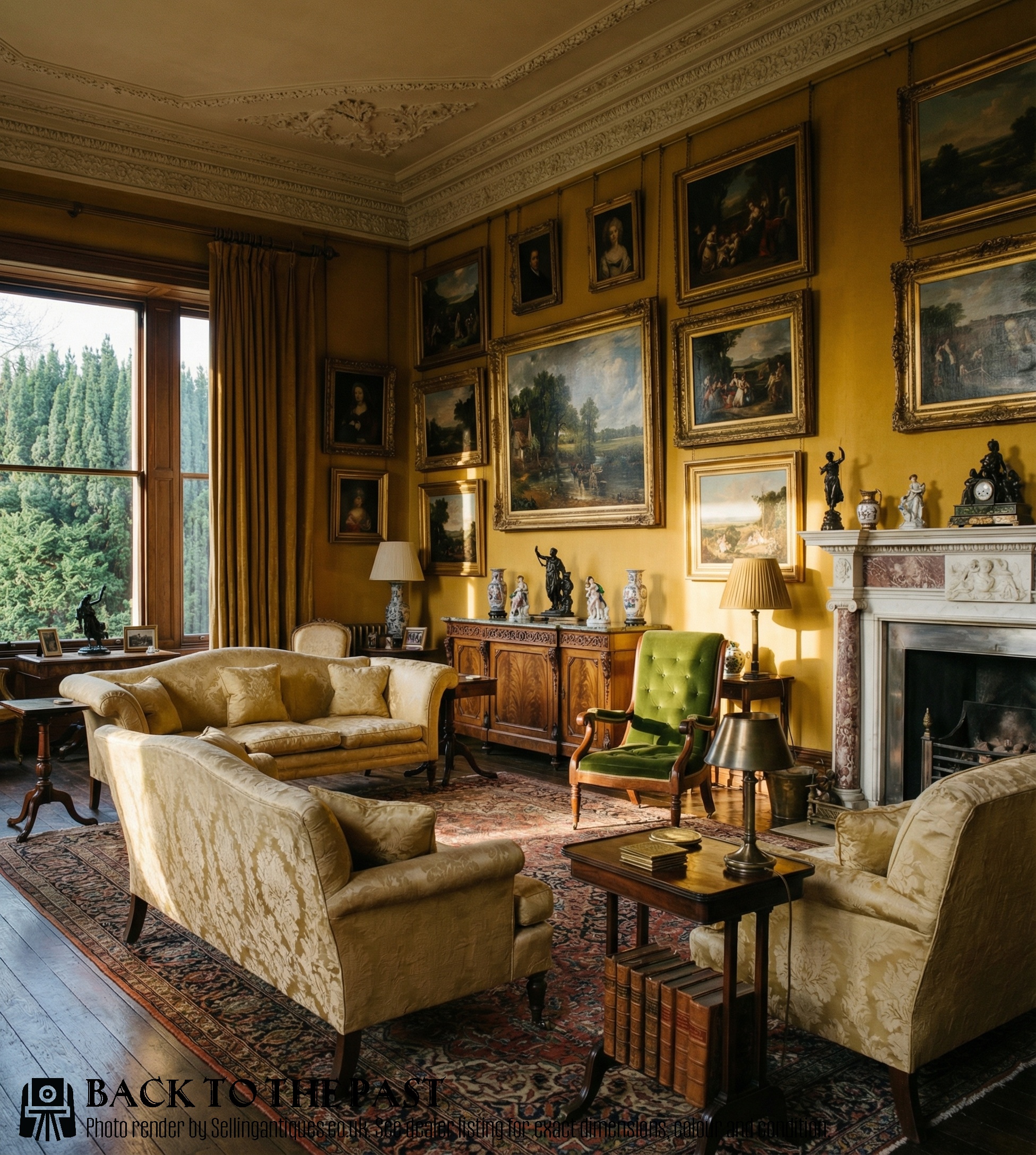
Low Seating Armchair
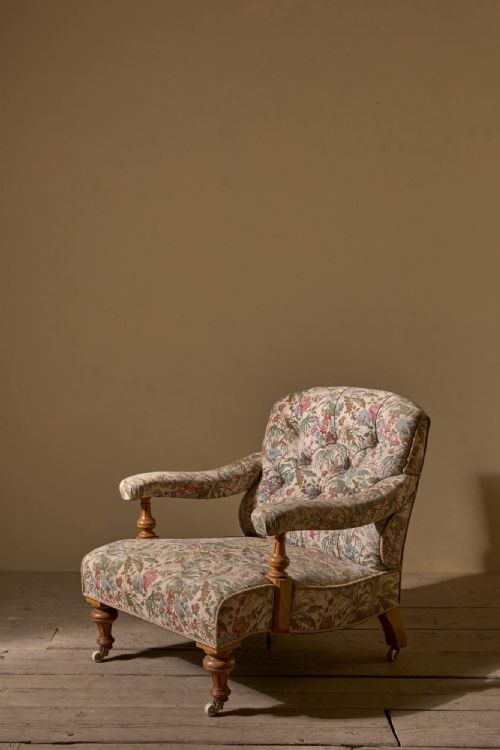
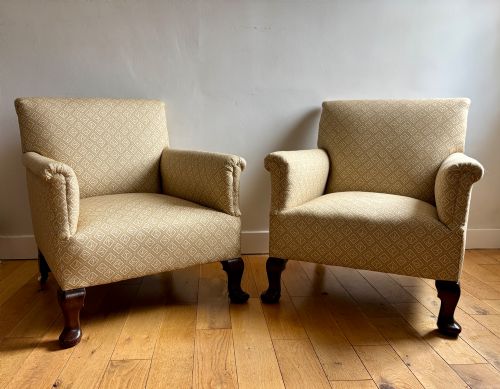
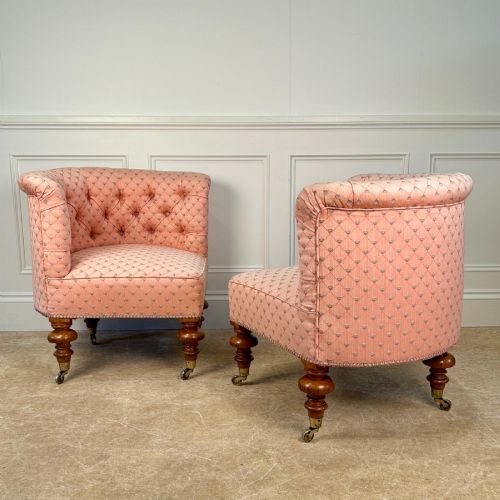
A low seating armchair is a compact seat designed to sit lower to the ground than standard parlour seating, encompassing forms like nursing chairs, slipper chairs, and occasional chairs. These pieces appear frequently across the nineteenth century, including Victorian, Edwardian, and Aesthetic Movement periods.
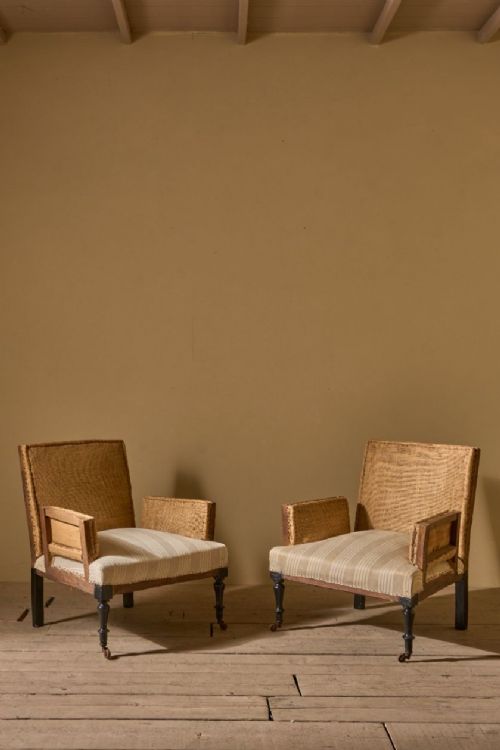
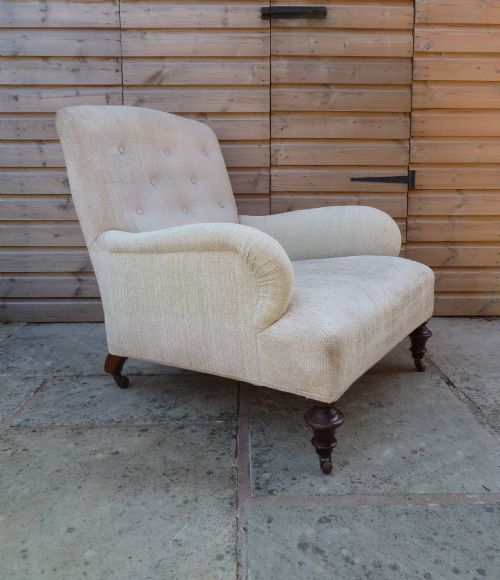
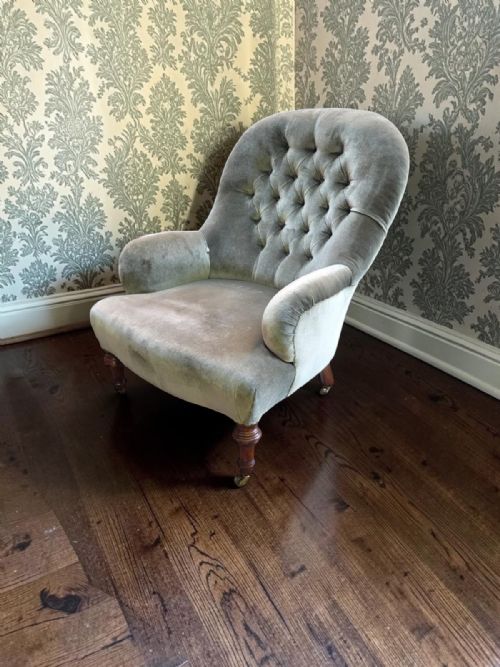
The selection ranges from country house open armchairs and library chairs to button-backed bedroom seating and low salon chairs. Walnut, mahogany, oak, and rosewood form the wooden frames, while upholstery spans velvet, calico, leather, and hessian.
Materials and construction
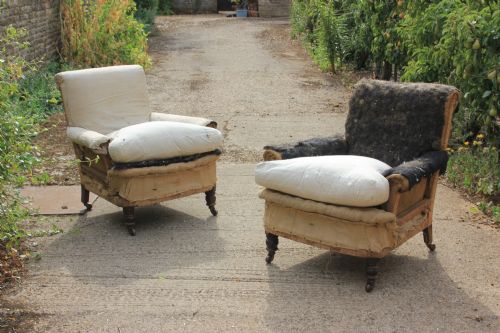
Frames are constructed from hardwoods such as walnut, mahogany, oak, and rosewood, sometimes ebonised or carved to suit prevailing styles. Joinery often conceals sturdy internal bracing to support low-slung, deep-seated proportions.
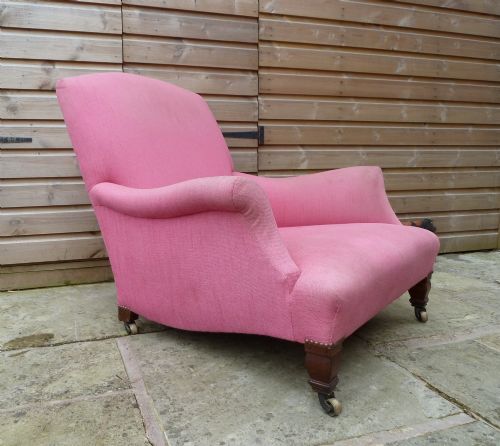
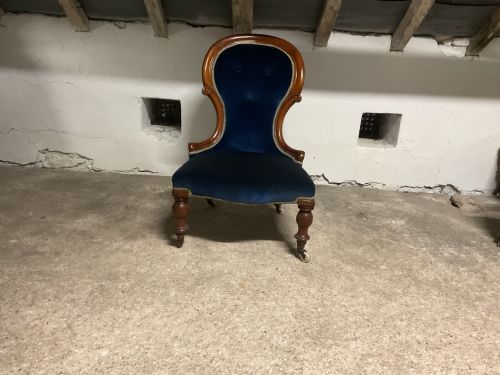
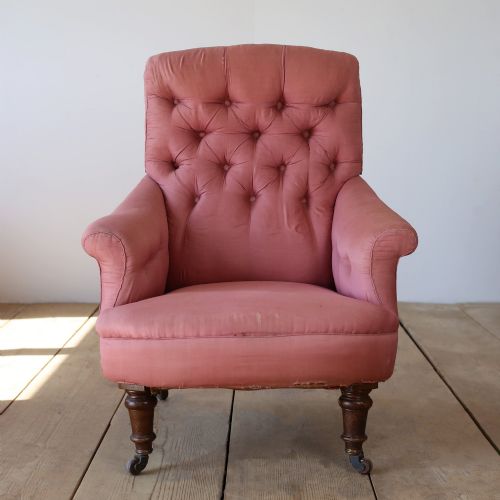
Upholstery techniques rely on traditional stuffing materials secured over webbing and springs, finished with button-backed detailing or simple fabric covers in velvet, calico, and leather. Exposed wooden elements feature brass castors or turned legs in specific regional and maker traditions.
Early low chairs were built low enough to keep Victorian ankles safely out of the draft creeping along the floorboards.
Assessing quality and craftsmanship
The integrity of the hardwood frame and the crispness of any carved detailing separate standard production from superior examples. Timber selection, such as figured walnut or dense mahogany, indicates the original maker's investment in the piece.
Proportion and comfort dictate the success of the design, where low centres of gravity balance cleanly with upholstered depth. Maker attribution, through stamped rails or recognised stylistic signatures, elevates certain chairs above anonymous workshop output.
Howard and Sons·Liberty Morris and Co·Whytock and Reid·Hampton and Sons·Gillows
The Low Seating Armchair Glossary
- Nursing chair
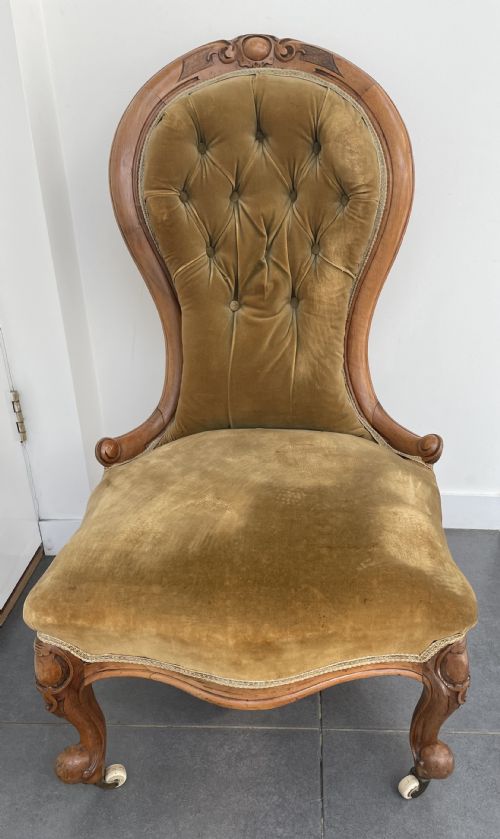
- A low-backed or backless chair historically designed for women, featuring a compact seat well suited to dressing rooms and bedrooms. These pieces sit close to the floor for added stability and ease.
- Slipper chair
- An upholstered chair featuring very short legs that place the seat close to the floor. They originated for Victorian ladies while changing shoes or dressing.
- Aesthetic movement
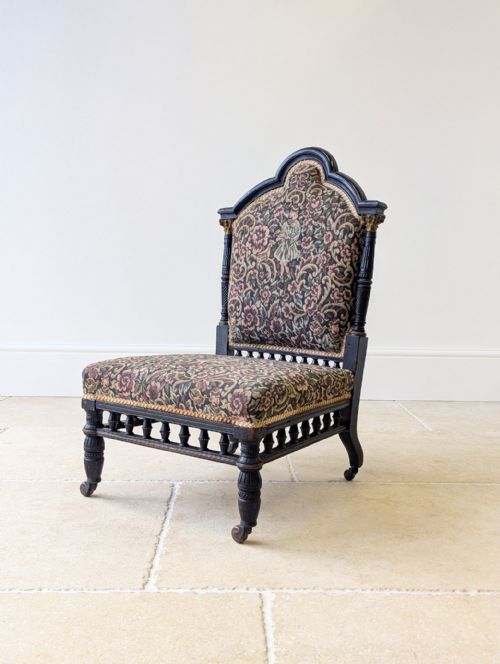
- A late nineteenth-century design style emphasising artistic visual qualities over moral narrative. Furniture from this period often uses ebonised wood and clean, Japanned lines.
- Button back
- An upholstery technique where buttons are pulled deep into the padding in a diamond pattern. This method secures the internal stuffing while creating a tailored decorative surface.
- Occasional chair
- A light, movable chair intended for use in various rooms as needed rather than for permanent placement. These pieces often feature decorative frames and modest proportions.
Low Seating Armchair: Frequently Asked Questions
Where should I place a low seating armchair?
These compact chairs suit bedrooms, dressing rooms, and smaller reception spaces where standard furniture feels too tall. Their reduced height helps maintain open sightlines across a room.
They also function well in pairs beside a fireplace or paired with low coffee tables, adding intimate seating depth without crowding the floor area.
How do I identify a Victorian nursing chair?
Victorian nursing chairs typically feature low seats and supportive, often button-backed upholstery designed for nineteenth-century dress styles. Turned wooden legs, sometimes fitted with brass castors, support the compact frames.
Walnut and mahogany are common framing materials, frequently carved or ebonised to reflect the aesthetic preferences of the mid to late nineteenth century.
What is the difference between a slipper chair and an occasional chair?
A slipper chair stands out for its very low seat and absence of arms, originally designed to assist with putting on footwear. Its proportions are tightly scaled and heavily upholstered.
An occasional chair generally includes arms or an open wooden frame, built as a versatile piece for temporary seating throughout a drawing room or salon rather than a specific dressing task.
How do I care for antique upholstered chairs?
Protect antique upholstery from direct sunlight to prevent fading in fabrics like velvet, calico, or leather. Gentle vacuuming with a soft brush attachment removes surface dust without stressing fragile textiles.
Inspect exposed wooden frames periodically and treat hardwoods with appropriate furniture wax to maintain the finish without harming adjacent fabric.