




Green Velvet Accent Chair
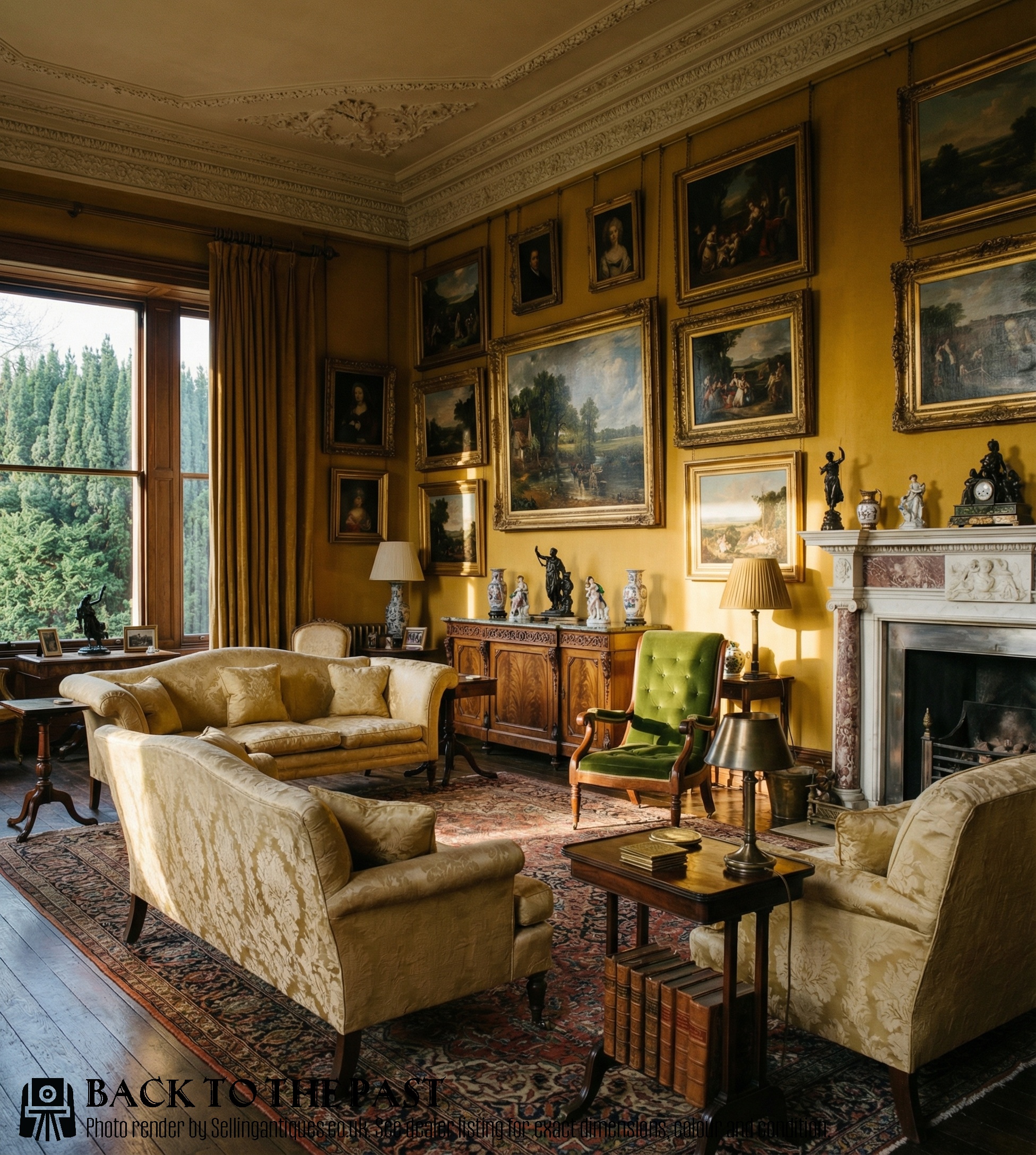
These green velvet accent chairs bring rich texture and period character into a modern room, spanning centuries of fine cabinet-making.
Green Velvet Accent Chair
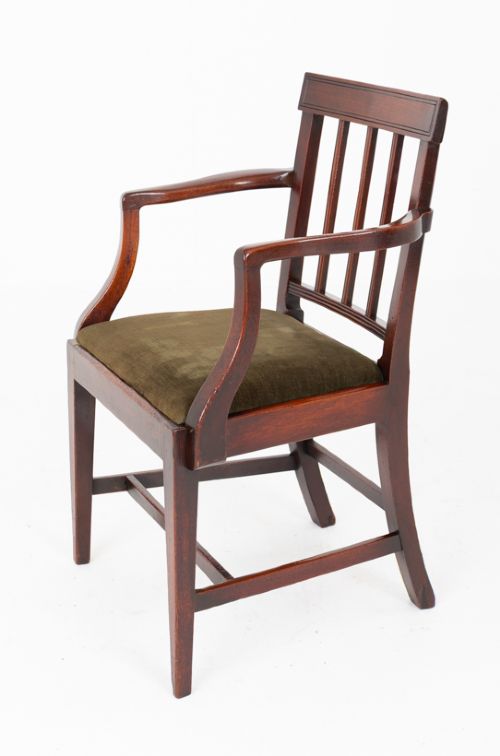
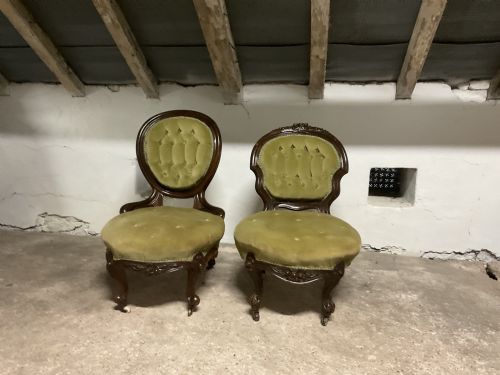
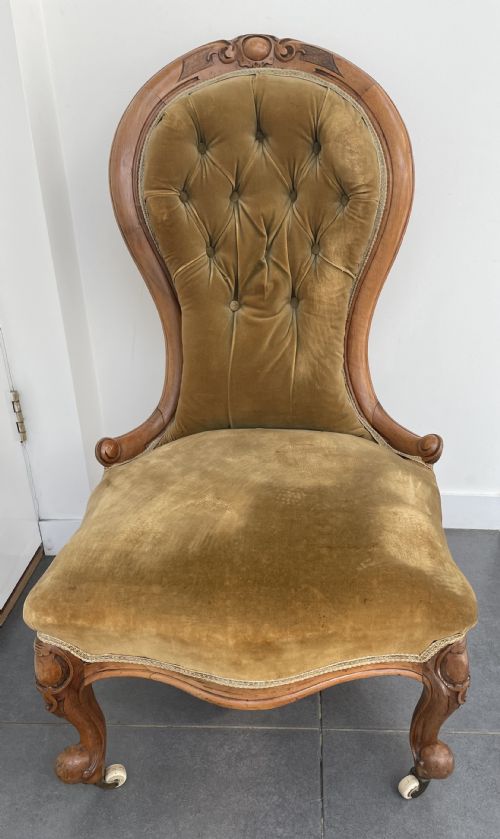
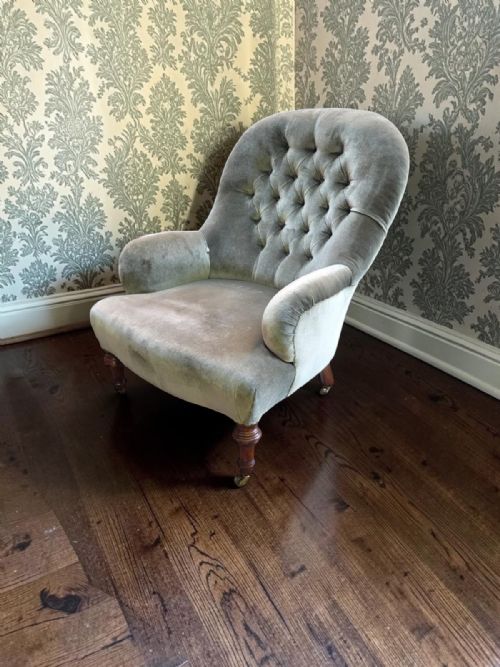
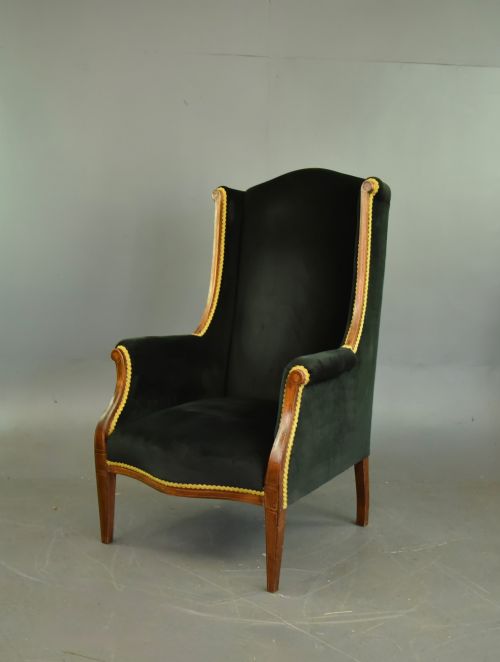
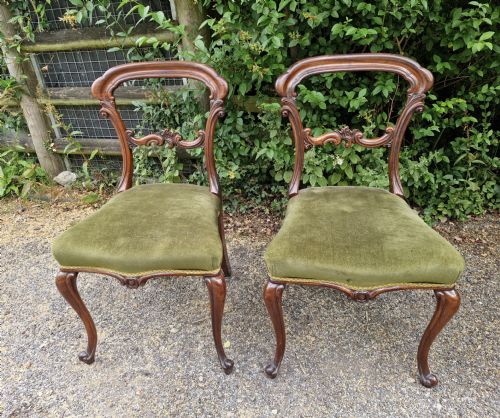
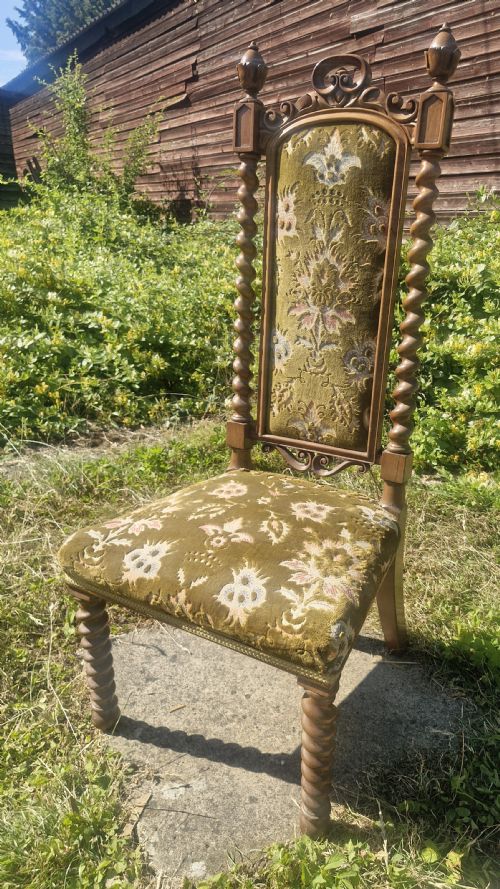
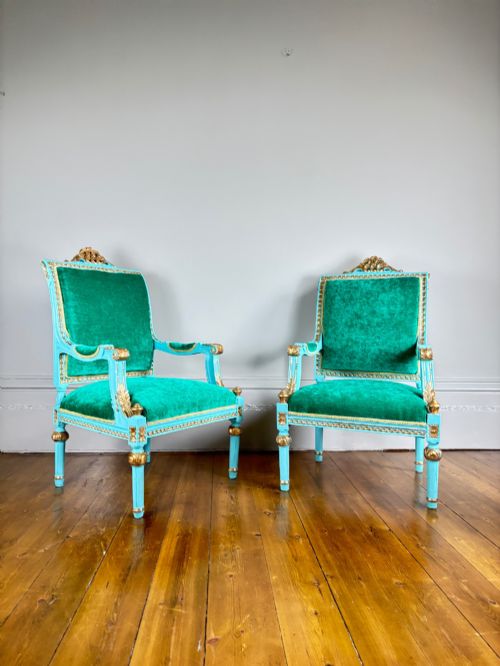
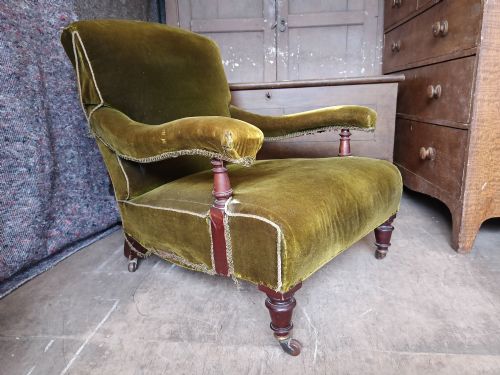
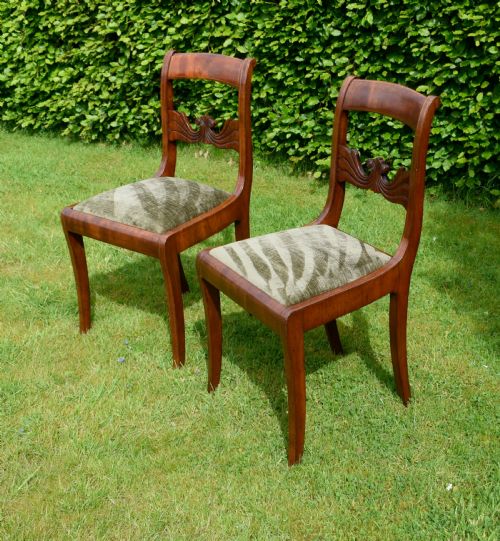
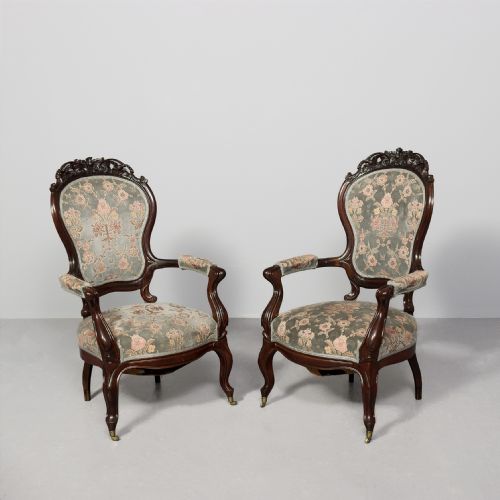
When you search for a green velvet accent chair, you encounter a varied selection of seating forms from past centuries, including armchairs, nursing chairs, occasional chairs, and slipper chairs. These pieces combine historic frames with tactile pile upholstery that brings colour and presence to a room.
The examples available here stretch from the eighteenth century through the Regency, Victorian, and Edwardian periods, taking timber frames in mahogany, walnut, and rosewood. You will frequently find Victorian walnut and mahogany armchairs alongside slender Edwardian elbow chairs and earlier Regency designs.
The forms range from low-slung nursing chairs and balloon backs to generous library chairs and open armchairs. Each variation serves as a distinct occasional seat, selected to add a focal point of dark green or soft pile texture against interior walls.
Materials and construction
Cabinet-makers of the eighteenth, nineteenth, and early twentieth centuries relied on dense hardwoods like mahogany, walnut, rosewood, and hardwood timber to build durable frames. These timbers were frequently carved, turned, or inlaid with lighter woods, providing a robust structural skeleton designed to endure heavy daily use.
Upholstery techniques varied by period, employing traditional stuffing materials and tight buttoning, webbed foundations, and sometimes brass castors on the feet. Silk and cotton velvets were then applied over these supportive layers, secured with tacks and finished with gimped piping along the wooden borders.
The listings here include timber frames in mahogany, walnut, and rosewood spanning the eighteenth to the early twentieth century.
Assessing quality
The distinction between ordinary and exceptional pieces rests upon the crispness of the timber carving and the architectural integrity of the frame. Superior examples display fluent hand-carved details, well-matched timber grains, and stable joinery that remains firm through centuries of shifting humidity.
Upholstery work also dictates the standard of the piece, with expert hand-springing and precise fabric alignment marking out finer workshops. Pieces retaining their original structural framing without excessive timber replacement hold greater integrity for collectors.
Hampton and Sons·J. and T. Scott·Gillows·Howard and Sons
The Green Velvet Accent Chair Glossary
- Bergère
- An enclosed upholstered armchair with wooden sides and back, typically originating in French eighteenth-century design. These pieces often feature exposed polished wood frames and cane or upholstered panels.
- Nursing chair
- A low-seated chair traditionally designed for comfort and ease near a fireside or nursery. They usually feature padded backs and low seats without high arms.
- Slipper chair
- An upholstered bedroom chair characterised by its low seat and absence of arms. Originally designed for ladies sitting down to put on shoes.
- Cabriole leg
- A furniture leg that curves out and then bends inward, typically ending in a pad or scroll foot. This form was widely used across eighteenth and nineteenth-century seating.
- X frame
- A structural furniture support shaped like the letter X, seen on library chairs and occasional seating. This configuration distributes weight evenly across crossing members.
Green Velvet Accent Chair: Frequently Asked Questions
What is a green velvet accent chair?
It is an occasional chair from a past period upholstered in velvet fabric, used to add a distinct splash of colour and texture to an interior.
These chairs come in many forms, from low Victorian nursing seats to large mahogany library armchairs.
How do I date a green velvet accent chair?
Dating relies on identifying the timber species, carving styles, and structural forms characteristic of periods like the Regency, Victorian, or Edwardian eras.
Turned legs, balloon backs, and specific inlay patterns often point directly to the decades in which the cabinet-maker worked.
Where should I place an accent chair?
These chairs suit corners of bedrooms, reading nooks, or living spaces where an extra seat and strong visual anchor are required.
Their compact scale compared to full sofas makes them versatile additions to both traditional and contemporary room layouts.
Are these chairs comfortable for daily use?
Historic seating was built for upright posture, though many feature sprung or padded seats designed for substantial everyday support.
Victorian and Edwardian models frequently offer deep cushioning and supportive armrests suited to prolonged reading or relaxing.