
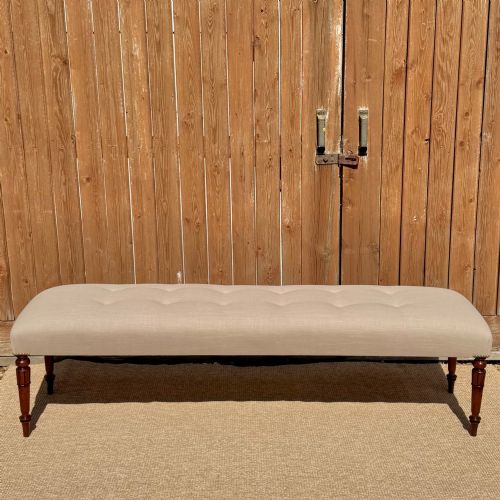
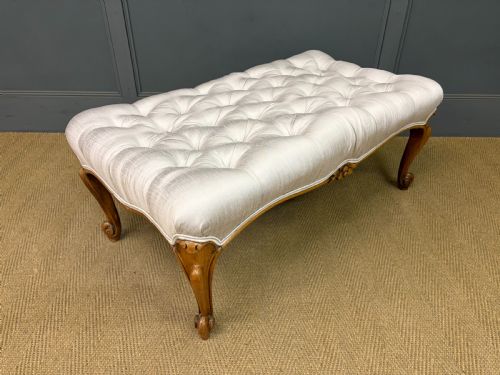
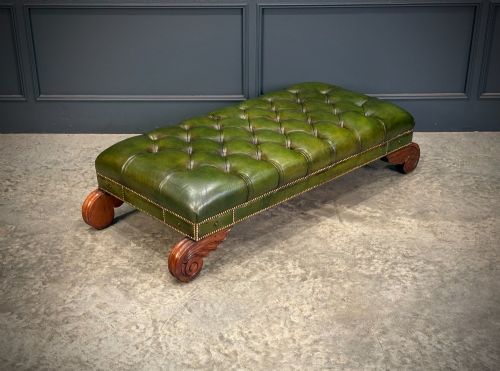
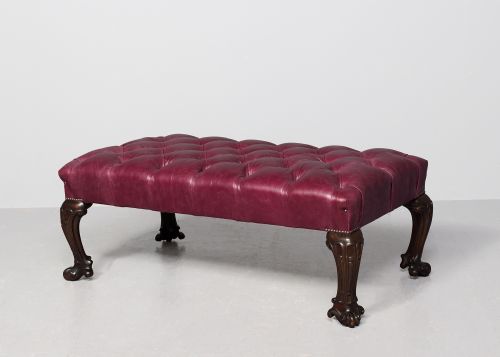


Deep Buttoned Footstool
A deep buttoned footstool brings traditional seating comfort and rich textile texture to a room, offering both a supportive rest for feet and a substantial centrepiece.
What these pieces are
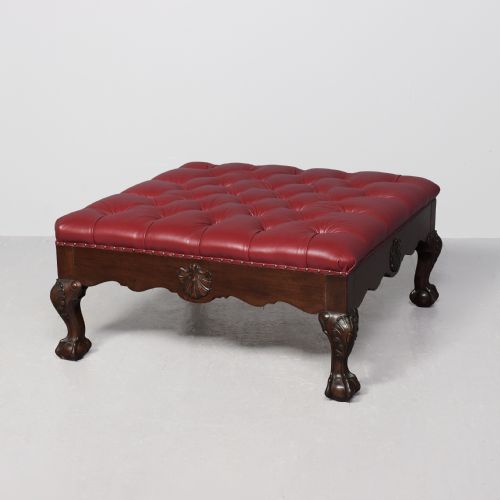
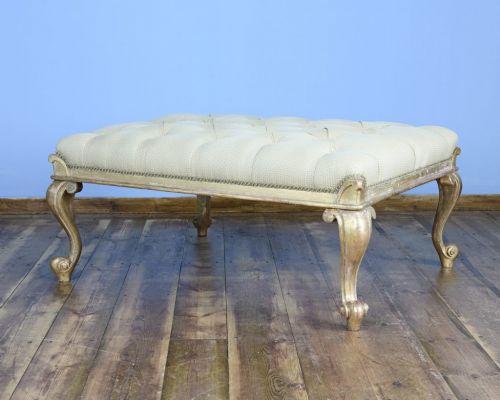
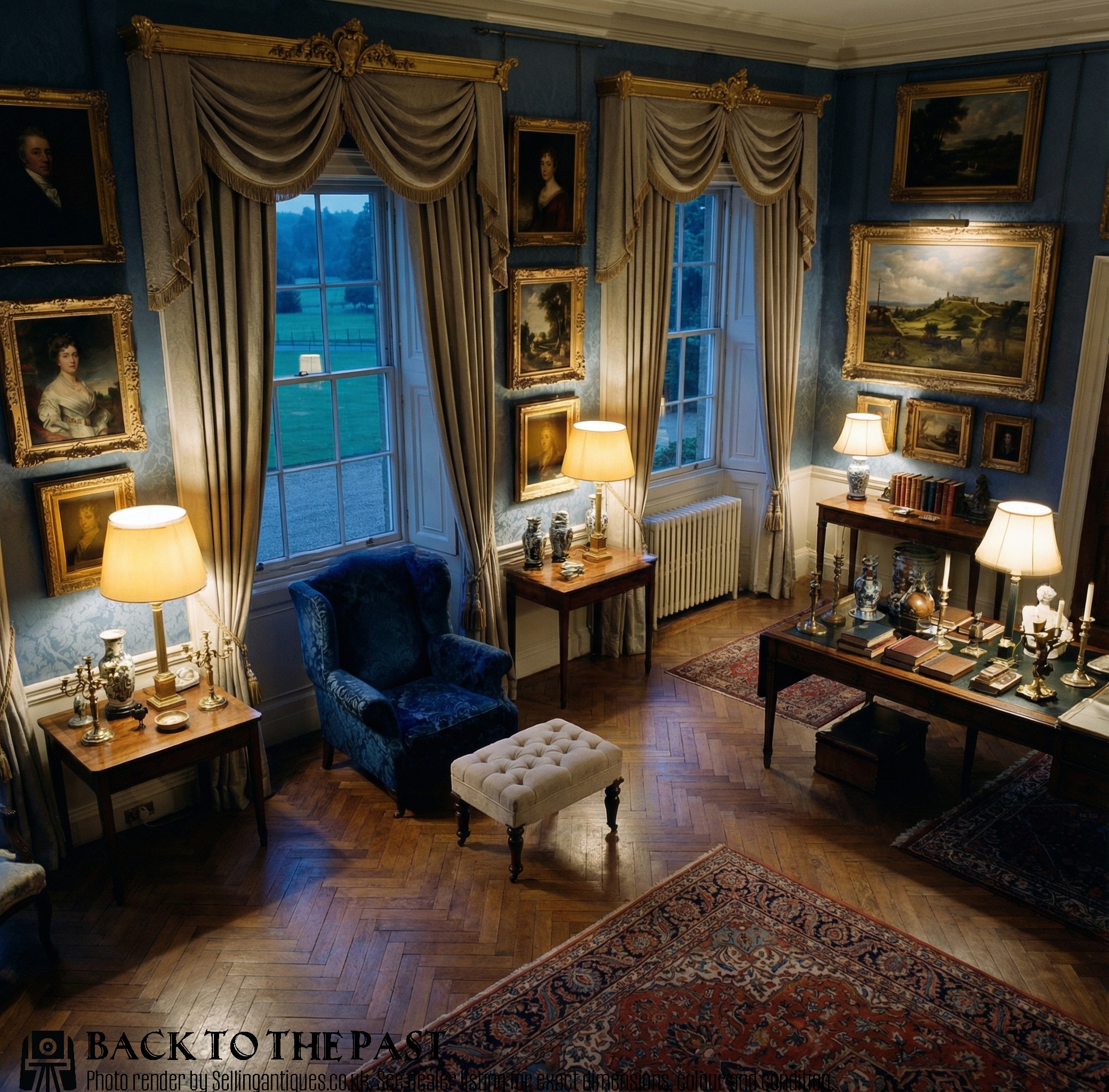
A deep buttoned footstool combines sturdy timber frames with padded upholstery secured by tufted buttons, creating a cushioned surface designed for resting feet or extra seating.
You will most commonly encounter Victorian and Regency examples across the selection, alongside later revivals and country house pieces.
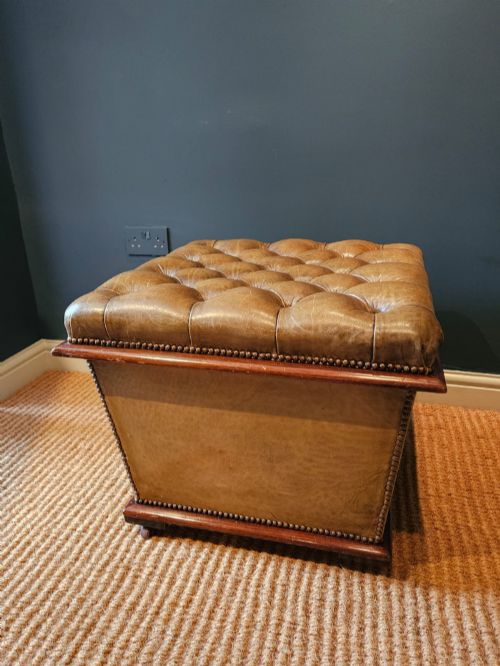
The forms range from compact individual stools to very large ottomans and long benches, frequently raised on timber legs with castors.
How they were made
Maker construction relies on dense hardwoods such as mahogany and rosewood for the structural frames, often featuring turned or polished legs.
Upholstered surfaces utilise traditional stuffing beneath leather, linen, or various fabric coverings, shaped and secured with deep tufting and brass elements.
Retail Price Guide 2026
Typical UK retail prices for deep buttoned footstool, calculated from the Sellingantiques database of over a million retail prices indexed since 2003. This retail price guide relies exclusively on Sellingantiques data; no external sources or auction records are used, so the figures do not describe the wider market.
One exceptionally long nineteenth-century example measures one hundred and eighty-five centimetres.
What varies in quality
Quality reveals itself in the timber selection and the precision of the frame joinery, where denser woods and refined turning indicate higher workshop standards.
The execution of the buttoning and the choice of covering material, such as hand-dyed leather or fine upholstery fabric, distinguish standard utilitarian items from finer country house examples.
The Deep Buttoned Footstool Glossary
- Deep buttoned
- Upholstery technique where buttons are pulled tight into the stuffing to create a pattern of indentations. This secures the internal padding and gives the surface its characteristic tufted texture.
- Ottoman
- A low, upholstered seat or footstool without a back or arms. These pieces often provide a larger surface area than standard footstools.
- Castor
- A small wheel fitted to the base of furniture legs. They allow heavy timber stools to move smoothly across floor surfaces.
- Centre stool
- A freestanding piece designed to be viewed from all sides. These often feature decorative mahogany or rosewood frames.
- Regency
- A stylistic period spanning the early nineteenth century. Pieces from this era often display classical restraint and distinct timber grains.
Frequently Asked Questions
Where should I place a deep buttoned footstool?
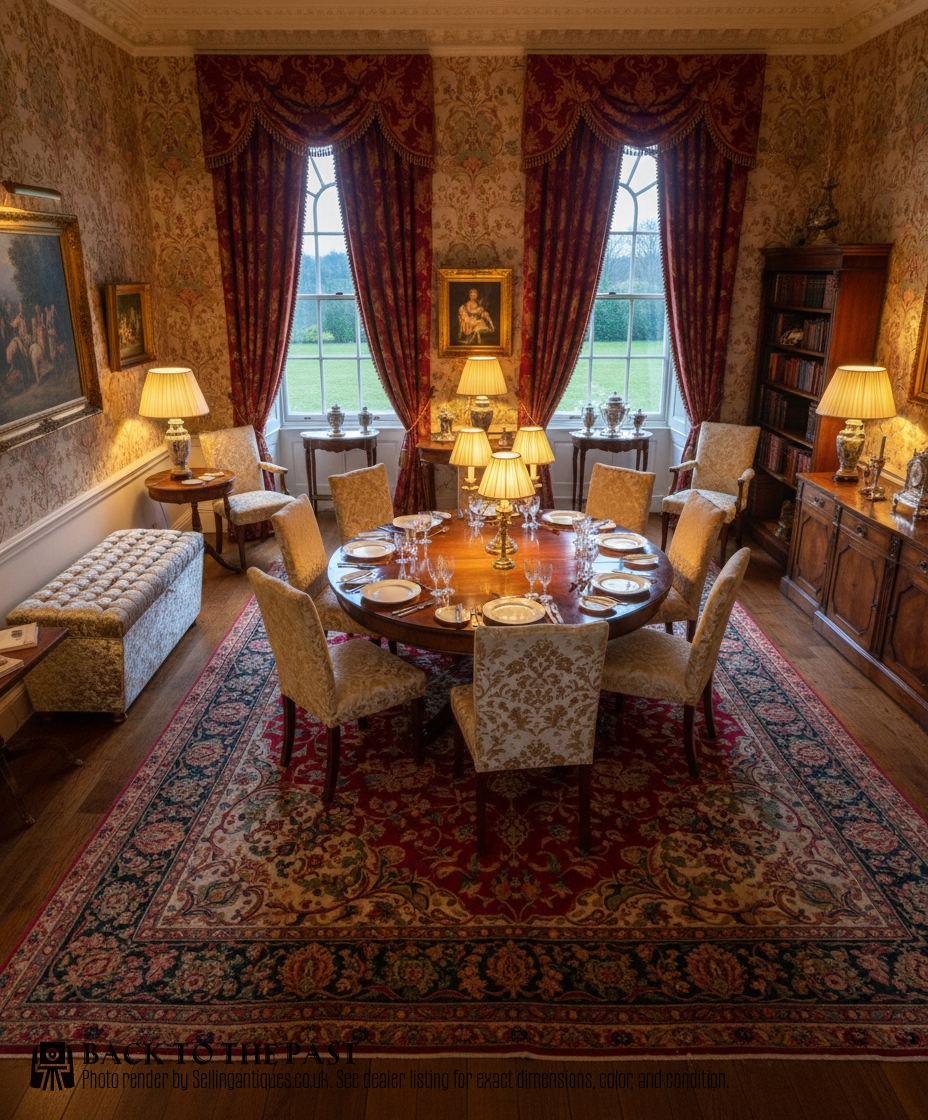
These pieces sit comfortably in front of a sofa or armchair as a traditional footrest, or function independently as low seating in a larger room.
Larger versions also work effectively in the middle of a space as a centre stool, drawing the eye across the room.
How do I care for leather upholstery?
Leather surfaces benefit from regular dusting and occasional treatment with suitable conditioners to keep the material supple and prevent drying.
Keeping the stool away from direct heat sources helps preserve both the leather and the underlying timber frame.
Are these stools suitable for daily use?
Sturdy hardwood frames and traditional deep buttoned upholstery were built to withstand regular sitting and foot resting over generations.
The robust construction of nineteenth-century and revival pieces ensures they remain functional for everyday domestic environments.
How do I identify a Regency piece?
Regency examples typically display the classical lines and specific timber choices associated with the early nineteenth century.
Comparing the turned legs and overall proportions against known period designs helps confirm the era of manufacture.