


Decorative Porcelain Figurine
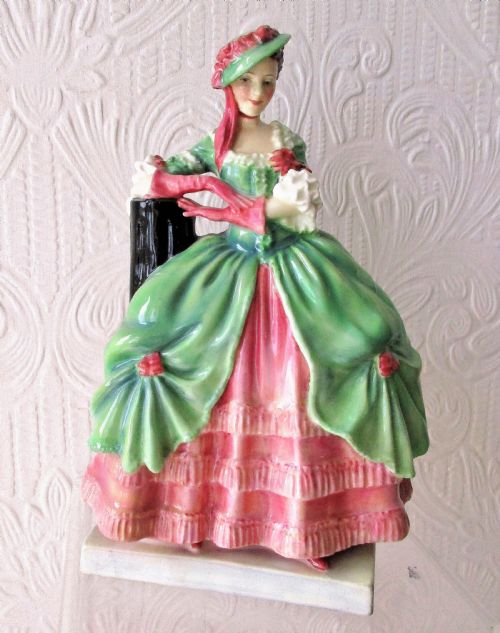
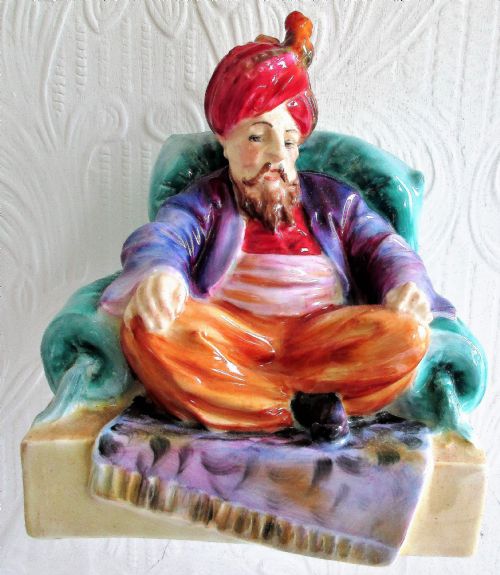
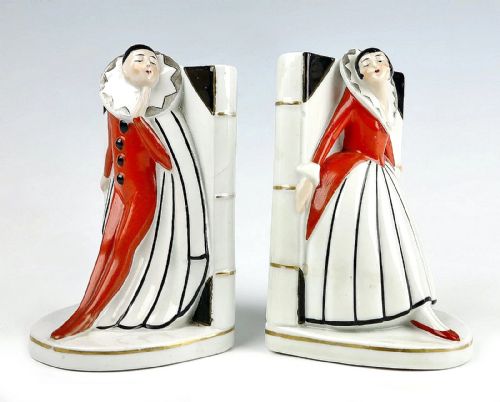
A decorative porcelain figurine brings character and historic charm to a room, ranging from delicate Victorian figures to bold Art Deco studies.
Decorative Porcelain Figurine
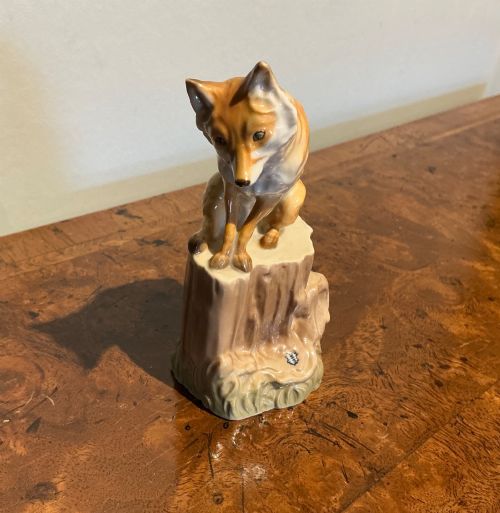
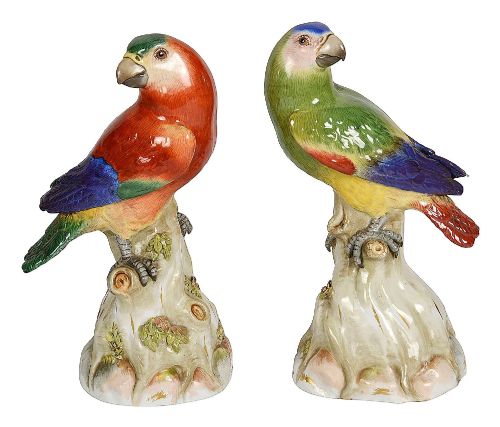
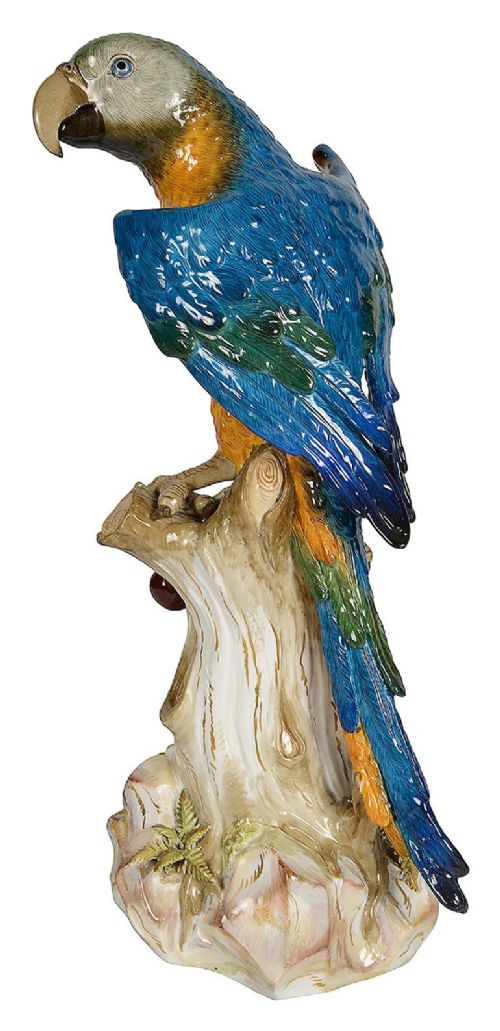
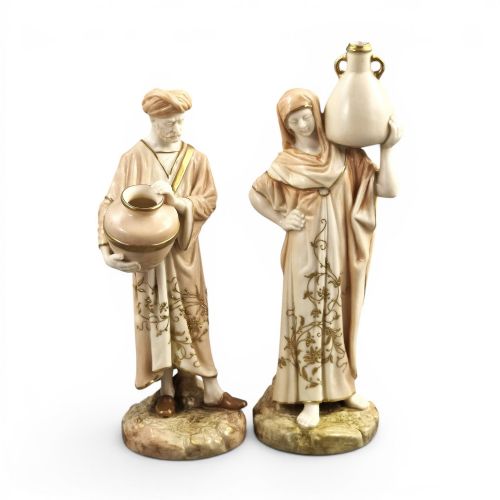
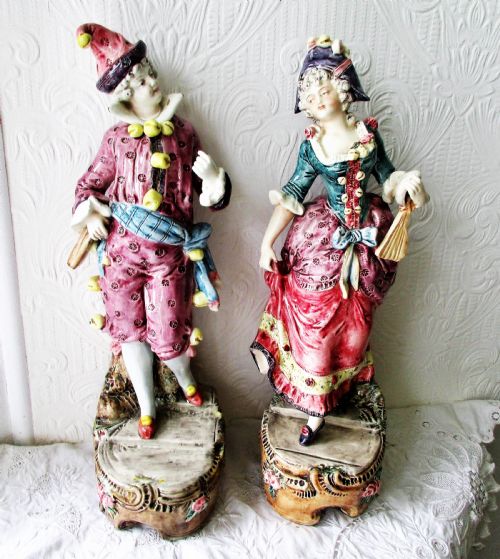
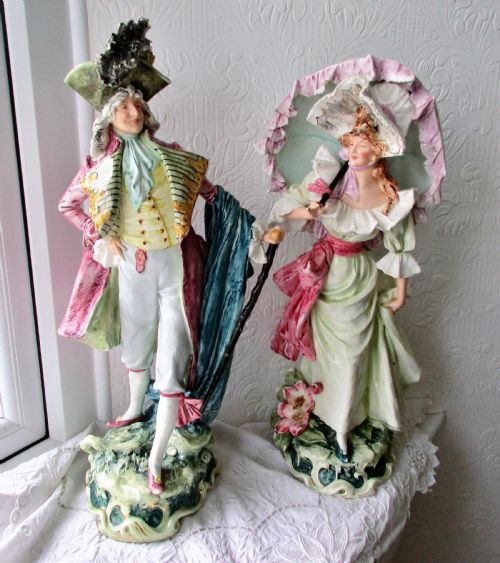
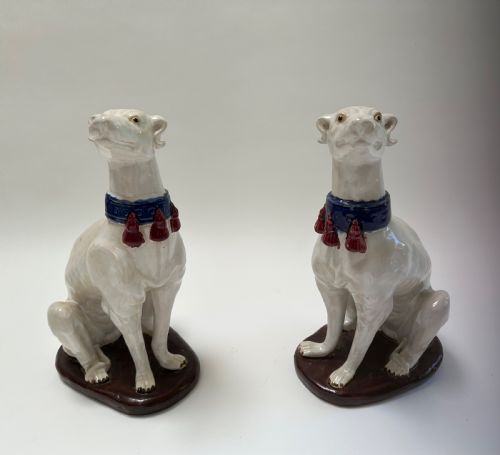
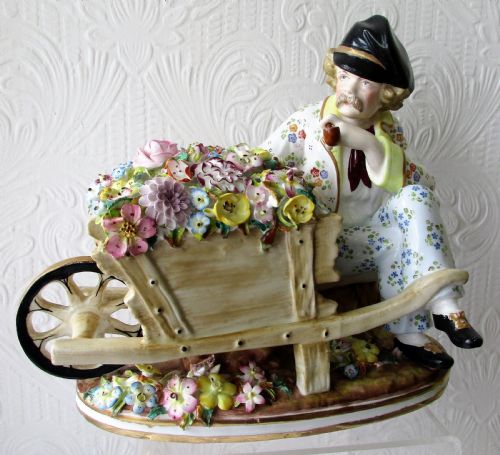
A decorative porcelain figurine represents human, animal or mythical subjects sculpted in clay and fired for display. When searching this phrase, buyers encounter varied forms spanning centuries of European and Asian artistry.
The selections on this page draw heavily from the nineteenth century alongside later Art Deco and Edwardian examples. Forms range from classical human subjects and putti to animal studies and specialised table lamps.
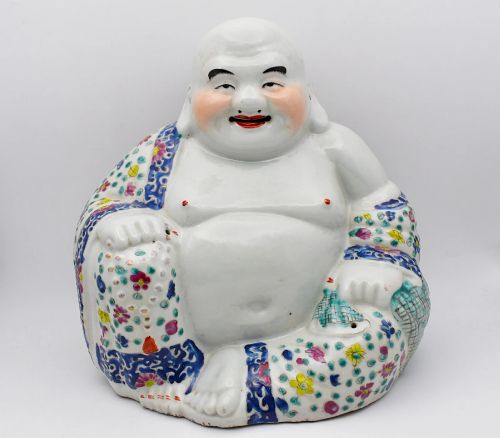
Origins stretch across major European porcelain houses like Meissen and Royal Worcester, alongside French earthenware and Asian Satsuma or Famille Rose wares. Each piece reflects the aesthetic priorities of its specific period of manufacture.
Materials and methods of manufacture
Maker's workshops utilised hard-paste and soft-paste porcelain, earthenware and unglazed biscuit porcelain. Artisans shaped these ceramic bodies by hand or through intricate moulds before firing.
Surface decoration relied on detailed hand-painted enamels, applied gold leaf, and rich polychrome or sancai glazes. Some compositions integrated cast or chased ormlu and gilt bronze mounts to elevate the final object.
Piano babies dangling their limbs over keyboard ledges remind us that Victorian households loved a little theatrical porcelain drama.
Distinctions in quality and execution
Quality rests upon the crispness of the modelling and the precision of the hand-painted details. Superior pieces display finely articulated facial expressions and delicate drapery without muddy glaze pooling.
The reputation of the manufactory and the skill of the individual modeller dictate the standing of a piece within its category. Signed works or recognised factory marks demonstrate adherence to high production standards.
Royal Worcester·Meissen·Royal Doulton·KPM Berlin·C. G. Schierholz·John Bevington
The Decorative Porcelain Figurine Glossary
- Biscuit porcelain
- Unglazed fired ceramic that yields a matte, marble-like texture well suited for sculptural figures. It highlights subtle modelling and fine contours without glossy interference.
- Famille rose
- A Chinese porcelain palette characterised by opaque pink enamel introduced during the Qing dynasty. This technique allowed for nuanced shading in floral and figural motifs.
- Okimono
- A Japanese freestanding decorative carving intended for display on a household shelf or tokonoma. These objects celebrate meticulous observation of natural or mythical subjects.
- Parian ware
- A type of fine biscuit porcelain developed in the nineteenth century to imitate carved marble. It gained popularity for portrait busts and classical figural sculptures.
- Sancai
- A traditional Chinese three-colour lead glaze typically combining green, amber and creamy white tones. Potters applied this technique to ceramics spanning multiple dynasties.
Decorative Porcelain Figurine: Frequently Asked Questions
What is a decorative porcelain figurine?
These pieces are three-dimensional ceramic sculptures created for visual display rather than utility. They depict human figures, animals, allegorical scenes and mythological characters.
Craftsmen shaped them from clay, fired the material, and applied hand-painted enamels or glazes. Workshops across Europe and Asia produced them to adorn mantelpieces and drawing rooms.
How do I date an antique figurine?
Dating relies on identifying factory marks, signature styles, and the specific composition of the ceramic body. Stylistic cues such as Victorian dress or Art Deco geometry provide initial chronological boundaries.
Examining the base and glaze characteristics further helps place the object within a specific nineteenth or twentieth-century period.
How were these figures displayed historically?
Owners placed these sculptures on mantelpieces, inside vitrines, and upon decorative tables as focal points of interior decoration. Some served functional roles as candlesticks, chambersticks or table lamps.
In grand houses, matched pairs often anchored symmetrical mantel arrangements or adorned dining room sideboards.
How do I care for antique porcelain?
Maintenance requires gentle dusting with a soft, dry brush to prevent particulate accumulation on delicate painted surfaces. Avoid using harsh chemical cleaners or submerging pieces with metallic mounts or gilt highlights.
Display them away from direct sunlight and areas subject to sudden temperature fluctuations to preserve the enamel and glaze integrity.