




Derby Ceramic Figure
These derby ceramic figure pieces bring Georgian and Victorian character to a room through modelled porcelain and glazed detail.
Derby Ceramic Figure
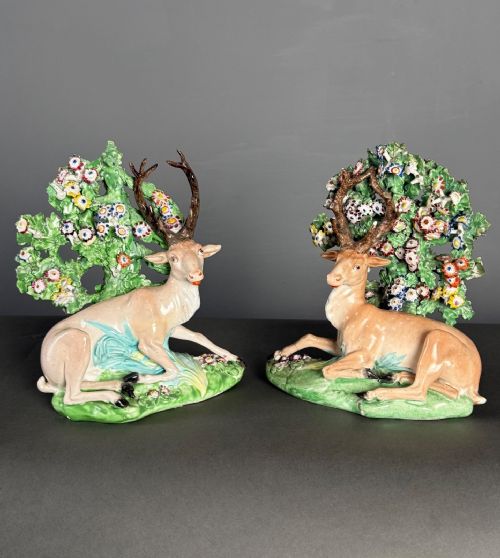
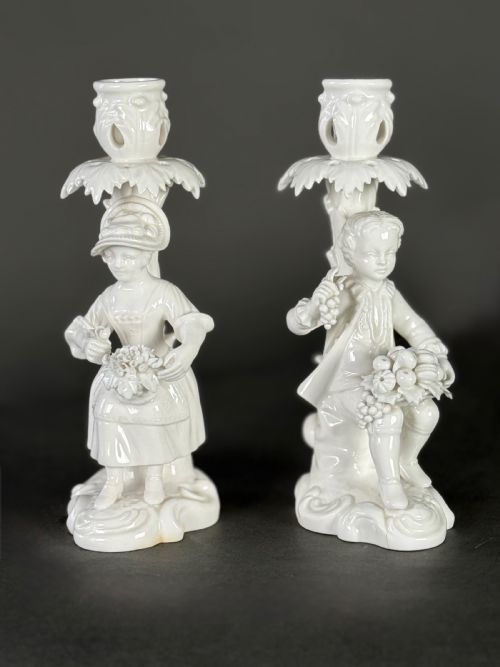
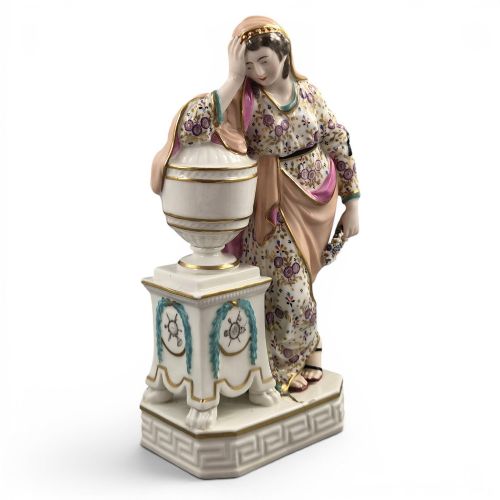
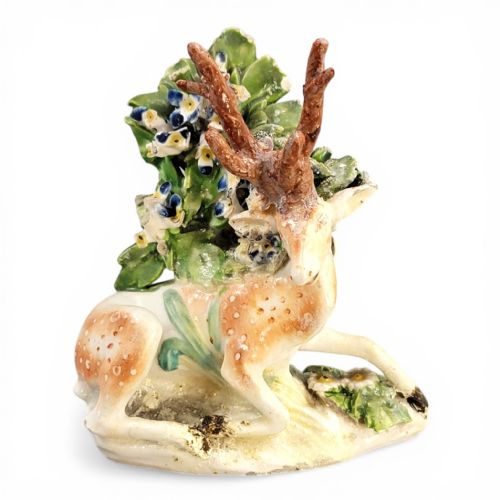
A derby ceramic figure search yields porcelain figurines, candelabras, and sculptural groups created across the eighteenth and nineteenth centuries. You encounter subjects ranging from mythological deities and theatrical characters to pastoral shepherds, musicians, and animals.
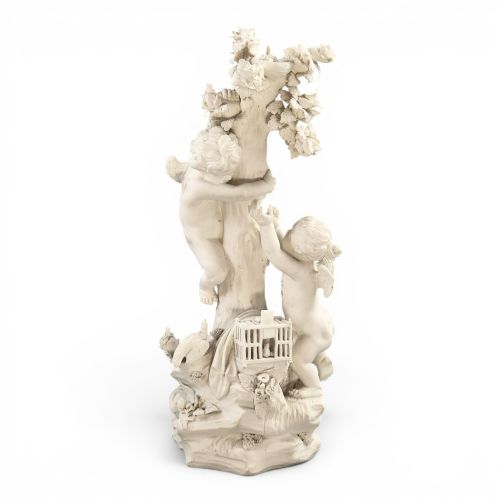
The most common examples on this page date from the Georgian period, often featuring hand-painted enamel colours and gilt accents. These encompass early patch-mark productions alongside biscuit porcelain pieces with unglazed, matte surfaces reminiscent of marble.
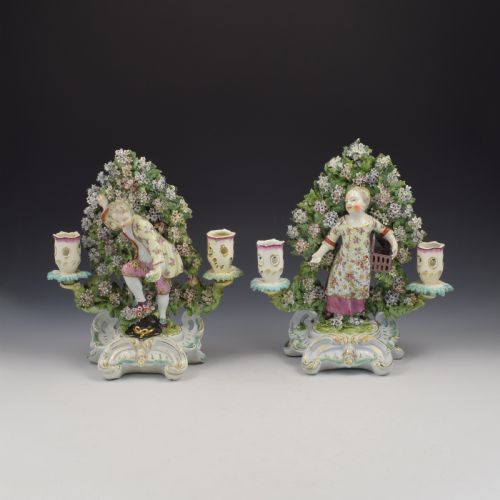
Later nineteenth-century interpretations also appear, including figures produced during the Bloor period and revival works by makers such as Samson of Paris. The selections span single decorative figures, matched pairs, and complex candlestick arrangements framed by bocage foliage.
Materials and methods of production
Un-glazed biscuit porcelain required precise kiln temperatures to achieve a fine, porous finish that captured the delicate musculature and drapery of classical subjects. Foliage-heavy candlestick figures incorporated applied bocage work, where ceramic leaves and flowers were painstakingly hand-formed and attached around the central subject.
Several figures depict unexpected pairings, including goats wearing waistcoats and aristocratic dogs sharing space with seventeenth-century actors.
Distinctions in craftsmanship and preservation
Quality rests heavily on the crispness of the modelling and the precision of the hand-painting, where finer examples display sharply defined facial expressions and detailed clothing textures rather than softened contours from worn moulds. The delicacy of applied elements like bocage foliage also dictates standing, as intricate floral arrays frequently sustain losses over centuries.
The sophistication of the palette and the evenness of the glaze separate standard production pieces from masterworks of the period. Early patch-mark specimens and well-preserved biscuit groups demonstrate superior firing control and artistic ambition.
Bloor Derby·Stevenson and Hancock·Samson of Paris
The Derby Ceramic Figure Glossary
- Biscuit porcelain
- Un-glazed ceramic fired once to create a matte, porous surface resembling white marble. This finish became particularly popular for neoclassical figure groups and allegorical subjects.
- Bocage
- Applied ceramic foliage and floral background work often wrapped around eighteenth-century candlestick figures. It mimics natural shrubbery to frame the main subject.
- Patch mark
- A small, unglazed circular blemish on the underside of early porcelain resulting from the kiln supports used during firing. These marks help date pieces to the mid-eighteenth century.
- Soft-paste porcelain
- An artificial ceramic mixture composed of white clay, glass, and ground minerals, fired at lower temperatures than hard-paste. It produces a warm, creamy body common in early English figures.
- Gilding
- The application of gold leaf or gold paint to ceramic surfaces for decorative trim. Artisans frequently utilised this technique on garment borders and base scrolls.
Derby Ceramic Figure: Frequently Asked Questions
What are derby ceramic figures?
These are porcelain sculptures and decorative items produced by English factories, depicting human figures, animals, and mythological scenes.
They encompass everything from utilitarian candlesticks to intricate allegorical groups modelled in the eighteenth and nineteenth centuries.
How do I identify a patch period figure?
Look for small unglazed marks on the underside or base where the item rested on kiln supports during the firing process.
These physical scars typically point to early production methods from the mid-eighteenth century.
What is bocage on antique porcelain?
Bocage refers to the applied ceramic leaves and branches arranged behind figures like musicians or pastoral characters.
This technique creates a leafy backdrop that frames the central subject.
How should I clean antique porcelain figures?
Dust them gently with a soft, dry brush to prevent accumulating grime on delicate painted surfaces and applied foliage.
Avoid using water or chemical cleaners, which can damage old enamels and vulnerable gold leaf.