


Decorative Glass Wall Mirror
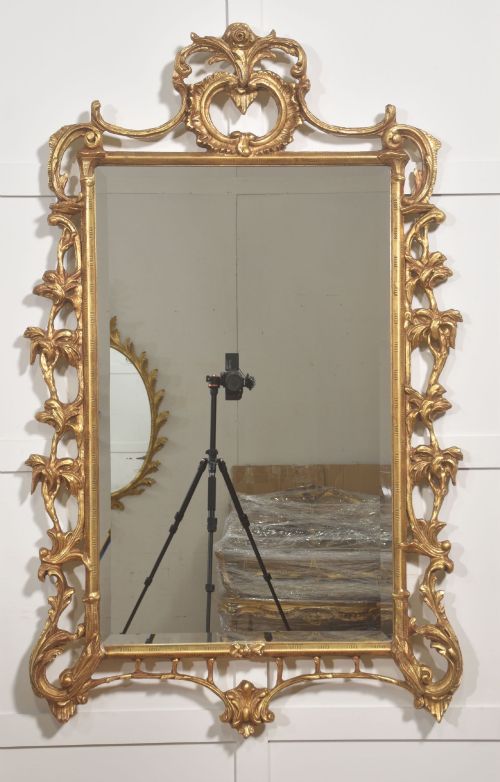
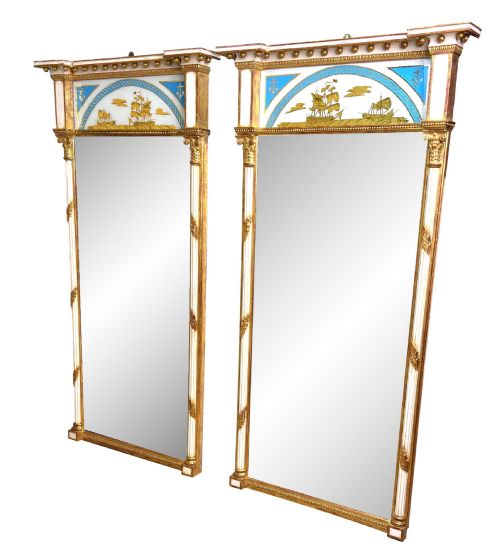
A decorative glass wall mirror brings light and reflection into a room, spanning styles from Venetian cushion plates to Regency giltwood overmantels.
Decorative Glass Wall Mirror
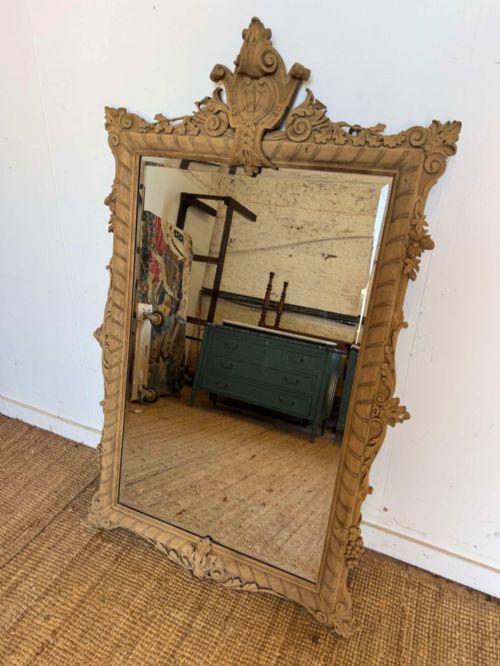
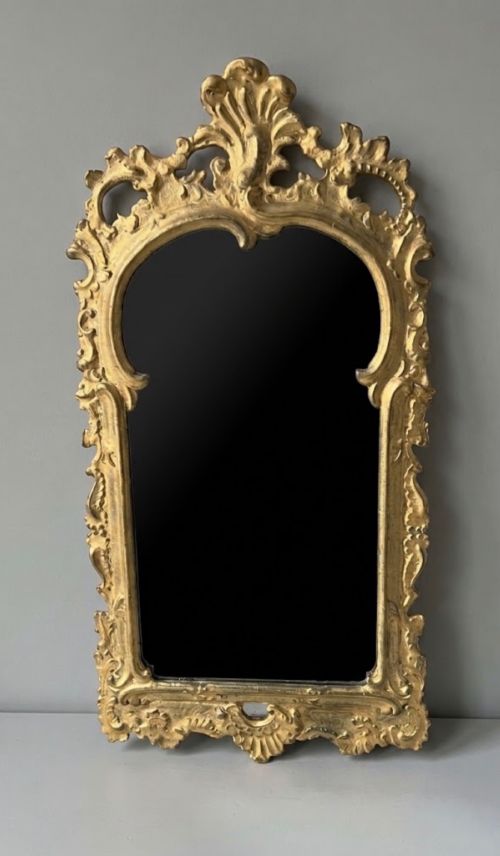
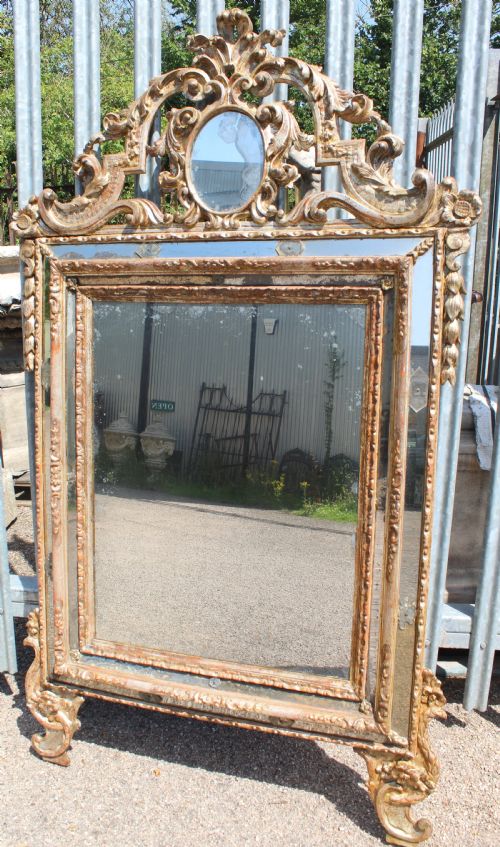
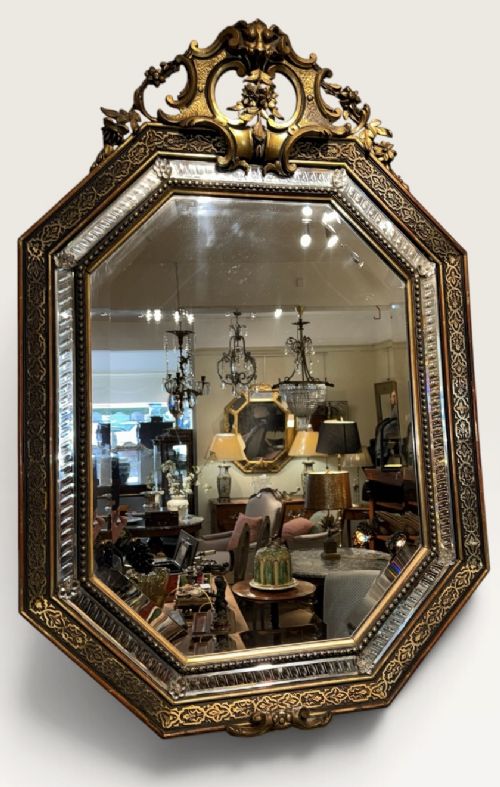
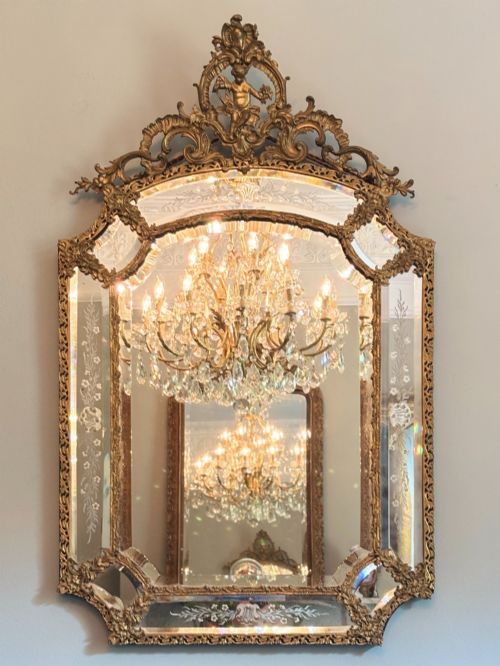
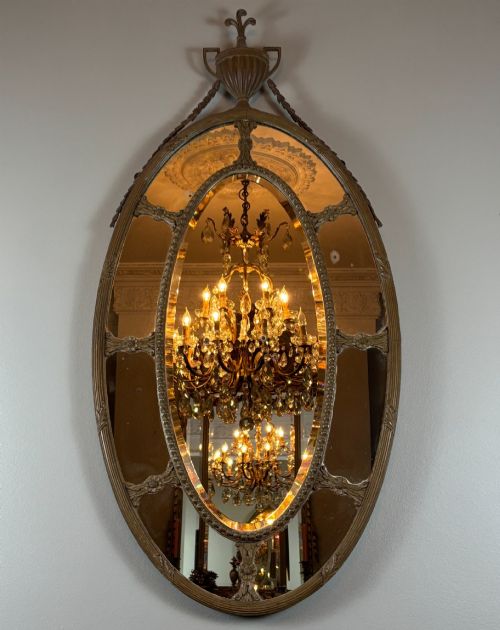
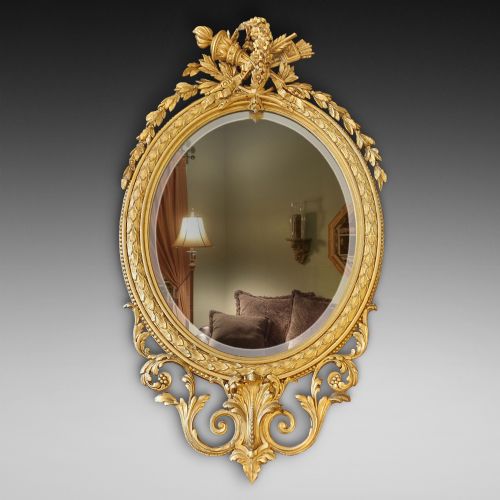
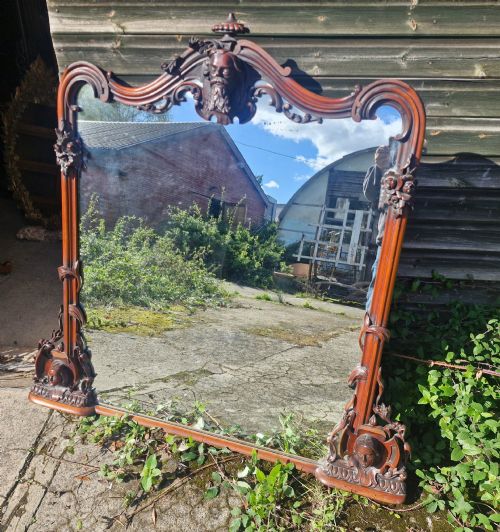
A decorative glass wall mirror serves to brighten dark corners and anchor a room's interior scheme. These pieces appear in numerous forms across this selection, including grand overmantels, pier mirrors, and intricate Venetian plates.
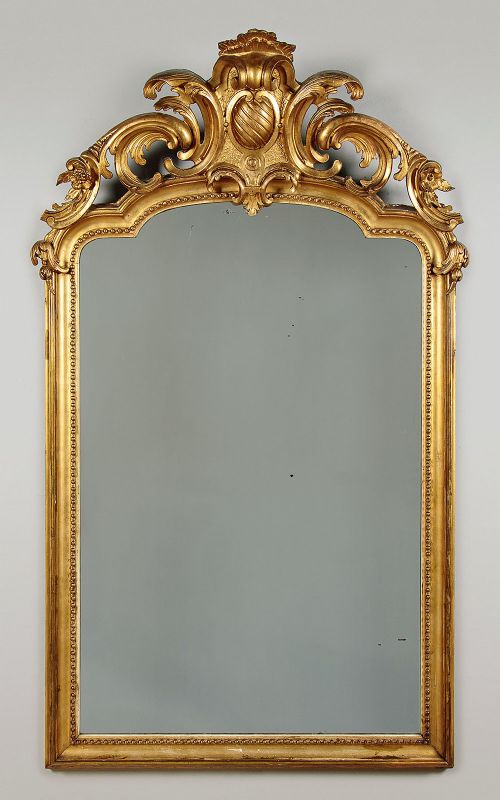
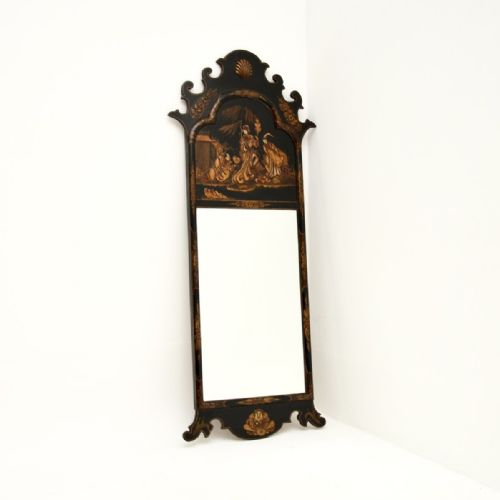
The objects span centuries of design, with particular representation from the nineteenth century alongside eighteenth-century works and later art deco items. Buyers encounter regional variations from French rococo giltwood to English gesso frames.
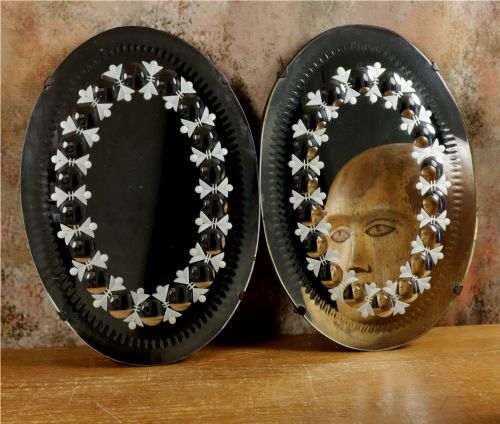
Makers utilised diverse formats such as round convex butler mirrors, oval floral painted frames, and rectangular cushion mirrors. Each type reflects the interior trends and aesthetic priorities of its respective period.
How they were made
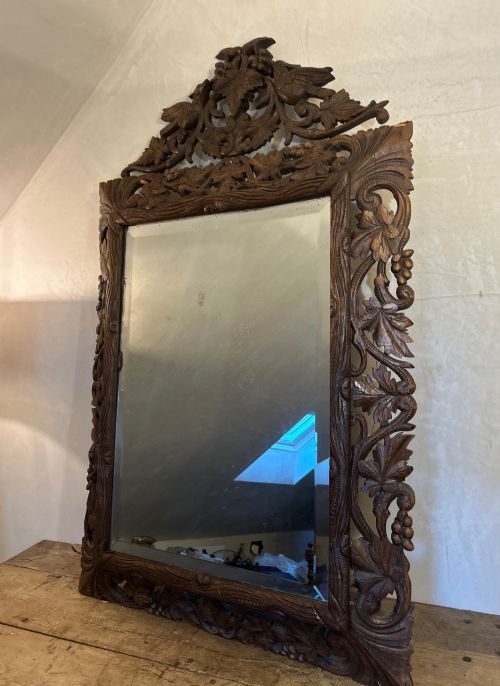
Frames rely heavily on carved wood, gesso, and applied gold leaf or paint to achieve their decorative surfaces. Artisans shaped timber substrates, often oak, walnut, or rosewood, before applying intricate mouldings and gilt finishes.
Decorative Glass Wall Mirror Retail Price Guide 2026
Typical asking prices for decorative glass wall mirror among the pieces listed under this phrase on Sellingantiques today, from the lower quarter to the upper quarter. They describe what is for sale here now, not the wider market.
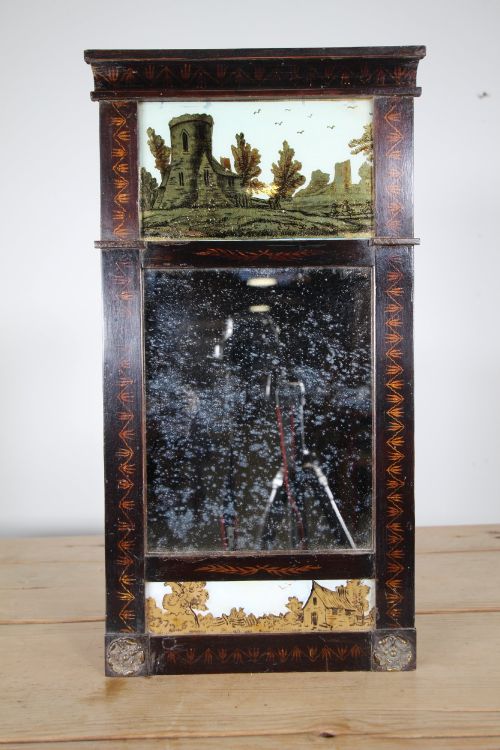
Several mirrors include lightly foxed glass, offering a gentle reminder that even reflections age gracefully.
What varies in quality
The crispness of the carved detail and the depth of the gilding set superior frames apart from simpler alternatives. Hand-carved wooden ornamentations display a sharpness and fluidity absent in mass-produced or heavily restored substitutes.
The condition and authenticity of the mirror plate itself dictate the piece's integrity. Original glass bearing period foxing, hand-etched motifs, or cushion-moulded bevelling holds greater character than plain replacement glass.
The Decorative Glass Wall Mirror Glossary
- Giltwood
- Wood that has been coated with a thin layer of gold leaf. This technique was widely utilised on nineteenth-century and eighteenth-century frames.
- Gesso
- A plaster-like mixture applied to wood frames to create a smooth surface for gilding or painting. It allows artisans to carve intricate relief decorations.
- Overmantel mirror
- A large horizontal mirror designed specifically to hang above a fireplace mantelpiece. Regency and Victorian examples frequently employ this grand format.
- Trumeau mirror
- A decorative wall mirror combined with a painted panel or artwork within a single frame. French makers often produced these for formal drawing rooms.
- Foxing
- Age-related spots and discoloration appearing within the mirror glass plate. This natural oxidation process occurs over decades as moisture affects the silvering behind the glass.
Decorative Glass Wall Mirror: Frequently Asked Questions
How do I hang a heavy antique mirror?
Heavy frames require secure wall fixings distributed evenly across the primary wooden structure rather than relying solely on the hanging wire. Professional installers often utilise robust French cleats to support substantial weight safely.
Ensuring the fixings anchor directly into wall studs prevents structural strain on older plaster. Assessing the frame's backboards helps determine the safest suspension points.
How do I clean antique mirror glass?
Cleaning requires a soft microfiber cloth and a gentle, ammonia-free cleaning solution applied to the cloth rather than directly onto the glass. Harsh chemical sprays can seep behind the plate and damage the original silvering.
Preserving the fragile edges around the frame prevents moisture accumulation. Avoiding abrasive materials protects both the glass and any surrounding gilt or painted surfaces.
Are these mirrors suitable for bathrooms?
Most antique mirrors feature delicate gesso, giltwood, or exposed wooden backs that are vulnerable to high humidity and steam. Placing them in damp environments risks degrading the frame materials and accelerating foxing.
Dry interior rooms such as hallways, living spaces, and bedrooms provide a more stable environment for preservation. Well-ventilated spaces reduce the likelihood of moisture damage to the historic backing.