
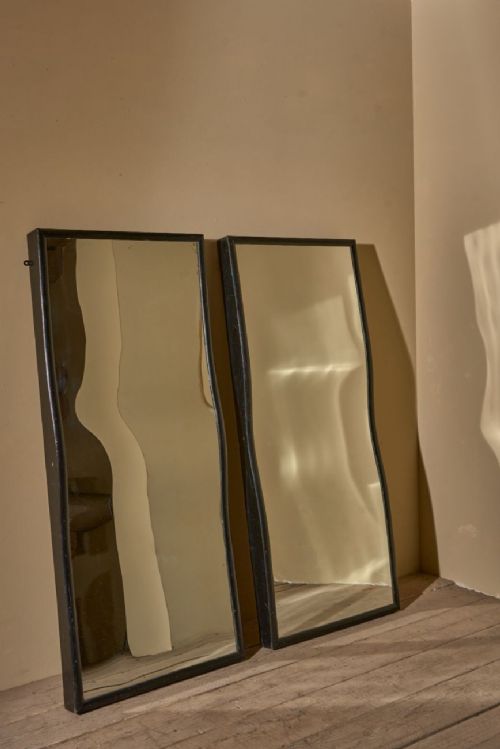
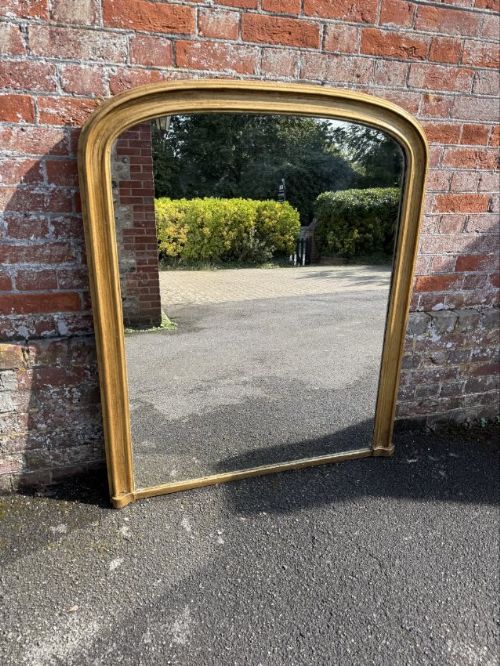
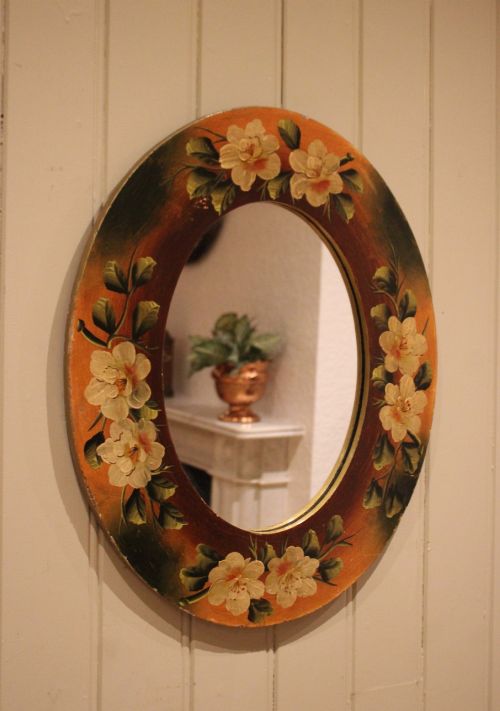
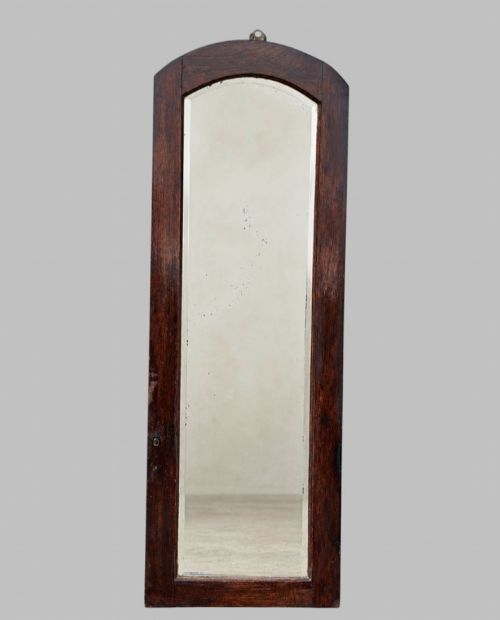
Framed Glass Mirror
When you search for a framed glass mirror, you encounter centuries of timber craftsmanship and reflective glass designed to catch the natural light.
Framed Glass Mirror
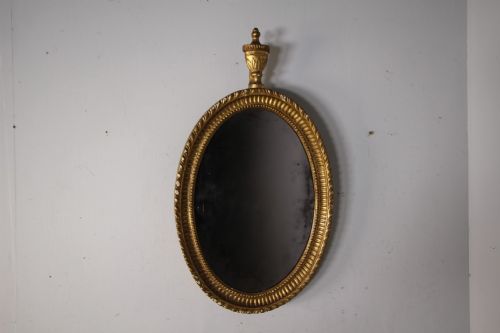
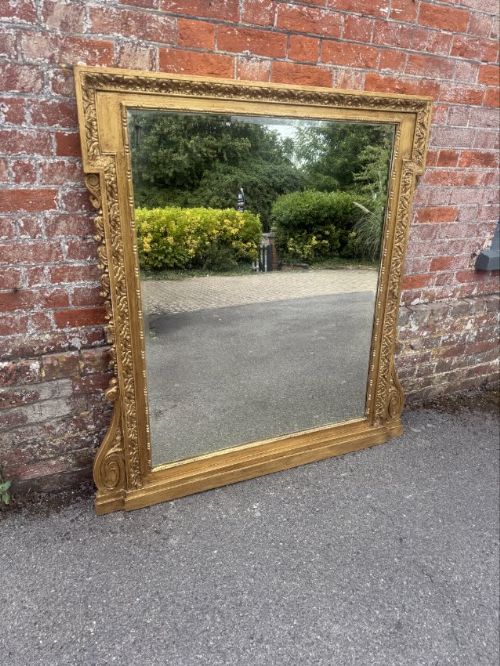
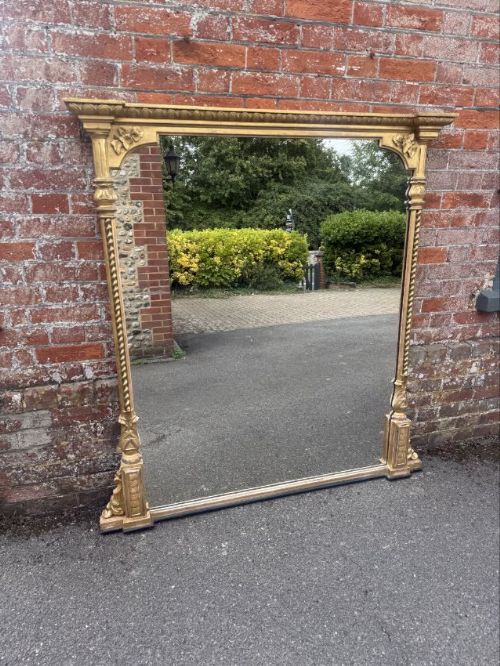
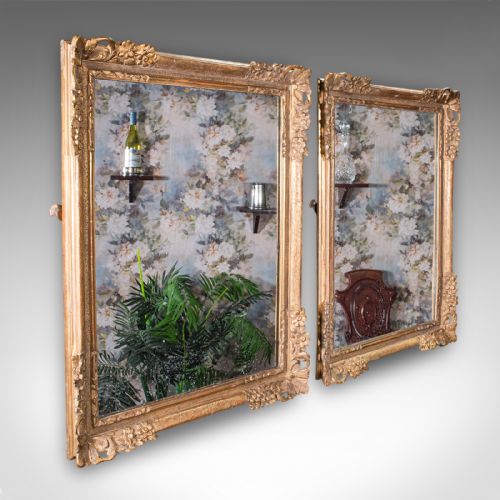
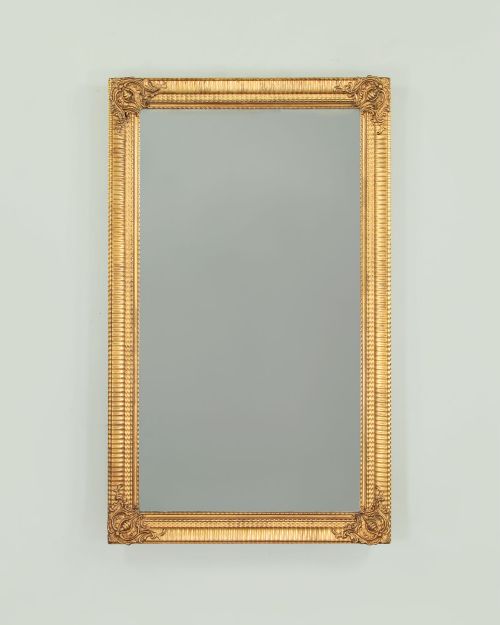
A framed glass mirror serves both a practical purpose and a decorative function, appearing across periods from the eighteenth century into the twentieth century. The selection spans grand overmantle proportions designed for chimneys alongside smaller dressing and pier mirrors made for intimate spaces.
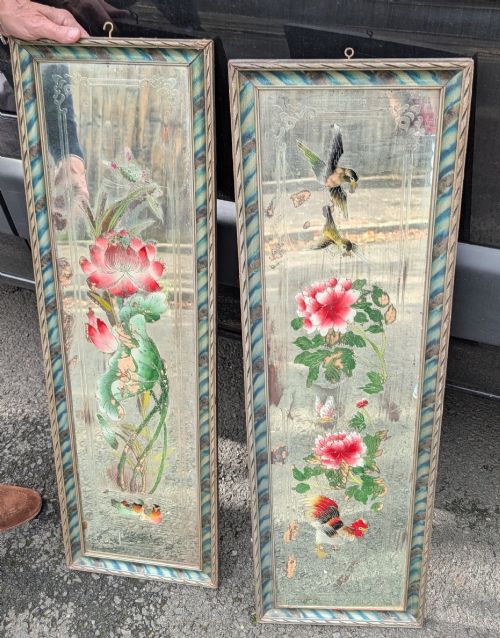
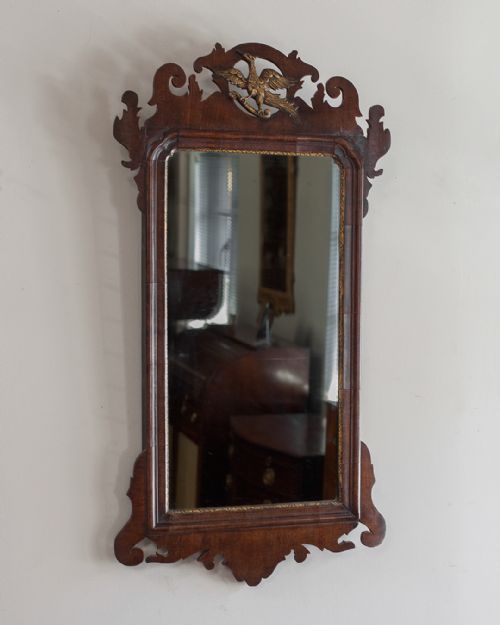
Originating from English, French, and Chinese workshops, these pieces manifest in styles ranging from Regency elegance to Victorian and Edwardian revivalism. Oak, walnut, and mahogany frames sit alongside heavily gilded gesso constructions, showing how domestic reflective surfaces evolved in design.
The most common formats on this page include wall-hanging variants and substantial overmantle mirrors intended to anchor a room. Whether utilising carved wood or simple moulded frames, each piece reflects the prevailing aesthetic of its decade of origin.
Materials and construction
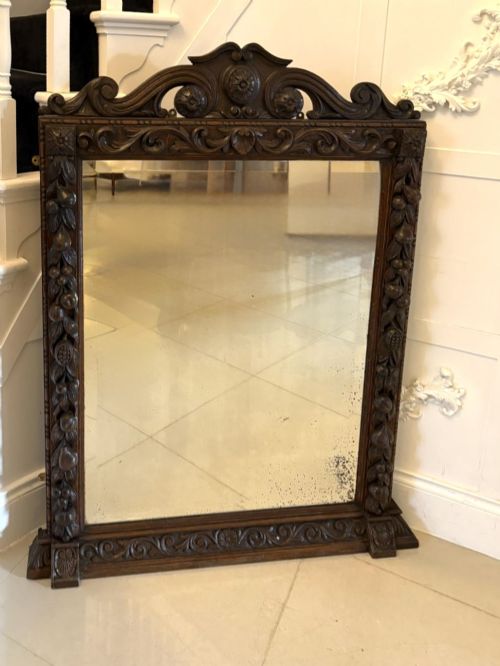
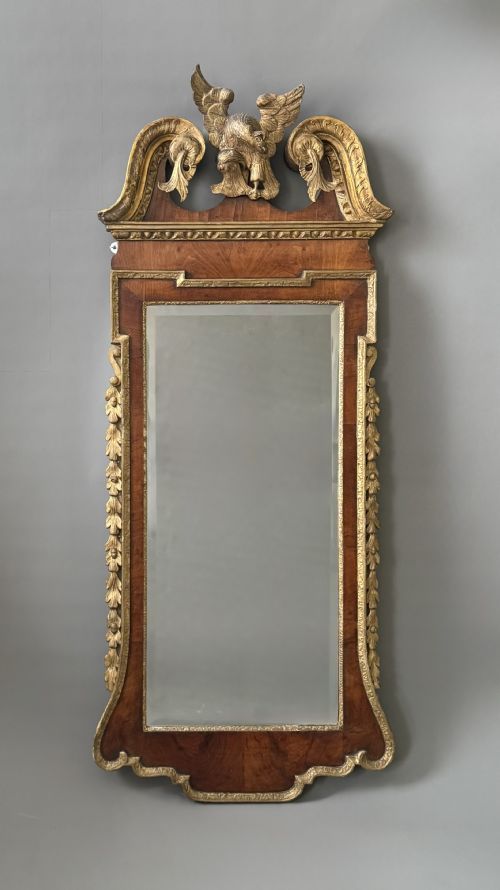
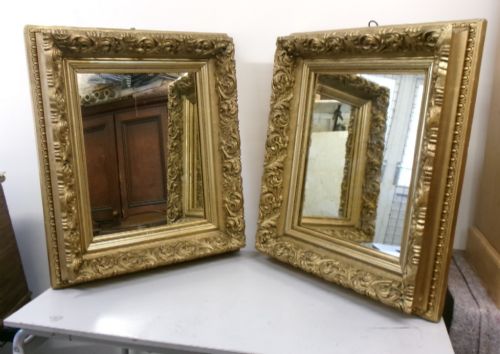
Makers built these frames using traditional cabinet-making timbers such as oak, walnut, mahogany, and kingwood, often applying giltwood and gesso finishes for ornate decorative effect. Artisans carved intricate floral, rope twist, or architectural motifs directly into the wood or moulded them in gesso before applying gold leaf or paint.
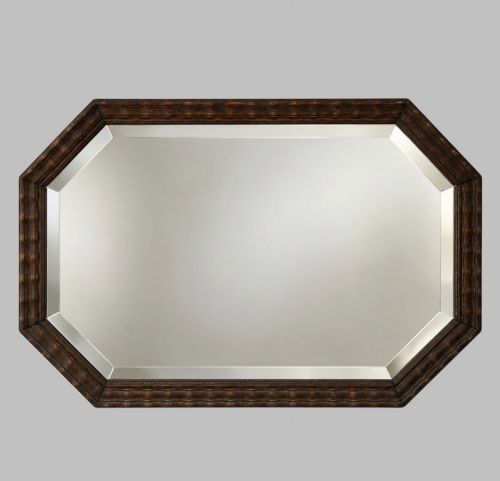
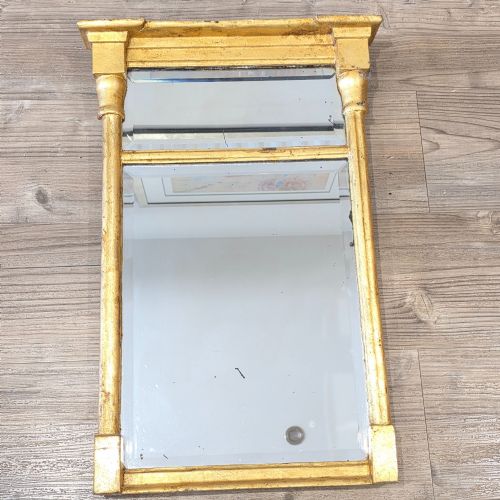
Reflective surfaces relied on early mirror glass and mercury glass plates, some displaying natural foxing from age, while later examples incorporated bevelled edges. Specialist techniques included marquetry inlay, parcel gilding, and lacquer work, securing the glass safely within its timber rebate.
Several Victorian mirrors quietly served the Freemasons, bearing symbolic Masonic carvings within their gilded frames.
Distinctions in craftsmanship
The degree of hand-carving in the wooden or gesso frame separates standard production from exceptional examples, with deeper undercut reliefs and crisp botanical details indicating superior workshop output. The retention of original mercury glass plates or early mirror glass adds historical weight to a piece.
Structural integrity of the joints, the preservation of original gilding without excessive modern intervention, and the subtlety of proportion define the upper tier of these mirrors. Superior pieces maintain their original backboards and glass plates, showing minimal degradation beyond age-appropriate oxidation.
Waring And Gillow
The Framed Glass Mirror Glossary
- Gesso
- A plaster-like material applied to wood frames to provide a smooth surface for gilding or painting. It allowed artisans to carve intricate relief decorations before applying gold leaf.
- Overmantle mirror
- A large horizontal mirror specifically designed to hang above a fireplace mantelpiece. These pieces frequently feature architectural framing to anchor the domestic hearth.
- Mercury glass
- A double-walled glass blown object or flat plate silvered with a liquid mercury amalgam between the glass layers. It produces a distinctive misty reflection often seen in eighteenth and nineteenth-century pieces.
- Pier glass
- A tall mirror designed to hang on the narrow pier of wall between two windows. They often sat above matching console tables to bounce light back into the room.
- Trumeau mirror
- An antique wall mirror incorporating a painted or carved panel above the glass plate. Originating in France, these pieces functioned as permanent architectural wall decorations.
Framed Glass Mirror: Frequently Asked Questions
How do I date a wooden mirror?
Dating relies on examining the timber species, construction joints, and framing style relative to historical periods like the Regency or Victorian era. Secondary wood types on the backboards often provide clues to the exact decade of manufacture.
Original fixings and the presence of hand-bevelled or mercury glass further narrow down the production timeline. Comparing the decorative motifs against known historical revivals confirms the origin.
What is foxed glass?
Foxed glass refers to the speckled dark spots and oxidation that develop on antique mirror plates over long periods. This chemical breakdown happens when moisture reaches the silver backing behind the glass.
Many collectors prize this characteristic because it proves the glass is original and adds genuine age to the reflection. It creates a soft, atmospheric quality distinct from modern uniform mirrors.
Where should I hang an overmantle mirror?
Overmantle mirrors traditionally anchor the space directly above a fireplace mantelpiece, drawing the eye upward and magnifying the room's proportions. Their substantial weight requires secure wall fixings anchored into solid masonry or studwork.
Positioning them opposite a window also helps maximise natural light distribution throughout the interior. Ensure the hanging wire and brackets match the heavy construction of the timber frame.
How do I clean an antique gilt frame?
Cleaning antique giltwood and gesso requires extremely gentle dusting with a soft dry brush to prevent damaging the fragile gold leaf surface. Avoid using liquid cleaners, moisture, or chemical sprays, which can strip the historical finish entirely.
If grime persists, consult a professional conservator rather than attempting aggressive DIY restoration. Preserving the original surface patina maintains the historical integrity of the piece.