




Decorative Glass Bowl
When you search for a decorative glass bowl, you enter a field defined by cut crystal, opalescent forms and gilt bronze mounts stretching from the Victorian era into the mid-twentieth century.
Decorative Glass Bowl
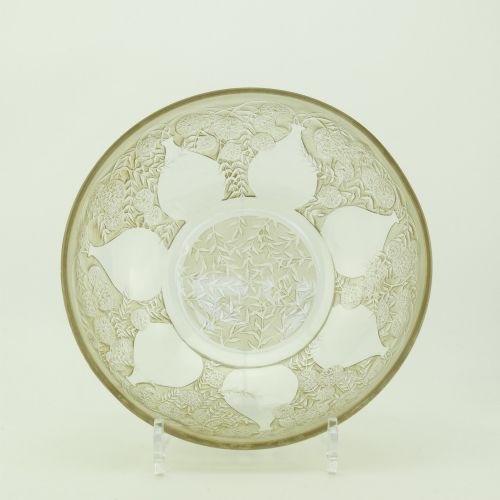
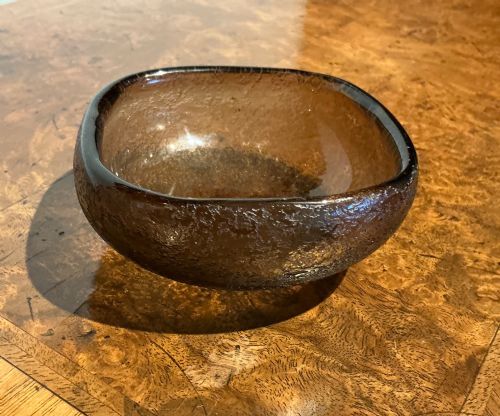
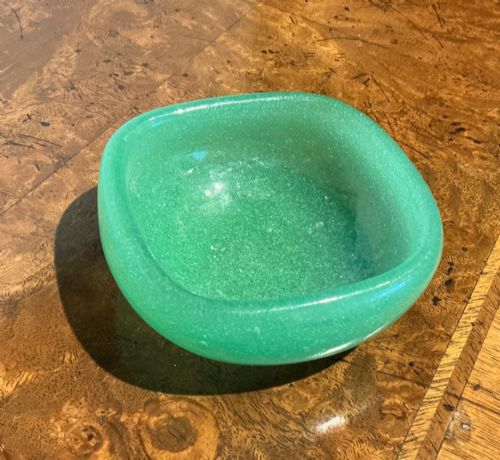
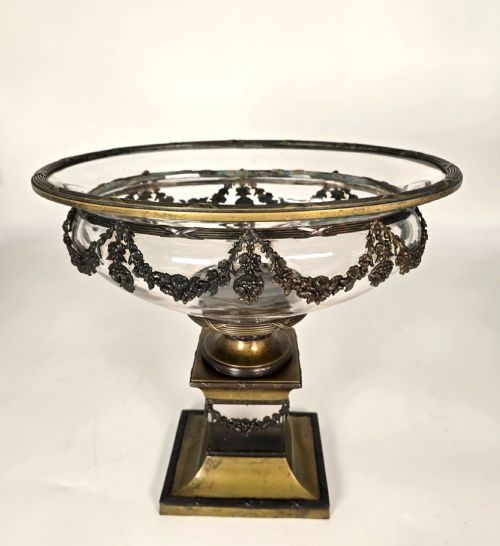
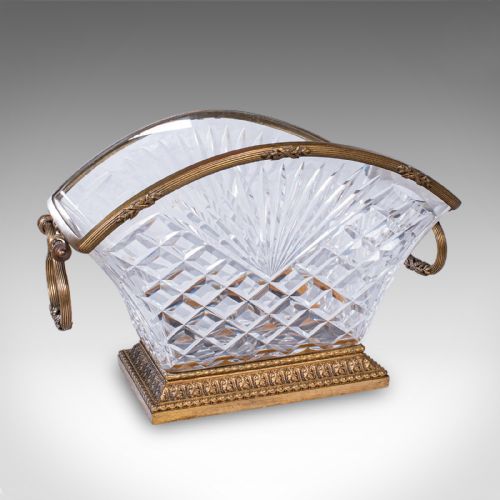
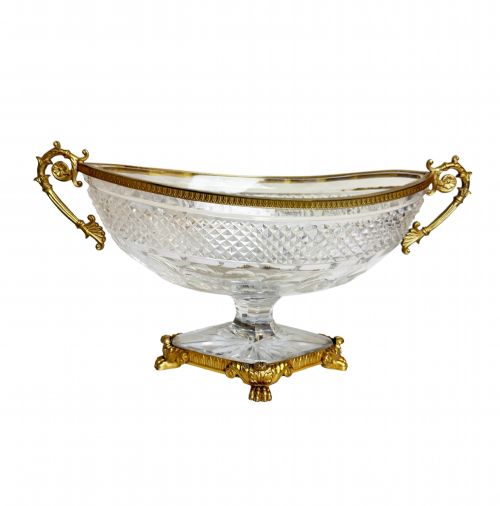
A decorative glass bowl covers a wide range of vessels made primarily for display rather than utility, taking the form of shallow dishes, deep centrepieces, tazzas and footed bowls. You will encounter pieces spanning the nineteenth century and the early decades of the twentieth century, with notable representation from the Victorian, Art Nouveau and Art Deco periods.
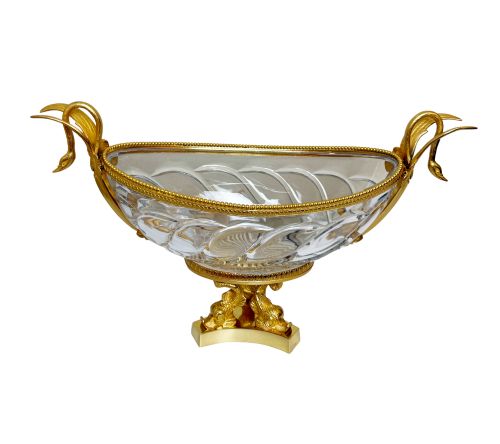
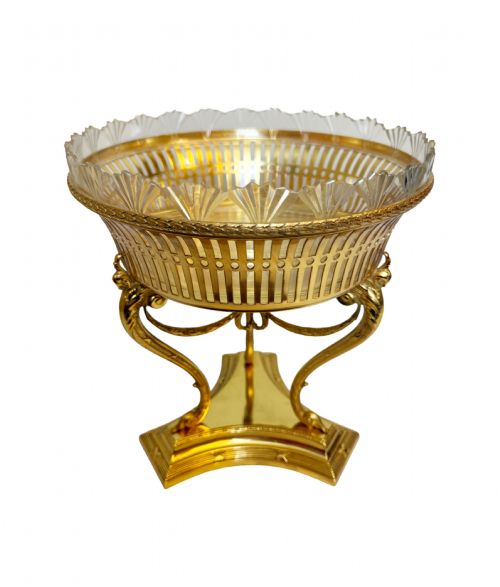
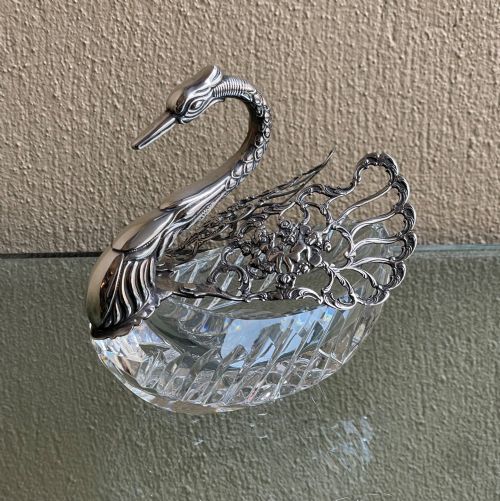
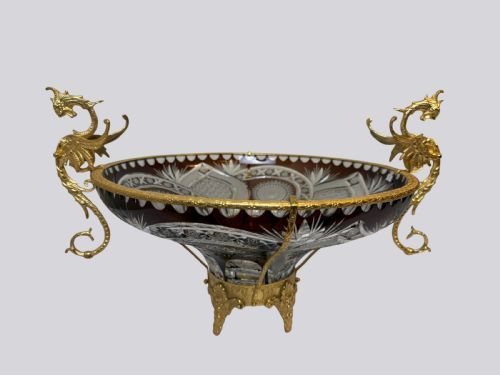
The objects frequently combine glass bodies with metal elements, such as French gilt bronze, ormolu, brass or silver plating. Many serve as centrepiece bowls designed for dining tables or drawing rooms, while others function as pedestal basins or delicate opalescent dishes.
Makers and designers from France, England, Italy and Belgium dominate the selection, ranging from massed opalescent press-moulded creations to heavy cut crystal mounted in elaborate bronze stands. These vessels reflect changing interior tastes from nineteenth-century revivals to clean modernist lines.
How they were made
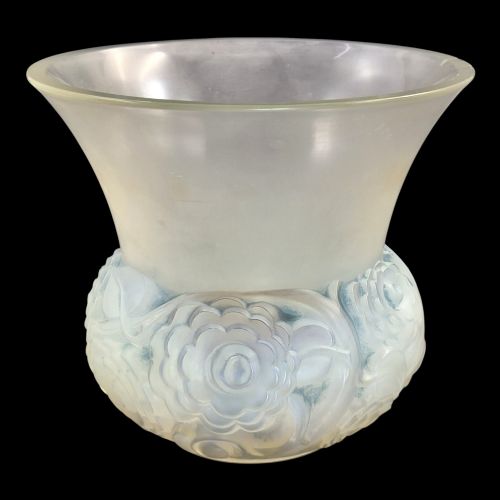
Makers utilised techniques such as heavy facet cutting on crystal, acid-etching, and press-moulding to achieve varied surface textures and depth. Opalescent and pate de verre pieces relied on chemical additions and controlled cooling to create milky translucency and colour play within the glass body.
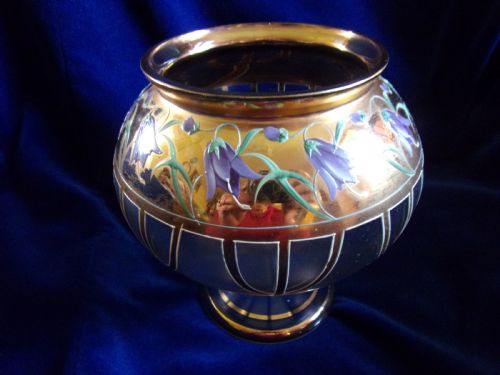
Metal mounts in gilt bronze, ormolu and brass were cast separately and fitted to the glass vessels using collars, feet and handles. Enamelling, gilding and applied glass canes further decorated the surfaces of Art Nouveau and Victorian examples.
Some nineteenth-century French tables gained mermen in full bronze relief just to hold up a simple glass bowl.
What varies in quality
Quality rests on the crispness of the glass cutting and moulding, where sharp facets and well-defined relief motifs distinguish finer studio and factory output from simpler utilitarian wares. The weight and clarity of the crystal or glass body also play a fundamental role in the overall execution.
The integration and standard of the metal mounts dictate the standing of a piece, with finely chased bronze, ormolu, and detailed cast figures separating standard vessels from exceptional centrepieces. The presence of clear factory signatures, distinct patination, and preserved gilding elevates the desirability of the work.
Rene Lalique·Venini·Daum France·Val St Lambert·Loetz·Thos Webb and Sons·Salviati Venice·Stuart England·Monart·William Comyns
The Decorative Glass Bowl Glossary
- Opalescent Glass
- Glass that diffuses light and displays a milky or bluish glow, often utilised in twentieth-century moulded bowls.
- Ormolu
- Gilt bronze mounted on decorative objects, frequently seen supporting nineteenth-century crystal basins.
- Tazza
- A shallow ornamental bowl raised on a stem and foot, used for display or serving.
- Latticinio
- Glasswork featuring fine white or coloured glass threads embedded within clear glass.
- Pate de verre
- A glass-casting method where crushed glass is packed into a mould and fused in a kiln, producing dense colour and texture.
Decorative Glass Bowl: Frequently Asked Questions
What is a decorative glass bowl used for?
These vessels were historically placed upon dining tables, sideboards or pedestals as centrepieces, fruit dishes or display objects. They served primarily to catch the light and showcase the craftsmanship of the glassmaker.
Today, they function as standalone decorative accents within domestic interiors, requiring minimal handling to preserve their surfaces.
How do I tell Victorian pieces from Art Deco ones?
Victorian examples tend to feature heavy cut crystal, cranberry or ruby glass liners, and elaborate ormolu mounts with naturalistic or revivalist motifs. They lean towards ornate forms and heavy ornamentation.
Art Deco bowls, by contrast, frequently showcase opalescent press-moulded glass, stylised floral motifs, or geometric lines associated with makers from the nineteen-twenties and nineteen-thirties.
Are metal mounts original to the glass?
Most period pieces were designed as unified objects where bronze or ormolu mounts were cast specifically to fit the glass insert. Makers often integrated the metal collars and handles during the initial production phase.
Examining the fit between the glass and the metal reveals how closely the components correspond in wear, age and construction technique.
How should I clean and care for antique glass?
Antique glass and metal mounts require gentle maintenance using a soft, dry cloth to remove dust. Harsh chemical cleaners must be avoided, particularly around gilded surfaces and delicate enamel work.
If washing is necessary, use lukewarm water and mild soap, ensuring the piece is dried thoroughly to protect any metal components or gilt bronze.