




Antique Ruby Glassware
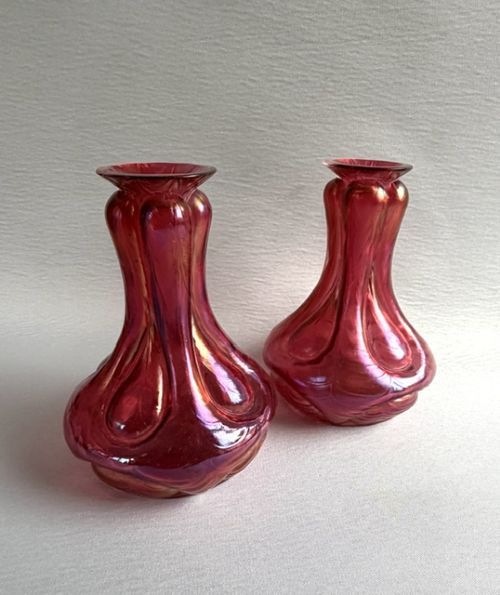
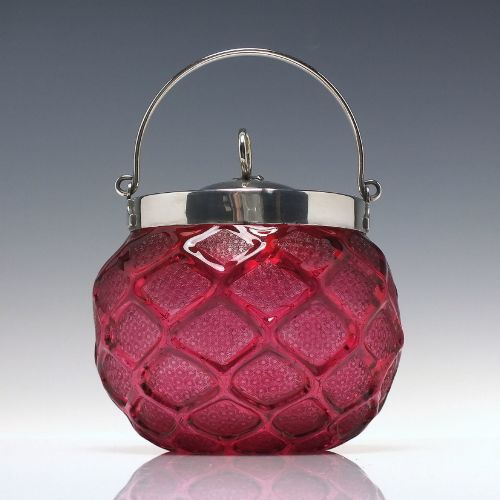
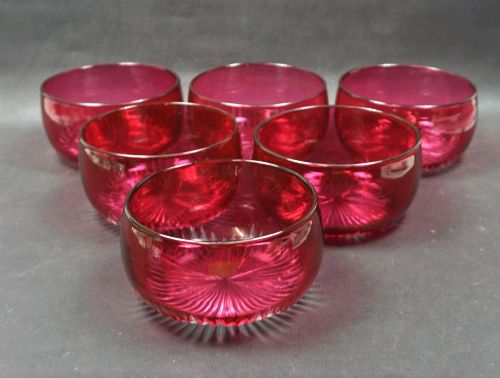
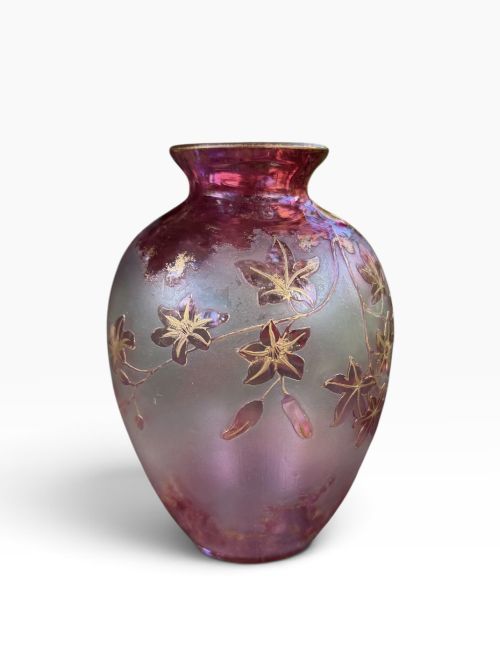
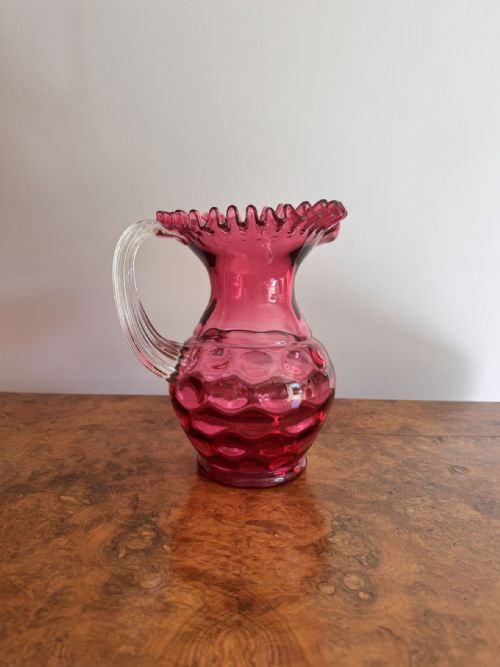
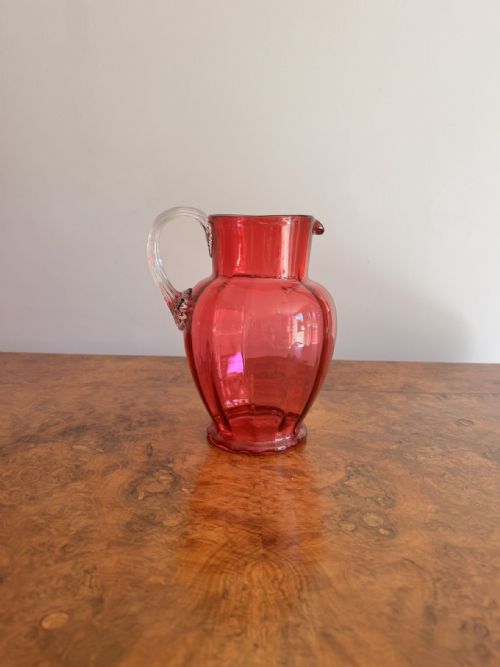
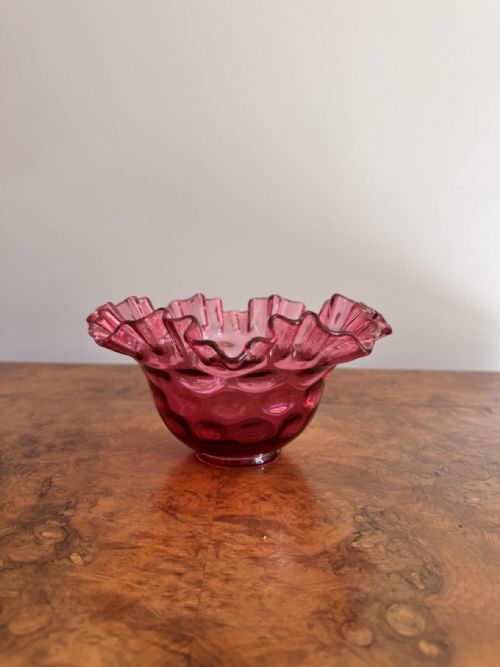
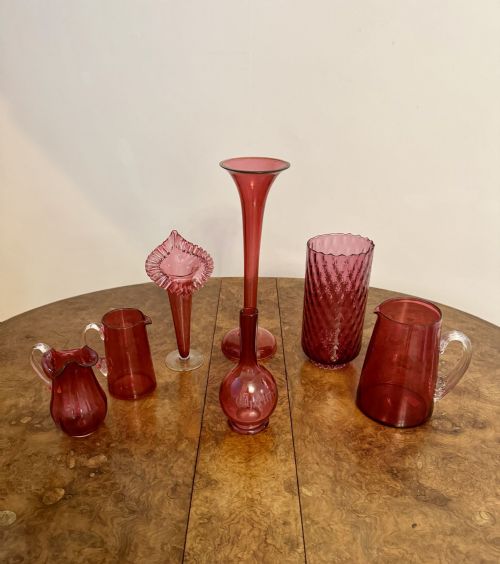
These pieces of antique ruby glassware bring deep crimson tones and rich Victorian charm to a table or cabinet.
Antique Ruby Glassware
When you search for antique ruby glassware, you encounter a striking selection of items defined by rich red hues, ranging from deep crimson ruby to lighter cranberry tones. The pieces listed on this page span the eighteenth, nineteenth, and early twentieth centuries, capturing the height of Victorian and Edwardian decorative glass production.
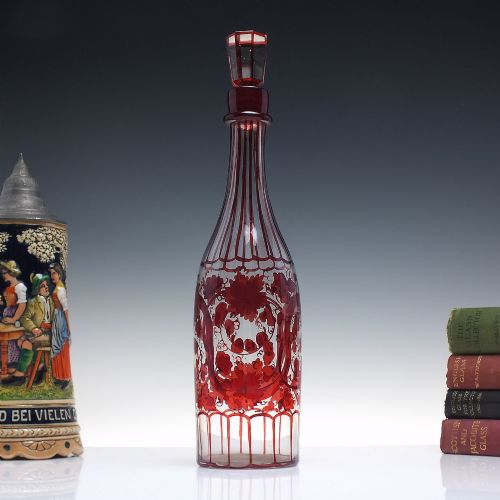
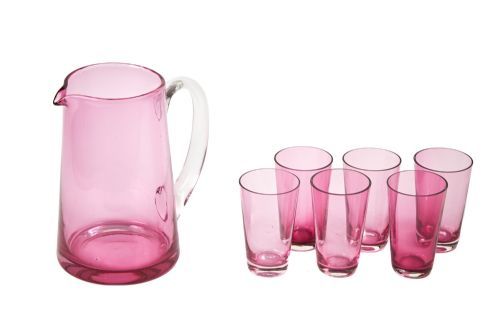
The most common forms you meet here are tableware and display items, including wine glasses, decanters, jugs, vases, and bowls. Victorian English and Bohemian workshops dominate the selection, offering everything from simple hand-blown stemware to elaborate layered glass objects.
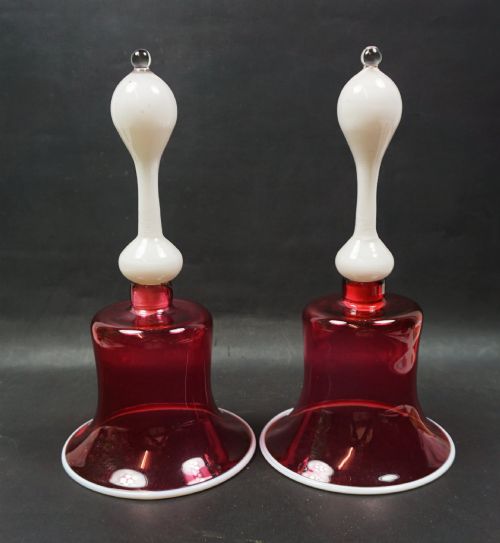
Vessels often appear in matched sets, such as wine glasses and drinkware collections, alongside individual decorative centrepieces like epergnes, bells, and jars. Collectors find both plain vessels and heavily ornamented examples featuring contrasting clear glass, white glass handles, or delicate covers.
Materials and production techniques
The makers of these items relied on specialised glass colouring techniques, introducing gold chloride or copper to the molten batch to achieve the characteristic rich red shades of ruby and cranberry glass. Many objects utilise an overlay method, fusing a layer of ruby glass over clear crystal before cutting or engraving through the outer layer to expose the clear material beneath.
Decoration required skilled hand-finishing, including free-blowing, mould-blowing, and acid etching to create intricate surface patterns. Artisans frequently added hand-painted enamel details, particularly white enamel figures in the Mary Gregory style, alongside applied gold leaf gilding on rims and panels.
Antique Ruby Glassware Retail Price Guide 2026
Typical asking prices for ruby glassware among the pieces listed under this phrase on Sellingantiques today, from the lower quarter to the upper quarter. They describe what is for sale here now, not the wider market.
Listings feature Victorian and Edwardian items, spanning the eighteenth century to nineteen-ten, with materials including cranberry glass, gold leaf, and enamel.
Assessing craftsmanship and execution
The distinction between standard domestic items and the finest examples rests on the crispness of the glass cutting, the depth of the colour, and the precision of the hand-painted or engraved decoration. Superior pieces exhibit well-balanced proportions in blown forms like jugs and decanters, with applied handles and rims attached cleanly without excess glass at the joints.
Gilding and enamel work also separate grades of quality, as finely painted scenes and neatly brushed gold leaf retain their crispness and adherence over time. Items featuring complex double-overlay techniques or detailed acid etching from established centres like Bohemia and France represent the higher tier of production.
Baccarat
The Antique Ruby Glassware Glossary
- Cranberry glass
- A transparent pinkish-red glass coloured with gold chloride, widely popular during the Victorian era for tableware and decorative items.
- Ruby flash glass
- Clear glass coated with a very thin layer of ruby-coloured glass, often partially removed by cutting or etching to reveal the clear base.
- Tazza
- A shallow ornamental cup or chalice mounted on a stem and foot, used for serving fruit or sweets on formal tables.
- Mary Gregory glass
- Glassware decorated with white enamel silhouettes of children playing in woodland settings, popular in the late nineteenth century.
Antique Ruby Glassware: Frequently Asked Questions
What is the difference between cranberry and ruby glass?
Cranberry glass typically displays a lighter, pinker translucent red shade derived from a gold-based mixture, while ruby glass can encompass deeper, darker crimson tones.
Both terms often describe similar nineteenth-century tableware and decorative items, though specific manufacturing recipes varied between English and continental workshops.
How do I care for antique ruby glassware?
These delicate pieces require gentle hand washing in lukewarm water with mild soap to protect surface gilding and enamel decoration.
Avoid sudden temperature changes and abrasive sponges, and store stemware securely to prevent rim chips on older hand-blown glass.
Were these wine glasses meant for daily use?
Many Victorian wine glasses and decanters served formal dining tables during dinner parties and social gatherings rather than everyday meals.
Matched sets of stemware were produced specifically for serving wine and cordials during the middle and late nineteenth century.