


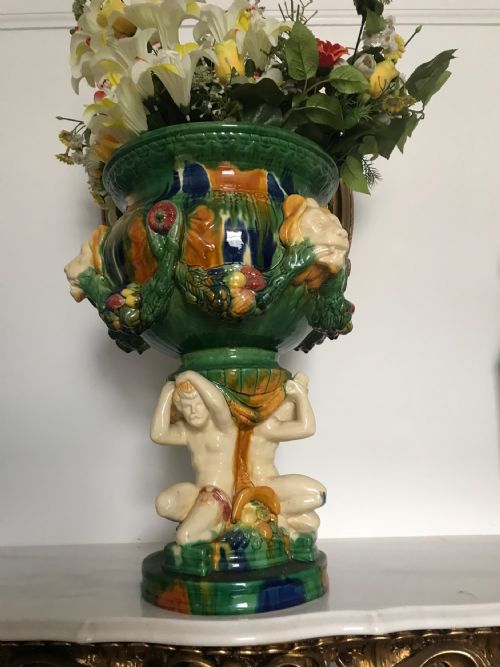


Decorative Ceramic Planter
These decorative ceramic planter designs bring garden grace indoors, offering a handsome vessel for plants across eras from Victorian majolica to Art Deco.
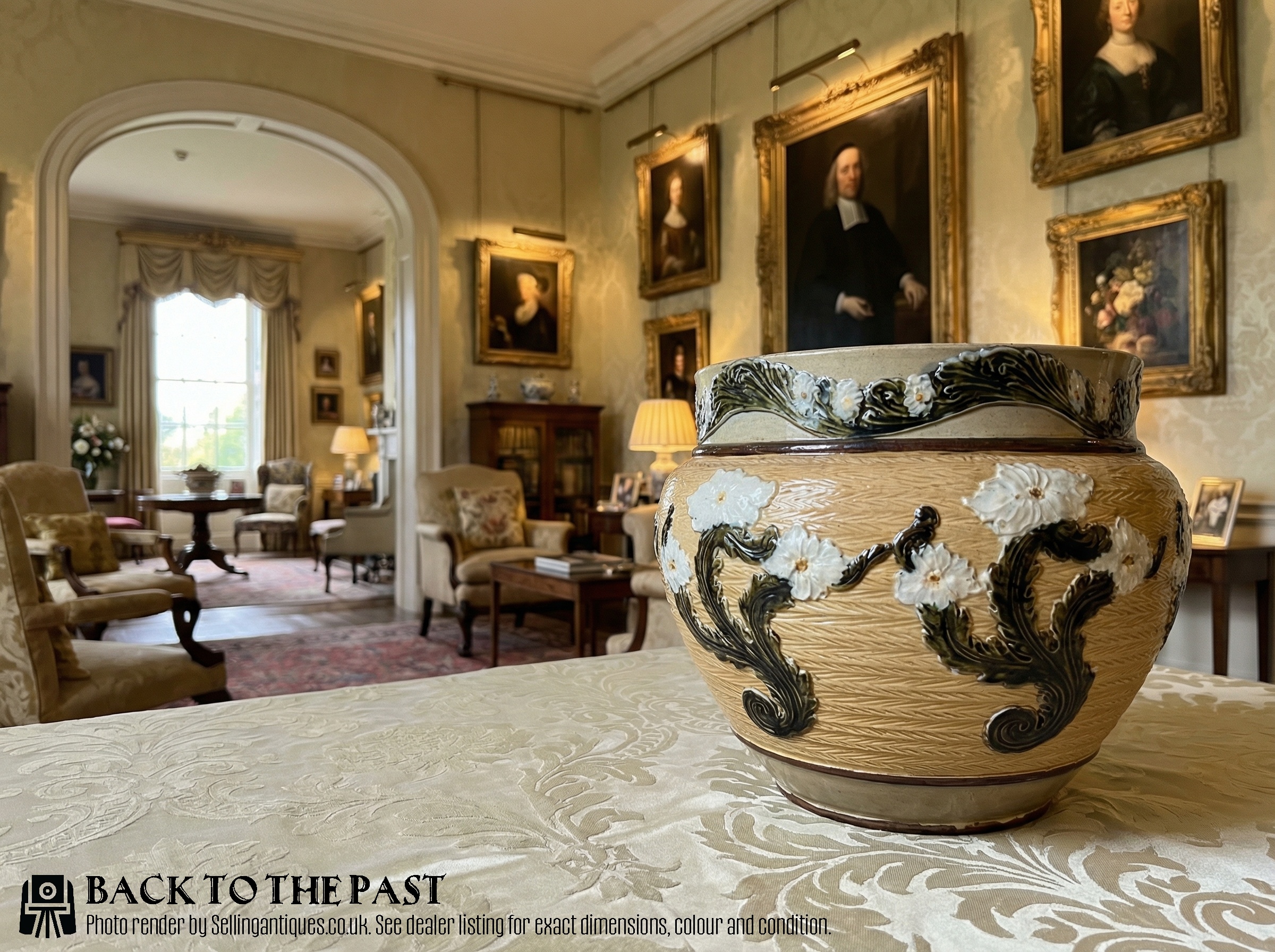
Decorative Ceramic Planter
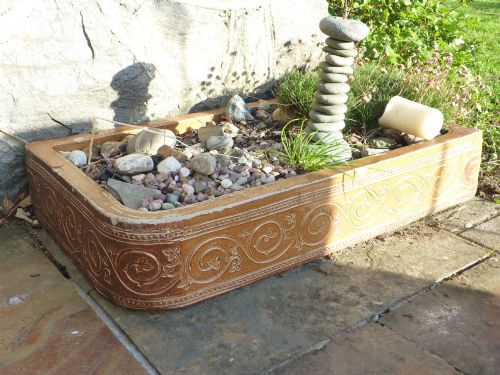
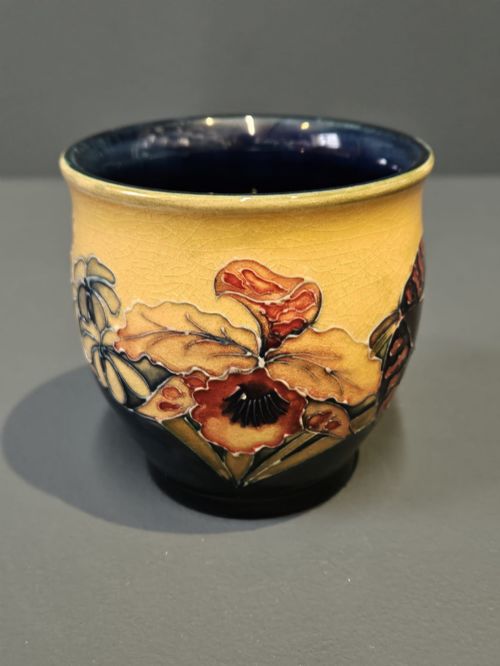
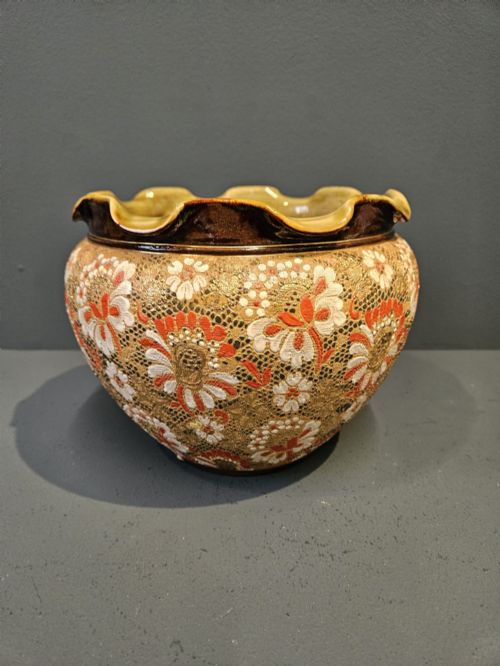
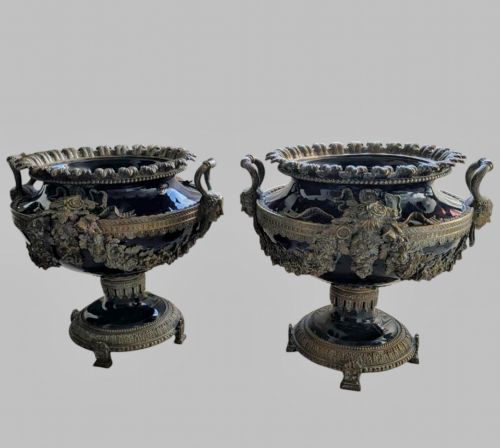
A decorative ceramic planter takes many shapes in these listings, most commonly appearing as jardinières, garden urns, troughs, and posy holders. Buyers meet pieces spanning the Victorian and Edwardian eras, alongside early twentieth-century examples.
The origins stretch across English potteries like Doulton, Worcester, and Burmantofts, alongside French, German, Italian, Spanish, Chinese, and Japanese workshops. Forms range from simple bowls and footbaths to figural bases and pedestals.
Materials and Technique
Potters shaped these pieces from ceramic, porcelain, earthenware, stoneware, and terracotta, applying rich glazes, enamel, and occasional gold leaf. Salt glazing and majolica techniques provide durable, textured surfaces.
Many examples incorporate hand-painted details, figural stands, or applied decorations like lions' heads and cherubs, reflecting the decorative tastes of the nineteenth and early twentieth centuries.
A porcelain boy pushing a wheelbarrow serves as a posy holder.
Craft and Character
Quality rests in the crispness of the modelling, whether the piece is a figural group with a boy and wheelbarrow or a simple naturalistic planter. The depth and evenness of the glaze determine the success of the finish.
Makers known for distinct artistic direction, such as Doulton Lambeth or Royal Worcester, demonstrate superior control over form and surface decoration compared to simpler regional wares.
Guichard Carriès·Doulton Lambeth·Barr Flight And Barr·Makuzu Kozan II·Krister KPM Waldenburg·Doulton Burslem·Burmantofts Majolica·Royal Worcester·Linthorpe Pottery
The Decorative Ceramic Planter Glossary
- Jardiniere
- An ornamental pot or stand for holding plants or flowers. These vessels sit on tables or floor pedestals.
- Majolica
- A type of earthenware decorated with opaque coloured glazes over a tin-enamelled base. It yields vibrant greens, browns, and yellows.
- Posy holder
- A small vessel designed specifically for holding short-stemmed bunches of flowers. They often take whimsical figural forms.
- Stoneware
- A robust ceramic fired at high temperatures until vitrified. This process creates a dense, waterproof body suited to utilitarian and decorative pots.
Decorative Ceramic Planter: Frequently Asked Questions
What is a jardiniere?
A jardiniere is an ornamental container designed to hold potted plants indoors. The term originates from the French word for gardener.
These pieces function as decorative cachepots rather than direct planting vessels. They allow houseplants to sit in rooms without spilling soil or water.
How do I care for antique planters?
Antique ceramic and terracotta pieces require gentle cleaning with a soft cloth and mild water. Avoid harsh chemical cleaners that might damage old glazes.
Use a plastic liner inside the planter to protect the historic ceramic from moisture and mineral deposits. This prevents water from seeping through porous earthenware bodies.
Are these planters frost proof?
Most antique decorative ceramic planter designs are intended for indoor use or sheltered garden spots. Earthenware and majolica can crack if exposed to freezing temperatures while holding damp soil.
Stoneware and terracotta are generally more resilient outdoors, but freezing water still poses a risk to antique glazes and bodies. Store delicate vessels indoors during winter months.
How do I date a ceramic planter?
Dating relies on maker marks, stylistic clues, and manufacturing techniques recorded on the base. Victorian and Edwardian pieces often feature registration numbers or impressed factory stamps.
Stylistic shifts, such as the transition from heavy Victorian majolica to clean Art Deco lines, help narrow the period of manufacture.