




Decorative Ceramic Mantel Urns
Decorative ceramic mantel urns bring formal symmetry and rich painted detail to a hearth, uniting nineteenth-century porcelain craft with classical silhouettes.
Decorative Ceramic Mantel Urns
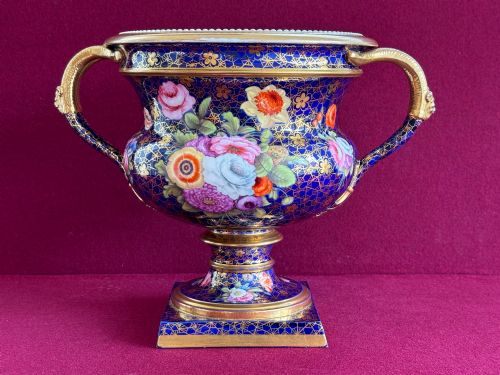
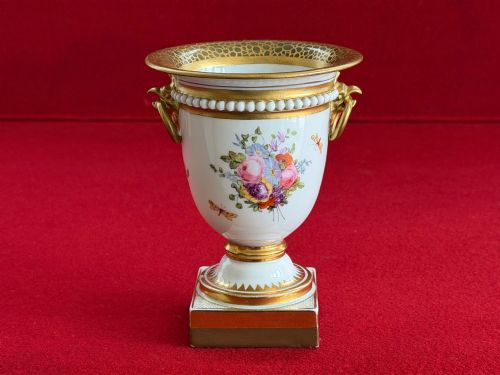
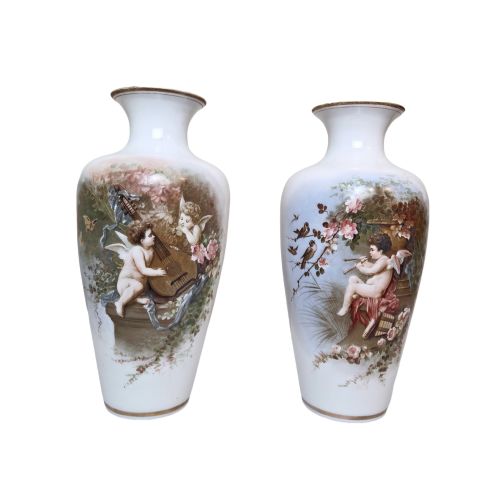
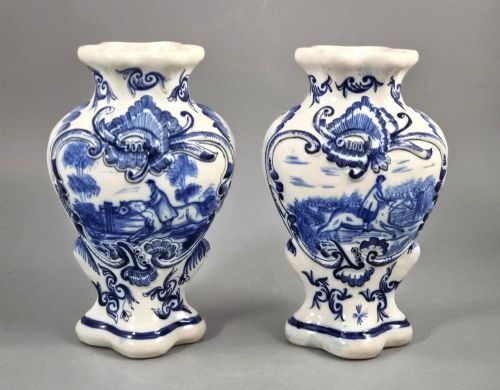
Decorative ceramic mantel urns encompass porcelain, earthenware, and stoneware vessels designed for display on a mantelpiece or shelf rather than for utilitarian service. Buyers exploring decorative ceramic mantel urns encounter pairs and garnitures spanning the eighteenth, nineteenth, and early twentieth centuries, with a strong representation of nineteenth-century European factory pieces and continental porcelain.
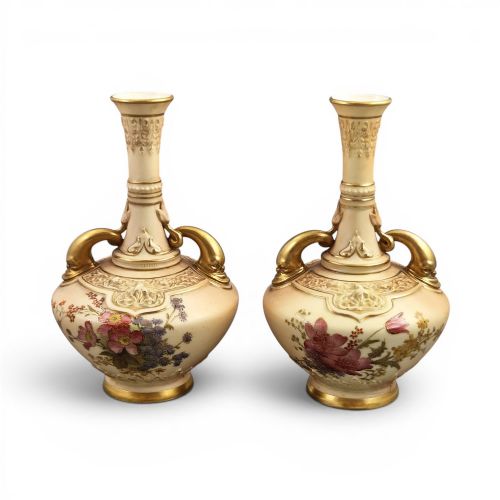
The forms range from lidded ginger jars and classical handled urns to shaped vases executed in distinct historical revivals. French Sèvres style pieces alongside English works by Royal Doulton, Royal Worcester, and Wedgwood dominate the selection, often taking pride of place in period interiors.
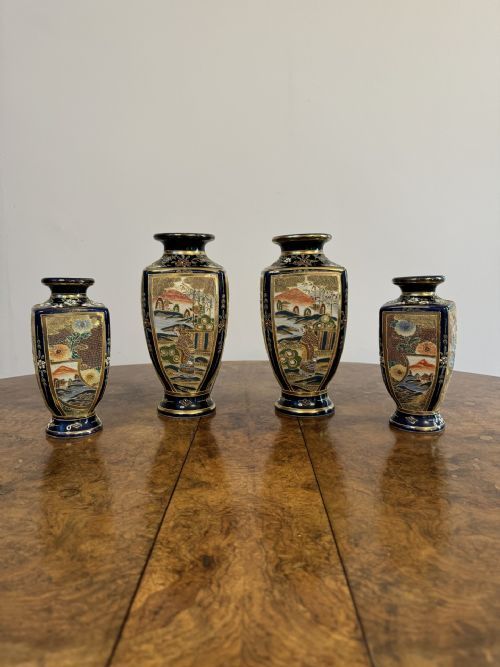
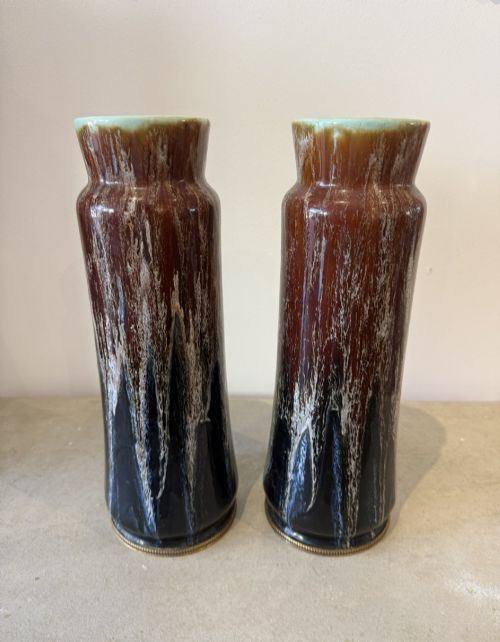
Makers from Japan, including Satsuma and Kutani workshops, also contribute significantly to the available aesthetic, alongside Art Deco pottery from the early twentieth century. These objects function primarily as visual focal points, anchoring a mantel display with balanced proportions and decorative motifs.
How They Were Made
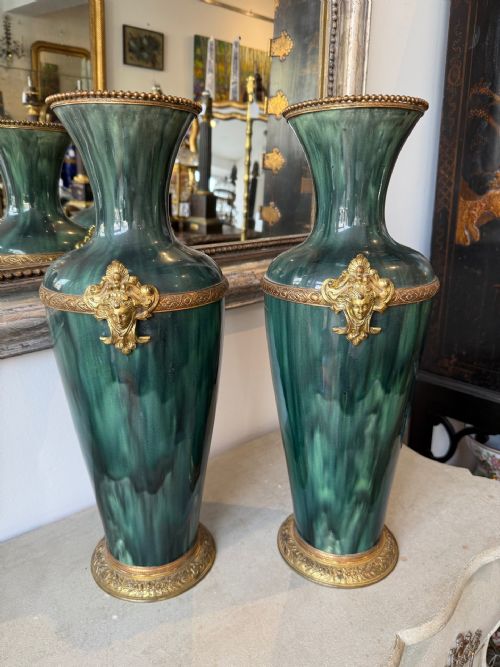
Makers shaped these vessels using traditional ceramic bodies including soft-paste porcelain, hard-paste porcelain, ironstone, and earthenware, often mounting them with cast or gilt bronze and ormolu. Potters formed the ceramic bases on wheels or within moulds before applying complex glazes such as bleu céleste, blush ivory, and high-temperature lustres.
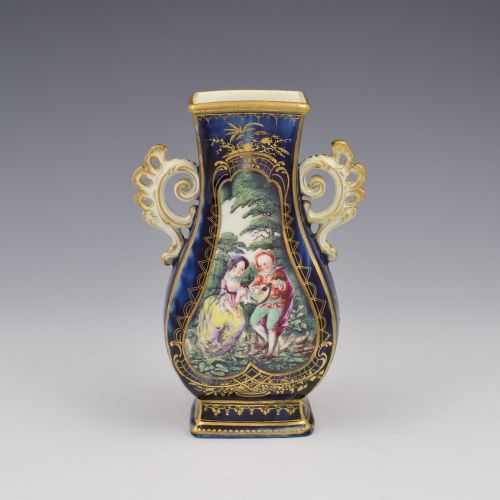
Surface decoration combined hand-painted pastoral scenes, floral panels, and intricate gilding with gold leaf or gold anchor marks. Skilled artisans fired the pieces multiple times to set enamel colours and metallic highlights, occasionally incorporating raised slip work or dolphin-handled mounts.
Decorative Ceramic Mantel Urns Retail Price Guide 2026
Typical asking prices for decorative ceramic mantel urns among the pieces listed under this phrase on Sellingantiques today, from the lower quarter to the upper quarter. They describe what is for sale here now, not the wider market.
Listings feature porcelain, earthenware, and stoneware across nineteenth-century revival styles and Art Deco designs.
What Varies in Quality
The standard of painting and the precision of hand-applied gilding separate standard production pieces from exhibition quality works. Crispness in moulded relief, the stability of ormolu mounts, and the depth of the porcelain glaze all indicate superior manufacturing pedigree.
Attribution to documented artists or esteemed factories elevates a piece, as seen in signed works by known ceramicists. The preservation of original lids on garniture sets and urns also preserves the intended visual harmony and completeness of the form.
Royal Doulton·Fourmaintraux-Courquin·Samson Paris·Royal Worcester·Manpei·Hododa·Robert T Lallement·Wolfsohn Dresden·Royal Crown Derby·Charlotte Rhead·Mason·Wedgwood
The Decorative Ceramic Mantel Urns Glossary
- Garniture
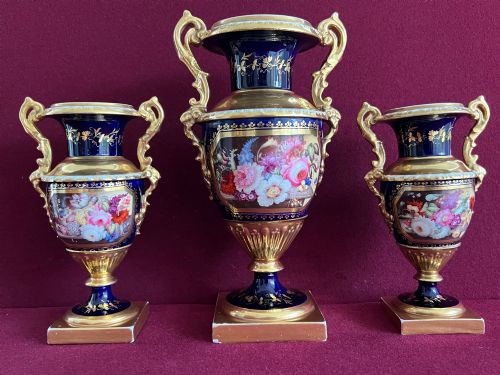
- A set of three or more matching vases or urns designed to be displayed together on a mantelpiece. These sets typically feature a central lidded vessel flanked by smaller matching companions.
- Ormolu
- Gilt bronze mounts applied to nineteenth-century porcelain urns and vases. The technique involves coating cast bronze with a fine layer of gold.
- Bleu Céleste
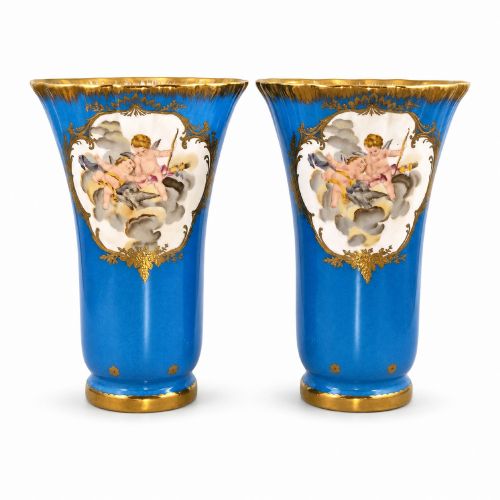
- A bright sky-blue ground colour famously developed at the Sèvres porcelain factory in France. This vivid hue often serves as a backdrop for hand-painted cartouches.
- Famille Rose
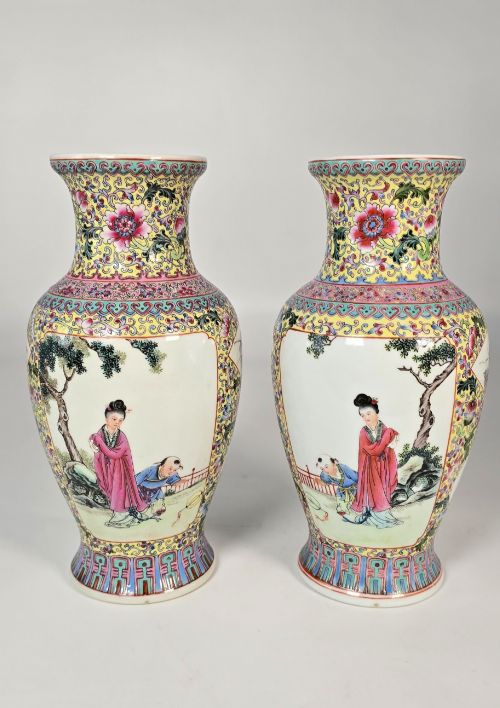
- A Chinese porcelain palette dominated by opaque pink enamel introduced during the Qing dynasty. Artisans used these soft rose tones to render floral and figural scenes.
- Pot Pourri
- A vase or urn featuring a pierced or perforated lid designed to diffuse dried scented flowers into a room. These functional decorative vessels were popular across the eighteenth and nineteenth centuries.
Decorative Ceramic Mantel Urns: Frequently Asked Questions
How were garniture sets displayed?
Garniture sets of three or five pieces were traditionally arranged symmetrically across a mantelpiece or cabinet top to balance the hearth.
The central lidded urn usually stood taller than the flanking vases, creating a formal architectural focal point.
How do I identify Sèvres style porcelain?
Sèvres style pieces typically feature rich ground colours like bleu céleste, elaborate ormolu mounts, and hand-painted panels depicting romantic or pastoral scenes.
Nineteenth-century makers frequently adopted these French royal aesthetics in their own decorative porcelain productions.
How do I care for antique ceramic urns?
Clean these delicate pieces gently with a dry, soft feather duster or a microfibre cloth to remove surface dust without disturbing fragile gilding.
Avoid using water or chemical cleaners, particularly on pieces with exposed ormolu mounts, enamels, or delicate painted surfaces.