


Decorative Ceramic Cachepot
These decorative ceramic cachepots bring colour and architectural form to interiors, offering a classic vessel to house potted plants.

Decorative Ceramic Cachepot
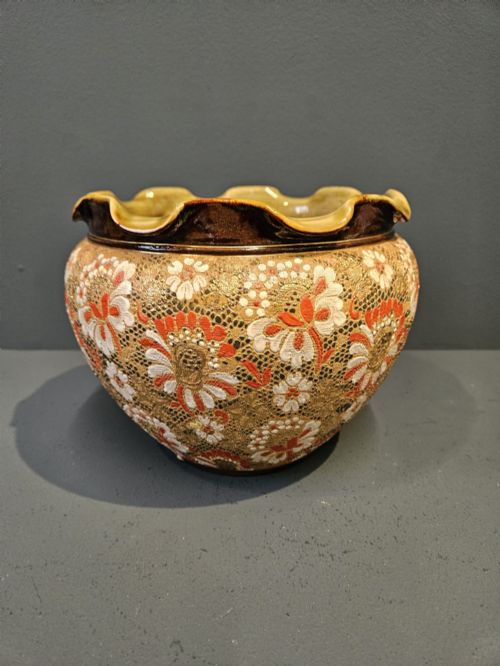
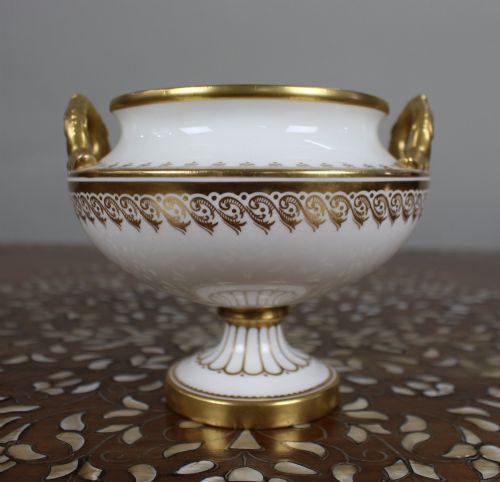
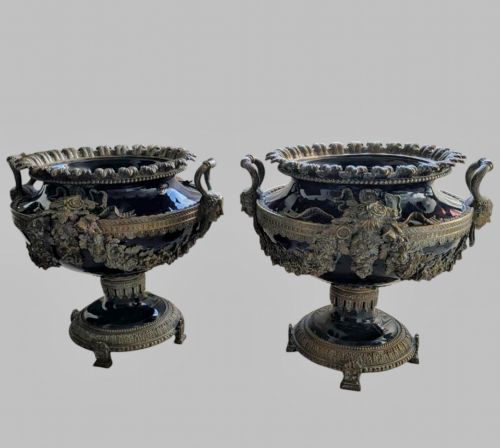
A decorative ceramic cachepot is typically encountered as a jardiniere, urn, or planter designed to hold house plants while concealing a standard plant pot inside. The examples available span from the late nineteenth century into the twentieth century, alongside earlier nineteenth century production.
Makers shaped these vessels in diverse styles, encompassing Victorian, Edwardian, Art Nouveau, Neoclassical, and French Rococo Revival designs. Pieces range from square planters with original Minton panels to two-handled porcelain urns and salt-glazed German vessels.
English potteries such as Doulton, Royal Worcester, and Linthorpe feature heavily alongside French and Japanese Satsuma imports. Buyers will find both single decorative cachepots and matched pairs suitable for mantelpieces or side tables.
Materials and production methods
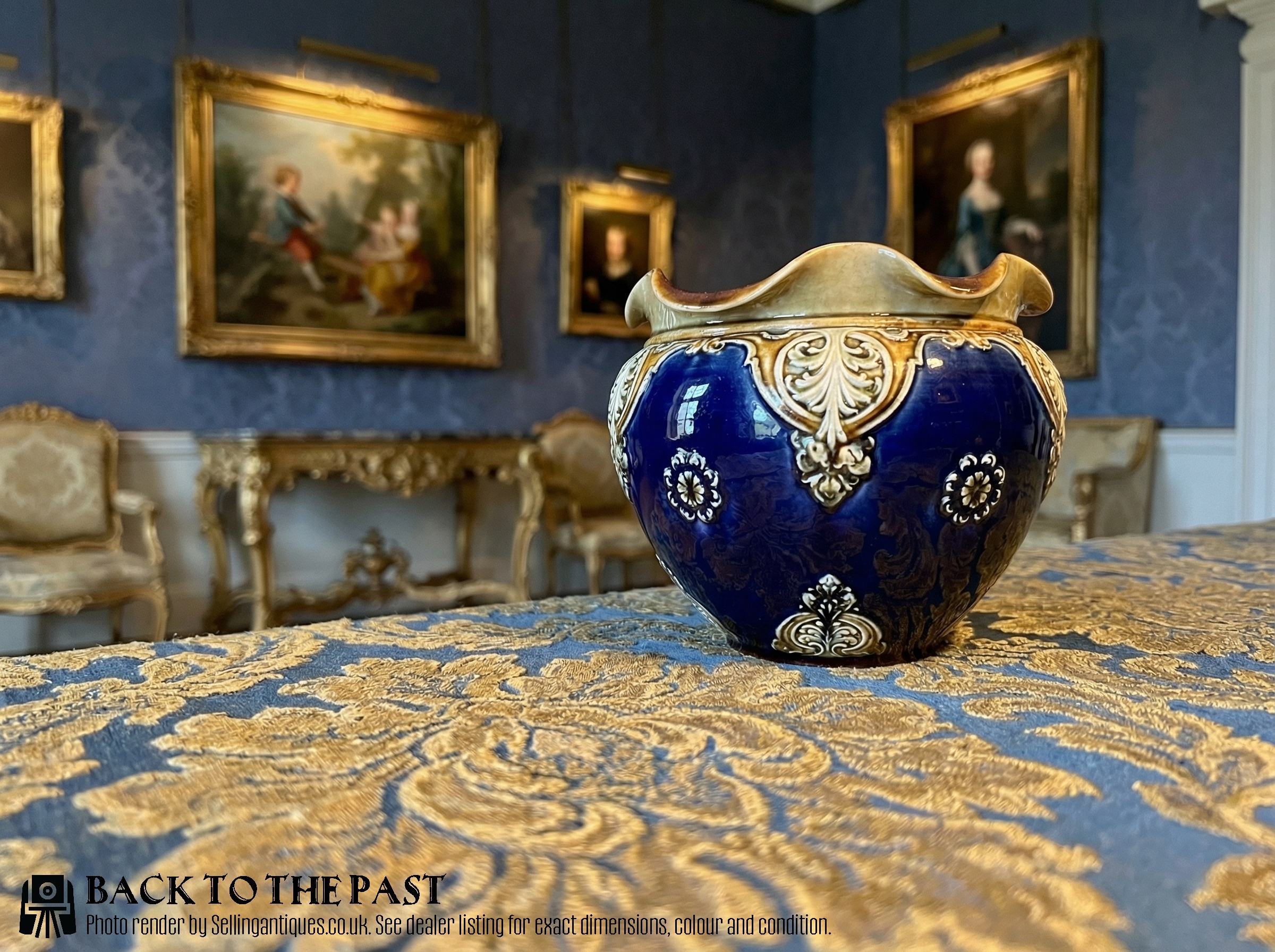
Potters utilised ceramic, porcelain, earthenware, and stoneware as the primary bodies for these planters. Techniques involved throwing, moulding, and shaping clay into robust vessels designed to hold damp soil.
Decoration relied upon hand painting, glazes, enamels, and applied details including gold leaf and gilding. Specialised finishes such as salt glazing and blush ivory treatments created distinctive surface textures across Victorian and Edwardian examples.
Listings feature ceramic, porcelain, earthenware, and stoneware bodies decorated with glazes, enamels, and gold leaf.
Distinctions in quality
Quality rests upon the crispness of the moulding, the skill of the hand painting, and the integrity of the glaze. Finer pieces demonstrate precise brushwork and well-defined decorative motifs rather than rushed or muddy application.
Signatures, impressed pottery marks, and documented artist attributions elevate a piece significantly. The presence of original matching panels or undamaged gilding distinguishes superior examples from standard production.

Doulton Lambeth·Barr Flight And Barr·Doulton Burslem·Royal Doulton·Royal Worcester·James Hadley·Coalport·Minton·Linthorpe Pottery·Christopher Dresser
The Decorative Ceramic Cachepot Glossary
- Cachepot
- A decorative flowerpot cover designed to hide an inner plant pot. The French term translates literally as hide-pot.
- Jardiniere
- A large ornamental pot or stand for flowers or plants. They frequently match the form of a cachepot or pedestal urn.
- Blush ivory
- A soft, matte cream-coloured porcelain body pioneered by Royal Worcester. It gained immense popularity during the late nineteenth century for delicate floral designs.
- Salt glaze
- A vitreous coating of glossy, slightly textured finish. It forms by throwing common salt into the kiln during high-temperature firing.
- Satsuma
- A type of Japanese earthenware featuring a crackle glaze decorated with polychrome enamels and gilding. These wares were widely exported to Europe during the Meiji period.
Decorative Ceramic Cachepot: Frequently Asked Questions
What is a cachepot used for?
A cachepot serves to hold potted plants indoors while concealing the utilitarian flowerpot inside. Its solid base catches any excess water draining from the plant.
Unlike traditional garden pots, these decorative vessels feature finished bottoms intended to protect indoor tabletops and furniture surfaces.
How do I care for an antique cachepot?
Dust the exterior gently with a dry cloth and avoid harsh chemical cleaners that might damage delicate gilding or hand-painted enamel. Protect antique surfaces from moisture by placing a saucer or plastic liner inside the vessel.
Keep ceramic and porcelain planters away from areas prone to heavy impacts or temperature extremes to preserve the glaze.
How do I distinguish Victorian from Edwardian pieces?
Victorian cachepots often display heavier Neoclassical or Rococo Revival influences with rich gilding, deep colours, and ornate hand-painted floral panels. They lean towards formal symmetry and elaborate decorative detail.
Edwardian examples tend to show lighter colour palettes, softer blush ivory tones, and flowing Art Nouveau lines that reflect changing domestic tastes around the turn of the twentieth century.