


Decorative Ceramic Cabinet Plate
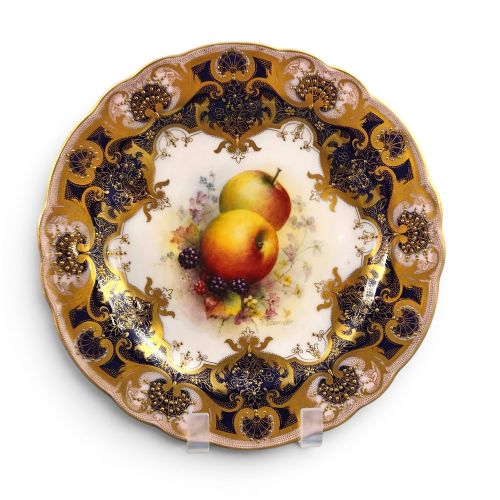
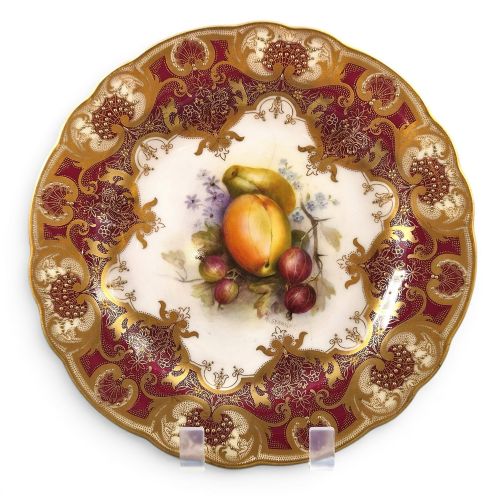
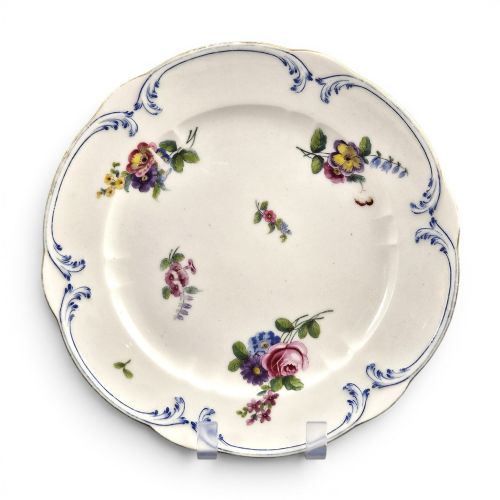
A decorative ceramic cabinet plate brings painted artistry and historical narrative into domestic interiors, designed specifically for display rather than dining.
Decorative Ceramic Cabinet Plate
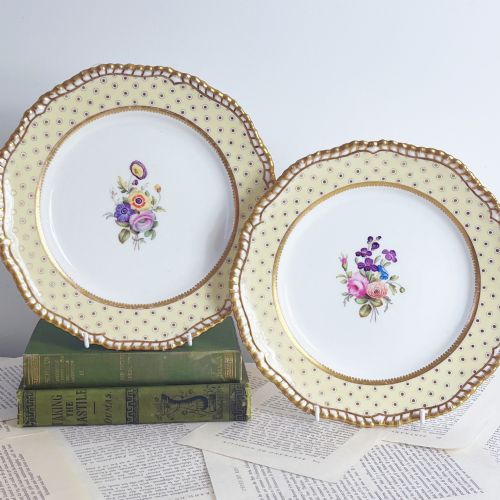
A decorative ceramic cabinet plate is primarily designed for display on a wall or dresser rather than for serving food at table. Buyers seeking this category encounter pieces originating from English, French, German, and Japanese traditions spanning the eighteenth century through to the early twentieth century.
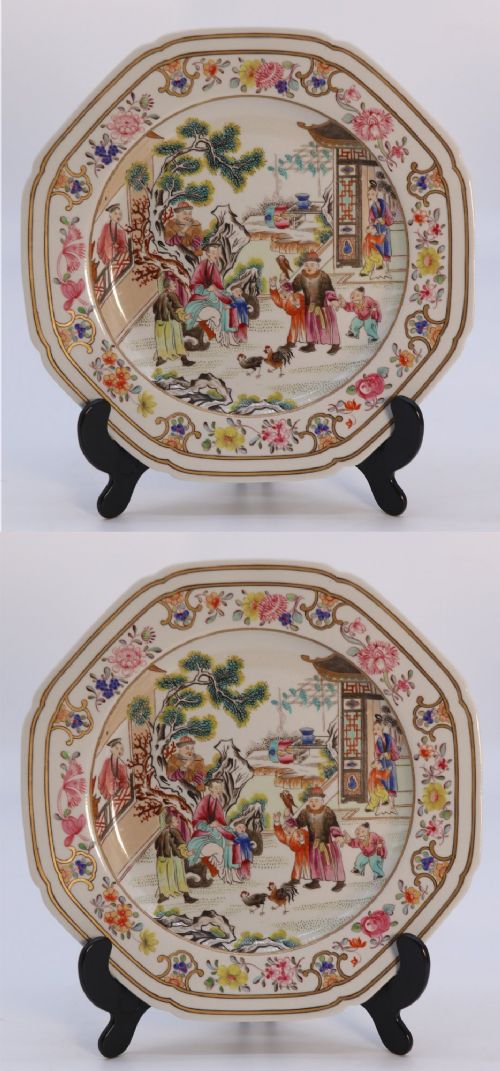
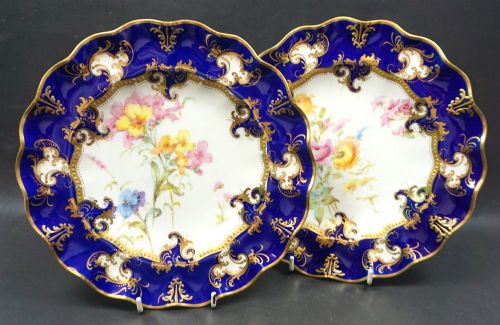
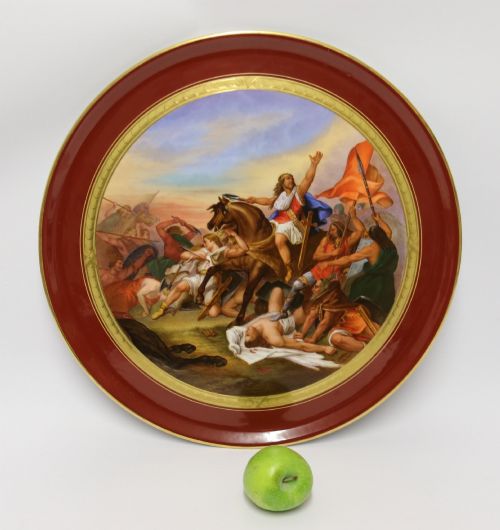
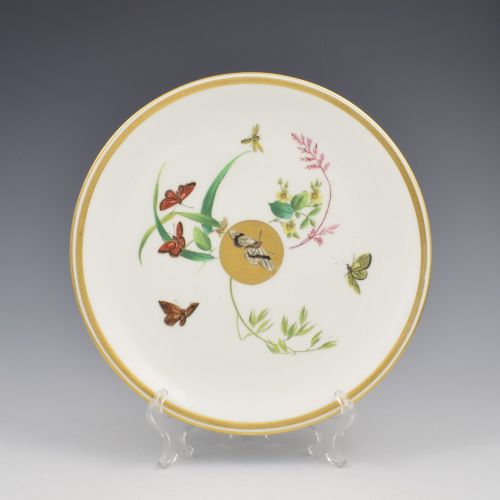
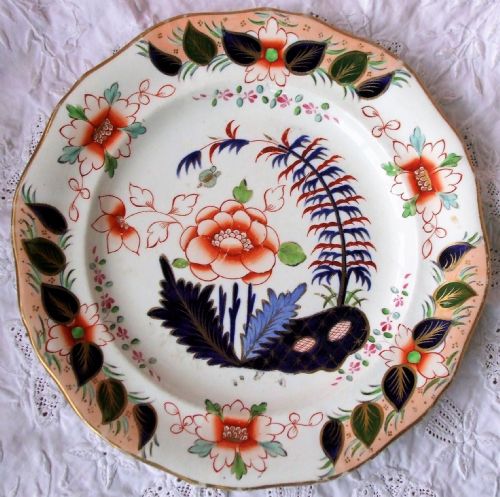
The selections on this page range from nineteenth-century Victorian dessert plates and heavy chargers to eighteenth-century soft-paste porcelain and earthenware dishes. Forms include standard circular plates, octagonal shapes, and large decorative plaques, often reflecting styles such as Neoclassical, Rococo Revival, Japanese Imari, and the Aesthetic Period.
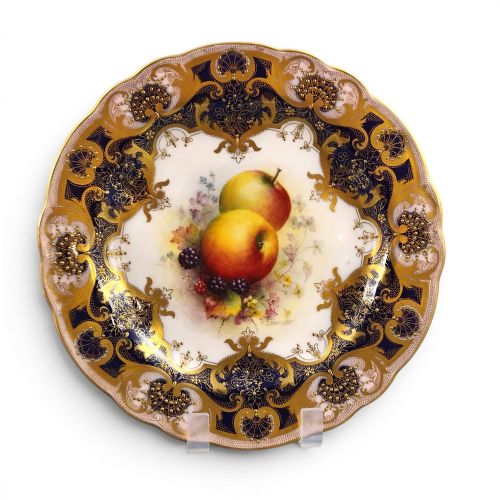
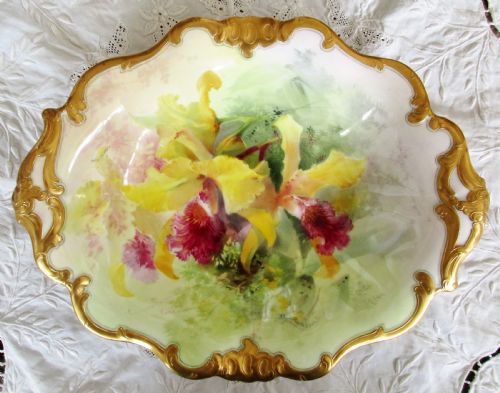
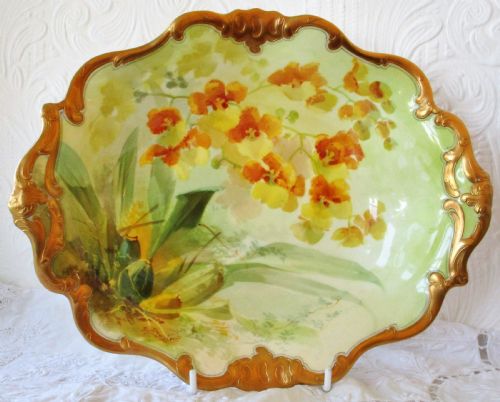
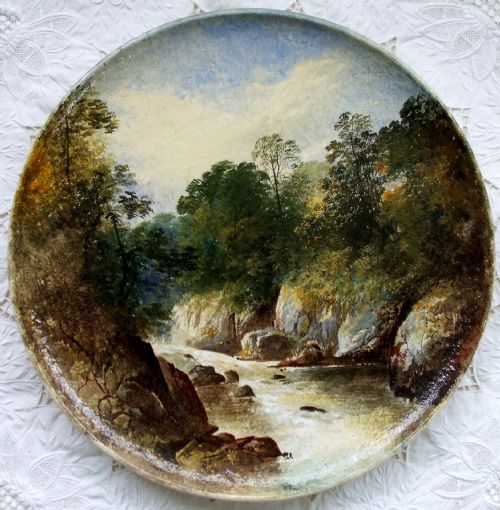
Many examples record specific artistic narratives or topographical scenes, such as hand-painted mythological subjects, battles, botanical studies of orchids, or fruit scenes by named artists. These objects demonstrate the technical capabilities and aesthetic priorities of their respective historical kilns and periods.
Materials and production methods
Production relies on ceramic bodies ranging from fine soft-paste and hard-paste porcelain to ironstone and stoneware. Artisans shaped these materials into plates, dishes, and large chargers using traditional moulding and throwing techniques before applying glazes and ceramic colours.
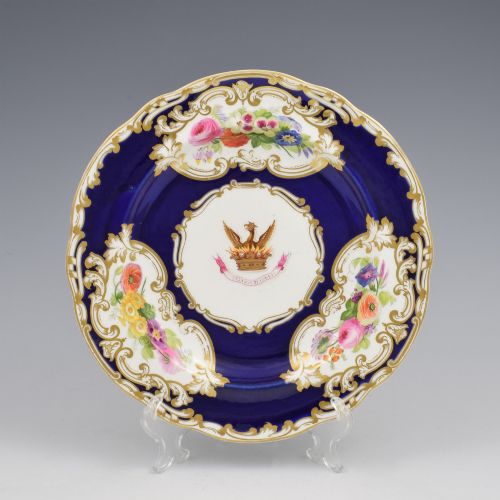
Decoration frequently incorporates hand-painted enamels combined with applied gold leaf, gilding, or gilt detailing. Skilled painters executed detailed figurative scenes, floral patterns, and armorial crests, which were subsequently fixed in a kiln to fuse the pigments with the glaze.
A porcelain plate depicting a bird, a dragon, or even Cupid and Psyche ensures your dining room walls forever judge your snacking habits.
Distinctions in execution and design
Quality in a decorative ceramic cabinet plate is determined by the precision and ambition of the hand-painted decoration rather than simple uniformity. Superior pieces display intricate brushwork by known artists, such as finely rendered botanical studies or complex narrative figure scenes.
The application of gilding and enamel work also dictates standard, with higher-grade items utilising raised gold leaf and multiple kiln firings to achieve depth. The sophistication of the porcelain body, whether translucent soft-paste or substantial ironstone, further separates standard production from exceptional factory output.
Spode·Royal Crown Derby·Royal Worcester·Royal Doulton·John Davenport·Copeland Pottery·Chamberlain's Worcester·Minton·C.J. Mason·Meissen
The Decorative Ceramic Cabinet Plate Glossary
- Cabinet plate
- A ceramic plate manufactured primarily for display in a cabinet or on a wall rather than for practical table use. These pieces often feature elaborate painted scenes or rich gilding.
- Charger
- A large decorative plate or dish, typically exceeding standard dinner plate dimensions. They are frequently hung or stood on sideboards to showcase extensive painted or printed designs.
- Soft-paste porcelain
- A ceramic composition made from a mixture of clays and glassy frits, fired at lower temperatures than hard-paste porcelain. It is characteristic of many eighteenth-century European factories.
- Imari
- A style of ceramic decoration originating in Japan featuring deep underglaze blue, iron red, and extensive gilt highlights. This aesthetic was widely copied by European potteries during the nineteenth century.
- Ironstone
- A durable type of heavy earthenware patented in the nineteenth century. It provides a robust body suitable for large chargers and heavily decorated plates.
Decorative Ceramic Cabinet Plate: Frequently Asked Questions
What is a decorative ceramic cabinet plate?
A decorative ceramic cabinet plate is an ornamental dish made for display rather than dining. These pieces feature elaborate painted artwork, gilding, or historical scenes intended to showcase the skill of the pottery.
They were produced across various centuries in Europe and Asia, serving as status symbols and decorative art for domestic interiors.
How were cabinet plates displayed historically?
Historically, cabinet plates were housed in glazed display cabinets, mounted on walls, or stood on specialised plate rails and mantlepieces. Their primary function was visual enrichment within formal reception rooms.
Unlike everyday tableware, they avoided kitchen use to protect their delicate enamel and gold leaf decorations from wear.
How do I date a porcelain cabinet plate?
Dating relies on identifying factory backstamps, ceramic bodies, and stylistic markers associated with specific periods like the Victorian era or the eighteenth century. Hand-painted signatures and pattern numbers often link pieces to known production years.
Material analysis, such as distinguishing soft-paste porcelain from ironstone, also helps narrow down the manufacturing era.
Are cabinet plates safe to use for food?
Most antique cabinet plates are unsuited for modern culinary use due to fragile surface enamels, historical lead-based glazes, and delicate gilding. Their primary value lies in their artistic and historical merit.
Displaying them securely protects the painted surfaces from scratching, staining, or accidental damage.