



Decorative Bronze Ornament
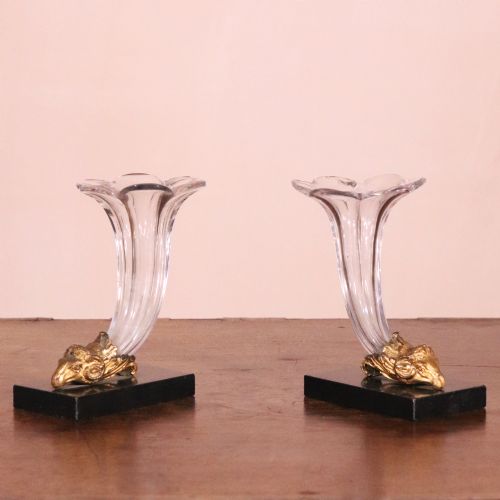
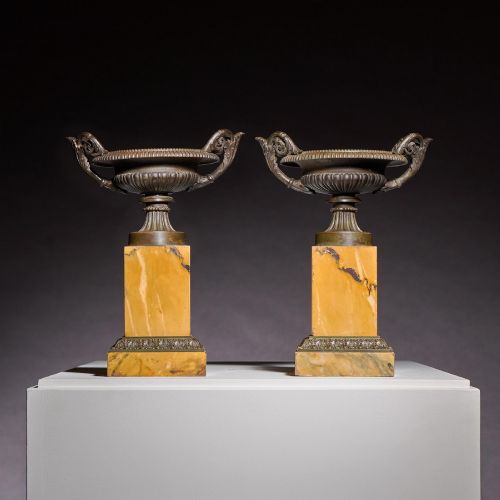
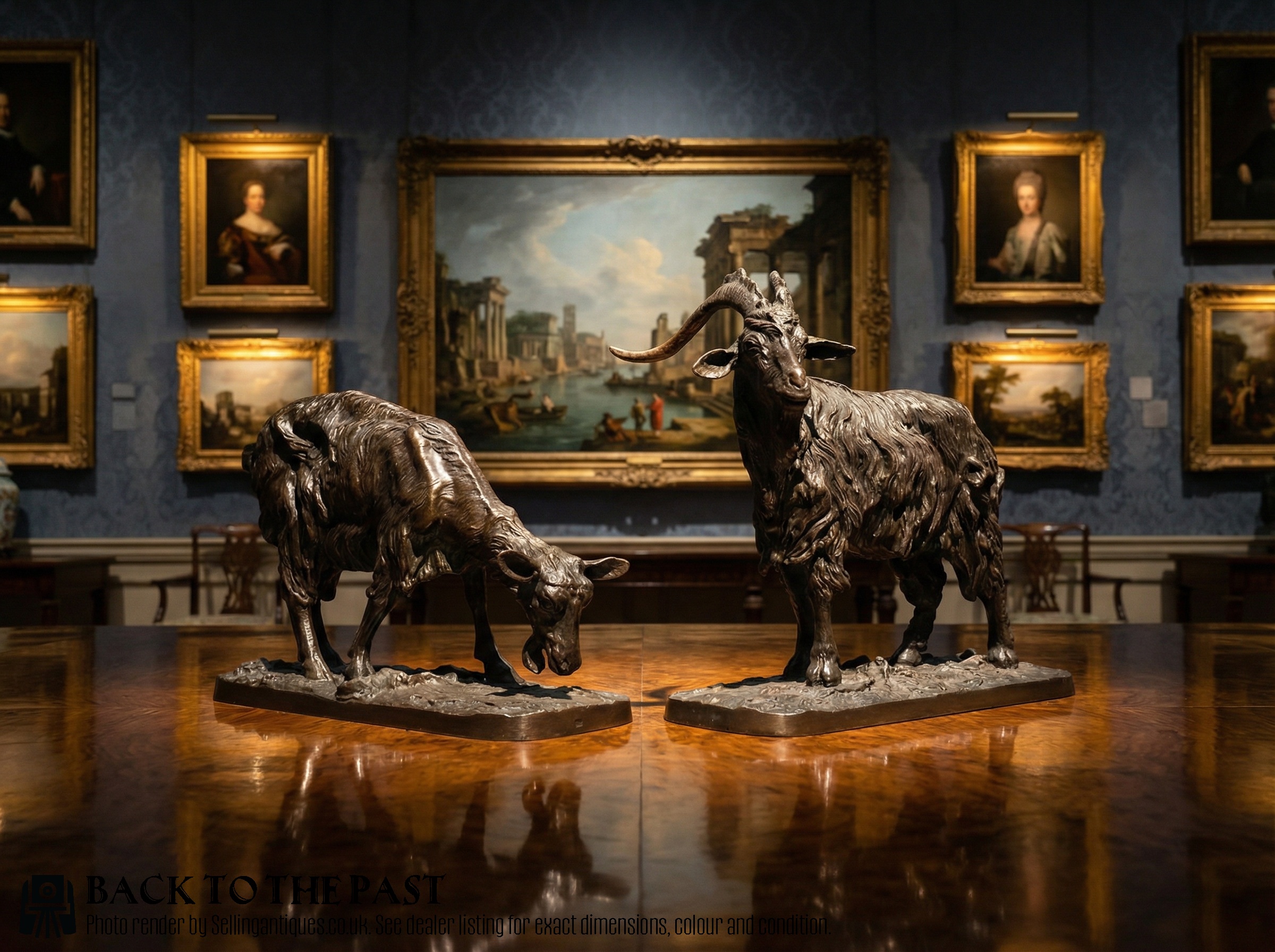
A decorative bronze ornament brings tactile weight and classical presence to a room, offering everything from animalier sculptures to grand tour tazzas.
Decorative Bronze Ornament
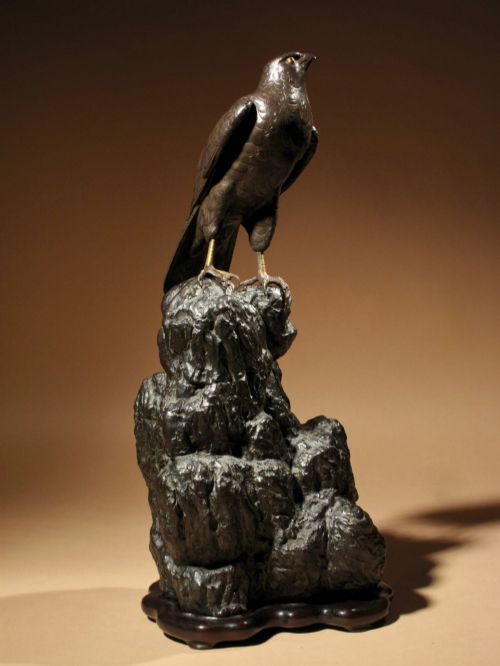
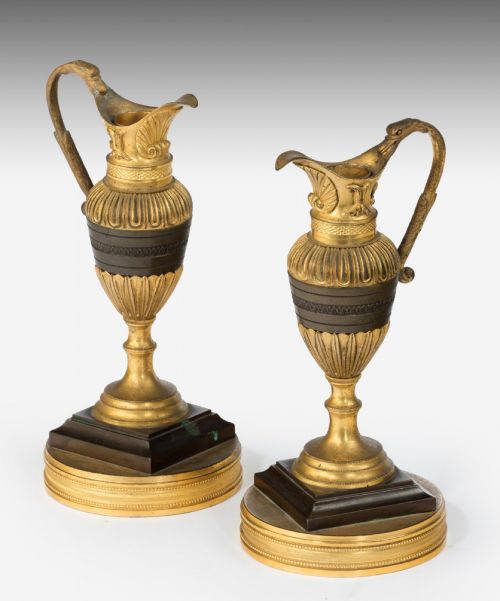
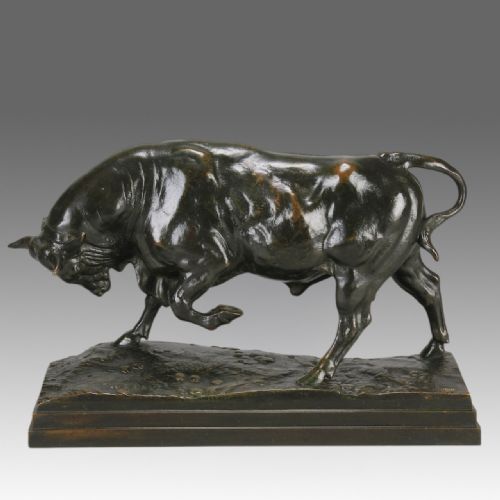
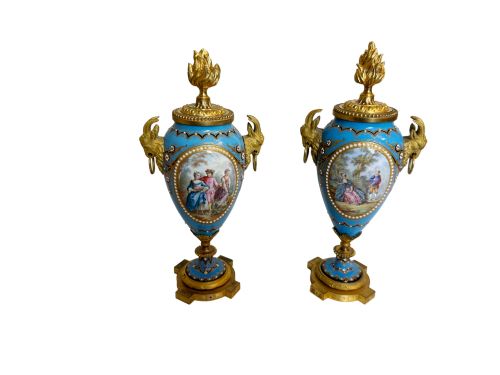
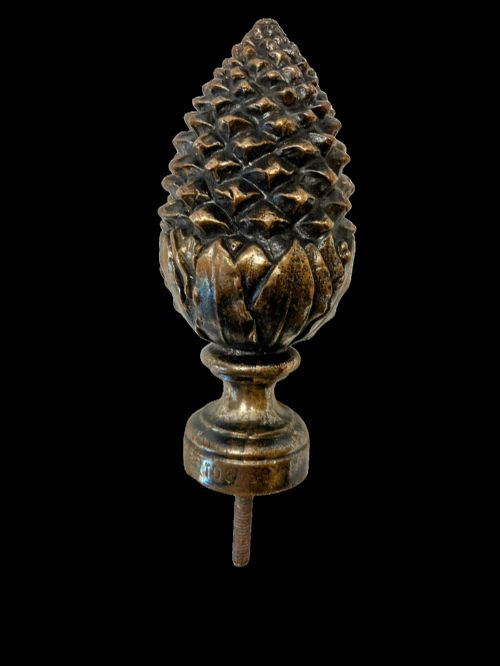
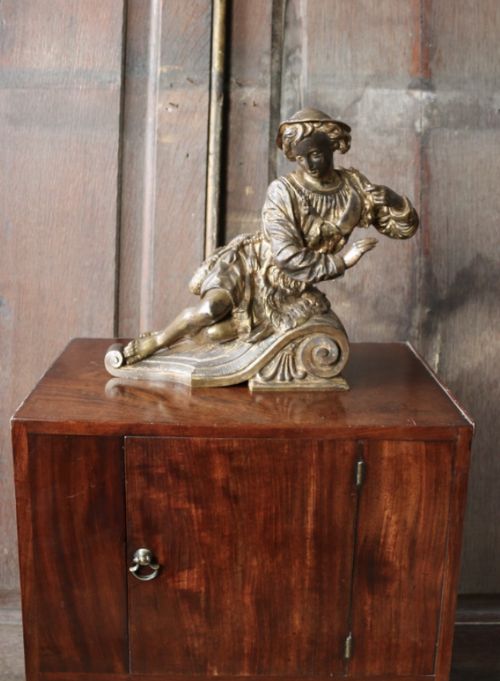
A decorative bronze ornament covers a diverse range of metalwork objects designed primarily to enrich an interior space through form and material. Collectors searching this phrase encounter everything from animalier sculptures and figural figures to functional vessels such as ewers, urns, and cassolettes.
The selections span distinct historical movements, with French Empire, Victorian, and Neoclassical designs appearing alongside sleek Art Deco creations and Meiji period Japanese works. Pieces often incorporate contrasting media, pairing metal castings with marble, onyx, or enamel bases to heighten their visual impact.
Nineteenth-century examples dominate the selection, heavily weighted towards French ateliers and animal studies, alongside twentieth-century dancer figures and decorative vases. Buyers frequently find matching pairs intended for mantelpieces or garniture sets alongside singular desk accessories and sculptural mounts.
How they were made
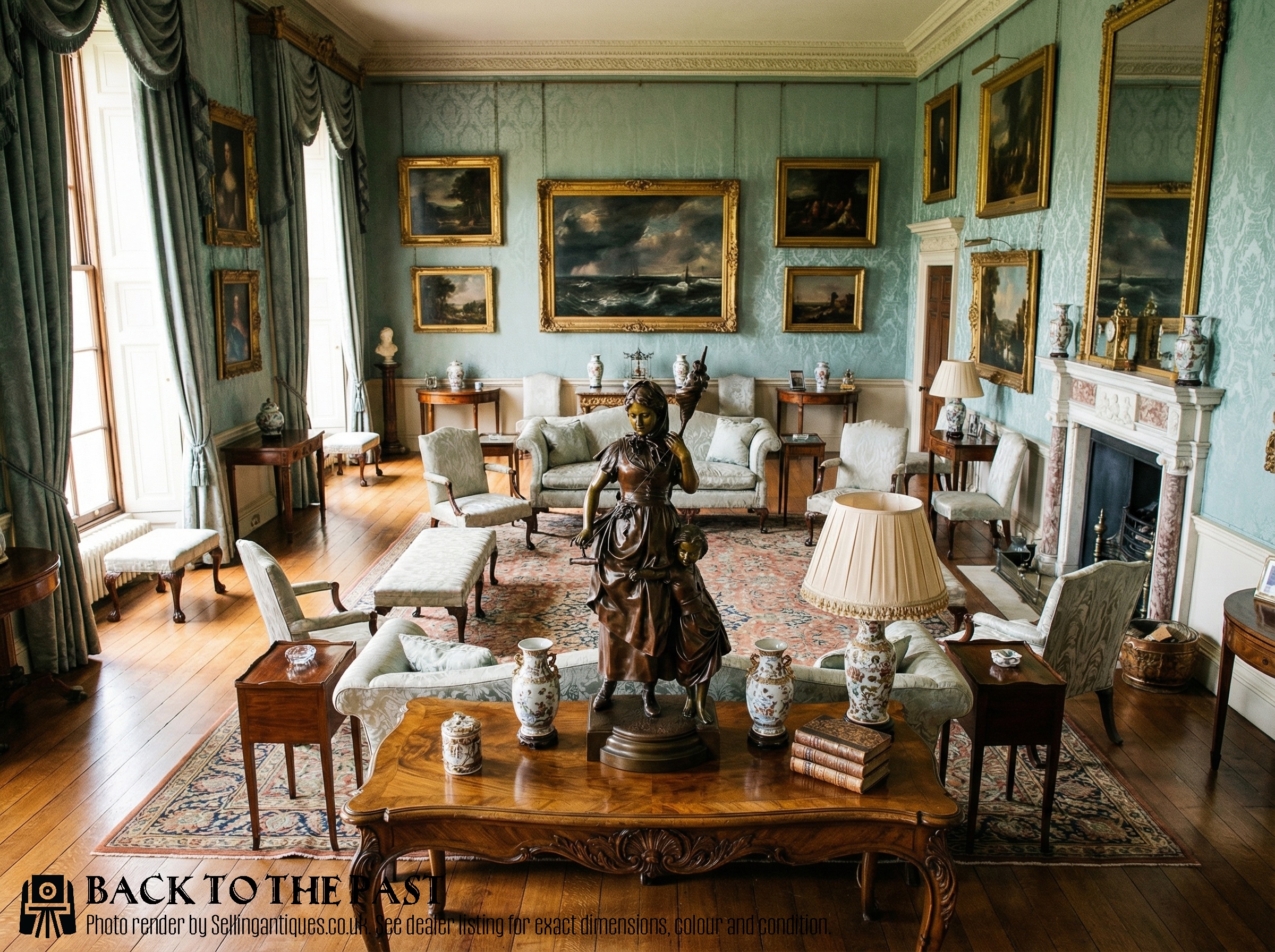
The works rely upon traditional foundry techniques, primarily lost-wax casting or sand casting, to achieve intricate detail in molten metal before finishing. Craftsmen then applied various surface treatments, utilising patinated bronze, gilt bronze, ormolu, and silvered bronze to create depth and texture.
Many items incorporate rigid stone elements, mounting metal castings onto polished bases of Siena marble, white marble, or onyx to provide stability and visual contrast. Enamel detailing and lacquer applications appear on specific regional pieces, adding colour and intricate patterns to the metallic bodies.
Decorative Bronze Ornament Retail Price Guide 2026
Typical asking prices for decorative bronze ornament among the pieces listed under this phrase on Sellingantiques today, from the lower quarter to the upper quarter. They describe what is for sale here now, not the wider market.
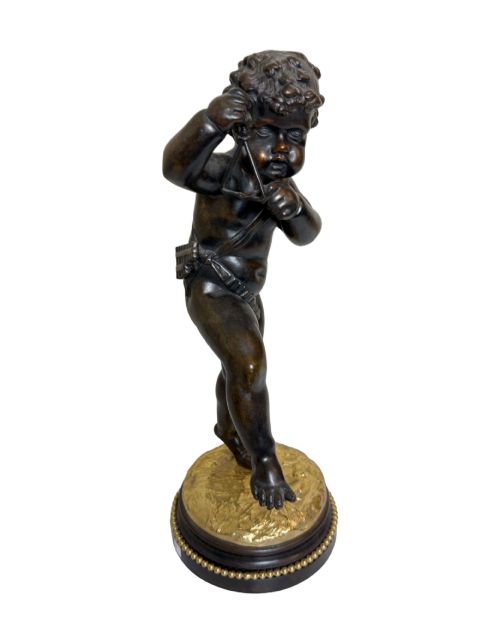
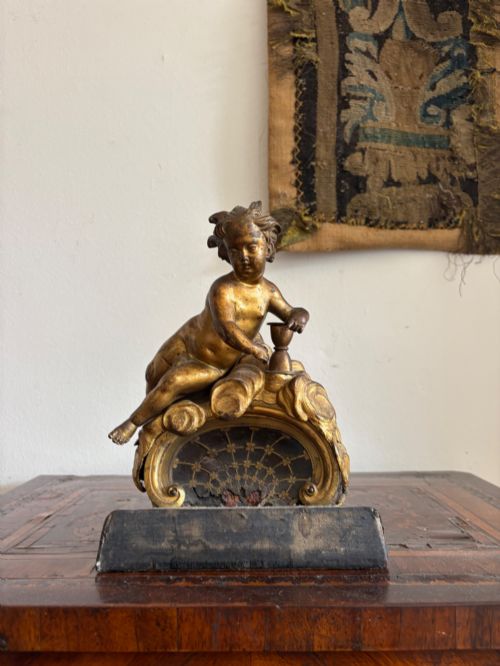
Object forms span functional vessels like ewers and cassolettes alongside sculptural figures of animals, dancers, and classical putti.
What varies in quality
The distinction between tiers rests upon the crispness of the chase work and the subtlety of the surface patina after casting. Superior examples retain sharp muscular definition in animal studies and clean architectural lines in mounts, whereas inferior castings appear soft and muddy in the details.
Material selection also dictates overall grade, particularly the quality of the supporting stone plinths and the richness of the gilding or ormolu. Master founders ensured that secondary elements like joints, mountings, and inset enamel work aligned seamlessly with the primary bronze body.
Poix Blin·Antoine Louis Barye·Edith Parsons·P J Mene·Josef Lorenzl·Barbedienne·Jean Dunand·Lucien Madrassi·Haruyama Shunzan·Demetre H. Chiparus
The Decorative Bronze Ornament Glossary
- Ormolu
- Gilded bronze produced by applying a mercury and gold amalgam to a bronze base and heating it. This technique creates a durable, bright golden surface commonly found on French decorative mounts and clocks.
- Animalier
- A nineteenth-century artistic movement focused on realistic depictions of animals, particularly in motion or repose. Sculptors in this style studied anatomy intensely to capture authentic movement in bronze.
- Cassolette
- A decorative vessel that functions as a vase or an incense burner, typically featuring a reversible lid. They are frequently turned from marble and mounted with bronze or ormolu handles and bases.
- Patinated bronze
- Metalwork treated with chemical solutions to produce a controlled surface colour, ranging from deep brown to verdigris green. This treatment protects the metal and accentuates sculptural contours.
- Grand tour
- Souvenirs collected by affluent travellers touring cultural sites in Europe during the eighteenth and nineteenth centuries. These items include miniature bronzes, marble obelisks, and architectural models.
Decorative Bronze Ornament: Frequently Asked Questions
What is an animalier bronze?
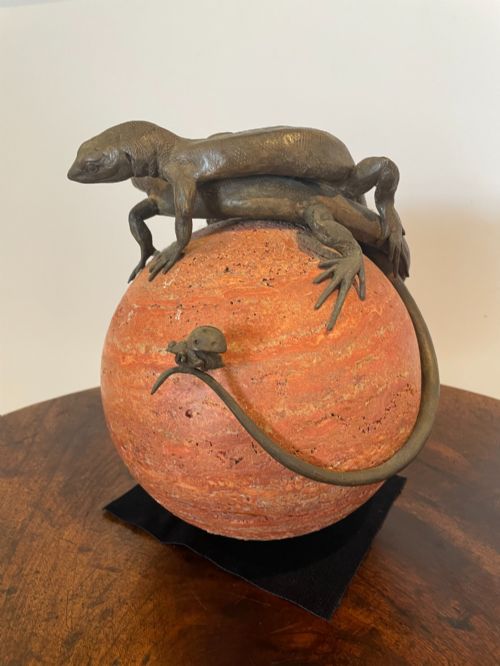
An animalier bronze is a nineteenth-century sculpture focused specifically on the realistic representation of animals in natural poses. These pieces capture creatures like lizards, hawks, bulls, and terriers with precise anatomical accuracy.
Artists studied wildlife extensively to translate sinew, fur, and feather textures directly into metal casts. Collectors prize these works for their dynamic portrayal of natural behaviour.
How do I identify French Empire style?
French Empire style draws heavily on classical motifs from ancient Rome and Greece, featuring formal symmetry and military symbols. You will notice laurel wreaths, sphinxes, urns, and Neoclassical figures rendered in heavy gilt bronze.
These pieces often combine polished and matte surface finishes within the same casting. The overall effect remains grand, formal, and strictly structured.
How do I care for bronze ornaments?
Bronze ornaments require minimal intervention to preserve their historic surface patinas and applied gilding. Dust them gently with a soft, dry brush and avoid chemical cleaning agents entirely.
Keep them away from direct sunlight and excessive moisture to protect integrated marble plinths or enamel insets. Stable indoor humidity prevents any corrosion on the metal surfaces.