


Decorative Brass Vessel
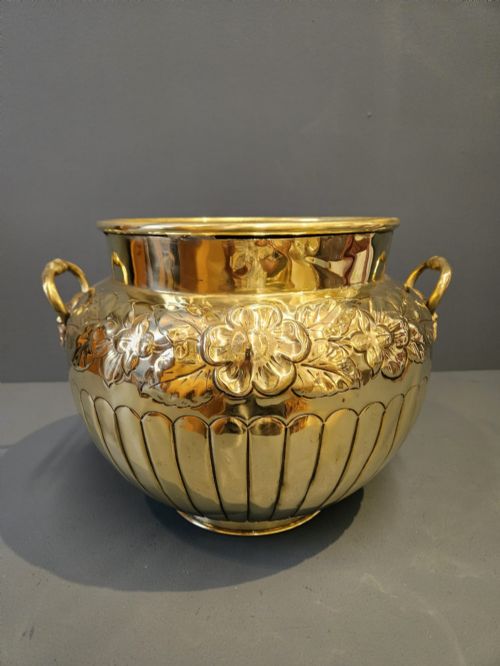
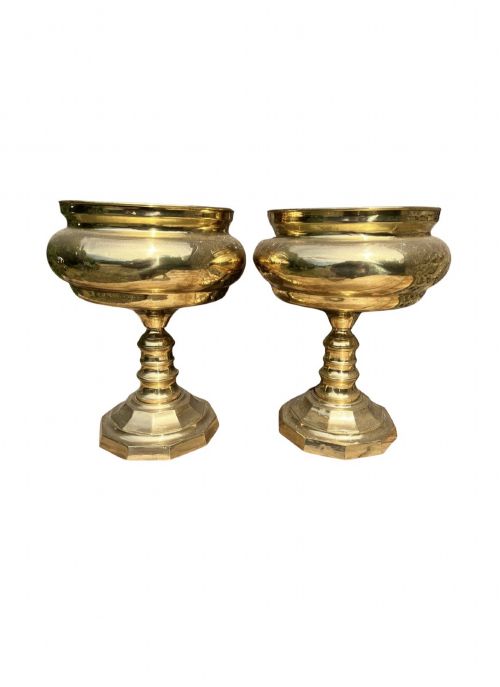
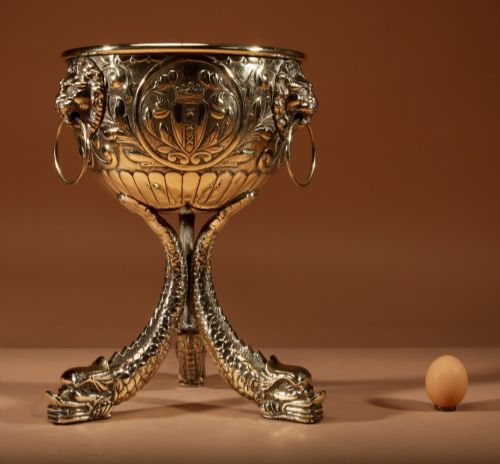
When you search for a decorative brass vessel, you find metalwork shaped into vases, planters, and bowls from the nineteenth and early twentieth centuries.
Decorative Brass Vessel
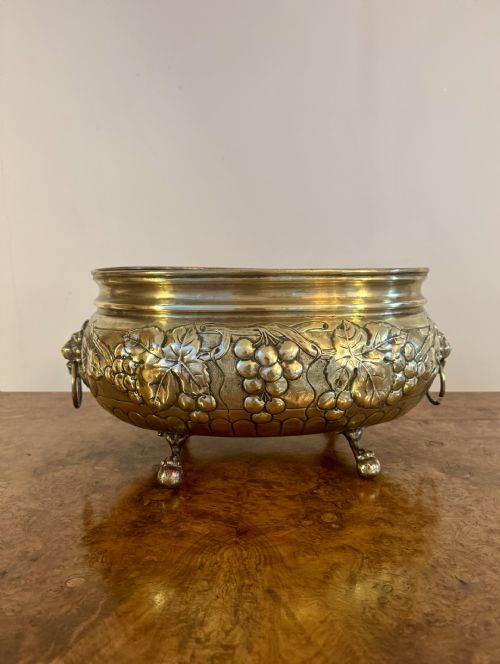
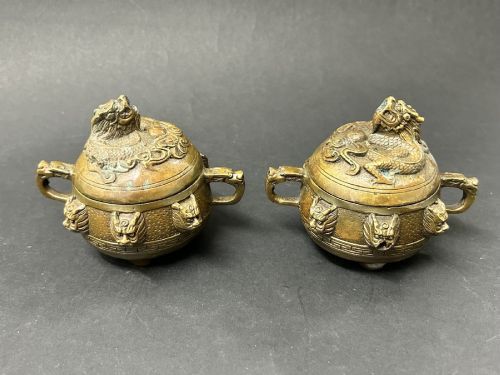
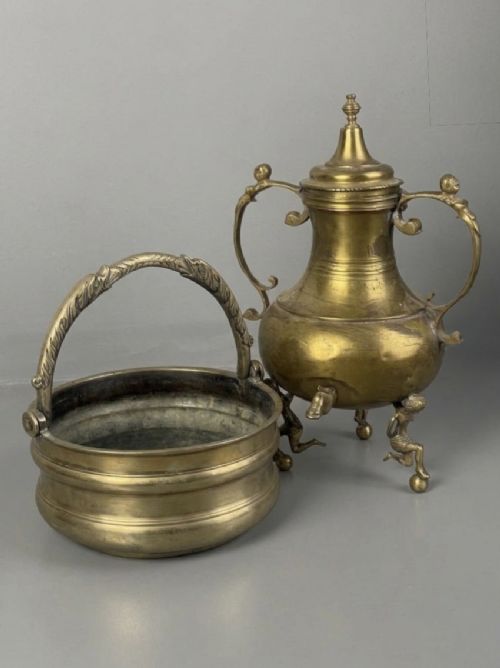
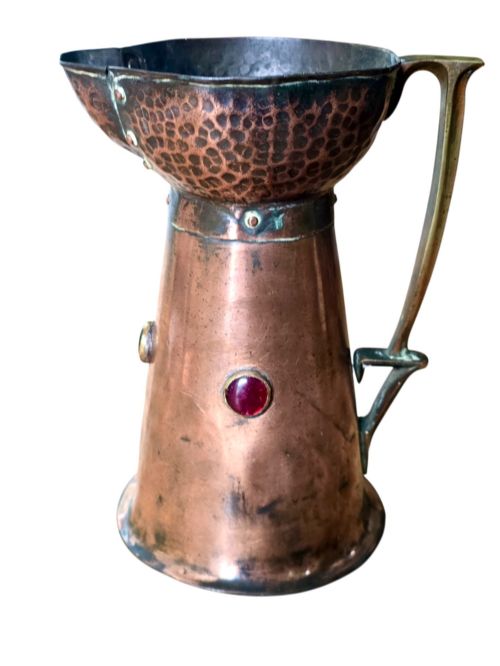
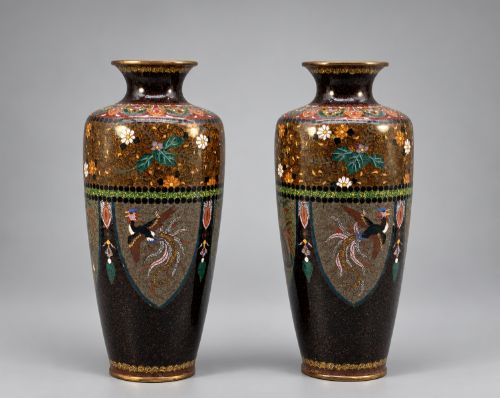
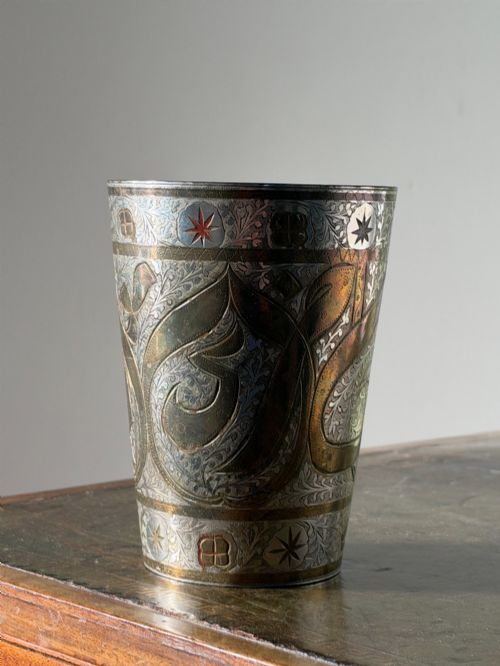
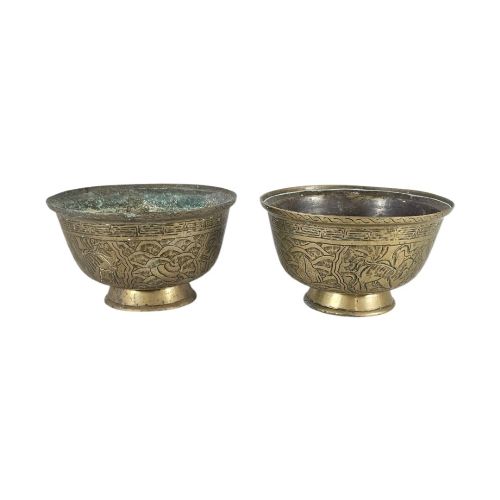
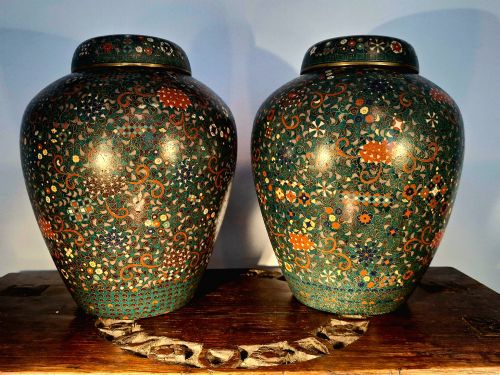
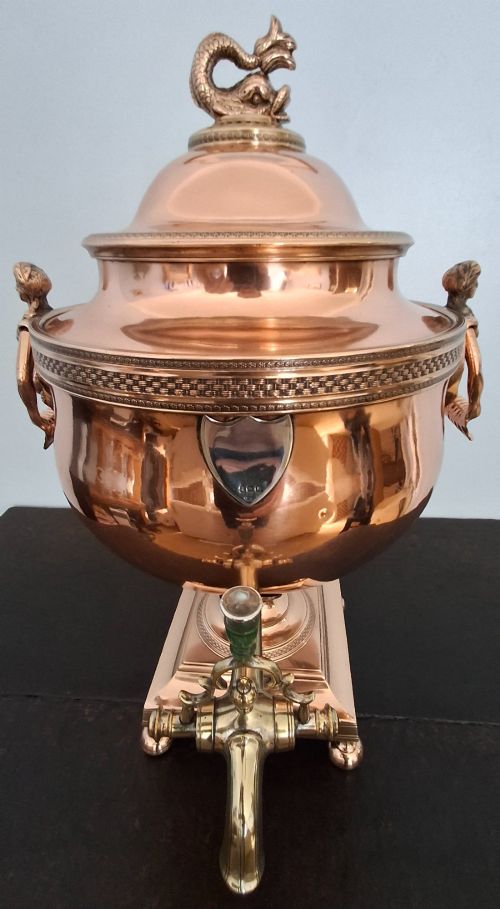
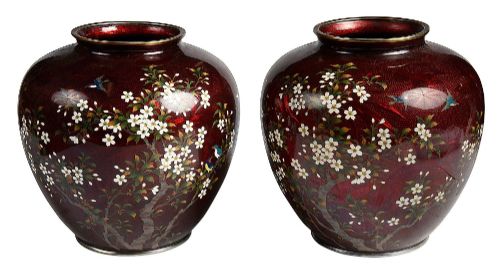
A decorative brass vessel encompasses a wide range of nineteenth and early twentieth-century household metalwork, including vases, planters, jardinieres, bowls, and urns. Pieces frequently emerge from Victorian Britain, Meiji period Japan, Qing dynasty China, and continental European workshops.
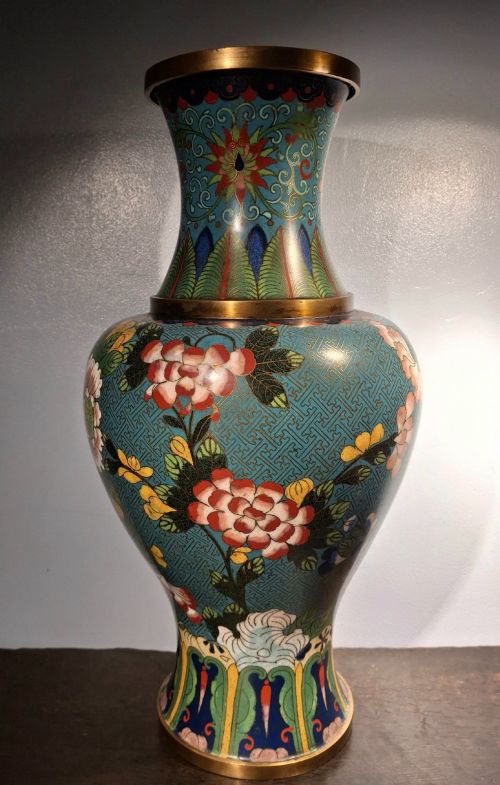
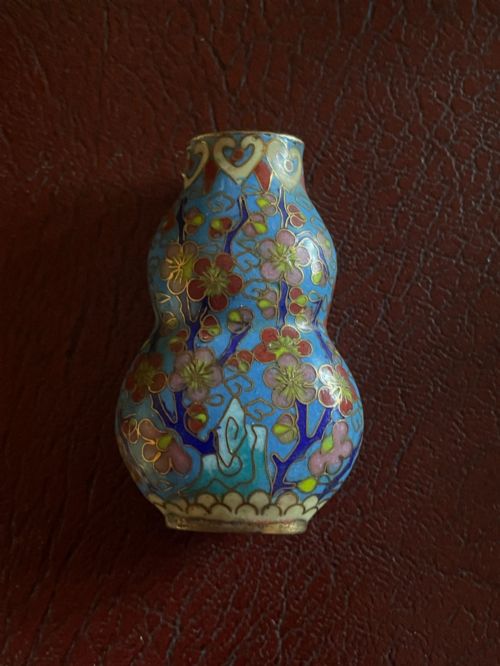
Buyers meet everything from small table urns and apothecary mortars to large floor planters, dinanderie bins, and intricately worked cloisonne pieces. The selection spans utilitarian containers adapted for display and items made solely for ornamental use.
How they were made
Makers utilised brass, copper, and bronze, often combining metals or incorporating enamel, cloisonne, and wood elements to achieve varied textures and colours. Techniques involve casting, hammering, embossing, piercing, and hand-chasing.
Workshops employed specialised methods such as dinanderie surface texturing and high-relief casting, while Japanese and Chinese makers applied intricate wirework cloisonne enamelling to metal bodies.
Decorative Brass Vessel Retail Price Guide 2026
Typical asking prices for decorative brass vessel among the pieces listed under this phrase on Sellingantiques today, from the lower quarter to the upper quarter. They describe what is for sale here now, not the wider market.
Several heavy vessels double as nineteenth-century umbrella stands, reminding us that polite Victorian callers brought very wet walking sticks indoors.
What varies in quality
Quality rests in the crispness of the hand-chased or embossed detail and the structural integrity of the metal body. Superior examples show purposeful weight, clean joins, and controlled handling of mixed metals or enamel.
Lesser items present muddy surface decoration, careless casting flaws, or weak construction at the handles and bases.
The Decorative Brass Vessel Glossary
- Dinanderie
- Brass or copper ware decorated with engraved, embossed, or inlaid designs. The term derives from the Belgian town of Dinant, long known for medieval and later metalworking traditions.
- Cloisonne
- An ancient technique for decorating metal object surfaces, using wire compartments soldered to the base and filled with enamel paste. These are subsequently fired and polished smooth.
- Jardiniere
- An ornamental pot or stand for holding plants or flowers. They often take a large circular form suitable for floors or substantial tabletops.
- Cairoware
- Nineteenth-century Middle Eastern and European revival metalwork featuring intricate inlaid brass and mixed metals with silver and copper highlights.
- Baluster
- A vase or vessel form with a rounded body that tapers toward a narrow neck and flares at the base. The silhouette mimics architectural column supports.
Decorative Brass Vessel: Frequently Asked Questions
What is a decorative brass vessel used for?
These items serve primarily as ornamental focal points, mantel displays, or table centerpieces within domestic interiors. Many historical examples double as functional planters, umbrella stands, or storage bins.
Larger vessels accommodate heavy foliage or logs, while smaller vases and urns hold floral arrangements or display intricate cloisonne and chased patterns on desks and sideboards.
How do I clean a brass vessel?
Dust gently with a soft, dry cloth to prevent the accumulation of dirt within chased or pierced crevices. Avoid harsh chemical polishes that strip away historical patination and age.
Maintaining the natural dark surface developed over decades preserves the character and visual depth valued by collectors of antique metalwork.
How do I date a brass vessel?
Examine the manufacturing marks, construction seams, and stylistic influences that point to specific manufacturing periods like the Victorian era or Meiji period. Hand-hammered tool marks and applied decorative techniques often indicate nineteenth-century production methods.
Comparing the weight, alloy composition, and decorative motifs against documented pieces from similar origins helps narrow down the decade of creation.
Where were these brass vessels made?
Production spans diverse geographic regions, including British workshops, French studios, Dutch country houses, and Asian centres in China and Japan. International trade during the nineteenth century brought distinct regional aesthetics into European homes.
Each region utilised local metalworking traditions, resulting in varied alloys, decorative motifs, and vessel forms ranging from Dutch planters to Qing dynasty censers.